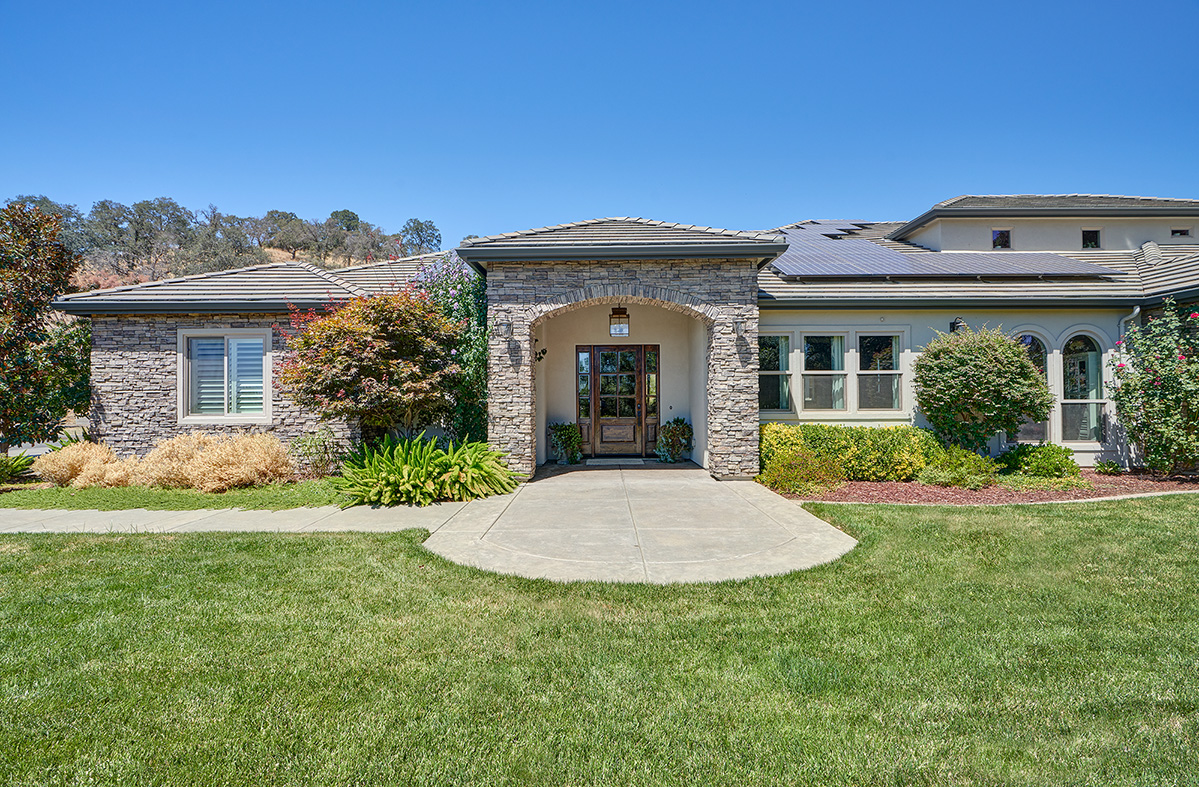
Choosing addiction treatment is about more than selecting a clinical program. The environment where residential care takes place can influence how comfortable, supported and focused someone feels as she begins recovery. Pathways Recovery’s women’s residential program is located on approximately five private acres in the peaceful foothills of South Placer County, near Roseville and Sacramento. The upscale, home-like property offers space, privacy and structure without the feel of a large institutional facility. Here, comfort is intentional but it is not the treatment itself. The setting supports the work of recovery while women participate in a structured residential program designed around their individual needs. Learn more about our women’s addiction treatment program and our treatment approach.
A Private Residential Environment for Women
Nothing about early recovery is easy, and the environment around her shouldn’t be adding to the difficulty. The women’s residence is set up to give her a quieter, a place that feels personal instead of institutional, without losing the structure and accountability that residential care exists to provide.
Our women’s residence provides a discreet place to focus on treatment away from the pace and responsibilities of everyday life. The property is in the greater Roseville and Sacramento region while maintaining the quiet, rural atmosphere many clients value during residential care.
For client privacy and safety, we do not publish the residence’s street address. Our admissions team can answer location and arrival questions privately during the admissions process.
An Upscale Five-Acre Property Designed for Comfort and Focus
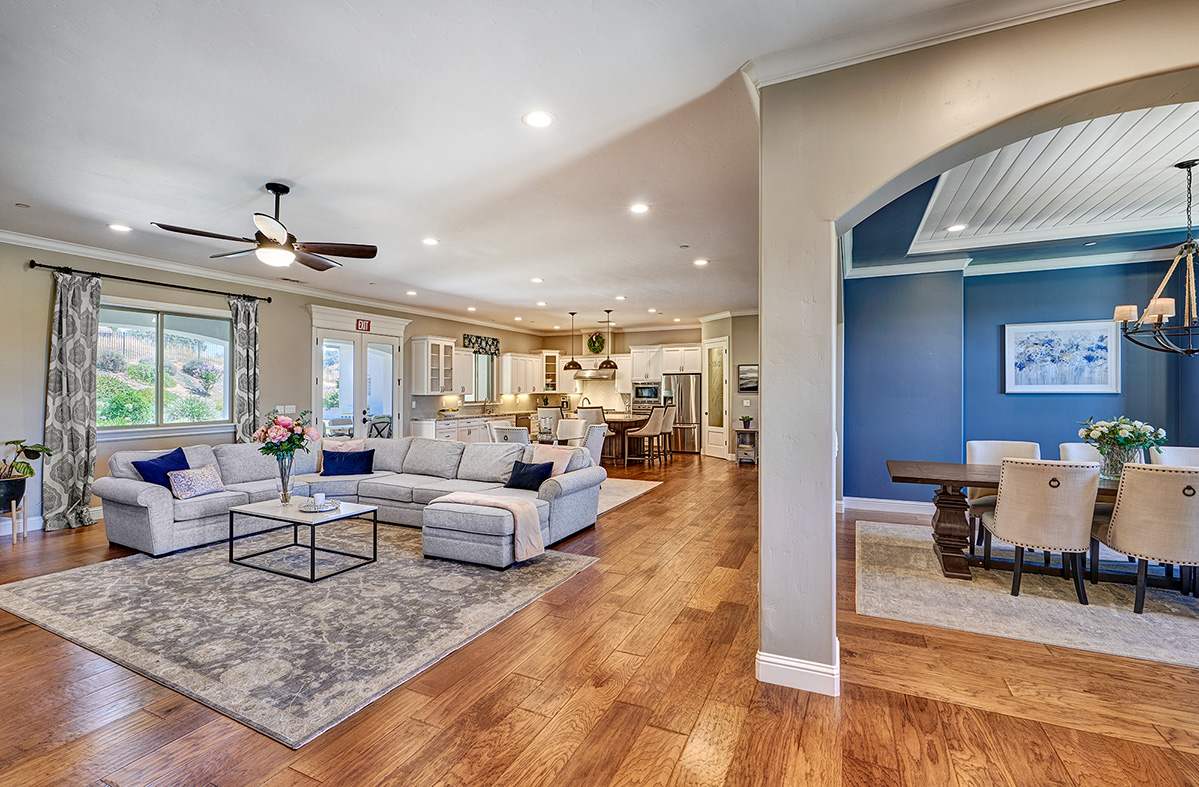
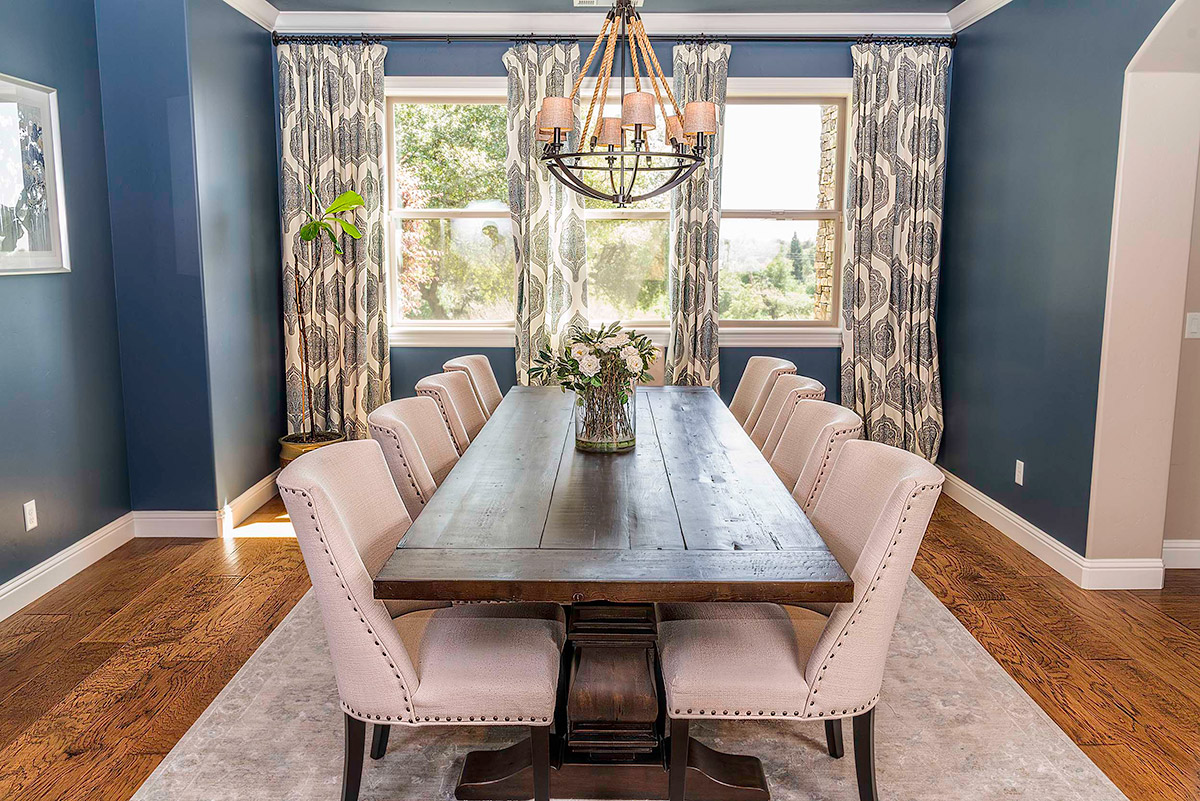
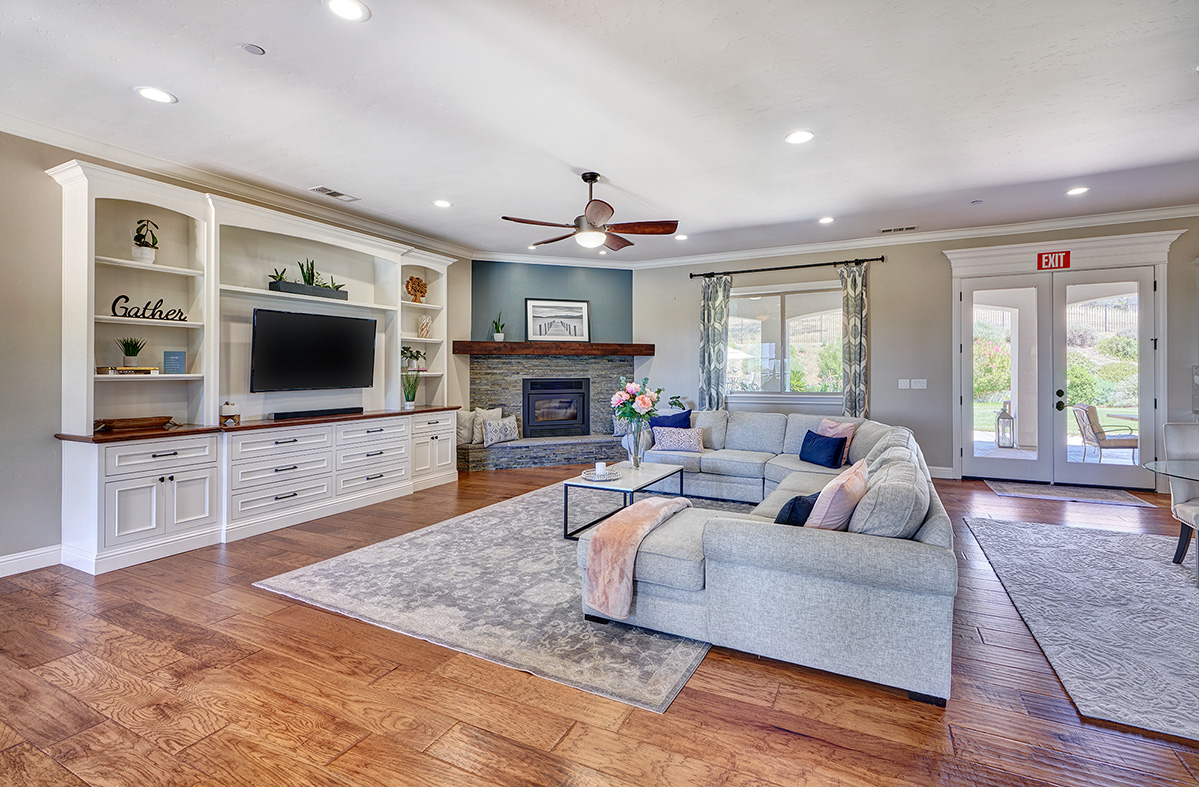
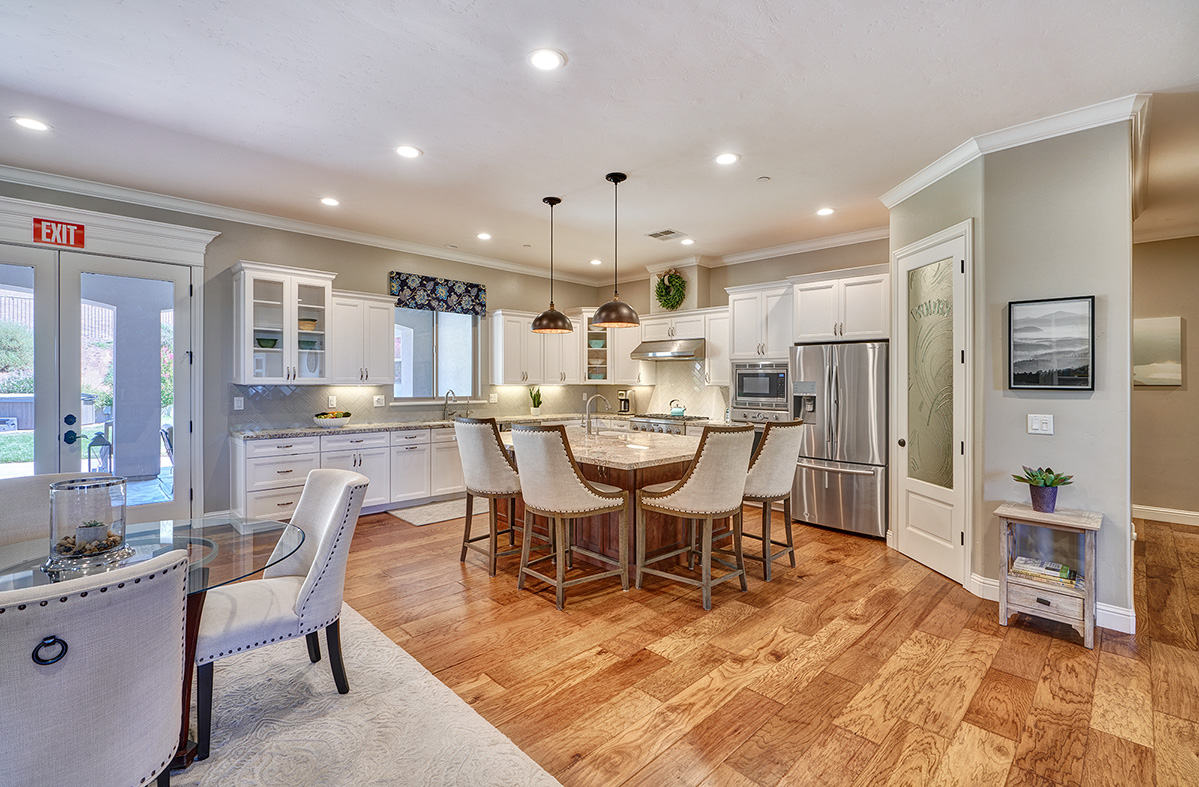
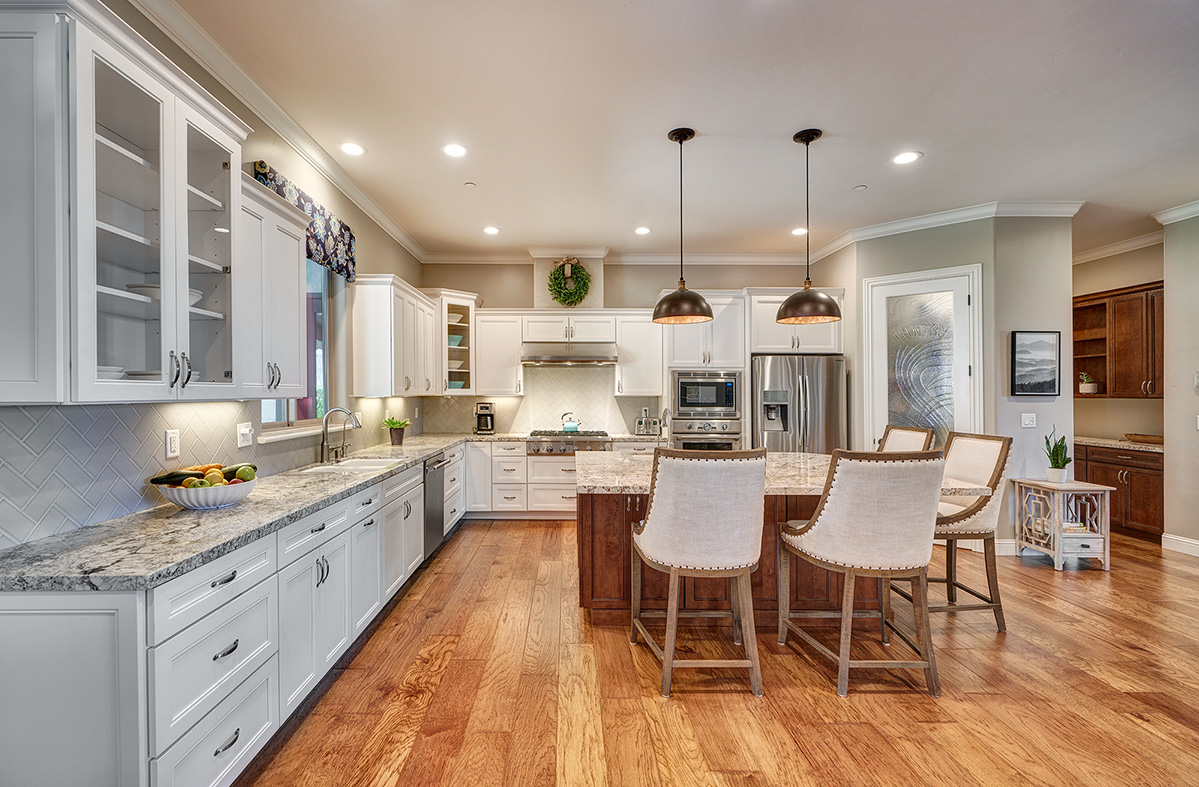
The residence sits on approximately five private acres with landscaped outdoor areas, mature trees and space to step outside, slow down and reset. Inside, welcoming shared spaces and comfortable bedrooms create a residential atmosphere that feels personal rather than institutional.
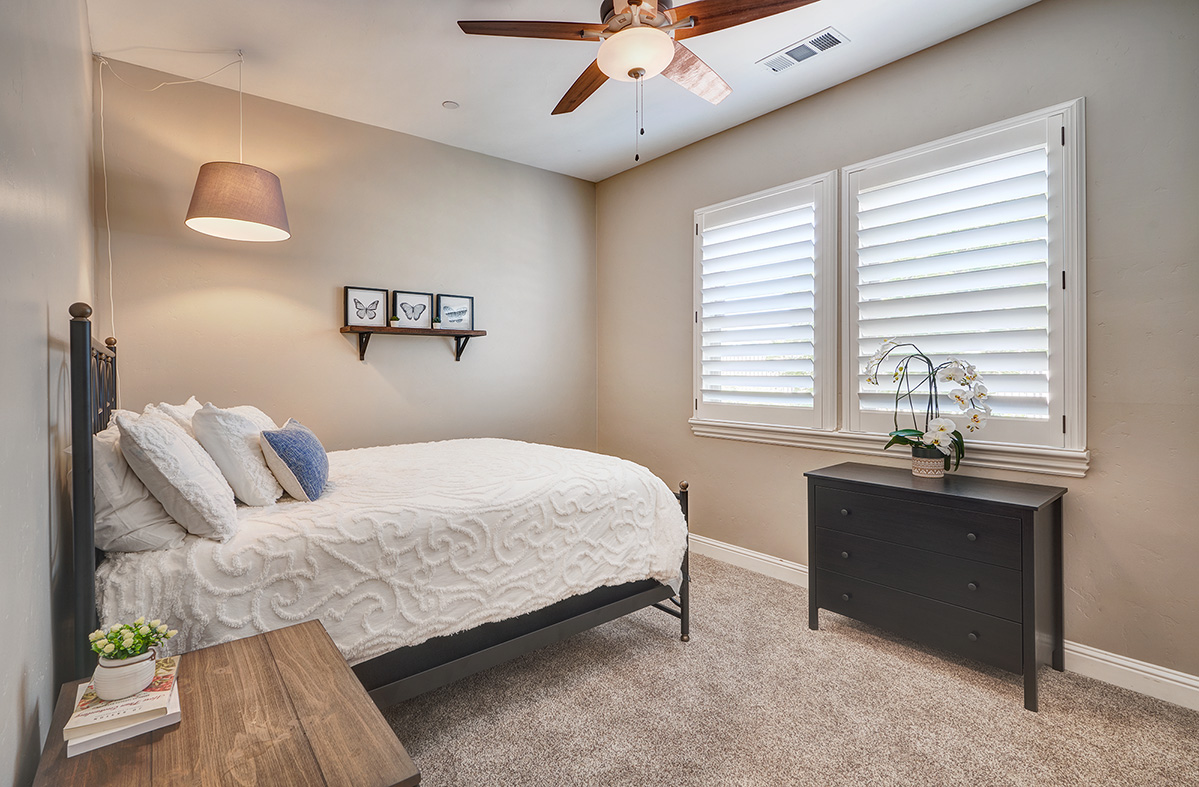
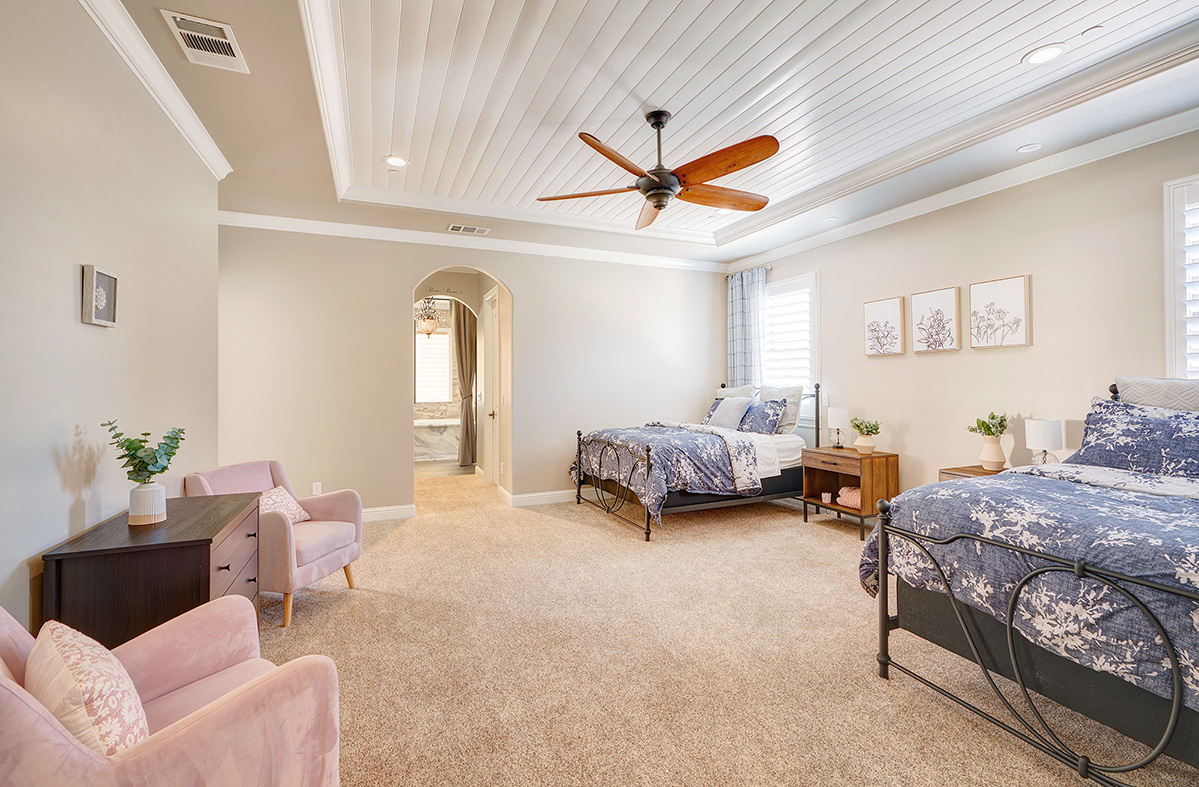
Comfortable Private and Semi-Private Bedrooms
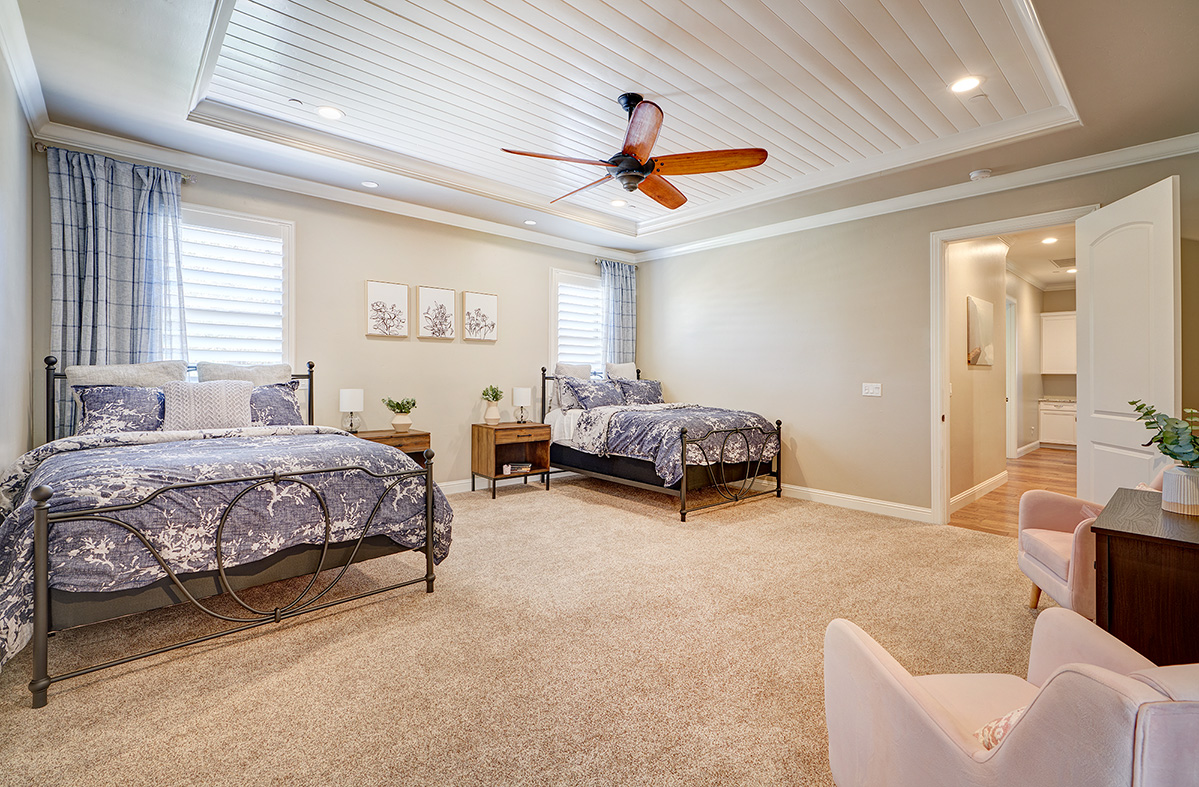
The residence includes private and semi-private bedroom accommodations with comfortable furnishings and bedding. Room availability can vary, so our admissions team can explain the current options when you call.
Welcoming Common Areas
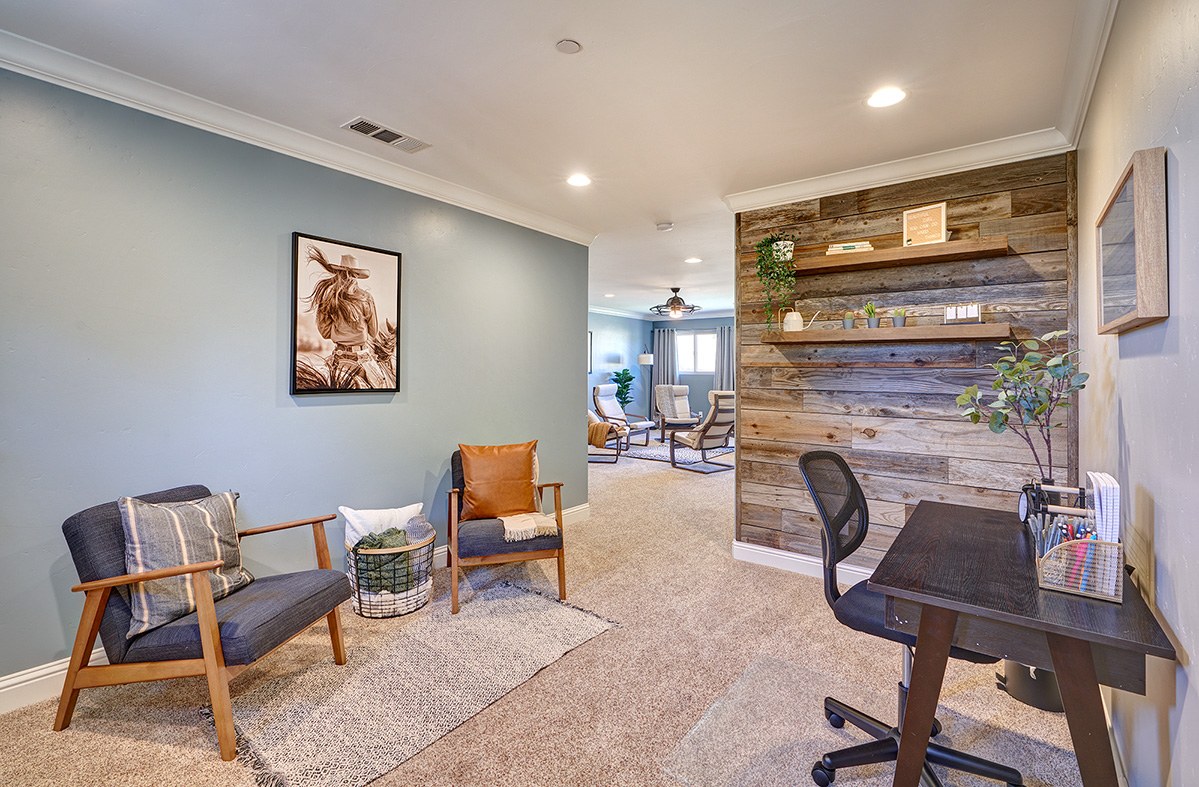
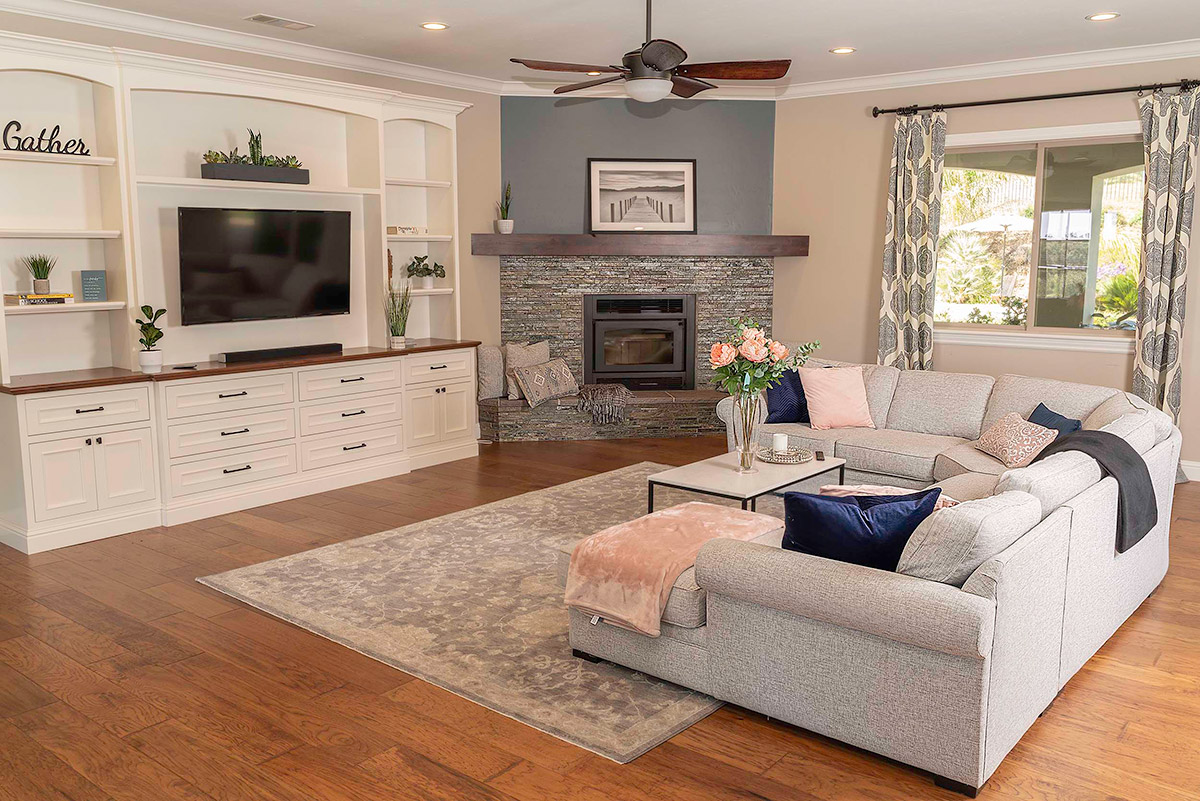
Comfortable indoor common areas give women places to connect with peers, read, reflect and spend appropriate downtime between scheduled activities. The goal is a calm home environment that complements the structure of residential treatment.
Swimming Pool and Heated Spa
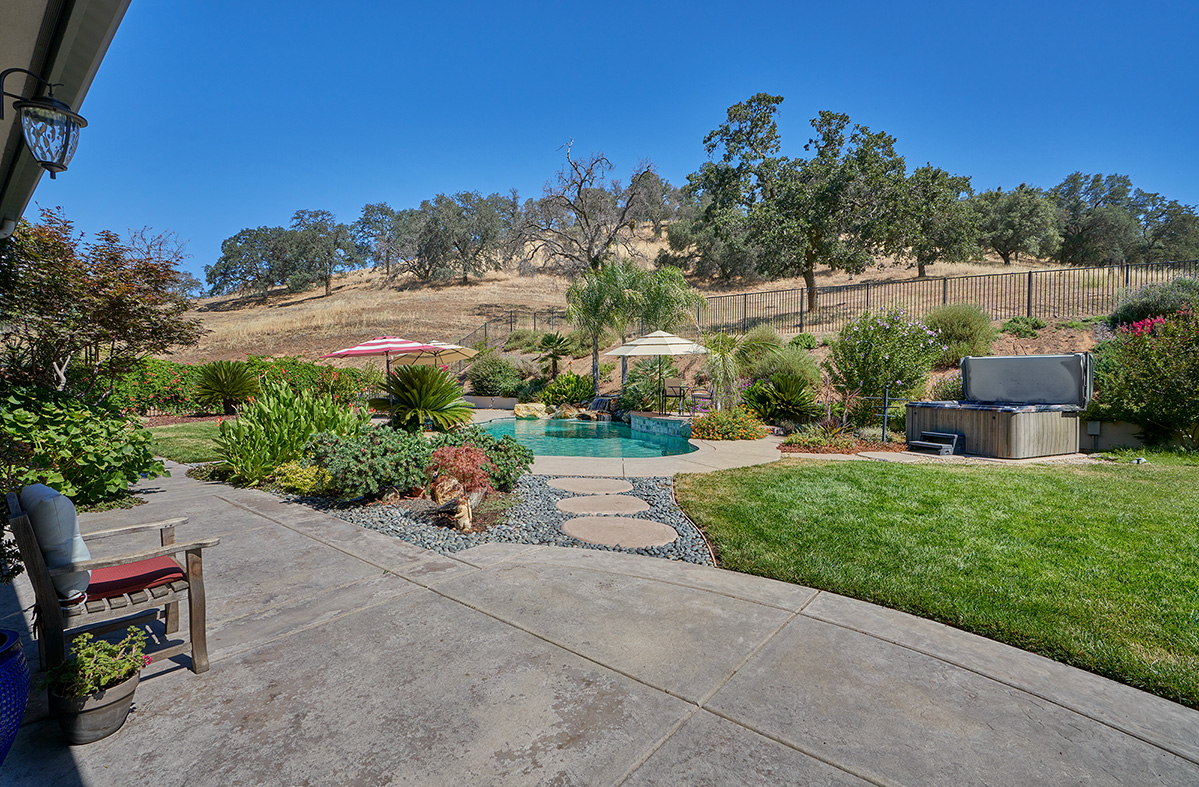
The property includes a swimming pool and heated spa that add to the residential experience and provide options for appropriate recreation and relaxation. Access is based on the program schedule, safety considerations and individual clinical recommendations.
Outdoor Patios, Gardens and Mature Oaks
Patios, garden areas and mature trees create places to enjoy fresh air and quiet moments outdoors. The surrounding rural landscape helps the residence feel removed from the distractions of everyday life while remaining convenient to the greater Sacramento area.
Room to Rest, Recover and Reconnect
With approximately five acres around the home, the setting gives women room for appropriate outdoor time, movement, journaling, mindfulness, quiet reflection and connection with peers. These comforts can support the daily rhythm of residential treatment, but they are not a substitute for clinical care.
Have questions about the property, room availability, or what admission looks like? Admissions can answer them directly.
The Environment Supports the Treatment
The physical setting where residential drug rehab happens is not a nice-to-have. It affects sleep, appetite, whether a woman can regulate herself day to day, and whether she can settle into the clinical work at all. A home that feels institutional, crowded, or unsafe pulls attention away from treatment before it can even begin. A home that is private, quiet, and comfortable lets her attention stay where it belongs on the reasons she is here.
That is why the setting for residential care is worth taking seriously as a factor in a treatment decision, alongside the clinical program itself, cost, and location.
Why the Treatment Environment Matters
Choosing residential treatment also means choosing the environment where recovery begins. Stepping away from familiar routines, triggers and daily pressures can create room to focus on treatment. A comfortable, structured setting can also provide space for rest, reflection, healthier routines and connection with a recovery community.
At Pathways Recovery, the property is intentionally supportive of that work. The clinical program remains the center of treatment. For details about trauma-informed care, CBT, DBT, Brainspotting, dual diagnosis and other methods, review our women’s treatment approach.
A Small-Scale Women's Residential Experience
Pathways Recovery’s women’s residential program is intentionally limited in size, creating a more personal treatment environment than a large institutional campus. Women can become familiar with their treatment team and peers while still having access to personal space and quiet areas around the residence.
Privacy and Discretion
Stepping away for treatment can raise practical and privacy concerns, especially for women balancing careers, family responsibilities or public facing roles. The private residential setting provides distance from daily demands without requiring an executive-specific treatment claim.
Professional women can also review information about treatment considerations for working professionals, or speak privately with Admissions about their situation.
What a Typical Day Feels Like at the Residence
Residential treatment provides structure while leaving appropriate space for meals, personal care, wellness activities, reflection and rest. A day may include individual or group clinical programming, recovery-focused activities, meals and scheduled opportunities for healthy recreation or downtime.
Each client’s schedule is based on her treatment plan and the current program schedule, so the experience can vary from person to person.
Convenient to Roseville and Sacramento, Peaceful by Design
The women’s residence is near Roseville and Sacramento in the South Placer County foothills, giving clients access to the greater Sacramento region without placing treatment in a busy urban environment. For some women, stepping away from familiar surroundings creates valuable distance from everyday routines while remaining within a region that can make travel and family logistics more manageable when appropriate. Pathways Recovery also serves women from across Northern California who are looking for a private, women specific residential setting.
Explore the Setting, Then Explore the Treatment
A facility tour can help you picture the environment, but choosing treatment also means understanding the clinical program, support system and next steps. Explore our women’s addiction treatment program for the full residential overview, then review our treatment approach to learn how care is individualized.
Frequently Asked Questions About the Women's Residence
The residence is near Roseville and Sacramento in the South Placer County foothills. For client privacy and safety, Pathways Recovery does not publish the private residence street address. Admissions can provide appropriate location details during the admissions process.
Pathways Recovery provides women’s residential treatment in an upscale, private-home setting on approximately five acres. The property includes comfortable residential spaces, a swimming pool, heated spa and outdoor areas. The focus remains professional addiction and mental health treatment, not amenities alone.
The residence includes comfortable common areas, private and semi-private bedrooms, outdoor patios and gardens, a swimming pool, heated spa and space around the five-acre property. Use of amenities depends on the program schedule, safety and individual clinical recommendations.
The program offers private and semi-private bedroom accommodations. Availability can change, so Admissions should confirm current room options before arrival.
The women’s residential program is intentionally limited in size to support a small-scale, personal treatment environment. Admissions can explain the current program configuration and answer questions about the residential community.
Tour and visitation options can depend on privacy, safety and current program operations. Contact Admissions to ask what options are currently available.
Pathways Recovery has a What to Bring guide with practical packing information. Admissions can also answer questions about specific items before arrival.
Review the Women’s Treatment Approach page for details about the clinical and holistic methods used based on each client’s needs.
Pathways runs the women’s residence as a small-scale program by design, so clinicians can know each woman’s name, story, and current clinical needs rather than tracking a large census. Current program capacity and bed availability are confirmed by Admissions.
This page is a tour of the residential setting. The Women’s Treatment Approach page describes clinical programming, therapies, and how care is delivered day to day. Both pages are meant to be read together when you are evaluating Pathways for yourself or for someone you love.
Coverage varies by insurance plan and clinical eligibility. Pathways Recovery can verify benefits and explain available treatment and payment options.
Take the Next Step
You do not have to figure out recovery alone and you do not need to know every detail before reaching out. If you are considering women’s residential treatment near Roseville or Sacramento, our admissions team can answer questions about the residence, clinical fit, current room availability, insurance and what the admissions process looks like.
Private setting. Personalized treatment. Room to rest, recover and reconnect.
A tour of the property is a starting point, not the whole picture. Photographs can tell you what a room looks like. They cannot tell you what it feels like to actually stay in one during the first hard week of residential care, or whether the women living there right now would say this is a place where the work gets done honestly.
Information on this page is educational. It is not a diagnosis, a treatment recommendation for any individual, a medication decision, or a guarantee of coverage, authorization, admission, or clinical outcome.