
A higher standard of comfort, privacy and personalized care. You can be responsible, capable and deeply committed to the people who depend on you and still reach a point where alcohol or drug use is becoming harder to manage. From the outside, life may look intact. Inside, you may be exhausted from keeping the problem private, repairing the consequences or promising yourself that tomorrow will be different. You do not have to lose the life you have built before asking for help. Pathways Recovery provides gender specific residential addiction treatment for men near Roseville in South Placer County. Our program combines structured clinical care with a small, thoughtfully designed residential environment where privacy, dignity, personal attention and carefully considered surroundings are part of the treatment experience.
Care is shaped around your substance use, mental and physical health, relationships, responsibilities, previous treatment and goals for recovery. When addiction and a mental health condition are occurring together, our team works to address both as part of a coordinated plan within the scope of our program.
Attentive Care | Safety | Privacy | Refined Comfort | Personalized Treatment | Northern California
When Substance Use Becomes Difficult to Manage Alone
Addiction does not always look like a sudden collapse. It can develop quietly alongside work, family life, achievement and responsibility. You may still be meeting deadlines, paying bills or taking care of others while more of your time and energy is spent using, recovering, hiding what is happening or trying to regain control.
Some men reach out after a crisis. Others begin asking questions because they can see where the pattern is heading. Both are valid reasons to seek help.
Treatment can create space to step out of the cycle, understand what is sustaining it and practice a different way of responding to stress, emotion, relationships and cravings. The first step is not proving that your situation is severe enough. It is having an honest conversation about what is happening now.
Why a Gender Specific Residential Setting Can Help
Men do not share one personality, history or path into addiction. Gender alone does not determine what treatment someone needs. Still, some men find that an all male residential community makes it easier to speak honestly about experiences they have kept private and to focus on recovery without the added social dynamics of a mixed gender setting.
A gender specific environment may create room to explore topics such as emotional isolation, shame, anger, grief, trauma, fatherhood, intimate relationships, work pressure, identity and the expectation to manage problems alone. These themes are not assumed to apply to every client. They are explored when they are relevant to the individual.
The value is not a promise that men recover in one particular way. It is the opportunity to receive individualized care in a community designed around focus, honest connection and mutual respect.
A Small Residential Community With Personal Attention
It is easier to disappear in a large program. Pathways intentionally offers a smaller residential experience so the people caring for you can become familiar with your history, concerns, goals and progress.
Personal attention means more than knowing your name. It means listening when something is not working, noticing changes in how you are participating, answering questions about your care and reviewing the plan as your needs become clearer.
The community is structured, but the experience should not feel impersonal. You should be able to know the people caring for you, understand why parts of the plan are being recommended and participate meaningfully in decisions about treatment.
Integrated Addiction and Mental Health Treatment
Substance use rarely exists in isolation. Anxiety, depression, trauma related symptoms, bipolar disorder, attention difficulties, sleep problems or another mental health concern may be part of the clinical picture. In other situations, intoxication or withdrawal can create symptoms that resemble a separate condition. That is why treatment begins with assessment rather than assumption. The team considers the timing and pattern of substance use, current symptoms, medications, medical and psychiatric history, previous treatment, periods of sobriety and day to day functioning. The goal is to understand how the concerns interact and what level and type of care are appropriate. When a co-occurring condition is within program scope, addiction and mental health needs can be addressed together through a coordinated treatment plan. If a person’s needs require a different setting or a higher level of psychiatric or medical care, the responsible next step may be referral or coordination rather than admission to residential treatment.
Many men entering men’s residential addiction treatment are not only working through a substance use issue. Anxiety, depression, PTSD, and bipolar patterns commonly co-occur, and integrated dual diagnosis treatment for men means the same clinical team addresses substance use and mental health concerns together rather than as separate problems. Deeper information about how each condition is treated in combination with substance use is on our dual diagnosis pages anxiety and addiction, depression and addiction, PTSD and addiction, and bipolar and addiction. On psychiatric medication specifically medication decisions belong to qualified prescribers who know your history. Do not stop, start, or change a prescribed medication based on anything you read on this page. If medication is part of your current care, bring current prescription information so it can be reviewed safely at admission.
What Treatment May Include
No single therapy or recovery pathway works for every person. Your plan should reflect what brought you to treatment, what has and has not helped before, what is clinically appropriate now and what you will need after residential care.
Evidence-Informed Clinical Approaches
Depending on your needs and the current program, treatment may draw from cognitive behavioral therapy (CBT), dialectical behavior therapy (DBT)-informed skills, motivational interviewing, relapse prevention work and Brainspotting or other trauma informed approaches when clinically appropriate. A modality is a tool not a promise and should be selected within an individualized plan.
Co-Occurring Mental Health Care
Assessment, therapy, psychiatric involvement and medication management may be part of care when indicated and available at the relevant level of treatment. The team should continue evaluating how mental health symptoms, substance effects, withdrawal, sleep and stress influence one another over time.
Wellness That Supports Clinical Care
Movement, mindfulness, sleep routines, nutrition and other wellness practices can support daily stability and help people reconnect with their physical health. These experiences complement clinical treatment; they do not replace therapy, medical care or an individualized recovery plan.
Treatment That Respects the Life You Have Built
Many men delay care because they are worried about what stepping away will mean. You may be responsible for a company, a team, a household, children, aging parents or a professional reputation. You may also be accustomed to solving problems privately and uncertain about entering a treatment environment that feels unfamiliar.
Achievement and addiction can exist at the same time. Continuing to function in some areas does not mean the problem is harmless or that you need to wait until every part of life has been affected.
For people who place a high value on privacy, personal attention and the quality of their surroundings, the treatment environment matters. Pathways provides a discreet, carefully maintained setting where clients can focus on treatment with dignity. Admissions can explain current communication policies, program expectations and what residential participation requires. We do not promise that every client can continue working during residential care; the clinical priority is creating enough space to engage meaningfully in treatment.
A Higher Standard of Comfort in a Private Residential Setting

Recovery can involve difficult, honest work. The environment should make that work more possible not make a vulnerable time feel more institutional than it needs to be.
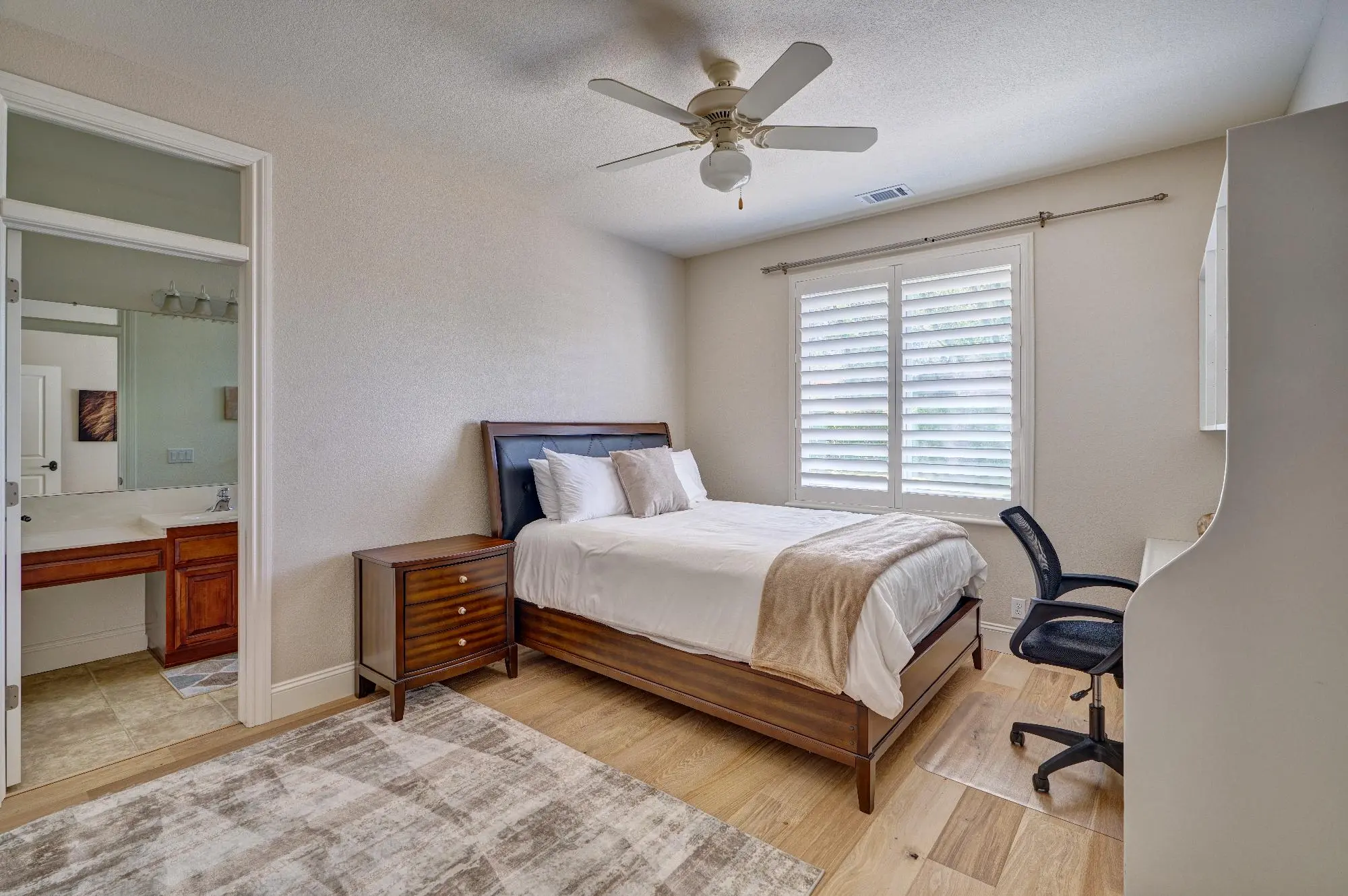
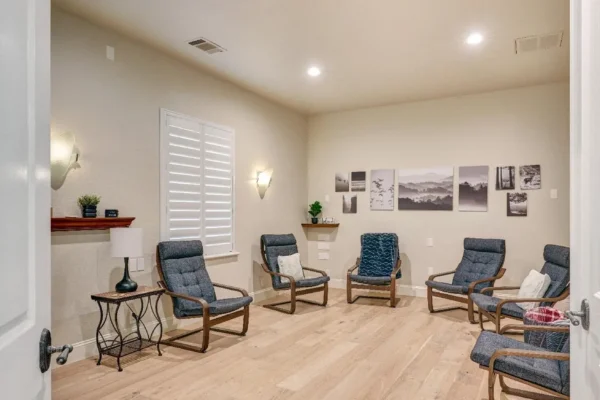
Located near Roseville in South Placer County, Pathways’ men’s residence is designed to feel polished, peaceful and welcoming. Comfortable bedrooms, thoughtfully furnished common areas, inviting indoor and outdoor gathering spaces, and a well appointed kitchen and dining area create a residential experience that feels personal rather than institutional.
A swimming pool and heated spa provide space for restorative downtime when permitted by the daily schedule and clinical or safety guidance. These amenities, along with the property’s outdoor areas and carefully considered interiors, give clients room to rest, reflect and reconnect with their physical well being between treatment activities.
The setting is part of the experience, but it is not presented as the treatment itself. Refined surroundings support treatment by helping clients feel comfortable, respected and able to focus on the clinical work in front of them. Current room arrangements and amenity access should be confirmed with admissions because availability, weather, schedule and program details can change.
What to Expect
1. A Confidential Conversation
Admissions begins by listening. You can share what has been happening, ask questions about the program and discuss practical concerns. This conversation helps determine what information is needed for a clinical fit and level of care review.
2. Assessment and the Right Starting Point
The team reviews substance use, withdrawal risk, medical and psychiatric history, current medications, safety concerns, previous treatment and living circumstances. Some people may need medical detox or another level of care before residential treatment. Others may be appropriate to begin residential or outpatient care.
3. A Personalized Treatment Plan
If the program is an appropriate fit, the clinical team develops a plan around your current needs and recovery goals. The plan is reviewed as your symptoms, participation, progress and continuing care needs become clearer.
4. A Structured Day
Residential treatment generally includes a consistent rhythm of clinical programming, recovery education, individual work, group participation, meals, wellness activities and time to rest or reflect. The exact schedule can change.
5. A Thoughtful Transition
Residential care is one part of recovery. Before discharge, continuing care planning may include intensive outpatient treatment, individual therapy, psychiatric or medication follow up, mutual help or peer support and other community resources based on clinical fit and where you will be living.
Medical Detox May Come Before Residential Treatment
Stopping alcohol, benzodiazepines and some other substances can involve serious medical risk. Opioid withdrawal and polysubstance use can also require careful assessment and support. Do not try to determine a safe withdrawal plan from a webpage.
Pathways provides medical detox at a separate program in Roseville. If detox is clinically appropriate, admissions can explain how stabilization may connect with residential or another next level of care. Completing detox is an important beginning, but it is generally not a substitute for the therapeutic work and continuing support involved in recovery.
How Long Does Men's Residential Treatment Last?
There is no single appropriate length of stay for every client. The recommendation may be influenced by withdrawal and medical history, substance use severity, co-occurring mental health needs, progress in treatment, home environment, previous relapse, continuing care options, insurance authorization and financial considerations.
Admissions can explain the program structure, while the clinical team reviews progress and recommends next steps. Avoid choosing a program based only on a promised number of days; ask how treatment is individualized and how transitions are planned.
Insurance Coverage for Men's Residential Treatment
Coverage depends on the specific plan, network status, benefits, medical necessity and authorization requirements. Pathways can verify benefits and explain the information received from the insurer, but verification is not a guarantee of coverage or payment.
If your plan does not cover residential treatment or you do not have insurance, call our admissions team to discuss self pay options and financing.
Addictions and Co-Occurring Concerns We Evaluate
Pathways evaluates adults seeking care for alcohol or drug use and related mental health concerns. Program fit depends on the individual’s medical, psychiatric and substance use needs not only the name of the substance.
- Alcohol use disorder
- Opioid use involving fentanyl, heroin or prescription pain medications
- Stimulant use involving cocaine, methamphetamine or prescription stimulants
- Benzodiazepine dependence or misuse
- Cannabis use disorder
- Polysubstance use
- Co-occurring anxiety, depression, trauma related symptoms and other mental health conditions within program scope
Medication assisted treatment, medication continuation and any required prescriber coordination should be discussed individually with admissions and the clinical team. Do not stop prescribed medication without guidance from the appropriate medical professional.
Serving Men From Sacramento, the Bay Area and Across Northern California
Pathways’ men’s residential program is located near Roseville in South Placer County. We serve men from the greater Sacramento region, the Bay Area and communities throughout Northern California. For some people, traveling creates helpful distance from routines, pressures, relationships or environments associated with substance use. For others, staying closer to home better supports family involvement and continuing care. Distance is not automatically therapeutic; the important question is whether the program, level of care and transition plan fit your needs. If you are considering traveling to Pathways, admissions can explain the current arrival process, what to bring and available transportation information before you make plans.
Pathways Recovery serves men across Northern California from a private residential home near Roseville, in South Placer County. Men admit from Roseville, Sacramento, Rocklin, Folsom, Auburn, and the greater Bay Area, and continuing care coordination can extend across the region as needed. Detox, when clinically appropriate, is delivered at our separate Roseville medical detox facility before residential care. IOP is available at our Roseville outpatient location. For men and families searching for men’s addiction treatment near Roseville, male drug rehab in the Sacramento area, men’s rehab for dads, or a treatment center in Northern California with residential capacity for co-occurring mental health concerns, the same clinical methodology applies regardless of where a man admits from.
Why Men Choose Pathways Recovery
Choosing residential treatment means trusting a program with your health during a vulnerable and important period. We believe that trust should be built through the quality and consistency of the experience not through dramatic promises.
Attentive Personal Care
A smaller residential community gives the team an opportunity to become familiar with the person behind the diagnosis and to respond when needs change.
Integrated Treatment
Substance use and co-occurring mental health concerns are considered together when they fall within program scope, rather than treating one while ignoring the other.
Privacy and Dignity
A private residential setting gives clients space to step away from daily pressures and engage in treatment without feeling reduced to a diagnosis.
A More Considered Residential Experience
Refined interiors, comfortable shared spaces, outdoor areas, a swimming pool and heated spa support rest, participation and honest work. These features elevate the treatment experience while remaining complementary to clinical care.
Planning Beyond Residential Care
The team considers what support will be needed after discharge and helps identify appropriate next steps rather than treating residential completion as the end of recovery.
For You or Someone You Love
If you are considering treatment for yourself, you may be wondering whether you can step away, whether people will understand your situation or whether you should be able to solve it alone. If you are calling for someone you love, you may be trying to help without knowing what to say or what level of care is appropriate.
You do not need to have the diagnosis, plan or perfect words before you call. Admissions can listen, answer practical questions and explain what an assessment may involve. Reaching out for information is not a commitment to enter treatment.
Frequently Asked Questions About Men's Residential Treatment
It is treatment delivered in a male residential community, with clinical work that can address themes relevant to the individual men participating. It should not assume that all men share the same history, emotions or treatment needs. At Pathways, care is individualized within a gender-specific setting.
There is no single setting that is best for everyone. Some men find an all-male community helps them focus, speak honestly and build peer connection. The right program should be based on clinical needs, safety, personal fit and the quality of care not gender alone.
The private men’s residence is located near Roseville in South Placer County. Pathways’ medical detox and intensive outpatient services are separate programs based in Roseville. Admissions can provide the address and arrival instructions after confirming program fit.
Pathways is designed to offer a smaller residential experience with personal attention. Ask admissions for the current licensed capacity and census, which can change. The number of residents is also different from the number of people who may participate in a particular therapy group.
Not everyone does. The right starting point depends on the substances used, pattern and recency of use, prior withdrawal, medications, medical history and current symptoms. Alcohol and benzodiazepine withdrawal can be dangerous. Admissions and the clinical team can help determine whether Pathways’ Roseville medical detox or another level of care should come first.
Pathways provides dual-diagnosis care for substance use and co-occurring mental-health concerns that fall within program scope. Assessment helps determine whether the program can safely and appropriately meet the person’s needs or whether another setting or additional coordination is indicated.
Treatment may include individual and group therapy, CBT, DBT-informed skills, motivational interviewing, relapse-prevention work and Brainspotting or other trauma-informed approaches when clinically appropriate and currently offered. The plan should be individualized; not every client receives every modality.
Residential treatment requires meaningful participation and may require stepping away from work and other responsibilities. Current phone, computer, communication and scheduling policies should be confirmed with admissions. Pathways should not promise that every client can work during residential care.
Length is individualized rather than guaranteed. Clinical needs, progress, home environment, continuing-care plans, insurance authorization and financial considerations may all affect the recommendation. Ask how the team reviews progress and plans transitions.
Coverage depends on the specific plan, network status, benefits, medical necessity and authorization requirements. Pathways can verify benefits and explain the information received from the insurer, but verification is not a guarantee of coverage or payment.
Family or support-person involvement may be clinically helpful for some clients, but availability, timing, consent and boundaries vary. Ask admissions about the current family program, visitation policies and how confidentiality is protected.
Continuing care is planned around progress and needs. Depending on clinical fit, next steps may include Pathways’ Roseville IOP, individual therapy, psychiatric or medication follow-up, peer-support options and other community resources.
The residence includes comfortable bedrooms and common areas, inviting indoor and outdoor gathering spaces, a swimming pool and a heated spa. Amenity use is secondary to treatment and may depend on the daily schedule, weather, clinical considerations and safety guidance. Ask admissions for current details.
Yes. Pathways serves men from throughout Northern California. Admissions can explain the South Placer County program location, current arrival process, what to bring and available transportation information. A plan for continuing care near home should be part of the discussion.
No. If substance use is taking more effort to manage, affecting health or relationships, interfering with responsibilities or making you concerned about what comes next, you can ask about treatment before a major crisis or loss.
You Do Not Have to Lose Everything Before Asking for Help
Asking for help does not erase your strength, responsibilities or identity. It can be a way of protecting the life and relationships that matter to you before substance use takes more from them.
When you call, you do not need to know exactly what level of care you need. Tell us what has been happening. Ask the questions that are making you hesitate. We can explain the next step and help determine whether Pathways may be an appropriate fit.
You deserve to feel cared for not processed.

Information on this page is educational. It is not a diagnosis, a treatment recommendation for any individual, a medication decision, or a guarantee of coverage, authorization, admission, or clinical outcome.
