

Virtual outpatient treatment delivers therapy, medication management, and peer support through secure video, phone, and online platforms. You’ll find a continuum of care that ranges in intensity, from standard outpatient (1, 5 hours weekly) to intensive outpatient (9, 12 hours) and partial hospitalization (20, 30 hours). An initial assessment matches you to the right level based on your symptoms, recovery stage, and daily needs. You can move between levels as you progress. Here’s how each level works.
Key Takeaways
- Virtual outpatient treatment delivers therapy, group sessions, medication management, and peer support through secure video, telephone, or online platforms.
- Online care spans a continuum from standard outpatient to partial hospitalization, varying in weekly intensity and structure.
- Standard outpatient offers 1, 5 hours weekly, while intensive outpatient (IOP) provides 9, 12 hours across 3, 5 days.
- Virtual PHP delivers 20, 30 hours weekly for short-term stabilization, offering fuller structure than IOP for higher clinical needs.
- An initial clinical assessment guides placement, allowing movement between levels as symptoms, stability, and daily functioning change.
What is virtual outpatient treatment
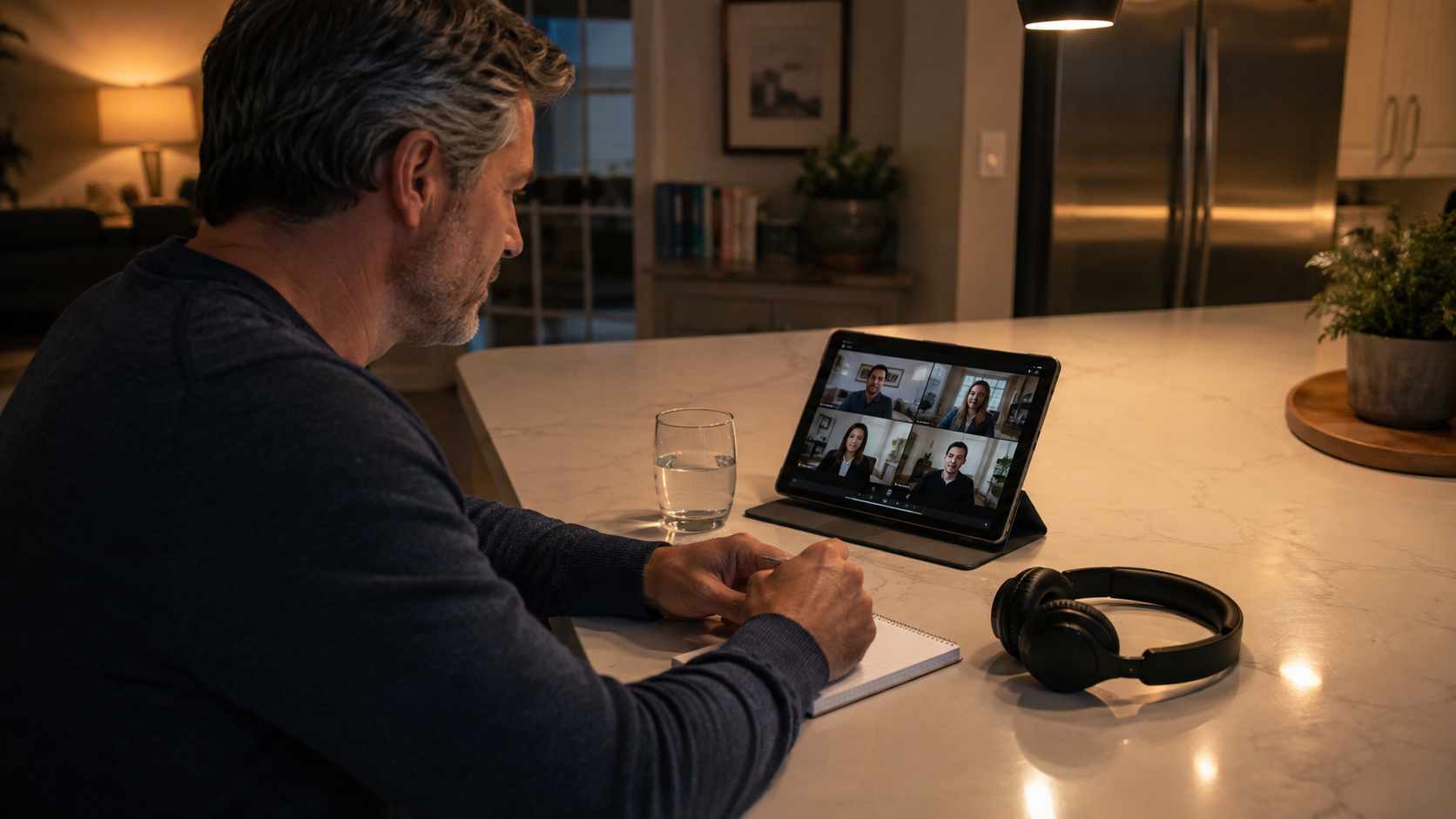
Virtual outpatient treatment is structured substance use care you receive through secure video, telephone, or online platforms rather than in-person visits. It fits within the outpatient-to-IOP range of ASAM’s continuum of care, so it’s designed for people who don’t need round-the-clock supervision but still benefit from consistent clinical support. Your program may include individual therapy, group sessions, medication management, medical monitoring, peer support, and regular check-ins, all adjusted to your clinical needs. An initial assessment helps determine the right level based on your symptoms, recovery stage, and support system. Research shows virtual outpatient care can be a feasible alternative to in-person treatment, with similar abstinence and well-being outcomes, while offering flexibility if you’re balancing work, school, or family. When exploring therapy options, watch for online therapy app red flags such as unverified credentials, unclear privacy policies, or poor communication. Choosing a platform that follows safety standards and relevant regulations can help protect your well-being.
How the online levels of care fit together
The online levels of care fit together as a continuum, ranging in intensity based on your needs. Standard outpatient care, typically 1, 5 hours weekly, suits you if you’re stable or further along in recovery. If you need more support, an intensive outpatient program (IOP) offers 9, 12 hours weekly through structured group and individual sessions. When symptoms interfere more with daily functioning, a partial hospitalization program (PHP) provides 20, 30 hours weekly for short-term stabilization.
You won’t stay locked into one level. As you progress, you’ll step down toward less intensive care, or step up if you need more. Your initial assessment determines where you’ll start.
What separates virtual PHP from virtual IOP

Virtual PHP and virtual IOP differ most in intensity. Virtual IOP typically runs about 9, 12 hours per week, often across 3, 5 days, giving you structured support while leaving room for work, school, or family. Virtual PHP asks more of your time, usually 20, 30 hours per week across 5, 7 days, with some programs running roughly 5 hours daily on weekdays.
That difference reflects clinical need. If your symptoms interfere with daily functioning and you need short-term stabilization, PHP offers that fuller structure, sometimes as an alternative to inpatient care or a step-down from residential treatment. If you need more support than standard outpatient care but not that daily intensity, IOP likely fits better. Your initial assessment helps match the right level to where you are.
How outpatient differs from intensive outpatient
Standard outpatient and intensive outpatient differ mainly in how much time and structure they ask of you. Standard outpatient care usually involves about 1, 5 hours per week, centered on individual therapy, check-ins, and ongoing support rather than daily programming. It fits you if you have more stability and less need for close monitoring, often when you’re further along in recovery or building a routine around work, school, or family.
Intensive outpatient asks more of you, commonly 9, 12 hours per week across several days. You’ll take part in group therapy, individual counseling, psychiatric support, and skill-building. IOP suits you when you need more support than standard outpatient offers, or when you’re stepping down from inpatient or residential treatment, without requiring 24-hour supervision.
How the virtual levels compare

The three virtual levels differ in weekly intensity, structure, and typical fit, which makes it easier to see where you might land after your initial assessment.
| Level | Weekly Hours | Best Fit |
|---|---|---|
| Standard Outpatient | 1, 5 hours | Stability, later recovery |
| Virtual IOP | 9, 12 hours | More support, stepping down |
| Virtual PHP | 20, 30 hours | Daily functioning affected |
As you move up the continuum, the hours and structure increase, matching greater clinical need. Standard outpatient suits you when you’re building stability, while PHP offers near-daily support for short-term stabilization. Your care team adjusts these levels to your symptoms, recovery stage, and support system.
How you move between levels of care
You move between levels of care based on your changing needs, shifting up or down as your recovery progresses. It starts with an initial clinical assessment that considers your symptoms, recovery stage, and support needs. From there, your care team selects the level that fits, whether that’s standard outpatient, IOP, or PHP. As you move toward greater independence, virtual step down care can provide continued support and guidance. Remote care helps you stay connected with your treatment team while adjusting to a less intensive level of care.
As you build stability, you might step down from PHP to IOP, then to standard outpatient care with fewer weekly hours. If you’re leaving inpatient or residential treatment, IOP often serves as your next step. Should your symptoms intensify, you can step up to more structured support.
Because treatment plans are individualized, your team adjusts therapy, group, and medical sessions to your clinical need, so your care reflects where you actually are in recovery. Subscription therapy vs treatment program can influence your recovery progress. Understanding the differences and choosing care that matches your goals can help you stay engaged and take an active role in your healing.
How to find the right virtual level for you
The right virtual level starts with an honest look at where you are in recovery. An initial clinical assessment considers your symptoms, recovery stage, and support needs, then matches you to the level that fits. Standard outpatient care suits stability, IOP offers more structure, and PHP provides full-day support for symptoms that disrupt daily functioning. Understanding the virtual outpatient level can make recovery easier to manage. It offers flexible, structured support while helping individuals stay engaged and maintain progress.
Consider these factors as you choose:
- Recovery stage: Whether you’re engaging, stabilizing, or maintaining progress
- Symptom severity: How much your symptoms interfere with daily life
- Support system: Whether you have stable housing and reliable people around you
- Daily obligations: Balancing work, school, or family responsibilities
- Monitoring needs: How much clinical oversight keeps you safe
Talk with your provider to confirm the best fit.
Which Online Level Fits You? One Call Makes It Clear.
Virtual care isn’t one-size-fits-all, the right level depends on how much structure you actually need to stay steady. Pathways Recovery in Roseville helps you sort that out, matching you to the fit from a full virtual IOP to an evening track that works around your day.
Call (916) 735-8377 now, answered 24/7, or verify your insurance. Private and confidential.
Frequently Asked Questions
Does insurance cover virtual outpatient treatment for substance use disorders?
Often, yes. Many insurers now reimburse telehealth-based behavioral health care at the same outpatient, IOP, and PHP levels they cover in person. What you’re covered for depends on your plan, provider, and state, along with medical necessity and any authorization requirements. Verify directly with your insurer or the treatment program, which can confirm what applies to therapy, group sessions, medication management, and any out-of-pocket costs. Reaching out early helps you plan your care with confidence.
Can I use my smartphone for virtual outpatient sessions?
Yes. These services run through secure video, telephone, or online platforms, so a smartphone works well for therapy, group sessions, check-ins, and medication management. You’ll want a stable internet connection and a private, comfortable space where you feel safe talking openly. If you’re balancing work, school, or family, a smartphone offers flexible access to the support you need.
Is virtual outpatient treatment confidential and HIPAA-compliant?
Yes, it’s designed to be. You’ll connect through secure video, telephone, or encrypted online platforms that protect your privacy and personal health information. Your sessions, group participation, and medical details stay protected, just as they would during in-person care. To support that confidentiality on your end, join from a private, quiet space where you feel safe sharing openly with your clinical team.
Can I receive medication management through virtual outpatient care?
Yes. Many programs include medication management alongside therapy, peer support, medical monitoring, and regular check-ins. Your treatment team can adjust your medication plan to fit your clinical needs, delivering that support through secure video, telephone, or online platforms. It makes staying engaged easier while you balance work, school, or family, with individualized attention focused on your recovery.
What technology or internet speed do I need to participate?
A device with a camera and microphone, whether a smartphone, tablet, or computer, plus an internet connection strong enough to support video calls. Care is delivered through secure video, telephone, or online platforms, so you have flexibility in how you connect. If your connection struggles with video, telephone options can work for check-ins or support. Your program can help you find what fits your setup.