

If you’re struggling with anxiety that weekly therapy can’t fully address, a virtual IOP might help. You’ll access multiple structured sessions each week from home, combining evidence-based approaches like CBT and ERP with psychiatric medication management. When anxiety and substance use feed each other, integrated care treats both together, rather than in isolation. You’ll also get group therapy, family counseling, and skills training. Understanding how it all works can help you decide your next step.
Key Takeaways
- Virtual IOP treats anxiety disorders including generalized anxiety, panic, social anxiety, OCD, and PTSD through secure video sessions using evidence-based methods.
- Treatment combines CBT to reshape anxious thoughts with exposure-based interventions like ERP to reduce avoidance and build distress tolerance.
- Integrated care addresses co-occurring substance use disorders, treating both conditions together since they often reinforce each other and increase relapse risk.
- Structured weekly sessions blend group therapy, individual counseling, family involvement, psychoeducation, and skills training while maintaining daily functioning from home.
- Ideal when weekly therapy is insufficient or as a step-down from residential care; begin with an intake evaluation to confirm fit.
Can virtual IOP treat anxiety and co-occurring disorders

Virtual IOP can effectively treat anxiety and co-occurring disorders through structured, evidence-based care delivered over secure video sessions. If you’re struggling with generalized anxiety, panic disorder, social anxiety, OCD, or PTSD, you’ll receive treatment built on proven modalities like CBT and exposure-based interventions, including ERP. When a substance use disorder accompanies your anxiety, integrated care addresses both conditions together rather than separately, often combining psychiatric medication management with targeted psychotherapy.
You’ll participate from home while maintaining your daily responsibilities, joining group therapy, individual sessions, family counseling, and skills training. This level of care suits you if you need more support than weekly therapy but don’t require 24-hour supervision. It’s designed for people who are safe for outpatient treatment while facing significant functional impairment.
How anxiety is treated in an online program
Online anxiety treatment uses evidence-based approaches like cognitive behavioral therapy (CBT), which helps you identify and reshape the thought patterns driving your symptoms. You’ll also engage in exposure-based interventions, including exposure and response prevention (ERP) for OCD and anxiety, gradually facing what you’ve avoided in a structured, supported way.
Your treatment typically combines group therapy, individual sessions, family counseling, psychoeducation, and skills training. Each part targets a different piece of how anxiety affects your daily life. Because these sessions follow curricula similar to in-person care, you get the same clinical depth while participating from home, school, or work, preserving your daily functioning throughout.
Why co-occurring conditions need integrated care

Co-occurring conditions need integrated care because treating one while ignoring the other rarely works. Anxiety and a substance use disorder feed each other. Anxiety can drive substance use, and substance use can intensify anxiety. That’s why co-occurring disorders call for integrated care, where a single team addresses both conditions together rather than in isolation.
In a virtual IOP, integrated treatment combines psychiatric medication management with psychotherapy that targets how your symptoms interact. You’ll work on the stress, trauma, emotional dysregulation, or burnout underlying both conditions, instead of chasing them separately. Understanding what virtual IOP treats can help you find the right support for your mental health needs. Addressing emotional and psychological challenges can build stronger coping skills and support lasting recovery.
This approach matters because untreated substance use can undermine anxiety treatment, and untreated anxiety can fuel relapse. By treating them at once, you’ll build coordinated, lasting progress across both diagnoses.
What therapies address anxiety virtually
Several evidence-based therapies address anxiety virtually, and they translate well to a video setting. You’ll likely start with cognitive behavioral therapy (CBT), which helps you identify and reshape the thought patterns fueling your anxiety. If you’re managing OCD or severe anxiety, you’ll often add exposure-based interventions, including exposure and response prevention (ERP), which gradually reduce avoidance and build tolerance for distress.
You’ll practice these skills across group therapy, individual sessions, and psychoeducation, so you can apply them in real time at home, school, or work. Family counseling can involve the people who support you, strengthening your progress between sessions.
Because these modalities are structured and skills-focused, they adapt naturally to secure video, giving you the same clinical rigor you’d expect in person.
How single and co-occurring treatment compare
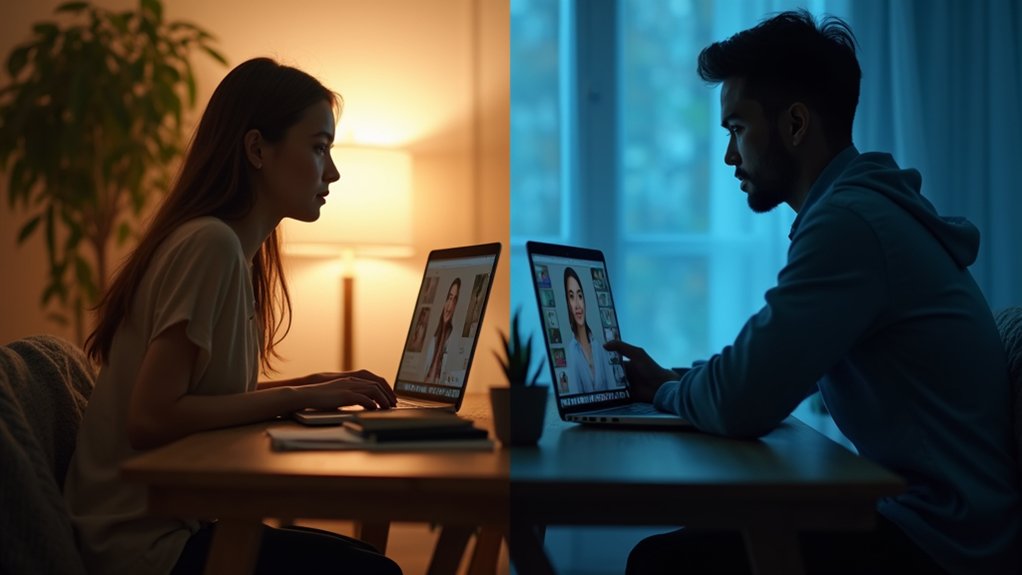
Treatment changes based on whether anxiety appears alone or alongside a substance use disorder. When anxiety stands alone, your care centers on CBT and exposure-based work like ERP, targeting worry, panic, or avoidance directly. When a substance use disorder co-occurs, you’ll need integrated care that treats both conditions together, since each can worsen the other.
| Single Anxiety Focus | Co-Occurring Focus |
|---|---|
| CBT and ERP for symptoms | Integrated care for both conditions |
| Skills and psychoeducation | Adds relapse prevention |
| Optional medication | Coordinated medication management |
| Targets one condition | Targets interactions between conditions |
You’ll find co-occurring treatment addresses how anxiety fuels substance use and vice versa, helping you manage stress, trauma, and dysregulation without treating either problem in isolation.
When anxiety needs more than weekly therapy
Virtual IOP delivers multiple structured sessions weekly from your home when weekly therapy isn’t enough to keep anxiety from disrupting your daily life. When symptoms significantly impair how you function at work, school, or home, you may need a higher level of care than a single session each week provides. Virtual IOP for depression can provide flexible support tailored to individual needs. It allows people to connect with mental health professionals from the comfort of home.
If you’re dealing with generalized anxiety, panic disorder, social anxiety, OCD, or PTSD, virtual IOP uses evidence-based approaches like CBT and exposure-based interventions, including ERP. These modalities target your symptoms directly and consistently.
You might also consider virtual IOP as a step-down from residential or partial hospitalization care. Either way, it’s designed for you if you’re safe for outpatient treatment and don’t require 24-hour supervision. When seeking the right support, choose best virtual IOP that fits your needs and schedule. Flexible programs can connect you with experienced professionals while helping you maintain progress in daily life.
How to start virtual IOP for anxiety
To start virtual IOP for anxiety, schedule an intake evaluation, where a clinician reviews your symptoms, history, and any co-occurring conditions like substance use. You’ll discuss whether you’re stepping up from weekly therapy or stepping down from residential care. Virtual IOP for substance use can help people manage recovery while keeping up with daily responsibilities. Group sessions, educational resources, and peer support can provide practical coping strategies and encouragement.
It helps to confirm that virtual IOP fits your situation. This level of care works best when you’re safe for outpatient treatment and don’t need 24-hour supervision. Programs typically exclude active self-harm, suicidal ideation, or unstable medical status, so an honest assessment matters.
Confirm the logistics that affect follow-through: weekly hours, session times, and how the schedule fits your work, school, or family life. Check that the platform’s HIPAA-compliant and that you have a private space to participate consistently from home.
When Anxiety and Substance Use Feed Each Other, Treat Both.
Drinking or using to quiet anxiety only tightens the loop, which is why treating one without the other rarely holds. Pathways Recovery in Roseville runs dual diagnosis care that works both sides at once, delivered through a virtual IOP you can attend from home.
Call (916) 735-8377 now, answered 24/7, or verify your insurance. Private and confidential.
Frequently Asked Questions
Does insurance typically cover virtual IOP for anxiety treatment?
Often, yes. Many insurers cover intensive outpatient treatment for anxiety and co-occurring conditions, including telehealth-delivered care, though coverage depends on your plan, provider, and state. Out of pocket, program pricing varies widely, often ranging from about $250 to $1,000 per week. To get a clear answer, contact your insurer and the specific program directly. They can verify your benefits and explain any costs you’d face before you enroll.
What technology or equipment do I need for virtual IOP?
A device with a camera and microphone, whether a computer, tablet, or smartphone, plus a stable internet connection. Since sessions run through live, secure, HIPAA-compliant video, you’ll also want a private, quiet space where you can take part comfortably from home, school, or work. Headphones help protect your privacy during group and individual therapy. That’s really all you need to engage fully and safely.
Can I participate in virtual IOP from another state?
It depends on where your provider’s clinicians are licensed. Because therapists and psychiatrists typically must be licensed in the state where you’re physically located during sessions, confirm your program can legally treat you across state lines. If you’re traveling or relocating, ask upfront. Virtual IOP expands access from home, school, or work, but licensing rules still apply, so checking your eligibility early prevents interruptions in your care.
How long does a typical virtual IOP program last?
Most last several weeks to a few months, depending on your needs and progress. You’ll often attend multiple sessions a week, with total care ranging from about 9 to 20 hours. One program might offer three 3-hour group meetings plus weekly individual therapy, while another provides three hours daily, Monday through Friday, over several months. Your schedule can usually flex around work, school, and family.
Are prescription medications managed during virtual IOP treatment?
Yes, you can receive medication management during virtual IOP. Many programs combine psychiatric medication management with psychotherapy, especially for co-occurring disorders, so your care team can target how your conditions interact rather than treating them separately. You’ll often work with a prescriber alongside your therapy, so your medication and your evidence-based treatment, such as CBT or ERP, work together to support your recovery and daily functioning.