

When you stop smoking weed, your brain immediately begins recalibrating to THC’s absence. Within hours, you’ll likely experience irritability, anxiety, and sleep disruptions. Physical symptoms like headaches, decreased appetite, and sweating typically peak between days 2-6. Psychological effects, including mood swings and intense cravings, can persist for several weeks as your endocannabinoid system rebalances. Complete recovery requires strategic symptom management, proper nutrition, and addressing sleep disturbances that may continue for 30-45 days. Understanding each phase helps you navigate the full timeline ahead.
Quitting weed is easier at day 1 than at day 5.
Insomnia, irritability, and cravings usually peak later than most people expect. Structured cannabis treatment can shorten the worst window.
The First 24 Hours After Your Last Joint

The first 24 hours after your last joint mark the beginning of your body’s recalibration process. Your initial adjustments start immediately as your brain responds to THC’s absence. You’ll likely notice immediate reactions including irritability, anxiety, and restlessness emerging within hours.
Your brain begins recalibrating within hours of your last joint, expect irritability, anxiety, and restlessness as withdrawal takes hold.
Sleep disruptions often appear first. You may struggle to fall asleep or stay asleep as your body adapts. Headaches, sweating, and decreased appetite commonly surface during this window.
Cravings typically intensify quickly, making relapse risk significant. You might experience mood swings and nervousness as psychological symptoms develop alongside physical ones. Those who began using marijuana as teens face a higher likelihood of experiencing more intense withdrawal symptoms.
Understanding these changes helps you prepare. Your body has begun excreting THC, and while symptoms will peak around day three, recognizing what’s happening empowers you to manage this critical initial phase effectively. These withdrawal symptoms occur because your endocannabinoid system is disrupted when regular cannabis use abruptly stops.
Physical Symptoms Your Body Experiences During Withdrawal
Beyond those initial 24 hours, your body enters a more intense phase of physical withdrawal that affects multiple systems simultaneously. Your symptoms typically peak between days 3-7 as THC clears from your system.
Key physical symptoms you’ll experience:
- Headaches and pain, emerge within 24-48 hours and intensify during peak withdrawal
- Nausea and vomiting, stomach upset begins early, with vomiting possible around day 3
- Appetite and weight loss, decreased hunger leads to measurable weight reduction during the acute phase
- Excessive sweating and chills, temperature dysregulation peaks in the first week
- Fatigue and sleep disturbances, extreme tiredness compounds as sleep quality deteriorates
Most physical symptoms taper after 10-14 days. You’ll notice significant improvement by week 2, with residual fatigue potentially lasting 2-4 weeks. Research shows that more than half of medical cannabis users experience withdrawal symptoms during this process. During the subacute phase, practicing self-care through proper hydration and balanced nutrition can help your body heal more effectively.
Psychological Changes That Hit During the First Week
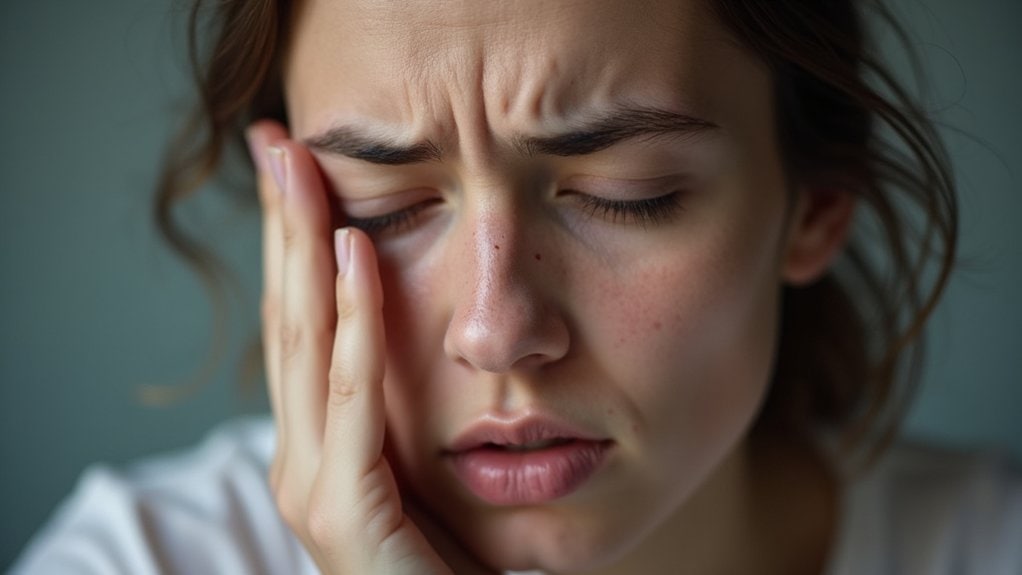
While your body battles physical withdrawal symptoms, your mind simultaneously enters its own challenging adjustment period. Within the first 24 hours, you’ll likely notice increased irritability, restlessness, and intense cravings that can drive relapse risk.
Anxiety and nervousness typically emerge within 24-72 hours, peaking during days one through three. Emotional instability becomes pronounced as mood swings appear immediately after cessation, while depressed mood often develops around day three. Aggression and anger intensify between days two and six.
Research indicates you need at least three symptoms, including irritability or aggression, for clinical diagnosis. Developing effective coping techniques early proves essential since psychological symptoms can persist up to five weeks, significantly longer than physical discomfort. Females may experience more severe symptom presentation during this phase.
Why Sleep Becomes Your Biggest Challenge
When you stop smoking weed, your sleep architecture undergoes measurable disruption, up to 76% of heavy users experience disturbed sleep upon abrupt discontinuation. You’ll likely struggle to fall asleep (affecting 41.5% of people in withdrawal) while vivid, unsettling dreams emerge as your REM sleep rebounds, typically peaking around 1.5 days after quitting. Research shows that heavy marijuana users demonstrate less slow wave sleep and lower total sleep times compared to drug-free controls during the discontinuation period. These sleep disturbances persist far longer than most other withdrawal symptoms, with insomnia averaging 43 days and deep sleep deficits potentially requiring more than 6 months to fully normalize. This challenge is significant because approximately 77% of adults with problematic cannabis use resume or increase use specifically to alleviate these sleep disturbances.
Insomnia Hits Early
Insomnia hits hard and fast, often within 24 to 72 hours after your last use. Your withdrawal timeline varies based on consumption patterns, but sleep disturbances typically peak during the first week of cessation. While most withdrawal symptoms resolve within two weeks, insomnia often persists longer, sometimes extending several months without intervention.
Key sleep quality factors during withdrawal:
- REM rebound disrupts your normal sleep architecture after THC suppression ends
- Elevated cortisol and adrenaline create hypervigilance incompatible with rest
- Physical symptoms like sweating, tremors, and nausea actively prevent sleep
- Rebound anxiety intensifies during nighttime hours
- Your nervous system remains hyperaroused without marijuana’s depressant effects
Understanding these mechanisms helps you anticipate challenges and implement targeted strategies for recovery. Addressing sleep issues is critical because sleep deprivation can elevate your risk of serious health complications including high blood pressure, heart disease, and increased likelihood of accidents. Treatment approaches like CBT-I can help by reframing the thoughts and behaviors that interfere with healthy sleep patterns during withdrawal.
Dreams Turn Unsettling
The sleep disruptions you experience during withdrawal extend beyond simple restlessness, your dreams often take an unsettling turn that catches many former users off guard. Cannabis suppresses REM sleep during active use, so when you stop, your brain compensates with REM rebound. This REM sleep volatility triggers vivid, intense dreams that 67, 73% of adults report during quit attempts.
| Symptom | During Use | During Withdrawal |
|---|---|---|
| REM Sleep | Suppressed | Surges dramatically |
| Dream Intensity | Minimal | Vivid and disturbing |
| Sleep Efficiency | Maintained | Below 0.85 threshold |
These nightmare disturbances stem from increased REM density and reduced REM latency. Research confirms polysomnography findings showing architectural sleep changes persist longer than other withdrawal symptoms. Without intervention, disturbing dreams can fuel relapse as you seek relief from nightly distress. Studies show that extended-release zolpidem can attenuate these sleep architecture disruptions and normalize sleep efficiency during cannabis abstinence. These sleep disturbances typically begin within 24-48 hours of stopping marijuana use and tend to peak around the third day of abstinence.
Recovery Takes Weeks
Although most cannabis withdrawal symptoms resolve within two weeks, sleep disturbances stand apart as the most persistent challenge you’ll face during recovery. Your sleep patterns won’t normalize quickly, research shows insomnia can persist for 30-45 days, with some individuals experiencing disrupted sleep quality for up to 43 days.
Key factors affecting your sleep recovery timeline:
- Peak insomnia intensity occurs between days 2-6, when 46-61% of people report difficulty falling asleep
- Heavy users experience sleep problems lasting 3 weeks or longer
- Sleep issues drive 11% of relapses during recovery
- Post-acute withdrawal syndrome can extend disruptions for months
- Psychological symptoms like anxiety prolong poor sleep quality up to 5 weeks
Understanding this timeline helps you prepare mentally and seek appropriate interventions early in your recovery process.
Peak Withdrawal Intensity and What to Expect Days 2-7
Once you’ve passed the initial 24-hour mark, your body enters the most challenging phase of cannabis withdrawal. The severity of symptoms typically peaks between days 2-6, with day 3 often representing maximum intensity for many individuals.
| Day | Physical Symptoms | Psychological Symptoms |
|---|---|---|
| 2-3 | Insomnia, sweating, headaches | Irritability, intense cravings |
| 4-5 | Appetite loss, chills | Anxiety, depression onset |
| 6-7 | Fatigue, physical tapering | Mood swings, persistent cravings |
Your physical discomfort generally decreases by day 4, while psychological effects intensify throughout week one. Effective management during peak withdrawal requires recognizing that up to 30% of regular users experience these symptoms. You’ll likely notice significant improvement after day 7, though chronic heavy users may experience prolonged effects. If you experience severe symptoms during this peak period, professional treatment and detox services can provide the necessary support to help you through the most difficult days. When researching recovery resources online, you may occasionally encounter security service blocks that require you to contact the site owner with details about your access attempt to resolve the issue.
How Long-Term Use Affects Your Recovery Timeline
Several factors determine how quickly your body recovers from cannabis use, with duration and intensity of prior consumption playing the most substantial roles. Heavy users store more THC in fat cells, creating extended detoxification periods lasting up to three months. The effects of marijuana on metabolic processes vary based on your genetics and overall health.
Understanding protracted withdrawal symptoms duration helps you prepare for recovery:
- Chronic users experience withdrawal symptoms persisting three weeks or longer
- Sleep disturbances may continue up to one year post-cessation
- Brain receptor normalization requires approximately one month
- Psychological symptoms can extend five weeks beyond initial withdrawal
- Long-term smokers may face permanent lung damage despite recovery
Your individual physiology profoundly influences your unique recovery timeline. A strong support network can positively influence your detox process and help accelerate your journey toward complete recovery.
Residential Cannabis Treatment in Roseville, CA
Small-house residential, gender-specific programs, 24-hour clinical staff, and dual diagnosis care for the anxiety and sleep issues that surface after quitting.
Kaiser • Aetna • Cigna • Anthem • BCBS accepted
Managing Cravings When They Feel Overwhelming
When cravings strike with full intensity, typically peaking between days two and six of cessation, you’ll need practical strategies to navigate these challenging moments without relapsing.
Deep breathing exercises can interrupt acute cravings within one to three minutes, while mindfulness techniques reduce intensity by grounding you in present sensations. Journaling helps you track patterns, revealing that most cravings last under 15 minutes.
Replacing behavioral routines proves essential for long-term success. Remove paraphernalia from your environment and substitute healthy distractions like hobbies during peak craving windows. Maintaining emotional regulation requires structured daily routines, 30 minutes of exercise, and adequate sleep hygiene.
If cravings become unmanageable, SAMHSA’s 24/7 helpline provides confidential support. Group meetings offer accountability through shared experiences, while outpatient therapy addresses intensified psychological symptoms during this critical first week.
Post-Acute Withdrawal Syndrome and Extended Recovery
After the initial withdrawal phase passes, you may notice that certain symptoms persist for weeks or even months, this is post-acute withdrawal syndrome (PAWS), which affects a significant portion of regular cannabis users. Research shows that psychological symptoms like sleep difficulties, depressed mood, and anxiety can remain at moderate severity in up to 30% of people well beyond the acute phase, with some experiencing symptoms for more than a year. Understanding this extended recovery timeline helps you prepare for the long-term management strategies you’ll need to maintain your progress and prevent relapse.
Long-Term Symptom Management
The initial weeks of cannabis cessation represent just the beginning of your recovery journey. Psychological symptoms can persist from five weeks to over a year, requiring sustained management strategies. You’ll need to ponder medication considerations carefully, as certain treatments may help address prolonged anxiety, sleep disturbances, and mood changes. Additionally, supplement interactions warrant attention when combining any supportive therapies.
Key long-term management strategies:
- Monitor sleep quality, depressed mood, and anxiety, these affect 30% of individuals during extended recovery
- Recognize that younger adults face greater severity and quality-of-life impacts
- Avoid abrupt cessation when possible to reduce post-acute withdrawal syndrome intensity
- Address underlying mental health conditions that correlate with severe symptom profiles
- Understand that symptom relief from cannabis reintroduction drives relapse, develop alternative coping mechanisms
Extended Recovery Timeline
Beyond the initial weeks of acute withdrawal, you may encounter post-acute withdrawal syndrome (PAWS), a prolonged recovery phase that emerges once early symptoms subside. This extended timeline can persist for weeks, months, or occasionally longer, depending on your usage history and individual health factors.
During PAWS, you’ll likely experience lingering psychological symptoms including mood swings, anxiety, depression, and persistent cravings. Sleep disturbances, fatigue, and appetite changes may continue as physical manifestations. Heavy, prolonged marijuana use typically correlates with longer symptom duration.
Your endocannabinoid system requires time to regain balance without THC. Implementing consistent symptom management strategies helps navigate this phase effectively. Developing relapse prevention techniques proves essential, as cravings may resurface unexpectedly. Most individuals notice significant improvement after several weeks, though complete recovery timelines vary considerably among patients.
Proven Strategies to Support Your Body Through Detox
When you stop using cannabis, your body requires targeted nutritional support to navigate withdrawal effectively. Physical stabilization begins with strategic hydration and electrolyte replenishment during the first 48 hours when sweating and gastrointestinal symptoms emerge. Small, frequent nutrient-dense meals restore appetite while B-complex vitamins combat fatigue during peak withdrawal days.
Mental rejuvenation depends on consistent sleep hygiene protocols and stress management techniques. Here’s your evidence-based recovery framework:
- Prioritize magnesium and calcium intake to address insomnia and muscle tension lasting 1-4 weeks
- Maintain consistent sleep schedules as your endocannabinoid system rebalances during weeks 2-4
- Incorporate moderate cardiovascular activity to reduce anxiety emerging within 24-72 hours
- Practice mindfulness techniques to manage cravings peaking around day three
- Seek professional support when psychological symptoms intensify between days 4-10
Building a Supportive Environment for Complete Recovery
Your physical environment and social connections play critical roles in sustaining long-term recovery from marijuana use. You’ll want to design a living space that eliminates triggers while actively building relationships that reinforce your commitment to sobriety. Research consistently shows that combining a clean, supportive home environment with strong peer networks greatly improves your chances of complete recovery.
Creating Your Recovery Space
Although many people underestimate the power of their physical surroundings, research consistently shows that environmental factors markedly influence recovery outcomes from cannabis dependence. Your recovery space should eliminate all marijuana-related items and paraphernalia to prevent triggering cravings during vulnerable moments.
An organized home structure with consistent routines, including regular meals, exercise, and sleep schedules, reduces decision fatigue and anxiety. You’ll benefit from incorporating these evidence-based environmental modifications:
- Maximize natural light exposure to support emotional regulation and psychological stability
- Designate quiet reflection areas for processing recovery experiences
- Remove all substance-related items from your living environment
- Establish predictable daily patterns that provide foundational stability
- Create comfortable spaces that promote relaxation during detoxification
These intentional changes transform your environment into an active recovery tool.
Leveraging Social Support Networks
Beyond the physical space you’ve created, the people surrounding you during recovery play an equally powerful role in determining your success. Research shows that adding just one new recovery-focused relationship to your network reduces your relapse probability by a factor of five. Low emotional support correlates with 2.05 higher odds of cannabis use, while low tangible support increases those odds by 86%.
| Support Type | Impact on Recovery | Action Step |
|---|---|---|
| Abstinence-focused social networking | Predicts higher abstinence rates | Connect with sober individuals |
| Recovery-oriented social activities | Enhances coping skills | Join mutual help groups |
| Emotional support | Reduces cannabis use odds | Build trusted confidant relationships |
Prioritize decreasing contact with substance-supportive individuals while increasing connections with abstinent peers to strengthen your recovery foundation.
Your Body Can Heal After Quitting Weed With the Right Support
Quitting weed triggers real physical and emotional changes in your body, and understanding those changes is the first step toward full recovery. When drugs or alcohol take over your life, it feels scary, but Pathways Recovery Center in Sacramento can help with luxury drug rehab and alcohol rehab, plus addiction treatment designed for both men and women. Our intensive outpatient substance abuse treatment program is built to guide you through every stage of healing, with specialized Marijuana Addiction Treatment in Sacramento, CA and flexible evening IOP programs that fit around your daily routine. Call us today at (916) 545-8495 and take the first step toward a healthier and weed free life.
Ready When You Are
If quitting weed on your own has not stuck, verify your insurance.
Coverage check takes about 15 minutes by phone. Confidential and free. Kaiser HMO and most major commercial plans accepted.
Frequently Asked Questions
Can Secondhand Marijuana Smoke Trigger Withdrawal Symptoms in Non-Users Nearby?
No, passive secondhand exposure to environmental marijuana use won’t trigger withdrawal symptoms in you as a non-user. Withdrawal requires prior cannabis dependency, which you don’t have from simply being nearby. You might experience temporary side effects like anxiety, eye irritation, or headaches in poorly ventilated spaces, but these aren’t withdrawal, they’re acute reactions to smoke inhalation. True withdrawal symptoms only develop in regular users after they stop consuming cannabis directly.
Does Quitting Weed Affect My Tolerance to Alcohol or Other Substances?
When you quit weed, you may notice changes in your alcohol consumption patterns and how your body responds to other substances. Research on cross-tolerance effects between cannabis and alcohol remains limited, but your endocannabinoid system’s recalibration can temporarily alter how you process other substances. You should monitor your responses carefully and consult your healthcare provider before assuming your previous tolerance levels remain unchanged during recovery.
Will Stopping Marijuana Use Change How Prescription Medications Work in My Body?
Yes, stopping marijuana can greatly/considerably alter how your prescriptions work. Cannabis affects liver enzymes that metabolize many medications, so quitting may change drug levels in your blood. You’ll want to discuss potential medication interactions with your doctor, especially if you’re taking blood thinners, antidepressants, or opioids. Dosage adjustments may be necessary during the first few weeks of cessation to prevent toxicity or reduced effectiveness. Medical monitoring guarantees/verifies your prescriptions remain safe and effective.
Can Withdrawal Symptoms Differ Based on Whether I Smoked or Consumed Edibles?
Your withdrawal symptoms don’t markedly differ based on consumption method, whether you smoked or consumed edibles, you’ll experience similar symptoms because both deliver THC that creates dependence. What matters more is your frequency of use and the potency of products you’ve consumed. Daily users typically face more intense cravings, irritability, insomnia, and appetite changes regardless of how they ingested cannabis. Your body processes THC similarly once it’s absorbed.
Is It Safe to Quit Marijuana Cold Turkey While Pregnant or Breastfeeding?
You should quit marijuana immediately upon confirming pregnancy, as no safe usage levels exist. THC’s effects on fetus development include premature birth, low birth weight, and long-term behavioral problems. The impact on breast milk composition poses risks too, THC passes directly to your infant, potentially causing tremors, sleep issues, and cognitive deficits. While maternal withdrawal symptoms may occur, they’re manageable. Consult your healthcare provider for personalized support and contact SAMHSA’s helpline for additional resources.