
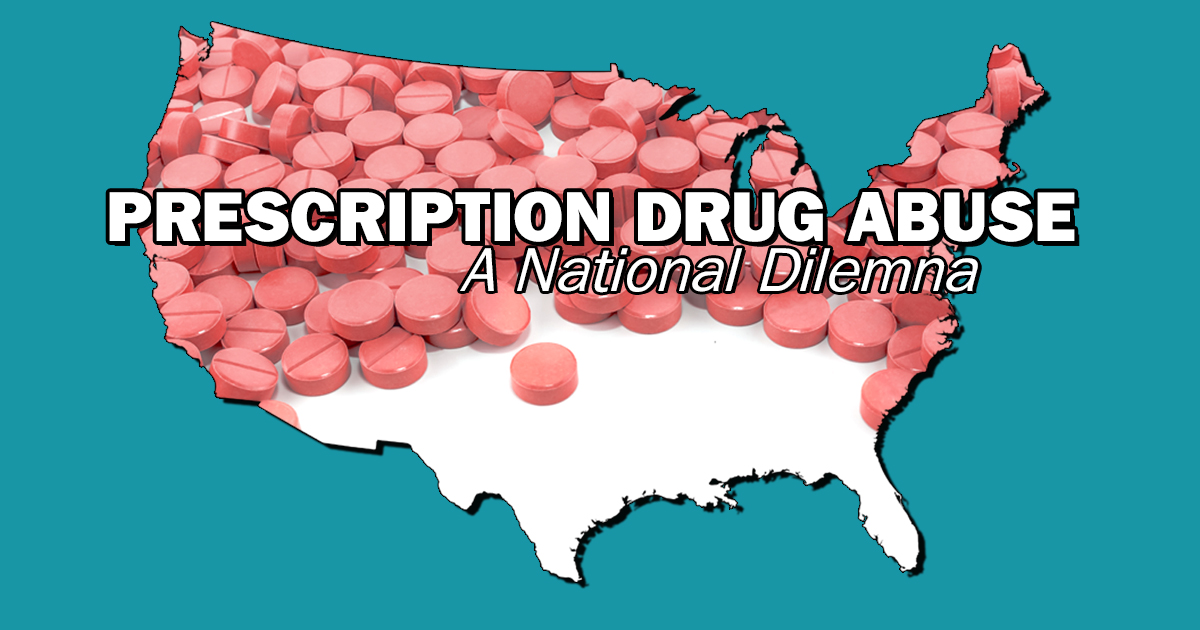
 According to a 2006 National Drug Intelligence Center (NDIC) survey nearly 21% of the population in the U.S. reported non-medical use of prescription drugs at some point in their lifetime. The 2009 National Prescription Drug Threat Assessment states that unintentional overdose deaths resulting from prescription drugs has increased 114% from 2001 to 2005. And according to SAMHSA, prescription drug abuse is the second most common form of recreational drug use in America second only to marijuana. Given these statistics, it is clear that abuse of prescription drugs in the United States is a serious subject. For our neighbors to the north in Canada, the story is much the same with accidental deaths from opioid use having doubled from 1991 to 2004.
Is Prescription Drug Abuse More “Socially Acceptable” Than Illicit Drug Use?
For many people, the stigma of prescription drug abuse is negligible when compared to illicit drug abuse. After all, the substance of abuse was prescribed by a doctor and purchased in a pharmacy. It’s not like the addict was buying heroin, cocaine, or some other street drug from a dealer. So where’s the problem? This type of mentality is contributing to the problem, and it prevents many from seeking the prescription drug abuse treatment that they need. The results of this attitude can can have drastic results.
An Increase In Prescription Drug Use For Recreational Purposes
The diversion of prescription drugs from their intended use has increased drastically from 2003 to 2007. According to the 2009 threat assessment, the diversion of opioid pain relievers has increased the most during this time period: hydrocodone (vicodin) 118%, morphine 111%, and methadone 109%. Other prescription drugs commonly diverted for abuse include Oxycontin which has a street name “80” or “Hillbilly heroin”, Ritalin (Ritz or Vitamin R), and Xanax (zanies). Prescription drug abuse treatment for many of these substances can be very difficult.
Where Do RX Drug Abusers Get Their Pills?
The diversion of these drugs occurs through various forms. 56.5% of abusers reported that they received the drugs from a friend or relative for free, and 81% of these people reported that the drugs were originally obtained from a doctor through a prescription. Other ways that prescription drugs are obtained for illicit use include theft from a family member or friend (5.2%), Internet purchases (0.5%), and purchase from a dealer (4.1%). Another common practice amongst addicts to obtain prescription drugs is “doctor shopping.” This is the practice of visiting several doctors for the same “ailment” to receive multiple valid prescriptions.
Prescription Drug Abuse Among Teens
Among teens, the practice of “pharming” can have drastic results when they grab a handful of prescription pills out of a bowl and ingest some or all of them.
The prescription drug and opiate epidemic is spreading around the country at an alarming rate, and many are being caught up in its wake. It is imperative for those suffering from opiate addictions brought on by prescription painkillers to know that there is a way out; through detox, rehabilitation and determination.