
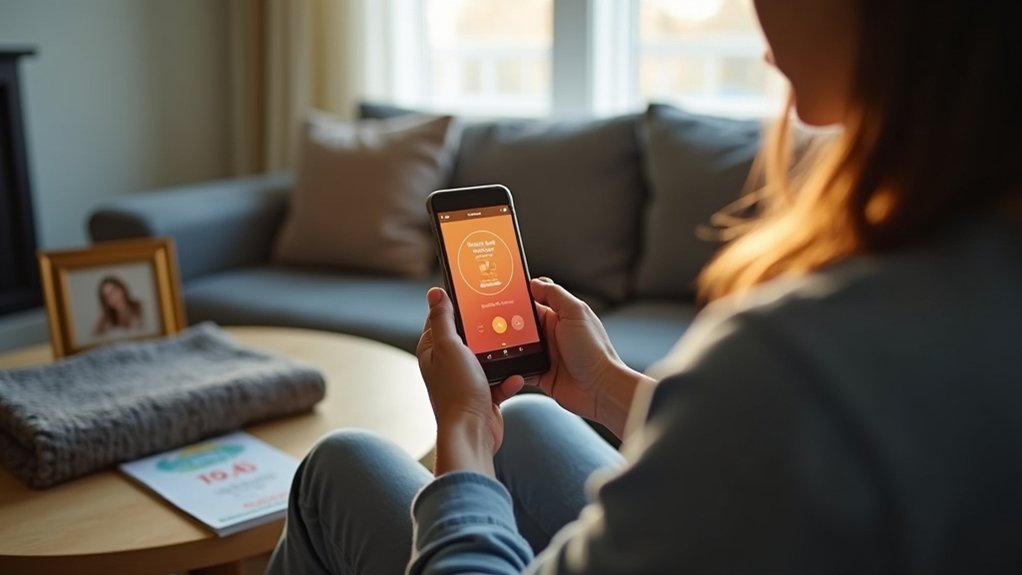
Telehealth therapy apps give you 24/7 recovery tools, licensed clinicians, and peer support from your phone. You can track sobriety, log cravings and moods, learn coping skills, and connect through messaging, chat, or video visits. Some even support medication treatment like buprenorphine. But apps can’t replace in-person care for severe cases, and they don’t handle emergencies like overdose or crisis. Knowing when an app’s enough and when it isn’t can protect your recovery.
Key Takeaways
- Telehealth addiction apps offer 24/7 access to recovery tools, virtual counseling, messaging, and peer support communities.
- Core features include sobriety counters, craving and trigger logs, journaling, and educational content on relapse prevention.
- Some apps support medication treatment, including e-prescribing buprenorphine or Suboxone when clinically appropriate.
- Apps cannot replace in-person care for severe cases or handle overdose, suicidal crisis, or severe withdrawal emergencies.
- Use apps as add-ons or aftercare, but escalate to program-based care as risk or complexity increases.
What are telehealth therapy apps and how do they work

Telehealth therapy apps for addiction give you 24/7 access to recovery tools, support, and education straight from your phone or computer. You can connect with licensed clinicians, including addiction specialists, through virtual visits, messaging, chat, or video counseling. Some programs even support medication treatment, e-prescribing buprenorphine/Suboxone when it’s clinically appropriate. Many people face virtual IOP access barriers that can make treatment harder to access. Removing these obstacles can help more people receive the support they need, while technology can make recovery programs more accessible.
Beyond clinical contact, these apps offer self-management tools you can use daily. You’ll find sobriety counters, craving and trigger logs, journaling, reminders, and skills training that help you monitor your progress. Many also link you to peer support through groups, forums, and recovery communities.
Think of them as flexible, low-barrier support that keeps care within reach, especially useful between visits, during aftercare, or when specialists aren’t nearby.
What general telehealth apps offer for addiction
General telehealth apps for addiction offer a core set of features built around self-monitoring and connection. You can track your sobriety with counters and progress tools, and log your moods, thoughts, triggers, and cravings for daily self-awareness. Most apps give you educational content on coping skills and relapse prevention, so you’re learning as you go. You’ll also find ways to connect through messaging, chat, or video visits with care teams or licensed clinicians when you need clinical support. Many apps link you to recovery communities through groups, forums, meeting locators, and peer support features, so you don’t have to do this alone. Together, these tools offer flexible, low-barrier access to recovery support whenever and wherever you need it. When exploring online therapy, watch for online therapy app red flags that could signal poor quality or credibility. Check for licensed professionals, user reviews, and clear privacy and data protection policies.
Where app-based care stops short of real treatment

App-based care stops short of real treatment for severe or complex cases, emergencies, and situations requiring structured clinical support. These apps offer real value, but they can’t replace in-person care for every case. Evidence supports them as helpful tools, not universal substitutes for structured treatment. If you’re managing a severe or complex case, you’ll likely need additional clinical support, since many apps mainly function as add-ons. You also can’t count on strong results from apps with minimal content, because limited interactivity often shows little or no added benefit. And no app can guarantee your recovery, since outcomes depend heavily on sustained use, integrated support, and individualized care.
Most importantly, these tools can’t substitute for emergency help during an overdose, suicidal crisis, or severe withdrawal. Those situations require immediate medical or crisis-response services. Knowing where apps stop short lets you use them more safely.
How subscription therapy differs from a treatment program
Subscription therapy differs from a treatment program in what you actually receive. When you pay for a subscription, you’re typically buying access to tools, sobriety trackers, educational content, craving logs, and sometimes messaging with a clinician. That’s useful, but it’s not the same as a treatment program built around your individual needs. A structured program coordinates care: comprehensive assessment, personalized planning, medication management when appropriate, and clinician oversight that adjusts as your situation changes. Subscriptions often function as add-ons, not complete care. If you’re managing co-occurring mental health disorders, high relapse risk, or complex withdrawal, you’ll need more than app features. Think of subscriptions as support, and programs as the treatment itself. Subscription therapy vs treatment program shows the difference between flexible therapy subscriptions and structured treatment programs. While subscriptions may be convenient, treatment programs often provide more personalized and comprehensive support.
How app-based and program-based care compare
App-based and program-based care differ in what each is designed to do. App-based care gives you flexible, low-barrier access to tools, tracking, and virtual support. Program-based care delivers structured, comprehensive treatment for more complex or severe needs.
| App-Based Care | Program-Based Care |
|---|---|
| 24/7 self-management tools and peer support | Structured clinical treatment plans |
| Best as add-on or aftercare support | Suited for severe or complex cases |
| Limited emergency or crisis response | Direct medical and crisis-response services |
| Effectiveness depends on your engagement | Coordinated care with clinician oversight |
If you’re managing mild symptoms or maintaining recovery between visits, an app may fit well. If you’re facing high relapse risk or co-occurring disorders, program-based care serves you better. Virtual outpatient levels of care can provide valuable support through online therapy and group sessions from home. This flexible approach makes it easier to access care without the challenges of traditional in-person visits.
When an app is enough and when it is not
An app is enough when you’re stable, already engaged in treatment, or seeking low-barrier support in an underserved area. It works best as aftercare or between-visit reinforcement, offering tracking, education, and peer connection. But an app isn’t enough in more complex situations.
Consider stepping up to in-person or program-based care when you face:
- Severe withdrawal, overdose risk, or suicidal thoughts that demand immediate medical or crisis response.
- Co-occurring mental health disorders requiring coordinated, specialized treatment.
- High relapse risk or medication management needs that exceed self-guided tools.
When your needs grow, add clinician oversight. Apps supplement recovery, they don’t replace structured care in serious cases.
How to tell if you need more than an app
You need more than an app when warning signs call for clinical support. If you’re facing severe withdrawal, an overdose risk, or suicidal thoughts, you need immediate medical or crisis-response services, not an app. Co-occurring mental health disorders, high relapse risk, or a need for medication management often require more intensive, structured treatment.
Consider your engagement, too. If you’re struggling to stay motivated without active clinician contact or peer support, an app alone likely won’t sustain your recovery. Watch for worsening cravings, escalating use, or complex circumstances that self-monitoring can’t address.
Apps work best as add-ons, not universal substitutes. When your case grows severe or complex, reach out to a licensed clinician for individualized, comprehensive care.
Know What an App Can’t Do Before You Rely on It.
Telehealth apps can be a useful piece, reminders, check-ins, a therapist on a screen. What they can’t do is manage detox, treat co-occurring conditions with real clinical oversight, or step you up when things slip. Pathways Recovery in Roseville covers the full range an app can’t, from medical detox through structured virtual IOP with a licensed team behind it.
Call (916) 735-8377 now, answered 24/7, or verify your insurance. Private and confidential.
Frequently Asked Questions
Are telehealth addiction apps covered by insurance or Medicaid?
Coverage varies, so check your specific plan. Many insurers and Medicaid programs do cover telehealth addiction services, including virtual counseling and medication treatment like buprenorphine, though benefits differ by state and provider. Some FDA-cleared prescription apps may qualify, while consumer wellness apps usually don’t. Contact your insurer or Medicaid office directly, and ask the app whether they accept your coverage before enrolling.
Is my personal data on these apps kept private?
It depends on the app. Any tool that collects health, behavior, or location data raises real confidentiality concerns, and not every app protects your information the same way. Review each one’s privacy policy carefully, and lean toward clinically validated tools over consumer wellness apps, since standards vary widely. If you’re unsure, ask your clinician which platforms handle data most responsibly.
Can I get prescribed Suboxone through a telehealth app?
Yes, some telehealth services can prescribe Suboxone (buprenorphine) when it’s clinically appropriate. Certain programs offer virtual visits with licensed clinicians who can evaluate you and e-prescribe, though the rules governing telehealth buprenorphine have shifted in recent years, so availability varies. Not every app provides it, and medication works best alongside counseling and ongoing support. If you’re facing severe withdrawal or a crisis, seek immediate medical help.
How much do addiction recovery apps typically cost?
It ranges widely. Some are free consumer wellness tools, while others are clinically validated treatments that may carry fees or be billed through insurance. FDA-cleared prescription apps are typically prescribed and billed like a medical treatment rather than bought outright. Because the range is so broad, check each app directly and confirm whether your insurance covers it before committing.
Which addiction recovery apps are FDA-cleared or clinically validated?
reSET and reSET-O have been FDA-cleared, developed from structured behavioral treatment models, and designed to track substance use, cravings, triggers, and medication adherence. Related computerized therapies like the Therapeutic Education System (TES) draw on the same evidence base. One caveat: the company behind reSET went bankrupt in 2023, so a given cleared product may not currently be available, and it’s worth confirming. Many recovery apps are consumer wellness tools rather than cleared treatments, so verify clinical validation and pair anything you use with your clinician’s oversight.