

Being sober curious means you’re questioning how alcohol fits into your life and exploring change without needing a label or waiting for a crisis. It isn’t a diagnosis. You might drink less, plan alcohol-free occasions, or take a set break. To start, choose your structure, write your goal down, and plan simple responses for social invitations. If you’ve been drinking heavily long-term, talk with a health professional first. Below, you’ll find practical ways to begin.
Key Takeaways
- Being sober curious means questioning your relationship with alcohol and exploring drinking less, without needing a label or diagnosis.
- People often try it for better sleep, fewer hangovers, and clearer judgment, and to lower risks like cancer, liver disease, and high blood pressure.
- Start by choosing a structure, such as alcohol-free weekdays or a month-long break, and keep your written goal visible.
- Plan ahead for social events and cravings with nonalcoholic drinks, simple replies like “I’m taking a break,” and supportive friends.
- If you drink heavily long-term or struggle to cut back, talk with a health professional first, since withdrawal can be dangerous.
What Does Sober Curious Mean?

Being sober curious means you’re questioning your relationship with alcohol and choosing to explore change, without needing a label. You might drink less, plan alcohol-free occasions, or try a set break, like a week or a month. It’s a personal lifestyle choice, not a medical diagnosis or a substitute for treatment.
You don’t have to identify as having alcohol use disorder to rethink your drinking. Many people want better sleep, fewer hangovers, or clearer judgment. The evidence supports this curiosity: the WHO says no amount of alcohol is risk-free, and drinking less is generally better for your health than drinking more. If you can’t control your drinking, seek medical guidance instead of treating sobriety as a self-guided experiment.
Where the sober curious movement came from
The phrase “sober curious” caught on in the late 2010s, popularized by writer Ruby Warrington’s 2018 book of the same name, though people have always questioned their drinking.
The idea gave you a new way to think about alcohol: you don’t need a crisis, a label, or a diagnosis to ask whether drinking serves you.
You don’t need a crisis, a label, or a diagnosis to ask whether drinking truly serves you.
Its appeal grew alongside wider, evidence-based health messaging. The World Health Organization says no amount of alcohol is established as risk-free, and health risks, including cancer, can begin with any use.
If you’ve wondered how drinking affects your sleep, mood, or health, the movement simply invites you to explore that question openly, without judgment. It’s a personal lifestyle choice, though, not a substitute for treatment when you need it.
Why people are questioning their relationship with alcohol
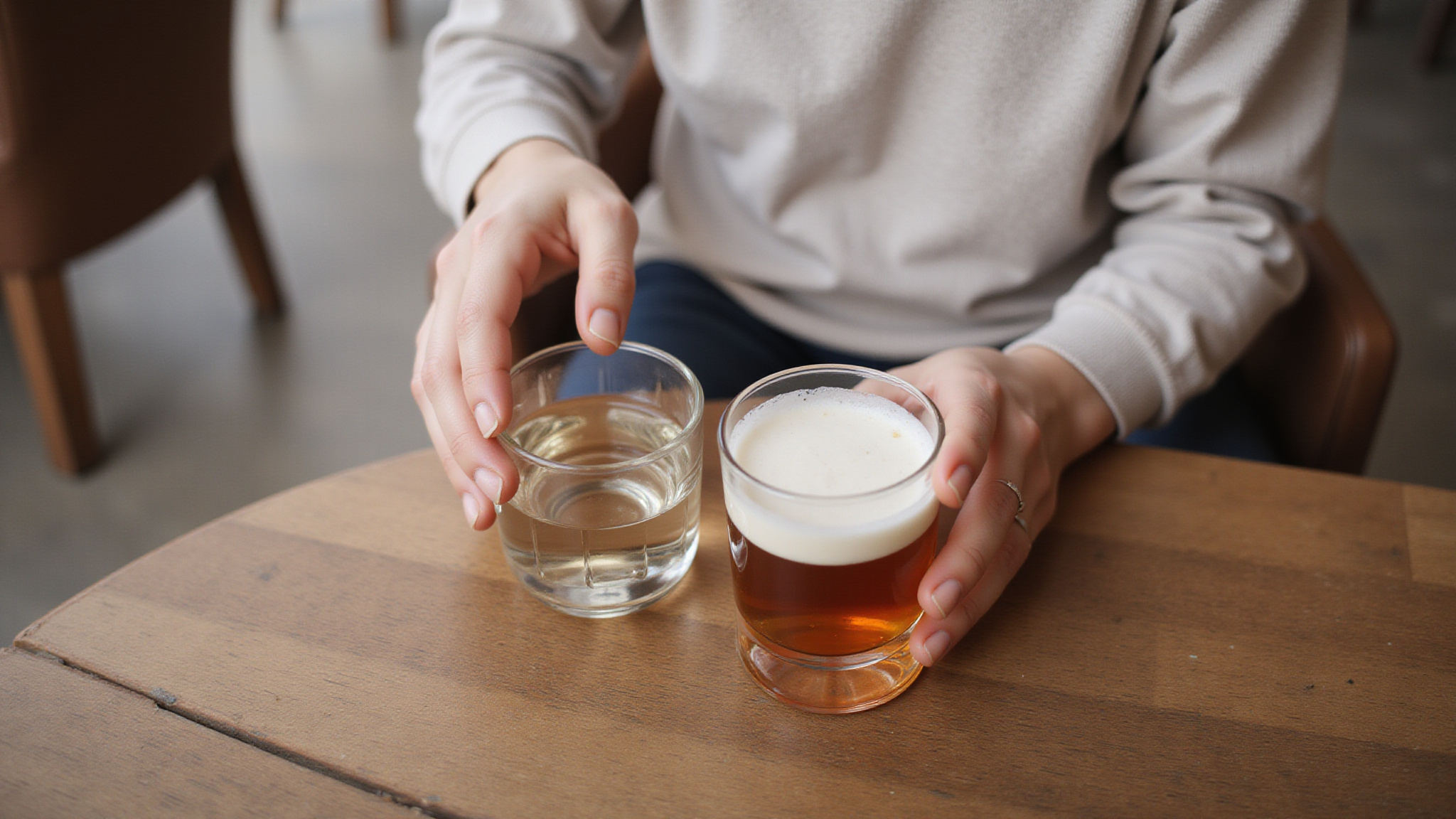
Many people question their relationship with alcohol because of how it affects them day to day. Maybe you’ve noticed poorer sleep, foggy mornings, or hangovers that steal time you’d rather spend elsewhere. You might want sharper judgment, steadier coordination, or more energy for the things you care about.
Health is another driver. Alcohol is linked to cancer, liver disease, high blood pressure, stroke, and disrupted sleep, and the World Health Organization notes that risks can begin with any drinking. Even moderate drinking may raise some risks compared with not drinking. Cutting back lowers your chances of injuries and several health conditions.
You don’t need a diagnosis to question your habits. Exploring this is a personal choice, and drinking less is generally better for you than drinking more.
How to try a sober-curious period
Decide what your sober-curious period will look like. You might choose alcohol-free weekdays, a month-long break, or a set number of drinks on chosen days. Write your goal down and keep it visible.
Plan for the moments that matter most:
- When happy hour invites arrive, suggest lunch or a walk instead.
- When someone offers a drink, a simple “I’m taking a break” is enough.
- When evenings feel empty, reach for a nonalcoholic drink you genuinely enjoy.
- When cravings hit, call a trusted friend who’s cheering you on.
Review what’s working each week and adjust without guilt. If you’ve been drinking heavily for a long time, talk with a health professional before stopping, since sudden withdrawal can be dangerous, even life-threatening.
How sober curious compares to full sobriety and moderation
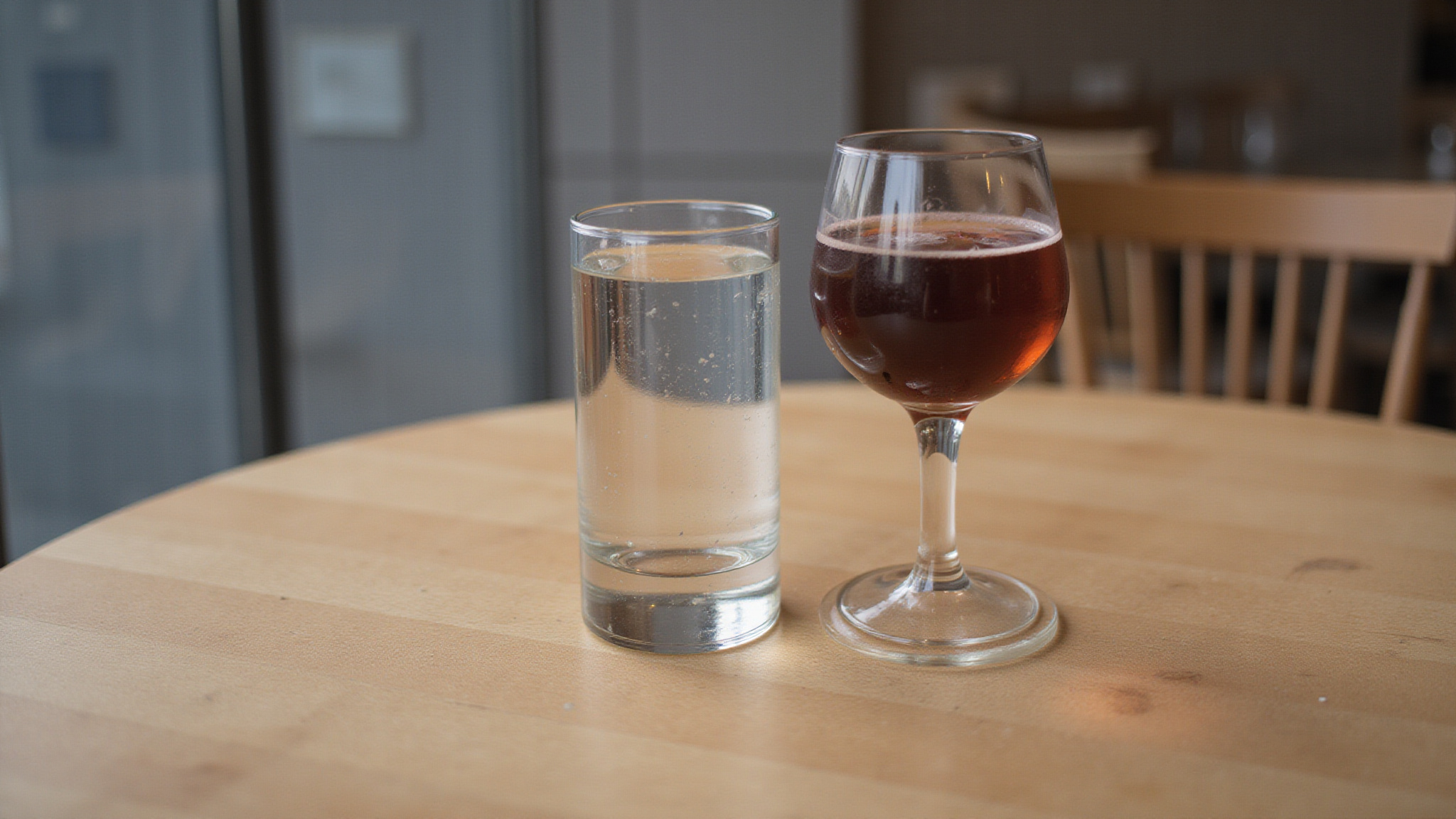
Being sober curious is more flexible than full sobriety or moderation. You question your relationship with alcohol and choose what works for you, whereas full sobriety means not drinking at all and moderation means staying within set limits.
| Approach | What it looks like |
|---|---|
| Full sobriety | You don’t drink alcohol at all |
| Moderation | You stay within limits like CDC’s one or two drinks daily |
| Sober curious | You explore drinking less, alcohol-free days, or breaks |
No path is risk-free except not drinking, since health risks can begin with any alcohol use. Drinking less is generally better than drinking more. Being sober curious is a lifestyle choice, not a substitute for treatment. If you can’t control your drinking or you’re recovering from alcohol use disorder, seek medical guidance instead of experimenting alone.
When curiosity reveals a deeper problem
Struggling to cut back is useful information, not a personal failure. Alcohol use disorder involves impaired control despite harm, and it’s common, treatable, and nothing to hide. Notice whether these sound familiar:
Finding it hard to cut back isn’t a personal failure. Alcohol use disorder is common, treatable, and nothing to hide.
- You promise yourself “just one” and keep finding yourself at four or five.
- You feel anxious or restless on the days you planned to skip drinking.
- You keep drinking even after it’s hurt your sleep, health, or relationships.
- You wake up shaky, sweaty, or nauseated until you have a drink.
If you’ve drunk heavily for a long time, don’t quit abruptly; withdrawal can be dangerous. Talk with a doctor, who can recommend behavioral care, support groups, or medication. You deserve real support, not willpower alone.
How Pathways Recovery supports people reassessing their drinking
Pathways Recovery supports people reassessing their drinking with professional assessments, safe withdrawal guidance, and evidence-based care, whether they’re simply curious about drinking less or worried that cutting back has been harder than expected.
A professional assessment looks at how much you drink, how alcohol affects your life, and whether you’ve had trouble sticking to limits you set. That clarity helps you choose next steps that fit your needs, not a label.
If you’ve been drinking heavily for a long time, talk with our team before stopping abruptly. Withdrawal can be dangerous, even causing seizures or hallucinations, and medical guidance helps you stop safely.
Evidence-based care for people who need more than a self-guided plan can include behavioral healthcare, mutual-support groups, and medications. Wherever you’re starting, you’ll find respectful, practical support without judgment.
How Outpatient Care Supports Your Sober Curious Journey
Being sober curious is a meaningful first step, and professional support helps you explore what alcohol-free living could look like. Pathways Recovery in Roseville, CA offers Outpatient Alcohol Rehab with flexible scheduling including evening track options, serving Carmichael and surrounding areas. Verify your insurance or Call +1 (916) 735-8377 today.
Frequently Asked Questions
Do Nonalcoholic Beers and Wines Still Contain Trace Amounts of Alcohol?
Yes, many nonalcoholic beers and wines still contain trace amounts of alcohol. In the U.S., drinks labeled “nonalcoholic” can contain up to 0.5% alcohol by volume, while those marked “alcohol-free” or “0.0%” typically contain little to none. You’ll want to check labels. For most people, these traces won’t cause intoxication, but if you’re pregnant, recovering from alcohol use disorder, or taking interacting medications, it’s wise to talk with a health professional first. They can still make a satisfying swap.
Can Going Sober Curious Help With Weight Loss?
Yes, going sober curious can help with weight loss, though results vary. Alcohol adds calories without much nutrition, and drinking can loosen your food choices, so cutting back may help you manage your weight. You’ll likely also sleep better and feel sharper, which makes healthy routines easier. Track your drinks, plan alcohol-free days, and pick low-sugar nonalcoholic options. If you’ve drunk heavily for a long time, talk with a doctor before stopping, since withdrawal can be dangerous.
How Can I Date or Socialize When Most Plans Involve Drinking?
Suggest plans that don’t center on alcohol, like lunch, coffee, a walk, or a class, instead of happy hour. When drinks are part of the plan, order a nonalcoholic option you enjoy and keep a reply ready, like “No thanks” or “I’m taking a break.” It’s okay to share your goal with a trusted friend or date for support. Afterward, notice what felt good and adjust your approach.
Will Cutting Back on Alcohol Improve My Skin and Appearance?
Yes, cutting back on alcohol can improve your skin and appearance, since alcohol dehydrates the body and can contribute to redness, puffiness, and a dull complexion. Drinking less may also help your sleep and cut down on hangovers, and better rest may show up in how you look and feel. You’ll also lower your risk of liver disease, high blood pressure, and some cancers. If you’re noticing specific skin changes, a dermatologist or doctor can help you pinpoint the likely causes.
How Do I Respond When Friends Pressure Me to Drink?
Have a short, friendly reply ready, like “No thanks” or “I’m taking a break,” and say it confidently. You don’t owe anyone a long explanation. Grab a nonalcoholic drink you enjoy so your hands aren’t empty, and suggest plans that don’t center on alcohol, like lunch instead of happy hour. If pressure continues, lean on trusted friends who support your goal. Your choice is valid, and good friends will respect it.