

Yes, you can become dependent on kratom. Its alkaloids bind to mu-opioid receptors, triggering the same neurological adaptations seen with opioid use. Your brain adjusts to kratom’s presence, and stopping it can produce withdrawal symptoms like intense cravings, muscle pain, anxiety, and insomnia. Frequent use is a stronger driver of dependence than the amount you take. Understanding what’s actually happening in your body, and what you can do about it, starts below.
How Kratom Dependence Actually Develops in the Body?

When you consume kratom, its two primary alkaloids, mitragynine and 7-hydroxymitragynine, bind to mu-opioid receptors in the brain as partial agonists, triggering neurological effects that closely mirror traditional opioids. These alkaloids also activate noradrenergic, serotonergic, and adenosine receptors, creating a complex psychophysiological profile that amplifies kratom dependence risk. When you consume kratom, its two primary alkaloids, mitragynine and 7-hydroxymitragynine, bind to mu-opioid receptors in the brain as partial agonists, triggering neurological effects that closely mirror traditional opioids. These compounds also activate noradrenergic, serotonergic, and adenosine receptors, creating a complex psychophysiological profile that amplifies dependence risk. This pharmacological complexity often leads people to ask is kratom legal in the united states, as its legal status remains nuanced despite its opioid-like activity and associated risks.
Dose-dependent neuroadaptations occur as your brain adjusts to the alkaloids’ presence, gradually altering natural neurotransmitter balance. Your brain’s chemistry becomes increasingly reliant on kratom to function normally. Research identifies dose frequency as a stronger predictor of these adaptations than the amount consumed.
As kratom tolerance develops, you’ll likely require higher doses to achieve the same effects. This cycle of neuroadaptation and escalating use establishes the physiological foundation through which physical dependence progressively takes hold. At lower doses, kratom tends to produce stimulant-like effects, such as increased energy and elevated mood, while higher doses shift toward sedating, opioid-like responses that deepen the cycle of dependence.
What Kratom Withdrawal Really Feels Like?
Stopping kratom after regular use triggers a withdrawal process that unfolds in distinct, progressively intensifying stages. Within 6, 12 hours, you’ll experience irritability, anxiety, sweating, and intense cravings. By days 1, 3, symptoms peak, nausea, vomiting, severe muscle pain, insomnia, and high blood pressure dominate this acute phase. Days 4, 7 bring partial relief, though fatigue, depression, and gastrointestinal discomfort persist. During weeks 1, 2, physical symptoms largely resolve, but mood instability, concentration difficulties, and disrupted sleep continue. For some individuals, post-acute withdrawal syndrome extends symptoms for weeks or months. Kratom’s active compounds interact with opioid receptors in the brain, which is why its withdrawal symptoms so closely mirror those experienced during opioid cessation.
If you’re questioning can you become dependent on kratom, this timeline confirms that kratom addiction risk is real and clinically significant. Understanding these stages helps you recognize dependence early and seek appropriate support before symptoms escalate.
Is Kratom Dependence as Serious as Opioid Addiction?
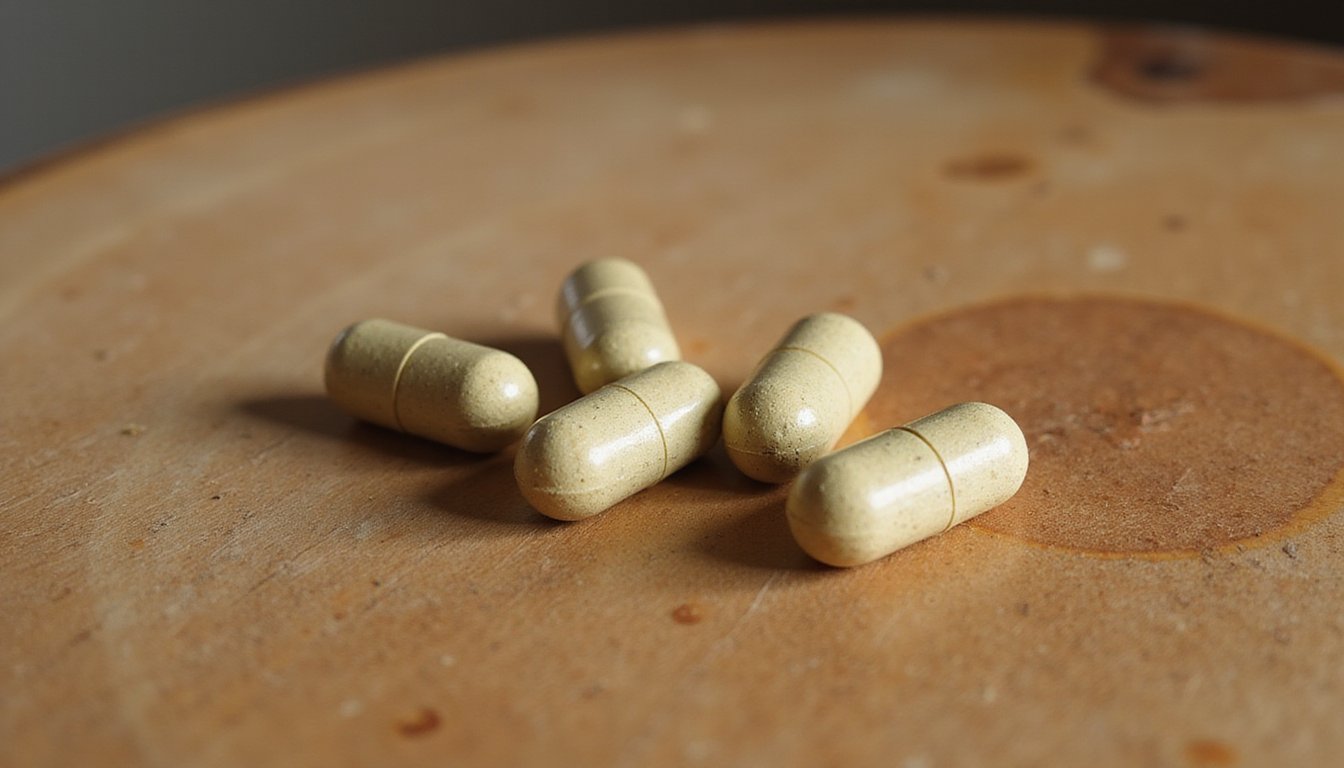
Although kratom’s dependence profile differs from classic opioids, it’s not without serious risk. Kratom acts as a partial agonist at μ-opioid receptors, producing euphoria and physical dependence through similar brain mechanisms. Its potency is lower than fentanyl or prescription opioids, and its overdose risk is reduced due to mitigated respiratory depression. However, that doesn’t make it safe. The benefits of kratom for wellness have drawn attention for its potential to alleviate pain and improve mood. Many users report enhanced energy levels and relief from anxiety, which has contributed to its popularity as a natural supplement. However, it’s crucial to remain cautious and informed about the possible side effects and long-term implications of regular use.
You can still develop tolerance, experience cravings, and struggle to quit cold turkey. Research also shows that kratom often substitutes one dependency for another without resolving the underlying neurological changes. If you combine kratom with alcohol or sedatives, you risk life-threatening respiratory suppression. Some users also progress toward stronger opioids or extracts. While kratom’s addiction profile may be milder, the clinical risks remain significant and shouldn’t be dismissed.
Withdrawal symptoms typically begin within 6-12 hours after the last dose, with early signs including restlessness, anxiety, and intense cravings that can make independent cessation extremely difficult to sustain.
Who Is Most at Risk for Kratom Dependence?
Not everyone who uses kratom faces equal risk of dependence, certain biological, psychological, and social factors make some individuals markedly more vulnerable than others.
If you have a personal or family history of substance abuse or mental illness, your risk increases substantially. Over one-fourth of kratom users experience major depression, suggesting a strong psychiatric burden among this population. You’re also more vulnerable if you’re self-medicating pain, anxiety, or opioid withdrawal without professional support.
Demographically, most users are male, white, and between 18 and 34, a group that may lack developed coping and emotional regulation skills. Social environment matters too. If your peers use kratom or other substances, and you lack strong support systems, you face compounded risk. Easy online access removes further barriers to continued, escalating use.
How Do You Treat Kratom Dependence?
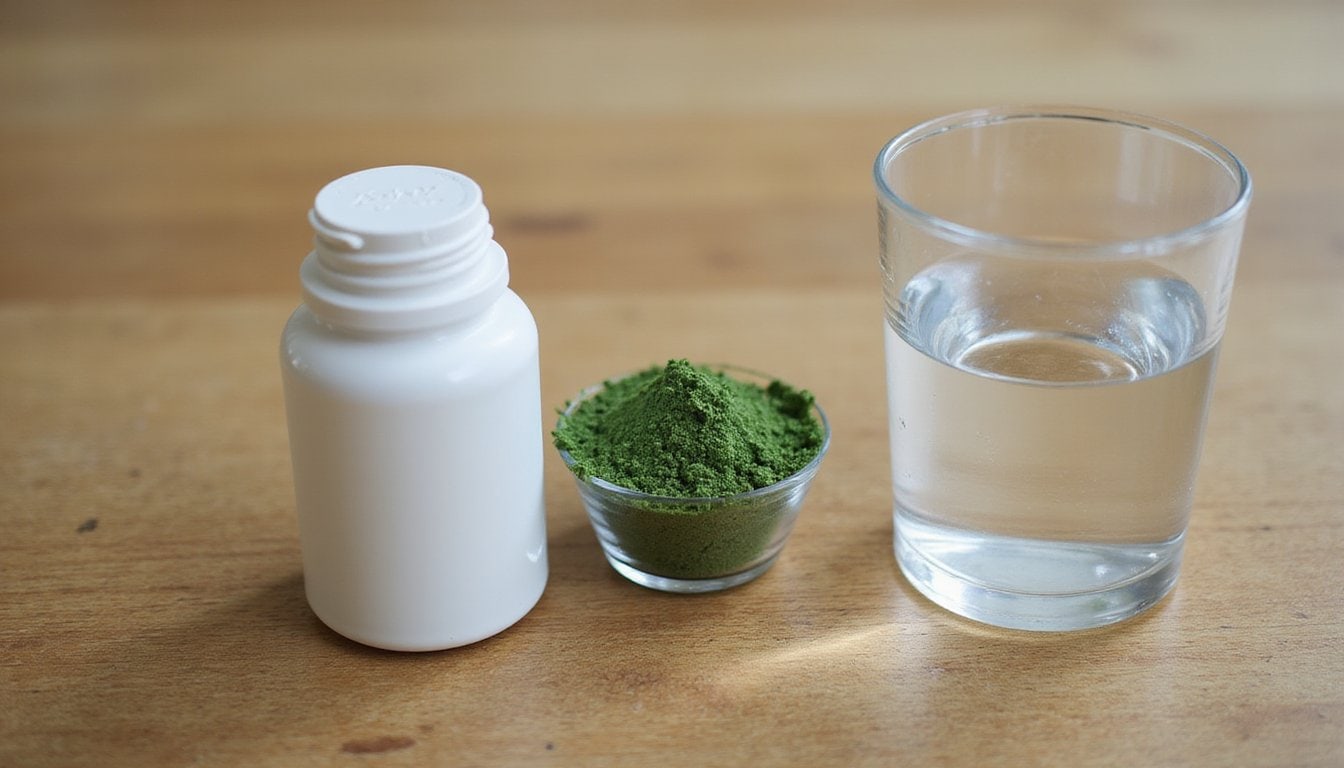
Treating kratom dependence typically requires a structured, multi-layered approach that addresses both the physical and psychological dimensions of addiction. Medically monitored detox provides 24/7 supervision, using comfort medications like Clonidine, Trazodone, and Librium to manage withdrawal symptoms safely. Gradual tapering under professional oversight reduces relapse risk, with mild symptoms often resolving within a week.
Medication-assisted treatment options include Suboxone or lofexidine, applied off-label since no FDA-approved kratom-specific medications currently exist. Behavioral therapies like CBT, motivational interviewing, and contingency management help you reshape substance-related thinking and build relapse prevention skills.
Depending on severity, you may benefit from inpatient residential care or flexible outpatient programs. Holistic supports, including meditation, exercise, and peer group therapy, reinforce long-term recovery alongside clinical treatment.
Recovery From Kratom Addiction Is Closer Than You Think
Kratom addiction can progress faster than most people expect, but lasting recovery is absolutely possible. At Pathways Recovery, we provide trusted Medical Detoxification to help you safely begin your journey toward a healthier, stronger life. Call (916) 735-8377 today and take the first step toward lasting recovery.
Frequently Asked Questions
Can Kratom Dependence Develop Even When Used for Legitimate Medical Purposes?
Yes, you can develop kratom dependence even when using it for legitimate medical purposes like pain management or opioid withdrawal relief. Research confirms that regular use likely leads to physical dependence, regardless of your initial intention. Your body adapts to kratom’s alkaloids, and stopping suddenly can trigger withdrawal symptoms. Among lifetime kratom users, opioid use disorder prevalence increased 18-fold, highlighting that “legitimate” use doesn’t protect you from dependency risks.
Does the Form of Kratom Consumed Affect Dependence Risk?
Yes, the form you consume kratom in can influence your dependence risk. Concentrated extracts and capsules deliver alkaloids more rapidly and intensely than raw leaf powder, potentially accelerating tolerance development. Higher-potency forms make dose regulation harder, increasing your likelihood of escalating use. Regardless of form, kratom’s active alkaloids still interact with your opioid receptors, meaning dependence remains possible across all consumption methods, with concentrated forms carrying heightened risk.
How Long Does Kratom Dependence Typically Take to Develop?
Kratom dependence can develop in as little as 3 days with consistent use, though most people develop baseline dependence within 14 or more days. The timeline accelerates greatly when you’re using higher doses or dosing multiple times daily. Your individual biology, genetics, and history with substance use also influence how quickly dependence forms. Early warning signs like restlessness, cravings, and disrupted sleep can emerge within the first 24 hours after stopping.
Can You Become Dependent on Kratom if Used Occasionally?
Even occasional kratom use can put you at risk for dependence. The FDA has documented substance use disorder cases involving criteria like cravings, tolerance, and withdrawal, even without heavy daily use. Unpredictable concentrations of active compounds per dose make “safe” occasional use difficult to gauge. You may also unknowingly consume contaminated products. While dependence risk may be lower with infrequent use, it’s not eliminated, and individual vulnerability varies considerably.
Does Kratom Dependence Show up on Standard Drug Tests?
Kratom dependence won’t show up on standard 5- or 10-panel drug tests, as these screens don’t detect mitragynine or 7-hydroxymitragynine. You’d only test positive through specialized methods like LC-MS/MS or targeted assays, typically used in addiction treatment, drug courts, or forensic investigations. However, don’t let this create a false sense of protection, dependence carries real clinical risks regardless of whether it’s detectable on routine screening.