

Mixing Aleve and alcohol isn’t safe because both substances irritate your stomach lining, vastly increasing your risk of gastrointestinal bleeding, ulcers, and organ damage. Naproxen, Aleve’s active ingredient, stays in your system for up to 10 hours, so you’ll want to wait at least that long before drinking. You should also limit yourself to no more than three standard drinks per day. Understanding the specific physiological effects can help you make safer decisions.
Is It Safe to Drink Alcohol While Taking Aleve?
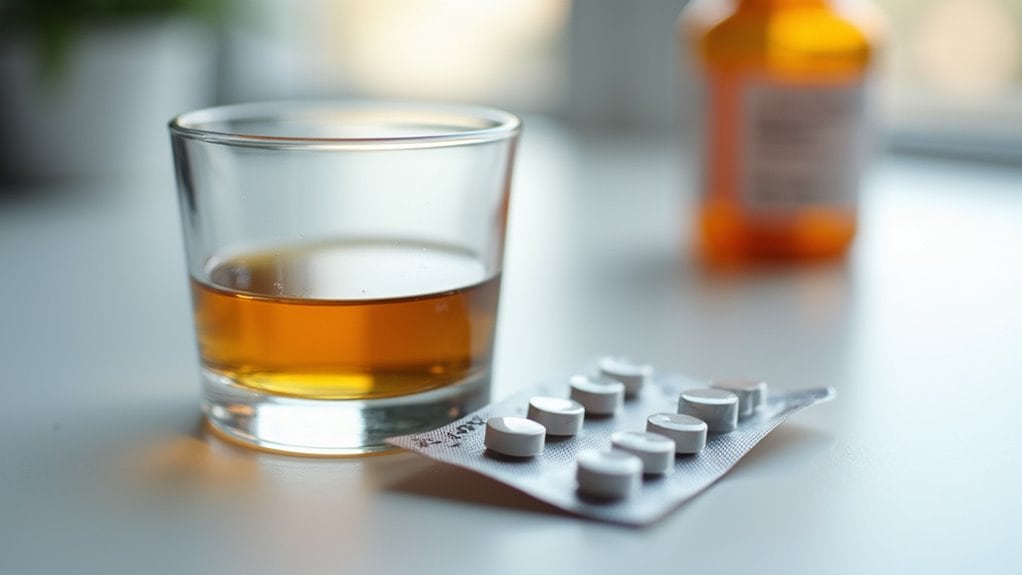
When you mix Aleve with alcohol, you’re combining two substances that both irritate the stomach lining and stress the liver. Naproxen blocks protective hormones in your stomach while alcohol increases gastric acid production, creating conditions that damage tissue. Both substances affect an enzyme called cyclooxygenase, or COX, which plays a central role in how your body manages pain, fever, and inflammation.
For healthy adults taking standard OTC doses, moderate alcohol consumption may be acceptable. However, your gastrointestinal bleeding risk increases considerably when you combine these substances, particularly with higher doses or frequent use.
You should avoid Aleve and alcohol entirely if you have stomach ulcers, liver disease, kidney problems, or take blood thinners. Heavy or binge drinking with naproxen creates dangerous conditions that can lead to acute gastritis, bleeding, and organ damage, sometimes after just one evening of mixing.
How Long to Wait Between Aleve and Alcohol
Because naproxen, the active ingredient in Aleve, remains in your body for up to 10 hours after a single dose, medical experts recommend waiting at least this long before consuming alcohol. If you have liver problems, clearance may take approximately 17 hours, requiring an extended waiting period.
When considering alcohol and aleve timing in reverse, you should wait a full 24 hours after drinking before taking Aleve. Alcohol’s complete elimination requires 16-25 hours minimum, and combining these substances prematurely increases your risk of experiencing aleve and alcohol side effects. Taking Aleve to treat a hangover is particularly dangerous since your stomach and kidneys are already under stress from alcohol consumption.
Regular or high-dose Aleve users need longer waiting periods, as elimination time extends with prolonged use. Heavy drinkers face compounded risks and should consult healthcare providers before mixing these substances under any circumstances. aleve good for hangovers, but it’s essential to keep in mind that it can interact with alcohol and lead to adverse effects. Individuals recovering from a hangover should prioritize hydration and rest, and over-the-counter pain relievers should be taken judiciously. Always consider discussing with a healthcare professional to ensure safe and effective recovery strategies.
What Counts as Moderate Drinking on Aleve?
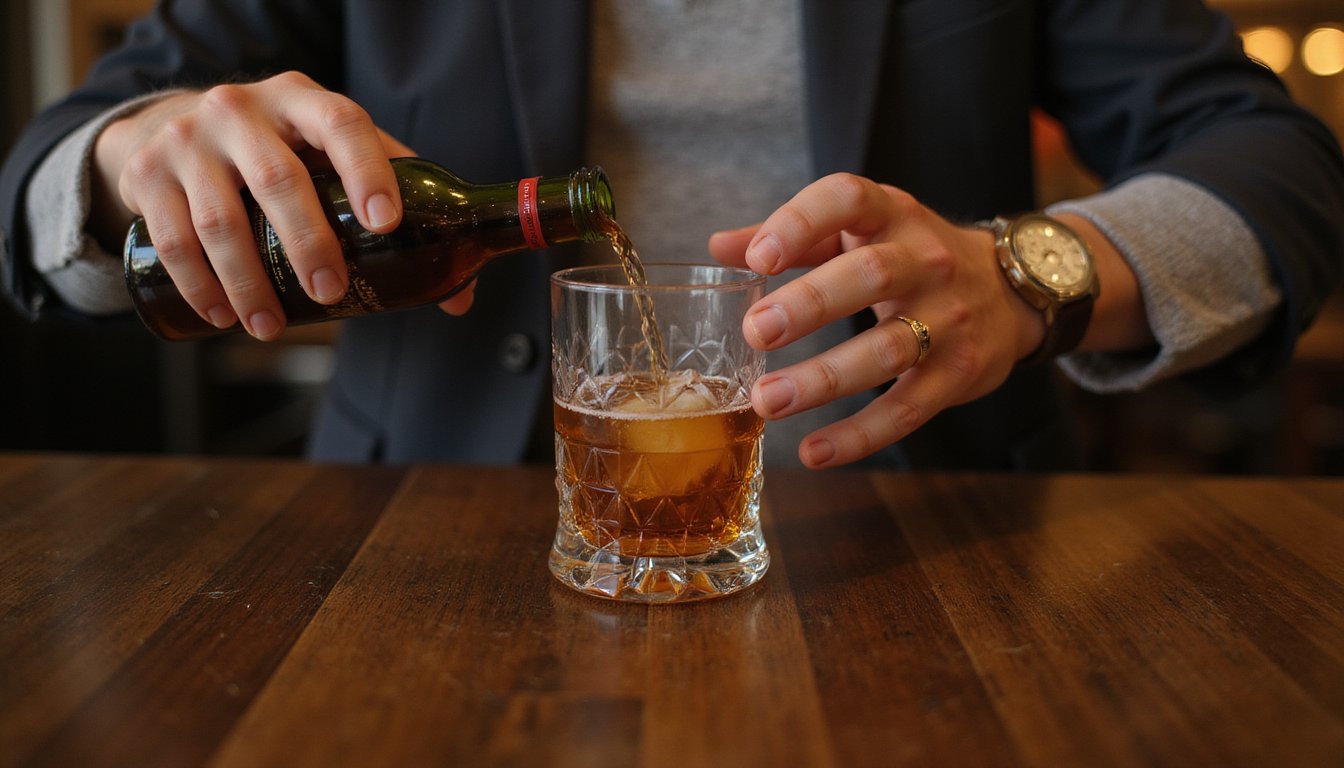
How much alcohol qualifies as “moderate” while taking Aleve? When mixing Aleve and alcohol, most guidelines suggest limiting yourself to no more than three standard drinks per day. A standard drink equals 12 oz of beer (5% ABV), 5 oz of wine (12% ABV), or 1.5 oz of distilled spirits (40% ABV).
General health recommendations often distinguish between genders, up to one drink daily for women and two for men. However, when you’re using Aleve alcohol limits may require additional caution based on your individual health status.
If you have pre-existing stomach conditions, kidney issues, or you’re taking Aleve long-term, your safe threshold drops further. Exceeding moderate limits amplifies gastrointestinal bleeding risks. This danger increases because alcohol amplifies the likelihood of ulcers and internal bleeding when combined with NSAIDs like Aleve. Consult your doctor to determine personalized limits that account for your specific circumstances.
How Aleve and Alcohol Affect Your Body Together
Beyond knowing your drinking limits, you need to understand exactly what happens inside your body when Aleve and alcohol interact. This nsaid interaction triggers multiple physiological responses that compound each substance’s individual effects.
When you combine aleve and drinking, both substances irritate your stomach lining simultaneously. Even one alcoholic beverage boosts stomach acid production, while Aleve weakens protective mucosal barriers. This dual assault substantially raises your ulcer and bleeding risk.
Your kidneys also suffer under this combination. Alcohol impairs filtration capacity, and Aleve further restricts blood flow to these organs. The result is heightened renal stress that can progress to lasting damage with continued exposure.
Additionally, you’ll experience amplified central nervous system depression, causing increased drowsiness, reduced coordination, and diminished alertness that affects daily functioning.
Warning Signs That Need a Doctor’s Attention

While most people tolerate occasional Aleve use without serious complications, combining it with alcohol creates warning signs you shouldn’t ignore. Seek immediate medical attention if you notice bloody or black stools, vomit containing blood, or severe stomach pain, these indicate potential gastrointestinal bleeding.
Mixing Aleve and alcohol can trigger dangerous gastrointestinal bleeding, watch for bloody stools, vomiting blood, or severe stomach pain.
Watch for kidney warning signs including reduced urine output, leg swelling, or dark urine. Liver damage may present as yellowing skin, upper-right abdominal pain, or persistent nausea.
Neurological symptoms require prompt evaluation. If you experience severe dizziness, confusion, or extreme drowsiness after mixing Aleve and alcohol, contact your healthcare provider immediately.
Unusual bruising or prolonged bleeding suggests clotting problems that need assessment. Don’t dismiss persistent headaches or flu-like symptoms. When these warning signs appear, stop taking Aleve and avoid alcohol until you’ve consulted a doctor.
Ready to Break Free From Alcohol Dependency?
Alcohol and Aleve don’t just mix badly in your body; they can signal something deeper. If alcohol has become a regular part of your life, you don’t have to face it alone. At Pathways Recovery Center, our experienced team is ready to help you take back control through personalized, evidence-based treatment, whether that’s inpatient care, intensive outpatient programs, or dual diagnosis treatment. Real healing is within reach. Call (916) 915-0992 today and let us walk with you toward lasting recovery.
Frequently Asked Questions
Can I Take Aleve for a Hangover After Drinking Alcohol?
You can take Aleve for a hangover, but you should proceed with caution. Since alcohol may still be in your system, combining it with naproxen increases your risk of stomach irritation, ulcers, and gastrointestinal bleeding. You’ll want to take Aleve with food and plenty of fluids to protect your stomach and kidneys. Prioritize hydration first, as evidence supporting NSAIDs for hangover relief remains limited and inconclusive.
Does Aleve Interact Differently With Beer, Wine, or Hard Liquor?
No, Aleve doesn’t interact differently based on the type of alcohol you consume. Beer, wine, and hard liquor all carry similar risks when combined with naproxen, primarily increased gastrointestinal bleeding and stomach irritation. What matters most is the total alcohol content you consume, not the source. Hard liquor’s higher concentration may cause faster absorption, but the underlying drug interaction remains the same across all alcoholic beverages.
Are Certain People More Sensitive to Mixing Aleve and Alcohol?
Yes, you’re more sensitive to this combination if you have pre-existing liver or kidney conditions, a history of stomach ulcers, or you’re over 60. If you’re recovering from alcohol addiction, even small amounts intensify side effects like drowsiness and confusion. You’re also at higher risk if you carry the ALDH2 gene variant, which affects roughly 40% of Asian individuals and impairs alcohol metabolism. Always consult your doctor before combining these substances.
Will One Glass of Wine Affect My Aleve Dose Tonight?
One glass of wine can affect your Aleve dose tonight. The alcohol will slow Aleve’s metabolism, potentially causing the drug to build up in your system. You’ll also face increased stomach irritation since both substances boost acid production. Even moderate alcohol intensifies Aleve’s drowsy side effects and reduces its pain-relieving effectiveness. If you do drink, eat a snack and switch to water afterward to minimize gastrointestinal risks.
Can I Switch to a Different Pain Reliever if I Plan to Drink?
You can switch, but no pain reliever eliminates alcohol-related risks entirely. Acetaminophen may seem safer for your stomach, yet it stresses your liver, especially problematic if you’re drinking moderately or heavily. Ibuprofen carries similar GI bleeding risks as Aleve when combined with alcohol. Opioids are never safe with alcohol due to the dangers of respiratory depression. Your safest approach is to avoid alcohol on days you need pain relief or consulting your healthcare provider first.