

Yes, weed sweats are completely normal when you’re quitting marijuana. They affect about 22% of people going through cannabis withdrawal and typically begin within 24-48 hours of your last use. Your body sweats because THC disruption causes your autonomic nervous system to recalibrate. To manage them, stay hydrated, avoid caffeine, keep your sleeping area cool, and exercise regularly. Below, you’ll find detailed strategies for each phase of withdrawal.
Weed sweats are normal. Needing help to quit is also normal.
If cannabis has been harder to walk away from than you planned, structured treatment can shorten the withdrawal window.
Understanding Cannabis Withdrawal Syndrome and Its Physical Symptoms
When you stop using marijuana after regular use, your body goes through a recognized medical condition called Cannabis Withdrawal Syndrome. Symptoms typically begin 24-48 hours after your last use and peak within 2-6 days. Cannabis dependence patterns develop because cannabinoids accumulate in your system, taking up to 30 days for full clearance in heavy users.
Your body responds with various physical symptoms, including headaches, nausea, tremors, and abdominal pain. Night sweats and gastrointestinal issues reflect the impacts on organ function as your system recalibrates. You may also experience decreased appetite and weight loss during this adjustment period.
Most acute symptoms resolve within three weeks, though some effects persist longer. Understanding this timeline helps you recognize that your experience is medically validated and temporary.
How Common Are Sweating Episodes During Marijuana Withdrawal
Nearly half of regular cannabis users experience withdrawal syndrome when they stop using, yet sweating affects a smaller subset of this group. Research shows approximately 22% of individuals with cannabis withdrawal syndrome report sweating episodes, making it less common than psychological symptoms like anxiety (76%) or sleep difficulties (68%).
You’re more likely to experience sweating if you consume higher quantities daily rather than simply using frequently throughout the week. The prevalence in mild cases tends to be lower, with sweating appearing more often alongside other physical symptoms like headaches and tremors. Cannabis withdrawal syndrome is also associated with significant disability, which can compound the challenges of managing physical symptoms like sweating during the cessation process.
Understanding that sweating affects roughly one in five people with withdrawal can help you plan appropriate symptom self management strategies. If you’re experiencing this symptom, you’re not alone, it’s a recognized physical response to cessation. These physical symptoms typically peak within the first week and generally subside within two to six weeks of quitting.
The Science Behind Why Your Body Sweats When Quitting Weed
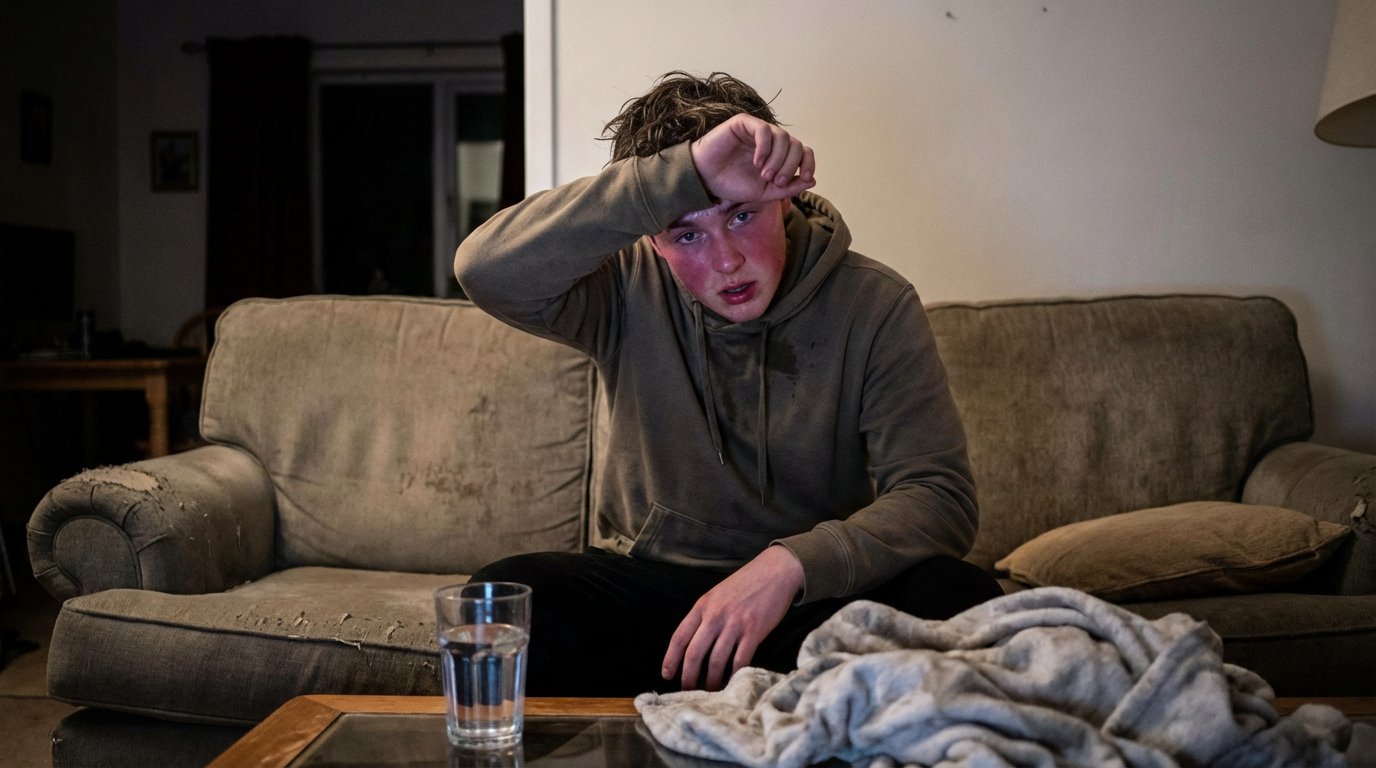
Your body’s sweating response during cannabis withdrawal stems from disruption to the endocannabinoid system, which regulates numerous physiological processes including temperature control. When you stop using marijuana, CB1 receptor downregulation triggers compensatory autonomic nervous system responses that increase sweat gland activity. These changes occur because your hypothalamus, the brain’s thermoregulatory center, must recalibrate how it manages body temperature without THC’s influence. The intensity of sweating and other physical symptoms depends on your level of dependence, with heavy users typically experiencing more pronounced effects than light users.
Endocannabinoid System Disruption
Although sweating during cannabis withdrawal might feel alarming, it’s actually a predictable response rooted in how your endocannabinoid system (ECS) functions. When you regularly consume THC, it binds to CB1 receptors in your brain, fundamentally taking over neurotransmitter regulation that your body normally handles independently.
Your ECS controls pivotal processes including temperature regulation and mood. During consistent THC use, your body reduces its natural endocannabinoid production, particularly anandamide, your “bliss molecule.” Once you quit, your system must reboot and resume producing these chemicals on its own. THC dependence is more common with high-potency forms like concentrates, edibles, or vape cartridges, which can intensify withdrawal symptoms including sweating.
This homeostasis restoration process triggers various physiological responses as your body seeks balance. Sweating represents your nervous system recalibrating without THC’s influence. The adjustment typically peaks within the first week and subsides as your ECS regains its natural regulatory capacity. Symptoms typically peak between days 2-6 before gradually declining as your endocannabinoid system adjusts to functioning without external THC.
Autonomic Nervous System Response
The endocannabinoid system doesn’t operate in isolation, it works hand-in-hand with your autonomic nervous system (ANS), which controls involuntary functions like heart rate, digestion, and yes, sweating.
When THC levels drop after cessation, your brain experiences neurotransmitter imbalances that trigger sympathetic autonomic hyperactivity. This manifests within 24-72 hours as sweating, tremors, chills, and restlessness, peaking around day three. The intensity of these withdrawal symptoms can vary based on amount of consumption, gender, genetic predisposition, and environmental factors.
Your parasympathetic nervous system, which normally counterbalances sympathetic activity, struggles to maintain equilibrium during this period. The result is compensatory activation patterns that leave your body in a heightened state of arousal. These adjustments in the autonomic nervous system often accompany other physical manifestations such as headaches and general restlessness.
Research confirms these symptoms reverse with THC administration, demonstrating clear pharmacological specificity. This isn’t psychological, it’s your nervous system recalibrating after chronic cannabis exposure. Most acute autonomic symptoms resolve within one to two weeks as your system stabilizes.
Body Temperature Regulation Changes
Deep within your brain, the hypothalamus functions as your body’s thermostat, maintaining core temperature at approximately 98°F (37°C) through precise hormonal and neural signaling. THC binds to CB1 receptors in this region, altering endocannabinoid system regulation over time. When you quit, hypothalamic hormone disruption occurs as your brain recalibrates without cannabinoid input.
| Timeline | Temperature Response |
|---|---|
| 48 hours | Initial increases observed |
| Days 5-6 | Peak chills and sweats |
| 96+ hours | Gradual symptom reduction |
This dysregulation explains the hot-cold cycles you’re experiencing. Your body’s natural thermoregulation processes were altered during chronic use, and receptor downregulation now forces system recalibration. These fluctuations, while uncomfortable, indicate your brain is actively restoring normal function. While temperature dysregulation can be unsettling, it is rarely life-threatening and can typically be managed with proper hydration, exercise, and good sleep hygiene. The endocannabinoid system plays a key role in regulating various bodily functions, including temperature regulation, which is why withdrawal symptoms manifest so prominently as sweating and chills.
Other Symptoms That Often Accompany Withdrawal Sweats

When you’re experiencing night sweats during marijuana withdrawal, you’ll likely notice several other symptoms occurring simultaneously. Sleep disturbances, including insomnia and vivid dreams, frequently accompany sweating and can persist for 30-45 days. You may also experience irritability, anxiety, and restlessness alongside these physical symptoms.
Psychological cravings for cannabis often intensify during the first week, increasing relapse risk. Cognitive disruptions may affect your concentration and mental clarity during this period. Physical discomforts like headaches, nausea, tremors, and gastrointestinal issues typically peak around day three. Research indicates that females may experience more severe withdrawal symptoms than males, though additional studies are needed to confirm this finding.
Your appetite may decrease noticeably within 24-72 hours of quitting. Most acute symptoms resolve within three weeks, though mood changes can linger up to five weeks. These withdrawal experiences occur because your body adjusts to not having a regular supply of THC, the primary psychoactive ingredient that your brain developed a tolerance for during use. Understanding this cluster of symptoms helps you recognize that your experience falls within normal withdrawal patterns.
Risk Factors That Increase Your Chances of Experiencing Weed Sweats
If you’ve been using cannabis heavily or daily, you’re more likely to experience weed sweats and other withdrawal symptoms due to the significant downregulation of cannabinoid receptors that occurs with frequent use. Your age also plays a role, starting cannabis use before age 18 increases your risk of developing marijuana use disorder by four to seven times, which directly correlates with more intense withdrawal experiences. Understanding these risk factors can help you prepare for what to expect and seek appropriate support during your quit journey.
Heavy, Frequent Cannabis Use
How noticeably does your cannabis use pattern affect withdrawal symptoms like sweating? Research shows daily cannabis use considerably increases your chances of experiencing withdrawal symptoms, including sweating (β = 0.004, P < .001). If you’re using cannabis daily over several months, you can expect withdrawal to begin within one week of stopping.
The intensity matters profoundly. Studies demonstrate that the number of joints you smoke per day directly correlates with symptom severity, more than weekly frequency alone. This dose-response relationship means heavy users face elevated physical symptoms like sweating.
While genetic predisposition plays a role in withdrawal experiences, high frequency patterns remain the strongest predictor. Among regular or dependent users, withdrawal prevalence reaches 47%. Understanding your use pattern helps you anticipate what to expect and prepare appropriate management strategies.
Younger User Age
Beyond your usage patterns, your age markedly influences how your body responds when you stop using cannabis. Young adults aged 18-29 represent 50% of frequent users experiencing withdrawal symptoms, including excessive sweating. Your developmental trajectory matters because adolescent and young adult brains continue developing through the mid-20s, creating heightened sensitivity to THC’s effects.
| Age Factor | Impact | Relevance to Sweats |
|---|---|---|
| Brain development | Incomplete until mid-20s | Stronger dependence pathways |
| THC tolerance | Builds more rapidly | Intensifies withdrawal response |
| Neuroplasticity | Enhanced in youth | Longer recovery periods |
| Socioenvironmental factors | Stress amplification | Heightened perspiration |
| System sensitivity | Increased vulnerability | Multiple symptom clusters |
Your developing endocannabinoid system responds more intensely during cessation. Night sweats and excessive perspiration typically intensify during your first three days of quitting.
Timeline of Sweating and Other Withdrawal Symptoms After Quitting
Understanding the typical timeline of marijuana withdrawal helps you anticipate what’s ahead and recognize that your symptoms are temporary.
During the first 24-48 hours, you’ll likely notice sweating, headaches, and gastrointestinal discomfort beginning. Research studies show symptoms peak between days 3-7, when excessive sweating, chills, and night sweats reach maximum intensity. About 47% of people experience multiple symptoms during these initial weeks.
Withdrawal symptoms peak between days 3-7, with nearly half of people experiencing multiple symptoms during the first weeks.
After day 7, sweating starts diminishing, though it may persist through day 14. By weeks 2-4, most symptoms resolve considerably. However, night sweats can continue up to six months in chronic users. While research on effects on menstrual cycle remains limited, hormonal fluctuations may influence symptom severity.
Your body typically clears THC within 30 days, with heavy users requiring up to three months for complete elimination.
Dual Diagnosis Cannabis Treatment in Roseville, CA
Anxiety, PTSD, and depression frequently surface when heavy cannabis use stops. Pathways treats both together with EMDR, CBT, and DBT integrated into every level of care.
Kaiser • Aetna • Cigna • Anthem • BCBS accepted
Practical Tips for Managing Night Sweats and Excessive Perspiration
Several practical strategies can help you manage the uncomfortable sweating that accompanies marijuana withdrawal. Start by drinking plenty of water and replacing electrolytes lost through perspiration. Avoid caffeine until your sleep improves, as it can worsen sweating episodes.
Dietary adjustments support your recovery, eat potassium-rich foods like bananas and leafy greens while avoiding fatty or processed foods. Warm milk before bed may reduce night sweat intensity.
Keep your sleeping environment cool with breathable bedding and lower humidity. Take extra showers and change sheets promptly after heavy sweating.
These harm reduction strategies address physical discomfort while supporting mental health considerations during withdrawal. If sweating becomes severe or persists, consult a physician. Medical detox programs offer supervised monitoring and FDA-approved medications for intense symptoms requiring professional intervention.
Lifestyle Changes That Help Reduce Withdrawal-Related Sweating
Making targeted lifestyle changes can greatly reduce the intensity and frequency of withdrawal-related sweating you’re experiencing. Regular physical activity helps regulate your body’s thermostat while accelerating the elimination of THC stored in fat cells, and proper hydration paired with nutrient-dense foods supports your body’s natural detoxification processes. Improving your sleep hygiene also plays a vital role, as quality rest helps stabilize the autonomic nervous system functions that control perspiration.
Exercise and Physical Activity
When you’re battling cannabis withdrawal sweats, regular exercise serves as one of the most effective natural interventions because it directly targets the underlying biological mechanisms driving your symptoms.
Physical activity activates your endocannabinoid system, elevating AEA levels two- to threefold after 30-45 minutes at moderate-to-vigorous intensity. This exercise induced euphoria helps restore function in brain regions affected by chronic cannabis use, fundamentally providing your body with a natural substitute for the dysregulated endocannabinoids causing withdrawal symptoms.
Research shows that 30 minutes of moderate aerobic exercise daily reduces cravings and improves mood outcomes. You’ll likely notice exercise related enjoyment increasing as your body adapts, while simultaneously experiencing fewer sweating episodes, reduced irritability, and better sleep quality. These combined benefits make consistent physical activity crucial during your recovery process.
Hydration and Diet Tips
Beyond physical activity, your body’s fluid and nutrient balance plays a direct role in managing withdrawal-related sweating. Night sweats flush toxins but deplete essential minerals, making fluid intake monitoring critical during peak withdrawal. Drink water consistently throughout the day, taking frequent sips to prevent dehydration. Avoid caffeine, alcohol, and other stimulants that worsen sweating and disrupt sleep.
Following dietary supplement guidelines, focus on replenishing potassium through bananas and leafy greens. These nutrients replace what you’re losing through excessive perspiration. Cut fatty foods if you’re experiencing digestive difficulties, and opt for nutrient-dense small meals despite reduced appetite.
Limit fluids before bedtime to minimize sleep disruptions, but rehydrate after night sweats requiring sheet changes. Warm milk before bed can aid sleep while supporting your body’s recovery process.
Sleep Hygiene Improvements
Eliminate screens one hour before bed, as blue light disrupts sleep onset. Avoid caffeine, alcohol, and nicotine in evening hours, these substances intensify sweating and prevent restorative sleep stages. Complete any exercise 3-4 hours before bedtime to prevent elevated body temperature from disrupting your rest.
When Sweating Indicates a More Severe Withdrawal Response
Although most people experience mild to moderate sweating during marijuana withdrawal, certain signs suggest you’re dealing with a more severe response that warrants closer attention.
Heavy dependence can trigger intense physical symptoms including sweating paired with tremors, hallucinations, and chills. When night sweats become severe enough to require changing clothes or sheets multiple times, or when sweating clusters with persistent nausea, vomiting, and abdominal pain, you may be experiencing cannabinoid hyperemesis syndrome, a condition requiring medical evaluation.
Watch for potential complications like dehydration, which can lead to seizures if left untreated. Symptoms persisting beyond several weeks or those involving emergency room visits for severe vomiting signal the need for professional intervention. If you’re experiencing aggression, severe anxiety, or flu-like symptoms alongside profuse sweating, contact a healthcare provider or call SAMHSA’s helpline.
Long-Term Outlook for Physical Symptoms After Cannabis Cessation
Understanding when symptoms require medical attention helps you respond appropriately to severe withdrawal, but knowing the typical recovery timeline can also provide reassurance as you move through this process.
Physical symptoms like sweating, headaches, and tremors typically resolve within two weeks as cannabinoids clear your system. However, if you’re a heavy, frequent user, certain physical effects may persist up to three weeks. Research shows residual physical symptoms correlate with initial cannabinoid levels at cessation but diminish steadily thereafter.
While physical discomfort fades relatively quickly, sleep disturbances and psychological symptoms often last longer, carrying mental health implications that may require ongoing support. If you’ve used cannabis for chronic pain management, you’ll need alternative strategies during recovery. The evidence confirms most physical symptoms follow a predictable decline, offering a clear endpoint to anticipate.
Weed Sweats Are Normal But You Do Not Have to Face Them Alone
Weed sweats are a common part of quitting marijuana, but that does not mean you have to manage them without proper support. When drugs or alcohol take over your life, it feels scary, but Pathways Recovery Center in Sacramento can help with luxury drug rehab and alcohol rehab, plus addiction treatment designed for both men and women. Our intensive outpatient substance abuse treatment program is built to help you through every stage of withdrawal, with dedicated weed addiction treatment and flexible evening IOP programs designed to fit your lifestyle. Call us today at (916) 545-8495 and let Pathways Recovery help you move past withdrawal and toward lasting recovery.
Ready When You Are
If quitting weed surfaces more than you planned for, verify your benefits.
Free and confidential coverage check by phone in about 15 minutes. Available 24/7.
Frequently Asked Questions
Can I Use CBD Products to Help Manage Withdrawal Sweats Without Relapsing?
Yes, you can use CBD products to help manage withdrawal sweats without significant relapse risk. Research shows CBD doesn’t trigger the same reward pathways as THC. Consider hemp oil usage orally or topical CBD creams applied directly to areas experiencing excessive sweating. Studies demonstrate CBD’s excellent safety profile and anxiety-reducing properties, which may indirectly help regulate sweating. However, you should consult a healthcare provider to verify these products won’t interfere with your recovery goals.
Do Edible Users Experience Different Sweating Patterns Than Smokers During Withdrawal?
Current research doesn’t specifically compare sweating patterns between edible users and smokers during withdrawal. However, potency variations and dosage factors likely influence your experience. Edibles often deliver higher, longer-lasting THC concentrations, which may affect withdrawal intensity. What matters most is your overall consumption level and duration of use. Regardless of your consumption method, you’ll benefit from the same management strategies: staying hydrated, limiting caffeine, and seeking support when needed.
Will Prescription Medications Help Reduce My Withdrawal Sweating Symptoms?
Prescription medications can help manage your withdrawal symptoms, though none specifically target sweating. Your doctor may consider clonidine as a prescription alternative, which reduces sweating in other withdrawal scenarios. Benzodiazepines or gabapentin address underlying anxiety that triggers sweats. Before starting any treatment, discuss potential medication interactions with your healthcare provider. They’ll tailor a supervised plan combining appropriate medications with supportive therapies, ensuring safe, effective relief while your symptoms naturally resolve.
Does Exercising During Withdrawal Make Sweating Worse or Help Detox Faster?
Exercising during withdrawal actually helps rather than making sweating worse. While physical activity temporarily causes an increased heart rate and sweating, it activates your endocannabinoid system, restoring function disrupted by chronic cannabis use. Research shows aerobic exercise at 70-80% intensity for 30-45 minutes elevates mood-boosting endocannabinoids two- to threefold. This counters reduced circulation issues and alleviates the overall withdrawal symptom cluster, including sweating, while supporting faster recovery and improved abstinence outcomes.
Are Withdrawal Sweats Different for Medical Cannabis Users Versus Recreational Users?
Research shows withdrawal sweats aren’t substantially different between medical and recreational users, both experience similar flu-like symptoms, including perspiration peaking around day three. However, withdrawal patterns can vary based on usage frequency and duration rather than the reason for use. Medical usage effects may include fewer overall symptoms, particularly in older patients, though sweating remains prevalent across both groups. Your body’s response depends more on how much and how long you’ve consumed cannabis.