

When you stop taking kratom after regular use, withdrawal symptoms typically begin within 6, 12 hours. You’ll likely experience flu-like symptoms, muscle aches, nausea, sweating, and anxiety. Peak symptoms hit hardest between days 2, 4, while physical symptoms generally resolve by days 5, 7. Psychological effects, including depression and cravings, can linger longer. Understanding kratom detox and how your dose history, frequency, and physiology influence severity helps you prepare before you start the process.
What Kratom Withdrawal Does to Your Body

When kratom use stops abruptly, your body enters a state of physiological adjustment that produces a wide range of withdrawal symptoms. During kratom detox, you may experience muscle aches, nausea, sweating, chills, and gastrointestinal distress. Psychologically, kratom withdrawal often triggers severe anxiety, irritability, depression, and intense cravings. Sleep disruptions are common, including insomnia, restless legs, and persistent fatigue. In more serious cases, kratom withdrawal symptoms can include tremors, increased heart rate, and, rarely, hallucinations or delusions. Chronic use may also contribute to longer-term effects such as hormonal disruption, liver and kidney stress, and reduced cognitive function. Understanding these physical and psychological responses helps you recognize what your body’s going through and prepares you for the recovery process ahead.
How Long Does Kratom Withdrawal Actually Last?
Kratom withdrawal typically follows a predictable timeline, beginning within 6, 12 hours of your last dose, peaking between days 2, 4, and largely resolving within 7 days for most people. Your physical symptoms tend to improve faster than psychological ones, with fatigue, insomnia, and cravings potentially persisting into weeks two and beyond. How long you experience withdrawal depends on factors like your dosage history, frequency of use, overall health, and whether medication-assisted options like Suboxone are part of your detox plan. Early physical symptoms commonly include abdominal cramping, nausea, fever, and muscle and bone pain. Kratom withdrawal typically follows a predictable timeline, beginning within 6, 12 hours of your last dose, peaking between days 2, 4, and largely resolving within 7 days for most individuals. Understanding Kratom detection times in urine tests can help put this process into perspective, as metabolites may remain detectable even after acute symptoms begin to subside. Physical symptoms generally improve faster than psychological ones, with fatigue, insomnia, and cravings often persisting into weeks two and beyond. The overall duration varies based on factors such as dosage history, frequency of use, general health, and whether medication-assisted treatments like Suboxone are included in your detox plan. Early physical symptoms commonly include abdominal cramping, nausea, fever, and muscle and bone pain.
Withdrawal Timeline Breakdown
Understanding the kratom withdrawal timeline can help you set realistic expectations and better prepare for the detox process. Symptoms typically begin within 6 to 12 hours after your last dose, starting mild before intensifying. The acute phase peaks between 24 and 72 hours, bringing severe muscle aches, flu-like symptoms, insomnia, and heightened psychological distress. This stage carries the highest relapse risk during kratom withdrawal detox. After the peak, physical symptoms begin to subside between days 4 and 7, though emotional challenges may persist.
Peak Symptoms Duration
Once the acute phase sets in, many people want to know exactly how long the worst of it lasts. Evidence suggests symptoms intensify between days 2 and 4, with peak severity typically occurring around the 72, 96 hour mark after your last dose. Day 4 often represents the hardest physical and emotional point you’ll encounter.
Physical symptoms, muscle pain, nausea, sweating, and restless legs, begin tapering after day 4, with noticeable reduction by days 5, 7. Psychological symptoms, including anxiety, cravings, and mood instability, tend to persist beyond the physical peak. You shouldn’t expect an immediate resolution once physical discomfort subsides. The shift into a subacute phase follows, where psychological challenges often require continued clinical attention and structured support.
Factors Affecting Recovery Length
How long kratom withdrawal actually lasts depends on several interconnected factors rather than a fixed timeline. Your daily dose, duration of use, and the specific kratom form you’ve consumed all shape your recovery experience. Higher doses and longer use histories typically extend and intensify symptoms, while concentrated extracts or 7-OH shots create steeper dependence curves.
| Factor | Lower Risk | Higher Risk |
|---|---|---|
| Daily Dose | Low/moderate amounts | Heavy, escalating doses |
| Type of Kratom | Leaf powder | Extracts or shots |
| Overall Health | Strong baseline health | Co-occurring conditions |
Your metabolism and support system also influence recovery length. Faster metabolism shortens clearance time, while strong psychological support can meaningfully reduce post-acute withdrawal duration.
Kratom Withdrawal Symptoms in the First 12 Hours
Within the first 12 hours after your last dose, you’ll likely notice both physical and psychological symptoms beginning to surface. On the physical side, you may experience mild muscle aches, sweating, a runny nose, and stomach discomfort that resembles a flu-like onset. Psychologically, you’ll often find that irritability, anxiety, and strong cravings emerge early, making this initial window a critical period to monitor carefully.
Initial Physical Symptoms
As the body begins adjusting to the absence of kratom, initial withdrawal symptoms typically emerge within 6 to 12 hours after the last dose. You’ll likely notice early flu-like signs first, including excessive sweating, a runny nose, and watery eyes. A mild fever may also develop during this window.
Physically, you may experience muscle aches, joint discomfort, stomach upset, and emerging bone pain. These symptoms often build gradually rather than appearing all at once. Alongside the physical discomfort, restlessness, irritability, and mild anxiety typically increase in intensity over the first several hours.
Cravings for kratom tend to surface alongside these physical symptoms, creating an early relapse risk. Symptom severity varies based on your dosage history, frequency of use, and overall health. Identifying effective treatment methods for kratom dependency is crucial for those seeking recovery. Professional support and therapeutic interventions can significantly alleviate withdrawal symptoms and reduce cravings.
Early Psychological Effects
Alongside the physical discomfort described above, psychological symptoms emerge with similar timing, typically within 6 to 12 hours after your last dose. You’ll likely notice irritability, anxiety, and restlessness appearing together as your brain adjusts to kratom’s absence. These symptoms reflect the withdrawal of kratom’s calming effects on your neurological system.
Powerful cravings also develop during this window, driven by your body’s urge to relieve mounting discomfort. These cravings indicate dependency and may intensify as other psychological symptoms build. Mood swings can accompany this stage, with emotional volatility sometimes worsened by early sleep disruption.
While these initial psychological effects remain manageable for many individuals, their intensity varies depending on your history of use, and professional monitoring during this period may support safer symptom management.
What Kratom Withdrawal Feels Like at Peak: Hours 24, 72
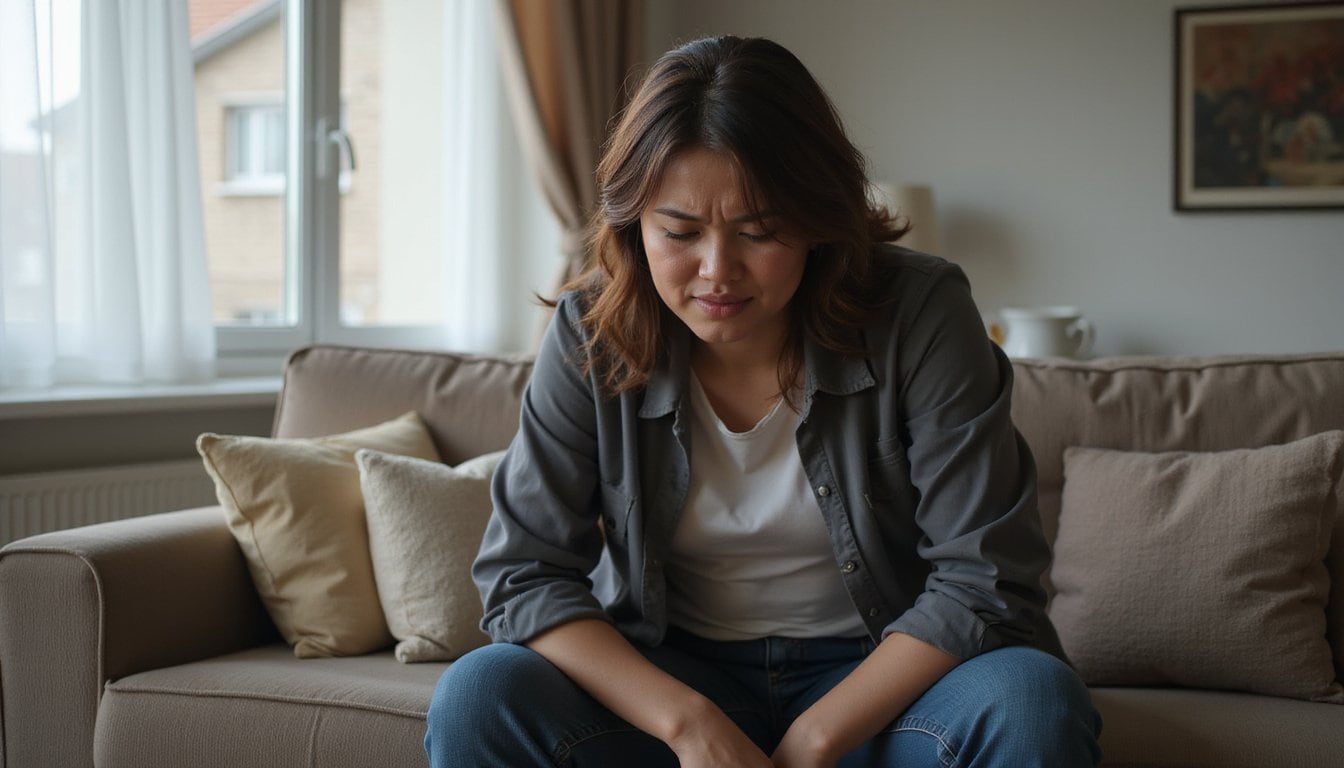
The 24, 72 hour window marks the peak of kratom withdrawal, and it’s during this period that physical and psychological symptoms reach their highest intensity. You’ll likely experience severe muscle cramps, joint pain, sweating, chills, and significant gastrointestinal distress, including nausea, vomiting, and diarrhea. Restless legs and tremors may also emerge, making rest nearly impossible despite persistent fatigue.
Psychologically, anxiety and panic attacks intensify, while irritability, mood swings, and depression typically peak around days 2, 3. Cravings are strongest during this phase, which increases relapse risk.
Sleep disturbances dominate this window, with severe insomnia compounding physical discomfort. Most individuals find days 3, 4 the most difficult. After 72 hours, acute symptoms generally begin subsiding, though psychological effects may persist beyond physical resolution.
Why Kratom Withdrawal Hits Some People Much Harder
Kratom withdrawal doesn’t affect everyone equally, and several well-documented factors help explain why some people struggle far more than others. If you’ve used kratom for an extended period, your physical dependence is likely deeper, and your withdrawal will probably be longer and more intense. Higher daily doses and frequent dosing patterns compound this further, accelerating tolerance buildup and intensifying symptoms like cravings, mood disruption, and autonomic effects. Your individual physiology also plays a significant role, genetics, metabolism, and co-occurring mental health conditions all influence how severely your body responds. Polysubstance use adds another layer of risk; if you’ve combined kratom with opioids, alcohol, or prescription medications, or if you have a prior opioid dependence history, your withdrawal experience is likely to be considerably more complicated.
What Actually Helps During Kratom Detox

Managing kratom detox effectively means combining several targeted strategies rather than relying on any single approach. Each method addresses different dimensions of withdrawal, improving your overall comfort and safety. Understanding the effects of kratom on the body is crucial in facilitating a smoother detox process. By recognizing how this substance interacts with various systems, individuals can better tailor their recovery strategies. This knowledge not only helps mitigate withdrawal symptoms but also enhances the overall effectiveness of the detox regimen.
Consider these evidence-supported approaches:
- Tapering gradually, Reduce your dosage incrementally rather than stopping abruptly, allowing your brain chemistry to rebalance without triggering intense rebound symptoms.
- Supporting your body naturally, Use magnesium supplements, vitamin B complexes, and adequate hydration to counteract fatigue, muscle tension, and dehydration.
- Adjusting your lifestyle, Prioritize rest, avoid caffeine and sugar, and incorporate warm baths to reduce physical discomfort.
- Pursuing medical intervention, Buprenorphine-naloxone or clonidine, administered under professional supervision, offers clinically preferred support beyond home remedies alone.
Natural strategies work best when professional guidance enhances them.
Recovery From Kratom Addiction Is Closer Than You Think
Kratom addiction can progress faster than most people expect, but lasting recovery is absolutely possible. At Pathways Recovery, we provide trusted Medical Detoxification to help you safely begin your journey toward a healthier, stronger life. Call (916) 735-8377 today and take the first step toward lasting recovery.
Frequently Asked Questions
Can You Detox From Kratom Safely at Home Without Medical Supervision?
You may be able to detox from kratom at home if your use has been low-dose and short-term, but it’s not without risks. Withdrawal symptoms like nausea, insomnia, and muscle aches can become difficult to manage alone. No controlled studies confirm at-home detox safety. If you have heart or lung disease, a seizure history, or pregnancy, you’ll need medical evaluation first. Consulting a healthcare professional before attempting home detox is strongly recommended.
Does Kratom Detox Affect Your Ability to Work or Function Daily?
Yes, kratom detox can greatly impact your ability to work and function daily. You’ll likely experience fatigue, muscle pain, insomnia, and cognitive difficulties like mental fog and poor concentration. Emotional symptoms, including anxiety, mood swings, and cravings, can further diminish your productivity and motivation. These symptoms may persist for several days to weeks, disrupting your routines and professional responsibilities. Consulting a healthcare professional can help you manage symptoms more effectively during this period.
Can Kratom Withdrawal Symptoms Return After Completing the Detox Process?
Yes, withdrawal symptoms can return after you complete detox through a condition called Post-Acute Withdrawal Syndrome (PAWS). You may experience psychological symptoms like mood swings, anxiety, brain fog, sleep disturbances, and cravings weeks or even months after acute withdrawal ends. Research indicates 86% of individuals reported severe fatigue after quitting kratom. PAWS considerably increases your relapse risk, so you should seek medical attention if these symptoms develop.
What Should Family Members Do to Support Someone During Kratom Detox?
You can support someone during kratom detox by creating a calm, restful environment stocked with nutritious foods, hydration, herbal teas, and supplements like magnesium and vitamin B complexes. You’ll want to maintain open communication, attend family therapy sessions, and connect with Nar-Anon or Al-Anon groups for guidance. Clear your schedule to minimize external stressors, and encourage professional treatment involvement to address underlying factors that detox alone doesn’t resolve.