

Using meth while pregnant raises your heart rate and blood pressure. That increases your risk of preeclampsia, placental abruption, and preterm birth. It can also restrict your baby’s growth, leading to low birth weight and smaller head size. Continued use carries greater risk than early exposure alone, so stopping at any point may improve outcomes. You don’t have to do it alone. Below, you’ll find how these risks unfold and where to get support alongside prenatal care.
Key Takeaways
- Meth raises maternal heart rate and blood pressure, increasing risks of gestational hypertension, preeclampsia, placental abruption, and preterm birth.
- Prenatal meth exposure is linked to fetal growth restriction, low birth weight, and smaller head circumference.
- Continued meth use throughout pregnancy carries greater risks than first-trimester-only exposure, including earlier delivery and lower birth weight.
- Exposed newborns may experience feeding difficulties and central nervous system stress, with possible long-term developmental and behavioral effects.
- Stopping meth at any point may improve outcomes; seek help from prenatal providers or call SAMHSA’s helpline at 1-800-662-4357.
What does meth use during pregnancy do
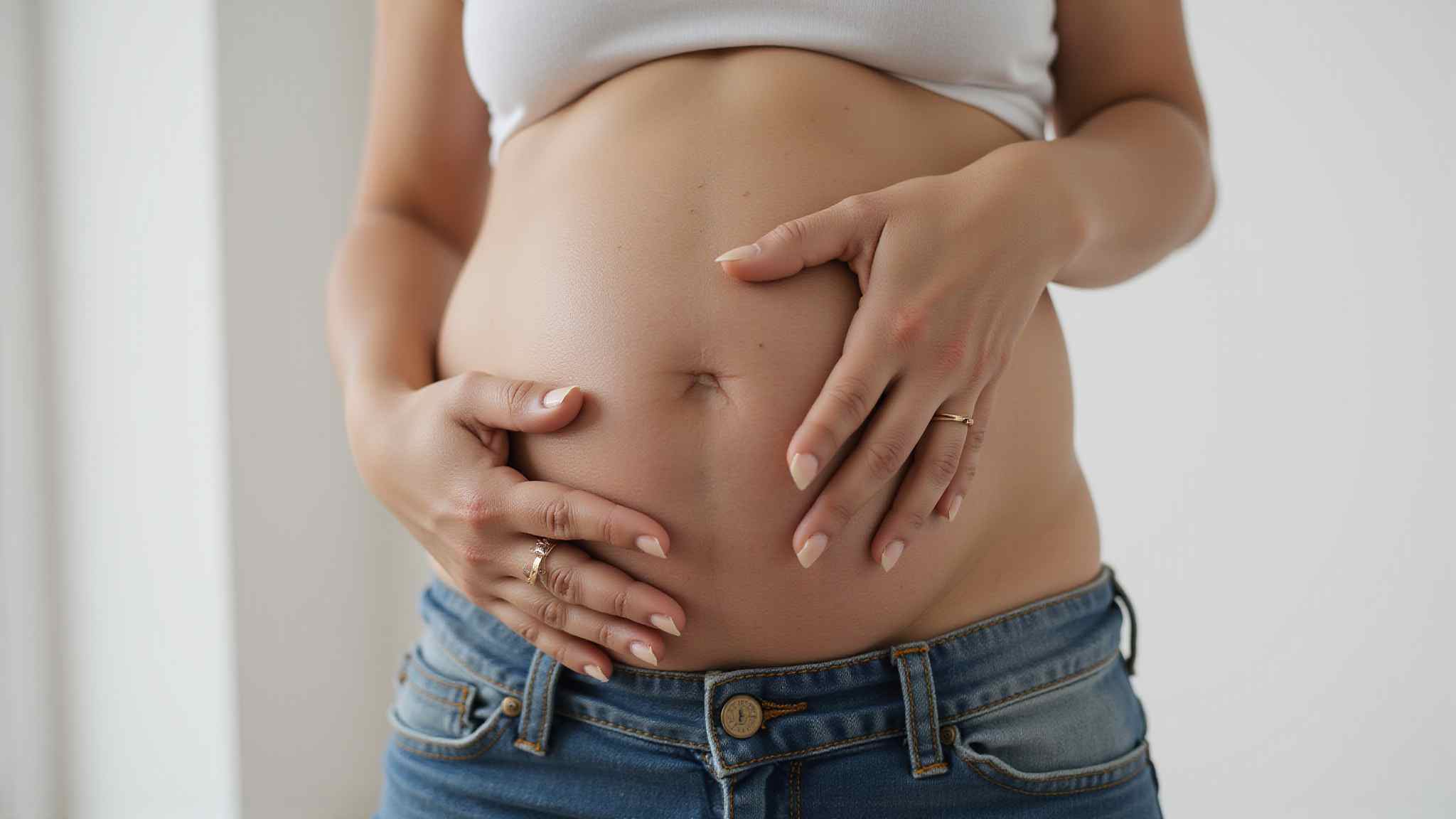
Methamphetamine use during pregnancy can harm both your health and your baby’s development, because it raises heart rate and blood pressure. Studies link use with gestational hypertension, preeclampsia, placental abruption, and preterm birth. Your baby may face fetal growth restriction, low birth weight, and smaller head circumference. In one study, infants with meth detected at birth averaged 2,932 grams, compared with 3,300 grams after first-trimester-only exposure.
After birth, exposed newborns may have feeding difficulties, signs of central nervous system stress, or need intensive care. Research also suggests possible developmental and behavioral effects, though long-term data remain limited. Because tobacco, other substances, and social factors also affect outcomes, researchers can’t always isolate meth’s role. Still, stopping at any point in pregnancy can improve your baby’s outcomes.
How meth affects the developing fetus
Meth use during pregnancy can restrict how your baby grows in the womb. Research links prenatal exposure to fetal growth restriction, low birth weight, and smaller head circumference. In one study, babies with meth detected at birth averaged 2,932 grams, compared with 3,300 grams for those exposed only in the first trimester. Exposed babies were also born slightly earlier, at 38.5 weeks versus 39.1 weeks.
Continued use through pregnancy carries greater risk than early exposure alone, and it’s associated with preterm delivery and low birth weight, which can contribute to newborn illness. Findings aren’t uniform. Tobacco, other substances, and health conditions can also shape outcomes. If you stop at any point, you may still improve your baby’s growth and birth outcomes.
What maternal health risks meth adds during pregnancy

Meth raises your heart rate and blood pressure during pregnancy, and studies link its use to gestational hypertension and preeclampsia. These conditions can strain your heart, kidneys, and other organs. Researchers also report placental abruption and other placental complications, which can cause bleeding and endanger you and your baby. Meth use is associated with preterm birth and shorter pregnancies, too.
It’s hard to pin down exact risks because tobacco, other substances, health conditions, and socioeconomic factors also shape outcomes. Still, you can lower your risk. Stopping meth at any point in pregnancy may improve birth outcomes, and prenatal care helps your clinician catch problems like high blood pressure early. You don’t need to quit first to start care.
What complications meth increases for the baby
Prenatal meth exposure is linked to fetal growth restriction, low birth weight, and smaller head circumference in babies. In one study, infants with meth detected at birth averaged 2,932 grams, compared with 3,300 grams after first-trimester-only exposure, and exposed infants arrived earlier: 38.5 versus 39.1 weeks. Continuous use has been associated with preterm delivery and low birth weight, which can contribute to neonatal illness.
After birth, your baby may have feeding difficulties, need intensive care, or show differences in movement, arousal, and signs of central nervous system stress. Evidence suggests possible developmental, behavioral, and cognitive effects, though long-term data remain limited. These associations don’t prove meth alone causes each outcome. Share your exposure history with your baby’s care team so they can plan monitoring and follow-up.
How meth-exposed pregnancy compares to other substance exposures

Methamphetamine’s effects during pregnancy are hard to separate from those of other substance exposures, because many people who use it also use tobacco or other substances. A review lists stimulants among the most commonly used substances during pregnancy in the United States, but measuring use and outcomes remains challenging.
| Factor | Why it complicates comparison |
|---|---|
| Tobacco use | Can independently affect birth outcomes |
| Other substances | Overlapping exposures blur meth-specific effects |
| Health conditions | May influence growth and gestation |
| Socioeconomic factors | Can shape prenatal care access and outcomes |
Most evidence comes from observational studies, so you can’t assume meth alone caused an outcome. Still, some studies show greater risk with continued use than with early-only exposure, so telling your care team about every substance you use helps them plan your monitoring.
Why getting help during pregnancy is urgent but possible
Getting help during pregnancy is urgent because some studies link continued methamphetamine use through pregnancy with greater risk than exposure limited to early pregnancy, and it is possible because stopping use at any point in pregnancy may improve birth outcomes. You don’t need to wait until you’ve quit to seek care, and early action is worthwhile.
Contact an obstetric clinician, midwife, primary-care provider, or addiction-treatment professional promptly. Ask for nonjudgmental, coordinated prenatal and substance-use care. Your team may offer cognitive behavioral therapy, contingency management, or motivational interviewing, along with peer support. You can also call SAMHSA’s national helpline at 1-800-662-HELP (4357) for treatment referrals.
Seek urgent medical care for chest pain, severe headache, trouble breathing, fainting, severe abdominal pain, vaginal bleeding, or reduced fetal movement. If you suspect overdose or immediate danger, call emergency services.
How Pathways Recovery supports pregnant women who use meth
Pathways Recovery supports pregnant women who use meth by discussing their situation with them and explaining how its services can fit alongside their prenatal care. Ask which evidence-based behavioral treatments it offers, such as cognitive behavioral therapy, contingency management, and motivational interviewing. You can also ask whether it coordinates with your obstetric clinician or midwife and offers peer support. No medication is established for methamphetamine withdrawal or abstinence, so behavioral care remains central. Treatment should be individualized, and you don’t need to stop using before you reach out. Stopping at any point in pregnancy may improve birth outcomes. If you need other options, SAMHSA’s helpline, 1-800-662-HELP (4357), provides treatment referrals. Seek urgent care for vaginal bleeding, chest pain, fainting, or reduced fetal movement.
Get Support for Meth Use During Pregnancy
If you are using meth during pregnancy, getting help early matters for both your health and your pregnancy. Pathways Recovery provides meth addiction treatment to help you address ongoing stimulant use, cravings, and recovery while coordinating with appropriate medical providers.
Call (916) 735-8377 to discuss treatment options and take the next step.
Frequently Asked Questions
Will My Doctor Report My Meth Use to Child Protective Services?
Reporting requirements vary by state, the circumstances of the case, and the type of healthcare setting involved. Some states have laws addressing reporting or plans of safe care for prenatal substance exposure, but a positive test or disclosure does not mean the same outcome in every state. Ask your healthcare provider what confidentiality and reporting rules apply where you live. Do not delay prenatal or addiction care because you are worried about reporting.
Can I Breastfeed if I Used Meth During Pregnancy?
If you are currently using methamphetamine, breastfeeding is generally not recommended because methamphetamine can pass into breast milk and may expose the infant to the drug. If you have stopped using, the timing of breastfeeding should be discussed with your obstetric provider and the baby’s pediatrician. They can consider when you last used, whether other substances are involved, and your baby’s health before recommending a feeding plan.
Is It Safe to Stop Using Meth Suddenly While Pregnant?
Stopping methamphetamine use during pregnancy is an important step, but you should involve your prenatal care and addiction treatment providers rather than managing the situation alone. There is no FDA-approved medication specifically for stimulant withdrawal, so treatment generally focuses on supportive care and behavioral interventions. Seek urgent medical care for symptoms such as chest pain, severe agitation, psychosis, significant bleeding, or reduced fetal movement.
Should I Tell My Baby’s Doctors About Meth Exposure During Pregnancy?
Yes. Tell your baby’s healthcare team about methamphetamine exposure during pregnancy, including when and how often it was used if you know. This information helps clinicians determine whether the newborn needs additional monitoring or follow-up. Prenatal methamphetamine exposure has been associated with risks including low birth weight and other adverse outcomes, although individual outcomes vary. Your baby’s care team can also monitor development as the child grows.
Which Symptoms During Pregnancy Mean I Need Emergency Medical Care?
Seek emergency medical care for chest pain, trouble breathing, fainting, severe headache, severe abdominal pain, vaginal bleeding, seizures, or other serious symptoms. Reduced fetal movement later in pregnancy can also require prompt evaluation. Methamphetamine can increase heart rate and blood pressure and may contribute to serious cardiovascular complications. If you seek emergency care, tell the medical team about recent methamphetamine use so they can provide appropriate treatment.