
You qualify for an online PHP course whether you’re a complete beginner or an experienced programmer. Many curricula require no prior programming experience, though diploma-style paths may expect C, C++, or Java knowledge. Academic eligibility ranges from 10+2 to graduation. You’ll invest anywhere from 20 to 150+ hours, and your weekly load depends on deadlines and focus. Support is technical, patient, and hands-on. Keep going to see exactly what each day involves.
Key Takeaways
- Beginners qualify for many online PHP courses, often requiring no prior programming experience, though basic HTML helps for web development.
- Diploma-style programs may expect knowledge of C, C++, or Java, with academic eligibility ranging from 10+2 to graduation.
- Course length varies widely, from about 20 hours in a week to 150+ hours for certification paths.
- Weekly time commitment depends on deadlines, stamina, and consistent daily focused coding practice.
- A typical day includes trainer guidance on syntax, hands-on coding exercises, project work, and feedback on graded assignments.
Who qualifies for an online PHP
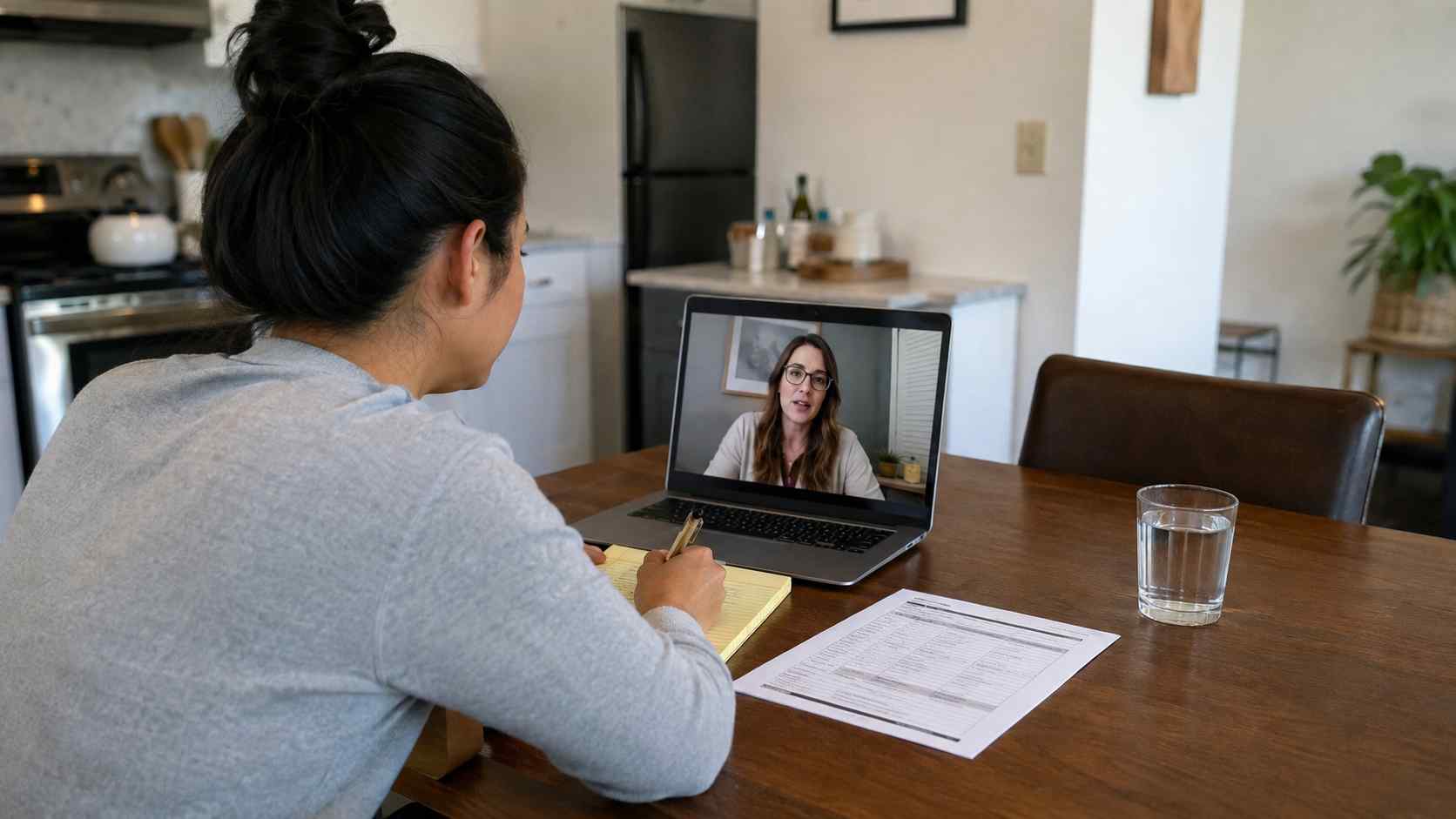
Beginners qualify for an online PHP course, with many programs designed for you and some curricula requiring no prior programming experience at all. Certain providers recommend basic HTML knowledge, especially when training focuses on backend web development. Diploma-style offerings may expect prior programming knowledge, such as familiarity with C, C++, or Java.
Academic eligibility varies. Some courses accept 10+2 completion, making them accessible if you’ve just finished school, while others require graduation or a technical diploma in any discipline. Advanced or professional certifications often carry no specific prior skills requirement, though earlier learning helps.
If you’re a career-track learner, you’ll likely pursue PHP for web development roles, where employers may expect complementary skills like HTML, CSS, JavaScript, SQL, and CMS knowledge.
What level of acuity PHP is built for
PHP is built for all levels of acuity, from complete beginners to experienced programmers. PHP meets you where you are. If you’re a complete beginner, many courses assume no prior programming experience, building your skills from PHP fundamentals and syntax. If you’ve already learned a language like C, C++, or Java, diploma-style programs let you move faster into backend logic and data handling.
Basic HTML knowledge helps when you’re working toward web development, since PHP generates dynamic pages alongside markup. Academic requirements range from 10+2 completion to graduation, depending on the provider you choose.
You don’t need advanced technical acuity to begin. What matters is your willingness to practice, follow guided lessons, and complete exercises. PHP scales its difficulty to your current level, then grows with you. Asking questions before online IOP can clear up uncertainties and help you know what to expect. Having these conversations can make you feel more confident about starting treatment.
How many hours a week PHP requires

PHP requires anywhere from a few hours to 150 hours or more per week depending on the program you choose. A short online course might total just 20 hours, so you could finish it in a week or spread it across several with light daily practice. Certification-oriented paths ask more: some exams recommend at least 150 hours of instruction or hands-on experience before you test, which stretches your weekly commitment over months. A Level 4 award using 65 guided learning hours and 105 total qualification time expects steady, structured effort. Your ideal weekly load depends on your deadline and stamina. If you dedicate a few focused hours daily to lessons and coding practice, you’ll build momentum without overwhelming yourself or sacrificing comprehension.
What clinical support PHP provides
PHP provides no clinical support because, in this context, PHP means PHP the programming language, not a Partial Hospitalization Program. You won’t find therapists, medical oversight, or treatment plans in an online PHP course. Instead, the support you’ll receive is educational. IOP vs PHP compares two levels of addiction treatment that differ in structure and intensity. Understanding these differences can help you choose the type of care that best fits your recovery needs.
Here’s what you can actually expect. Your trainer guides you through PHP fundamentals, helping you when you’re stuck on syntax or server-side logic. You’ll get hands-on coding practice, structured exercises, and feedback on assignments. Some programs include project work and graded tasks to confirm your progress.
If you’re a beginner, that guidance matters most early on, when you’re building confidence with basics. So there’s no clinical care, but you’re still supported, technically, patiently, and with clear direction toward competence. Virtual outpatient levels of care make it easier to access personalized support from home. This flexible approach bridges the gap between in-person treatment and self-guided care while fitting into different schedules.
What a typical day in virtual PHP looks like
A typical day in virtual PHP starts with live instruction or guided lessons covering PHP basics and syntax. From there, you move into hands-on coding practice, reinforcing each concept through exercises and assignments. You’ll work on backend web development topics like dynamic pages, server-side logic, and data handling, often with trainer guidance when fundamentals feel unclear. Once you understand the basics, a virtual outpatient level can offer more advanced support at a flexible pace. Remote sessions let you balance treatment with daily commitments while staying connected with professionals and peers.
| Time Block | Activity | Focus |
|---|---|---|
| Morning | Live instruction | PHP syntax |
| Midday | Coding practice | Exercises |
| Afternoon | Project work | Graded tasks |
Some programs include project work and graded tasks tied to completion requirements. If you’re a beginner, that structured rhythm keeps you supported, steady, and consistently building real, applicable skills.
How to know if PHP is the right starting point
PHP is the right starting point when your current skills, academic eligibility, and career goals align with structured, accessible server-side programming. Look at your current skills first. If you’re a complete beginner, you’ll find many PHP courses designed for learners with no programming experience. If you already know basic HTML, you’re positioned well for backend web development training. Check your academic eligibility too. Some programs accept 10+2 completion, while others expect graduation or a technical diploma.
Consider your goals. If you’re aiming for web development roles, PHP pairs naturally with HTML, CSS, JavaScript, SQL, and CMS knowledge. Some diploma-style offerings assume prior knowledge of C, C++, or Java, so verify requirements before enrolling.
PHP suits you when you want a structured, accessible entry into server-side programming that matches your background and career direction.
How to enroll in an online PHP
To enroll in an online PHP course, match a program to your current level. Beginner courses often welcome learners with no prior programming experience, while diploma-style offerings may expect knowledge of C, C++, or Java. Check the academic eligibility, which can range from 10+2 completion to graduation or a technical degree.
Confirm these three things:
- Prerequisites, verify whether basic HTML or prior programming knowledge is required.
- Hours and format, some courses run 20 hours; certifications recommend 150 hours of practice.
- Outcome, confirm whether project work, graded tasks, or a certification exam completes the program.
Register through the provider’s platform and prepare for your first guided lesson.
Wondering If Virtual Care Fits Your Schedule? Find Out Today.
A full day of structure without leaving home isn’t for everyone, but for the right person it’s what makes treatment possible. Pathways Recovery in Roseville runs a virtual IOP with real clinical hours, plus an evening track if work fills your day.
Call (916) 735-8377 now, answered 24/7, or verify your insurance. Private and confidential.
Frequently Asked Questions
How much does an online PHP typically cost?
Cost varies by provider, length of stay, and your level of clinical need. Most people don’t pay out of pocket for the full amount, since PHP is a medical level of care that insurance commonly covers in part or in full. What you’ll owe depends on your plan, deductible, and any authorization requirements. The most accurate figure comes from verifying benefits directly with the program, which most will do for free before you commit.
Is an online PHP covered by insurance?
Often, yes. Partial hospitalization is a recognized level of care, and many commercial plans reimburse it whether delivered in person or via telehealth. Coverage depends on your plan, medical necessity, and diagnosis, and some insurers require pre-authorization. Verify your benefits directly, and ask the program to help; most will check coverage and explain copays before you start.
Can I access support between sessions in an online PHP?
Most programs provide structure beyond scheduled group and individual hours. That can include crisis lines, care-team check-ins, and resources you can use outside session times. Policies vary, so ask your program what between-session support looks like. If you’re in crisis at any point, call or text 988, the Suicide and Crisis Lifeline, available 24/7.
What technology do I need for an online PHP?
A reliable internet connection and a device with a camera and microphone, such as a smartphone, tablet, or computer. You’ll also want a private, quiet space to protect your confidentiality during sessions. Most programs use secure, HIPAA-compliant telehealth platforms, so you may need to download an app or follow a session link. Headphones help with audio, and it’s worth having your device charged before each session.
Who qualifies for an online PHP?
PHP suits people who need structured, intensive support during the day but are stable enough to return home each evening. It’s often a step down from residential care or a step up from IOP when symptoms intensify. A clinical assessment determines fit, weighing your symptom severity, safety, home environment, and support system. Online PHP works best when your home setting is stable and private enough to support recovery.