

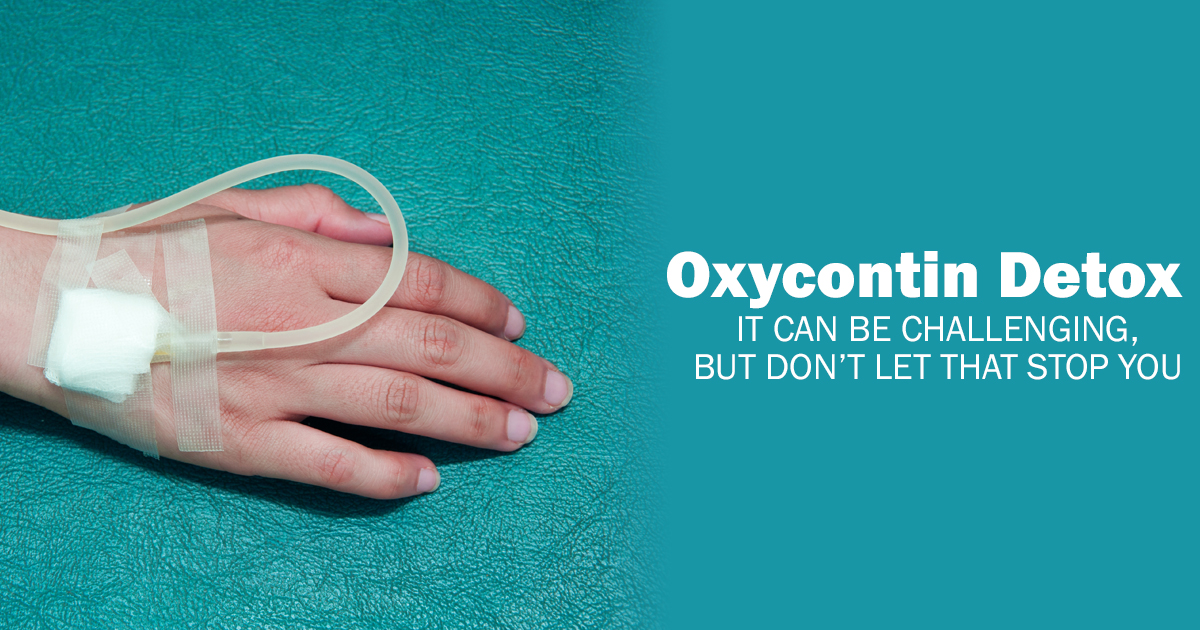
Oxycontin Addiction a Growing Problem Across the United States
Oxycontin addiction in the United States is a very serious issue plaguing people of all walks of life. The addiction usually happens subtly, and for many people who become addicted their original use was legitimate having been prescribed the drug by a physician. Once it has a hold of you, it will be unlikely that you or your loved one will be able to kick it on your own. Almost always some form of inpatient drug treatment will be necessary.
Oxycontin is a newer, time released form of the drug oxycodone. When taken as prescribed, Oxycontin can be a very effective way to manage pain due to its time released nature. Once addicted, however, many users will learn ways to remove the time release mechanism to increase the euphoria. It is also quite common for Oxycontin addicts to smoke the pills, crush them and snort them, and even “cook” the pills down so the drug can be injected. Some street names for Oxycontin are Oxy, O.C., hillbilly heroin and killer.
Waismann Method For Oxycontin Detox
There are a few different approaches to Oxycontin Detox. One of them is known as the Waismann Method which is performed in a hospital with strict medical supervision. With this method the patient is provided anesthesia which speeds up the detox treatment while the patient sleeps. This procedure can be quite costly, and the research on success rates varies.
Social Model For Oxycontin Detox
Another option for Oxycontin Detox is the social model form detox treatment. With this method the client is prescribed less severe medications, but there is more focus on counseling because the client is not anesthetized. With social model detox there is also more focus on follow up activities like attendance at 12 step meetings, outpatient treatment, or individual addiction counseling.
Being part of the opiate category, Oxycontin detox can be very difficult. As with other opiates there are long term mental and physical dependencies. Symptoms that may occur during the detox treatment include body aches, indigestion, mental anguish, and others. As the drug begins to leave the body, the withdrawal symptoms can become severe. This makes professional drug treatment almost always a necessity for Oxycontin detox.