

Yes, you can get addiction medication online. Buprenorphine (often Suboxone) for opioid use disorder is the most common prescription delivered through telehealth, and naltrexone can be prescribed online for alcohol use disorder after a virtual evaluation. Methadone still requires stricter in-person dispensing. Your first appointment covers your substance use history, symptoms, and which medication fits your needs. Federal flexibilities protect this access through December 31, 2026. Here’s what makes telehealth prescribing work for you.
Key Takeaways
- Yes, you can get addiction medications online, with buprenorphine (Suboxone) being the most commonly prescribed for opioid use disorder.
- Naltrexone can be prescribed online for alcohol use disorder after a virtual evaluation, while methadone typically requires in-person dispensing.
- Your first appointment includes a comprehensive telehealth evaluation covering substance use history, withdrawal, cravings, and possible urine drug screening.
- Federal telehealth flexibilities extend through December 31, 2026, allowing DEA-registered practitioners to prescribe Schedule II, V medications remotely under certain conditions.
- Online and in-person care offer comparable outcomes, both including counseling, follow-ups, and dose adjustments, but online eliminates travel and scheduling barriers.
Can you get addiction medication through telehealth

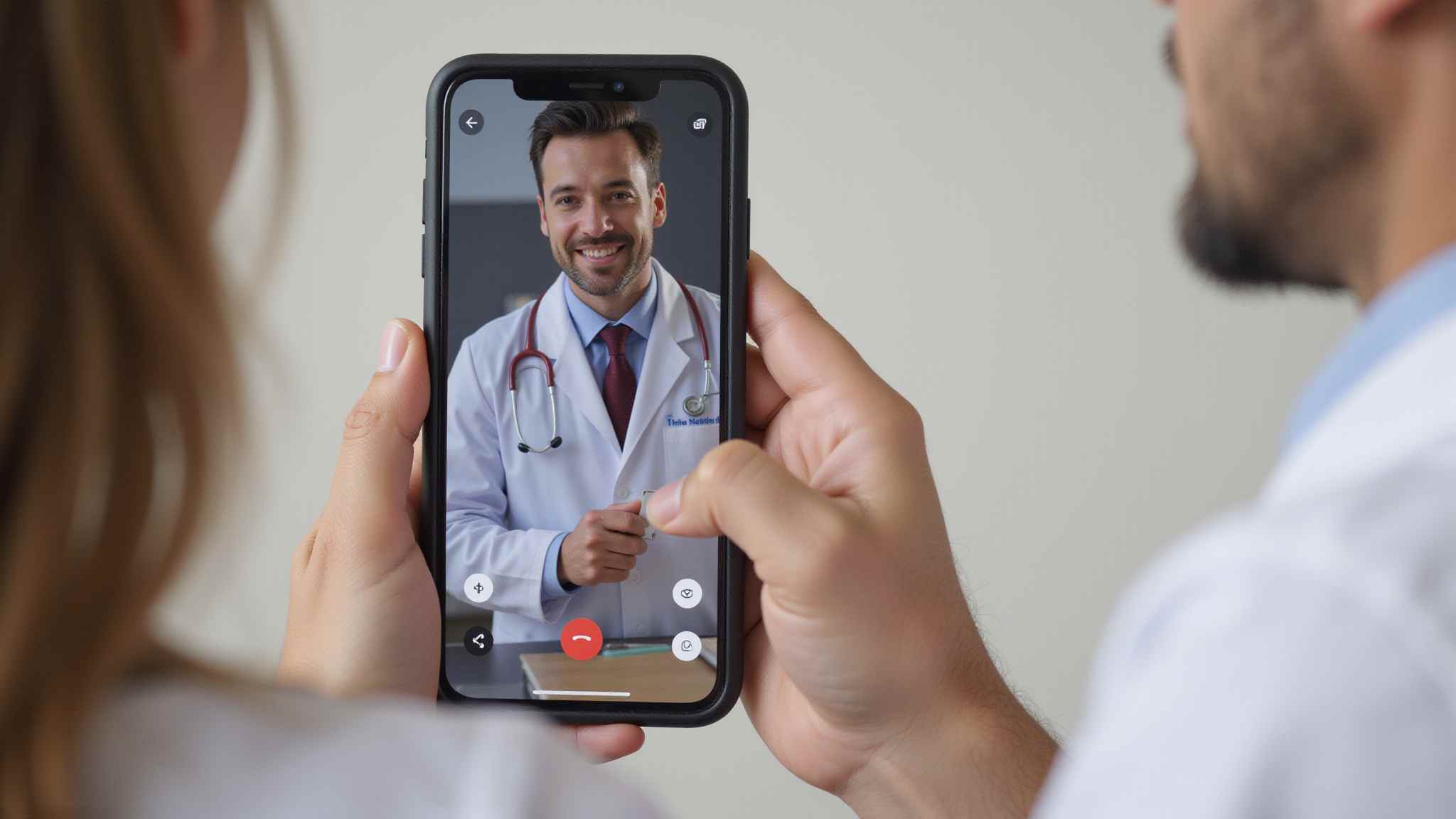
Yes, you can get addiction medication through telehealth when an authorized clinician follows state and federal rules. After a virtual evaluation, an authorized online psychiatrist can prescribe medications for substance use disorders, including buprenorphine for opioid use disorder and naltrexone for alcohol use disorder. Telehealth-based treatment often combines electronic prescribing with counseling, a model known as tele-MAT, delivered through secure video visits. Telehealth therapy apps offer convenient access to mental health support through flexible scheduling and improved therapist communication. These tools can complement ongoing treatment and support recovery.
Online prescribing is most common for opioid use disorder, especially buprenorphine-based treatment like Suboxone. Some programs also support alcohol use disorder treatment, depending on the medication and your clinician’s authorization.
Your access depends on the clinician’s authorization, your state’s location rules, and whether the medication fits both your clinical needs and dispensing requirements. Follow-up visits typically monitor your safety and progress.
Which medications can be prescribed online
Buprenorphine, often in the form of Suboxone, is the most common medication prescribed online for opioid use disorder. Authorized clinicians can evaluate you virtually, send the prescription electronically, and monitor your progress through follow-up visits.
For alcohol use disorder, naltrexone can also be prescribed via telehealth after a virtual evaluation. Methadone access is more restricted, since its regulatory structure requires stricter in-person dispensing in most settings, making online access more limited than buprenorphine.
Which medication fits you depends on your clinical needs, your provider’s authorization, and dispensing rules. Your clinician will recommend a treatment plan that’s both safe and legally permitted for your situation.
Which ones still need an in-person visit
Methadone is the medication that still requires an in-person visit. Its regulatory structure ties dispensing to certified opioid treatment programs, so you’ll typically need in-person care rather than online prescribing, even under current telemedicine allowances.
Because addiction medications fall under different federal schedules, the in-person requirement depends largely on whether a drug is a controlled substance. Non-controlled options like naltrexone for alcohol use disorder don’t trigger the same federal restrictions, so you can usually start them entirely online after a virtual evaluation. Virtual IOP access barriers include limited technology access and difficulty navigating online platforms. Addressing these challenges can improve treatment participation, accessibility, and patient outcomes.
Controlled substances follow stricter rules under the Ryan Haight Act, which generally requires an in-person exam. Current DEA and HHS flexibilities, extended through December 31, 2026, let authorized clinicians prescribe buprenorphine and other Schedule II, V medications via telehealth without that prior visit when specific conditions are met.
What the first prescribing appointment covers
The first prescribing appointment covers a comprehensive telehealth evaluation before any medication is issued. Your clinician reviews your substance use history, medical conditions, and current symptoms to confirm you’re eligible for treatment. Expect questions about withdrawal, cravings, and past treatment attempts, plus a discussion of your goals.
Your provider explains which medication fits your clinical needs and dispensing rules, often buprenorphine for opioid use disorder or naltrexone for alcohol use disorder. Some programs require urine drug screening as part of this process.
If treatment’s clinically safe and legally permitted, your prescription gets sent electronically. You’ll schedule follow-up visits to monitor safety, adherence, and dose adjustments. This appointment sets the foundation for ongoing care tailored to your circumstances and recovery.
How online and in-person prescribing compare

Online and in-person prescribing produce comparable outcomes. The research is reassuring: a review of eight studies found telehealth as effective as in-person care in seven, matching outcomes for retention, therapeutic alliance, and substance use. Recognizing online therapy app red flags helps users choose reliable platforms. Key concerns include unqualified providers, unclear privacy policies, weak data security, and limited customer support.
| In-Person Care | Online Care |
|---|---|
| Requires travel and time off | Fits around your life |
| Face-to-face evaluation | Secure virtual evaluation |
| Broader methadone access | Buprenorphine most common |
| Established prescribing pathway | Federal flexibilities through Dec. 31, 2026 |
| Physical exam on-site | Remote monitoring, urine screening |
Both approaches can include counseling, follow-up visits, and dose adjustments. What matters most is that you’re getting evidence-based treatment that fits your clinical needs and circumstances.
What rules protect telehealth medication access
Several rules protect telehealth medication access by allowing a DEA-registered practitioner to prescribe Schedule II, V medications via telemedicine without a prior in-person visit when specific conditions are met:
- Extended flexibility: The federal telemedicine flexibility period runs through December 31, 2026.
- Buprenorphine pathway: A 2025 DEA rule allows a limited remote access route for buprenorphine.
- Prior-visit rules differ: Requirements ease once you’ve had an in-person visit with your prescribing clinician.
These protections help you start and continue treatment remotely, provided your clinician follows applicable state and federal requirements.
How to start medication through telehealth
To start medication through telehealth, complete a comprehensive virtual evaluation, where an authorized clinician reviews your history, symptoms, and treatment goals to confirm you’re a good candidate. If you’re eligible, your clinician can prescribe medications like buprenorphine for opioid use disorder or naltrexone for alcohol use disorder, sending the prescription electronically when it’s clinically safe and legally permitted.
You’ll often complete an eligibility review that considers your provider’s authorization, your insurance, and your state location. Many programs ask for urine drug screening or other monitoring to support safety.
After you begin treatment, you’ll attend follow-up visits so your clinician can monitor adherence, adjust your dose, and watch for side effects. This ongoing support helps reduce cravings, ease withdrawal, and keep you engaged in recovery.
Start Addiction Treatment From Home
Getting treatment remotely can make it easier to stay connected to recovery when transportation, work, or distance creates barriers. Pathways Recovery offers a Virtual IOP with online group and individual treatment that can complement medication management provided by a qualified prescribing clinician.
Call (916) 735-8377 to discuss virtual addiction treatment and your options for ongoing care.
Frequently Asked Questions
Does Insurance Typically Cover Online Addiction Medication Treatment?
Online addiction medication treatment may be covered by health insurance, but coverage depends on your plan, provider, location, and the services being provided. Your plan may cover medication management, behavioral health treatment, or both. Deductibles, copays, network requirements, and prior authorization can also affect your costs. Verify your benefits before starting telehealth treatment.
How Much Does Telehealth Addiction Medication Treatment Usually Cost?
There is no standard cost for telehealth addiction medication treatment. Your out-of-pocket expense can depend on insurance coverage, the provider’s fees, medication costs, laboratory testing, and the frequency of follow-up visits. Ask the provider for a breakdown of treatment and monitoring costs, then check your insurance benefits to determine what your plan covers.
Can Minors Receive Addiction Medication Through Telehealth?
Minors may be eligible for medication treatment for a substance use disorder, but the rules for telehealth, prescribing, consent, and parental involvement can vary by state and treatment setting. The provider must also determine whether the medication is clinically appropriate. A parent or guardian may need to participate depending on the patient’s age and applicable state requirements.
Will Online Prescriptions Appear on My Permanent Medical Record?
Yes. Prescriptions and telehealth encounters are generally documented in the patient’s medical record just like in-person care. When controlled medications are prescribed, additional prescription-monitoring requirements may apply. Medical records are protected by privacy laws, although information can be disclosed in certain legally permitted circumstances.
Can I Switch From In-Person to Telehealth Mid-Treatment?
You may be able to transition from in-person care to telehealth if your provider determines that remote treatment is appropriate and the applicable state and federal requirements are met. Your provider may continue medication management remotely when permitted, but some appointments, examinations, testing, or services may still require in-person care. Discuss the transition with your treatment team before changing your appointment format.