

Untreated PTSD rarely stays the same. Left unaddressed, your symptoms intensify over time. Occasional nightmares can become disabling flashbacks and panic attacks. Hypervigilance can run around the clock, and sleep can fragment into just three or four hours. This cascade affects your body, work, and relationships, often fueling substance use, co-occurring conditions, and even physical illness. The longer you wait, the harder healing becomes. Here’s what happens when PTSD goes unaddressed and why it matters.
Key Takeaways
- Untreated PTSD rarely stabilizes; symptoms intensify over time, turning occasional nightmares into disabling flashbacks, panic attacks, and round-the-clock hypervigilance.
- Chronic hyperarousal often drives substance use, as alcohol or drugs become a way to quiet intensity and enable sleep.
- Symptoms cascade into work and relationships, causing isolation, irritability, impaired concentration, job loss, and financial instability.
- Persistent stress damages cardiovascular and immune systems, raising risks for heart disease, hypertension, chronic pain, and gastrointestinal problems.
- Untreated PTSD can shorten life expectancy comparably to smoking, with sufferers twice as likely to die by suicide.
What happens when PTSD goes untreated
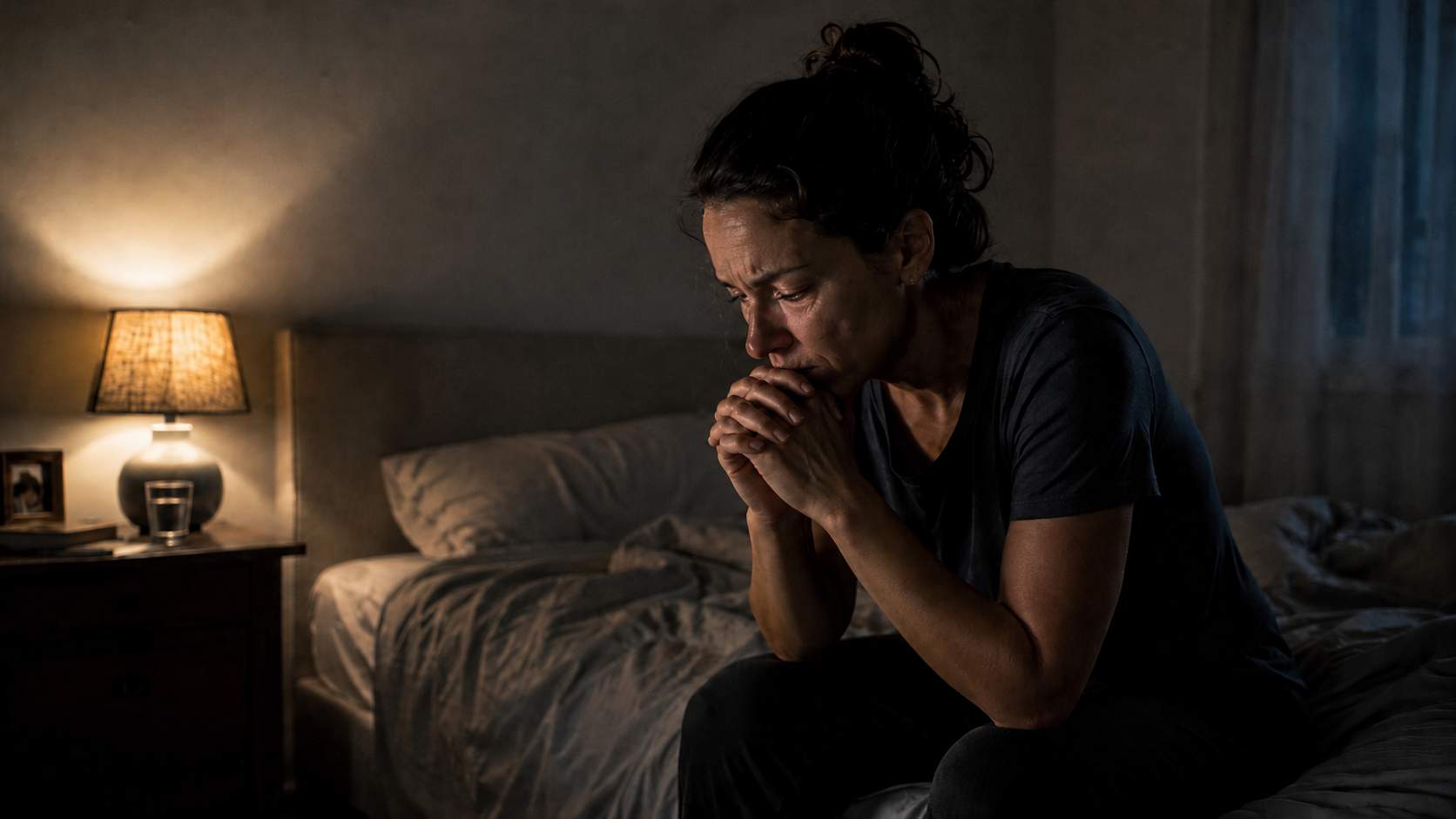
Untreated PTSD rarely stays the same, it worsens. Your symptoms intensify over time rather than plateau. Occasional nightmares can evolve into disabling flashbacks and panic attacks, and hypervigilance generalizes from specific triggers to operate around the clock. Sleep disturbances compound until you’re functioning on just three or four hours of fragmented rest, and neurological changes become more entrenched, making recovery slower.
These shifts don’t happen in isolation. As symptoms deepen, you face heightened risks of severe depression, anxiety, and substance abuse. Persistent fear, guilt, and hopelessness make daily activities feel impossible. Concerningly, a Swedish nationwide study found people with PTSD were twice as likely to die by suicide. The longer PTSD goes unaddressed, the harder healing becomes.
How can untreated PTSD worsen over time
Untreated PTSD worsens through a cascade that reaches far beyond your mental health, spreading into your body, your work, and your relationships. Symptoms rarely stabilize on their own; they intensify. Occasional nightmares evolve into disabling flashbacks and panic attacks, hypervigilance shifts from specific triggers to round-the-clock arousal, and sleep fragments until you’re functioning on three or four hours. This progression follows a measurable pattern:
- Neurological entrenchment: Brain changes deepen, making recovery slower and more difficult without treatment.
- Comorbidity development: Depression, anxiety, and substance use emerge as you struggle to cope.
- Functional decline: Concentration, memory, and decision-making erode, undermining work and relationships.
The longer you wait, the more entrenched these changes become, and the harder your path back grows.
How does untreated PTSD affect relationships and work

Untreated PTSD erodes the two domains that anchor most people’s stability: their relationships and their work. At home, your emotional numbing pulls you into isolation, while irritability and poorly managed anger strain the people who love you. These patterns can escalate alongside substance abuse, dismantling family life and, at times, endangering those closest to you. At work, your fragmented sleep, difficulty concentrating, and impaired decision-making chip away at performance. Often you lose your job before you even recognize trauma’s role, and financial instability follows. As symptoms entrench over years, work disability becomes chronic. Risky behaviors may lead to arrest, further damaging your social and financial standing. Left unaddressed, these effects compound, undermining your relationships and overall life satisfaction for years. Being traumatized without knowing it can create a deep disconnection from yourself and others, quietly disrupting everyday interactions and the ability to seek help. Recognizing these unnoticed symptoms is crucial for recovery and rebuilding a sense of normalcy.
Why does untreated PTSD so often lead to substance use
Untreated PTSD leads to substance use because it keeps your nervous system locked in a state of relentless arousal, leaving you searching for anything that dulls the intensity. When flashbacks, panic, and hypervigilance operate around the clock, alcohol or drugs can feel like the only way to quiet your mind and finally sleep. This self-medication offers temporary relief but deepens the underlying dysregulation over time.
| PTSD Symptom | Substance Used to Cope |
|---|---|
| Hyperarousal and panic | Alcohol, benzodiazepines |
| Fragmented sleep | Alcohol, sedatives |
| Emotional numbing | Opioids, cannabis |
| Intrusive flashbacks | Alcohol, stimulants |
| Depression and hopelessness | Multiple substances |
Unfortunately, substances worsen anxiety and depression once they wear off, driving heavier use. What starts as relief becomes dependence, compounding your suffering and complicating eventual recovery. Hidden high functioning addiction often goes unnoticed as people keep up with daily responsibilities while struggling internally. That duality makes it hard to seek help, but over time the effects surface, straining relationships and overall well-being.
What co-occurring conditions develop alongside untreated PTSD

Untreated PTSD rarely travels alone. It tends to pull a cluster of serious conditions in its wake. As symptoms intensify, your brain and body remain locked in survival mode, creating fertile ground for comorbidities to take root. PTSD without obvious trauma can surface in ways that leave people feeling isolated and misunderstood, often fueling a cycle of anxiety and depression. Recognizing these symptoms early and understanding their complexity is essential for meaningful support and effective treatment.
You’re at heightened risk for developing:
- Mood and anxiety disorders, severe depression and generalized anxiety frequently emerge, along with increased suicidal ideation. One Swedish nationwide study found people with PTSD were twice as likely to die by suicide.
- Substance use disorders, you may turn to alcohol or drugs to quiet relentless hyperarousal.
- Chronic physical illness, persistent stress fuels inflammation, elevating your risk for cardiovascular disease, hypertension, chronic pain, and gastrointestinal problems.
Left unaddressed, these conditions compound one another.
How does untreated PTSD affect physical health
Untreated PTSD makes your body pay a measurable price. Chronic stress keeps your sympathetic nervous system in overdrive, and over years, that constant arousal damages your cardiovascular and immune systems. Inflammation rises, raising your risk of heart disease, hypertension, chronic pain, and gastrointestinal problems.
This persistent activation creates central sensitization and metabolic dysregulation, which elevate your likelihood of developing serious somatic illnesses. Your body simply can’t sustain full-throttle vigilance without consequences.
The toll is significant. Research links chronic untreated PTSD to higher rates of cardiovascular disease and premature mortality, reflecting the whole-body toll of sustained stress. Recognizing that your physical symptoms may trace back to unaddressed trauma is an important step toward healing. Undiagnosed PTSD can surface in physical forms, making it crucial to seek the right help. Recognizing the link between mental and physical health leads to more comprehensive care, and addressing these underlying issues can significantly improve quality of life.
How Pathways Recovery treats PTSD and co-occurring addiction together
Pathways Recovery treats PTSD and co-occurring addiction together rather than in isolation, addressing both conditions in a single treatment plan. When you use substances to quiet flashbacks, hypervigilance, or fragmented sleep, treating only one condition leaves the other to reignite relapse. Our integrated approach targets the shared neurobiological roots of both.
Your care plan typically includes:
- Trauma-focused therapies, such as EMDR and cognitive processing therapy, to reduce intrusive symptoms and reprocess traumatic memories.
- Evidence-based addiction treatment, combining medication-assisted options with relapse-prevention strategies tailored to your triggers.
- Coordinated dual-diagnosis support, including psychiatric care, group therapy, and skills for emotional regulation.
Waiting Doesn’t Help PTSD. It Gives It Room to Grow.
The symptoms don’t level off on their own, and if you’re already drinking or using to get a few hours of sleep, treating just one side leaves the other to pull you back. That’s why Pathways Recovery in Roseville treats PTSD and addiction together, with EMDR and trauma-focused therapy woven through detox and residential care rather than bolted on after. The longer it goes unaddressed, the deeper it sets, so earlier is genuinely easier.
Call (916) 735-8377 now, answered 24/7, or verify your insurance. Private and confidential.
Frequently Asked Questions
Can PTSD Develop Years After the Traumatic Event Occurs?
Yes, PTSD can develop years after your traumatic event, a form clinicians call delayed-onset PTSD. You might feel fine initially, then notice symptoms emerging months or even years later, sometimes triggered by new stressors or reminders. If you’re experiencing nightmares, hypervigilance, or flashbacks long after trauma, don’t dismiss them. These delayed responses are valid and treatable, so reaching out for professional support can make a meaningful difference in your recovery.
Is It Possible to Recover From PTSD Without Professional Treatment?
Some people improve on their own, especially with strong support, but untreated PTSD carries real risk of worsening, and evidence-based treatment substantially improves the odds of lasting recovery. Waiting rarely makes it easier.
How Is PTSD Officially Diagnosed by Mental Health Professionals?
You’ll receive a PTSD diagnosis through a thorough clinical evaluation with a qualified mental health professional. They’ll assess your symptoms against established diagnostic criteria, reviewing your trauma history, symptom duration, and how these experiences affect your daily functioning. You’ll discuss re-experiencing, avoidance, hypervigilance, and mood changes lasting longer than a month. They may use structured interviews or validated questionnaires to confirm the diagnosis and rule out other conditions accurately.
Are Certain People More Likely to Develop PTSD Than Others?
Yes, certain factors do raise your risk. If you’ve experienced repeated or prolonged trauma, lacked strong social support afterward, or faced earlier life adversity, you’re more vulnerable. Preexisting anxiety or depression can heighten your susceptibility, and so can a family history of mental health conditions. How your nervous system responds to stress matters too. Recognizing these risk factors helps you seek support early, before symptoms deepen and become harder to treat.
Does PTSD Affect Children Differently Than It Affects Adults?
Yes, PTSD affects children differently than adults. Because their brains are still developing, you’ll often see trauma disrupt their emotional regulation, memory, and decision-making more profoundly, sometimes causing lasting neurological changes. Kids may show symptoms differently too; regression, behavioral problems, or difficulty concentrating rather than classic flashbacks. If it’s left untreated, you’re risking entrenched changes that interfere with their development, relationships, and functioning well into adulthood. Early intervention matters tremendously.