

Yes, smoking weed while you’re pregnant is risky. THC crosses the placenta to your baby, and the CDC warns it may affect fetal development. ACOG links prenatal cannabis use to preterm birth, low birth weight, and NICU admission. One pooled analysis found 35% higher adjusted odds of preterm birth. Researchers haven’t identified a safe amount or timing, and heavier use may raise risk. Next, you’ll see what evidence shows and safer ways to ease symptoms.
Key Takeaways
- Smoking cannabis during pregnancy is risky because THC crosses the placenta, and no safe amount or timing has been identified.
- A pooled analysis cited by ACOG found 35% higher adjusted odds of preterm birth among pregnancies exposed to cannabis.
- Prenatal cannabis use is linked to low birth weight, small-for-gestational-age newborns, higher NICU admission rates, and perinatal mortality.
- Exposed children may later face difficulties with attention, memory, problem-solving, and behavior, though long-term evidence is still developing.
- ACOG recommends stopping cannabis during pregnancy and breastfeeding, including edibles, vapes, and CBD, whose safety remains unknown.
Is smoking weed while pregnant risky

Yes, smoking weed while pregnant is risky, and current research gives you enough reason to be cautious even though the evidence is still developing. THC crosses from your body to your fetus, and the CDC warns it may affect development. ACOG reports associations with preterm birth, low birth weight, and neonatal intensive care admission. One pooled analysis linked prenatal exposure to higher odds of preterm birth (adjusted odds ratio 1.35; 95% CI 1.24, 1.48). Studies also report possible later problems with your child’s attention, memory, and behavior.
These findings show associations, not proof that cannabis alone caused every outcome, and tobacco or other substances can complicate results. Still, researchers haven’t identified any safe amount or safe timing of use during pregnancy. If you use cannabis, talk with your prenatal provider.
What the research says about cannabis and pregnancy
Research consistently links prenatal cannabis exposure to higher rates of adverse birth outcomes. A pooled analysis cited by ACOG found 35% higher adjusted odds of preterm birth (aOR 1.35; 95% CI 1.24, 1.48). Studies also link cannabis use to low birth weight, small-for-gestational-age newborns, neonatal intensive care admission, and perinatal mortality.
Your level of use may matter. Some studies suggest heavier use, or continuing into the second or third trimester, corresponds to higher odds of harm. Miscarriage data are limited: no human research has established a link, though animal studies suggest early-exposure risk.
These findings show associations, not proof that cannabis alone caused each outcome. Still, researchers haven’t identified a safe amount or timing, so you can’t assume your exposure is harmless. The high functioning addiction cost often includes strained relationships, neglected priorities, and hidden substance dependence. Recognizing these signs early can help individuals seek support and prevent further consequences.
How THC crosses the placenta and affects fetal development

THC passes from your body across the placenta to your developing baby when you use cannabis during pregnancy, and the CDC warns it may harm development. In some studies, ACOG describes altered arousal, regulation, and excitability in newborns during their first month of life. Research has also reported later difficulties with attention, memory, problem-solving, behavior, and intellectual function in children exposed before birth. Still, long-term evidence remains under study, and effects may vary from child to child. What’s clear is that no one has established a safe dose or exposure level. That means you can’t assume a smaller amount, or a different product, won’t reach your baby and potentially affect its development.
What the known risks to the baby are
Prenatal cannabis exposure is linked to preterm birth, low birth weight, and higher NICU admission rates, though studies show associations rather than proof that cannabis alone caused them.
- Preterm birth: A pooled analysis found 35% higher adjusted odds of delivering early (aOR 1.35; 95% CI 1.24, 1.48).
- Low birth weight: Your baby may be more likely to be born small or small for gestational age.
- Neonatal intensive care: Studies report higher NICU admission rates, and ACOG also lists perinatal mortality among reported associations.
Heavier use and continued use into the second or third trimester may raise these odds further. Adding tobacco cigarettes compounds risk. Researchers haven’t identified any safe amount or timing, so you can’t assume occasional use is harmless.
Why using cannabis for nausea during pregnancy is discouraged
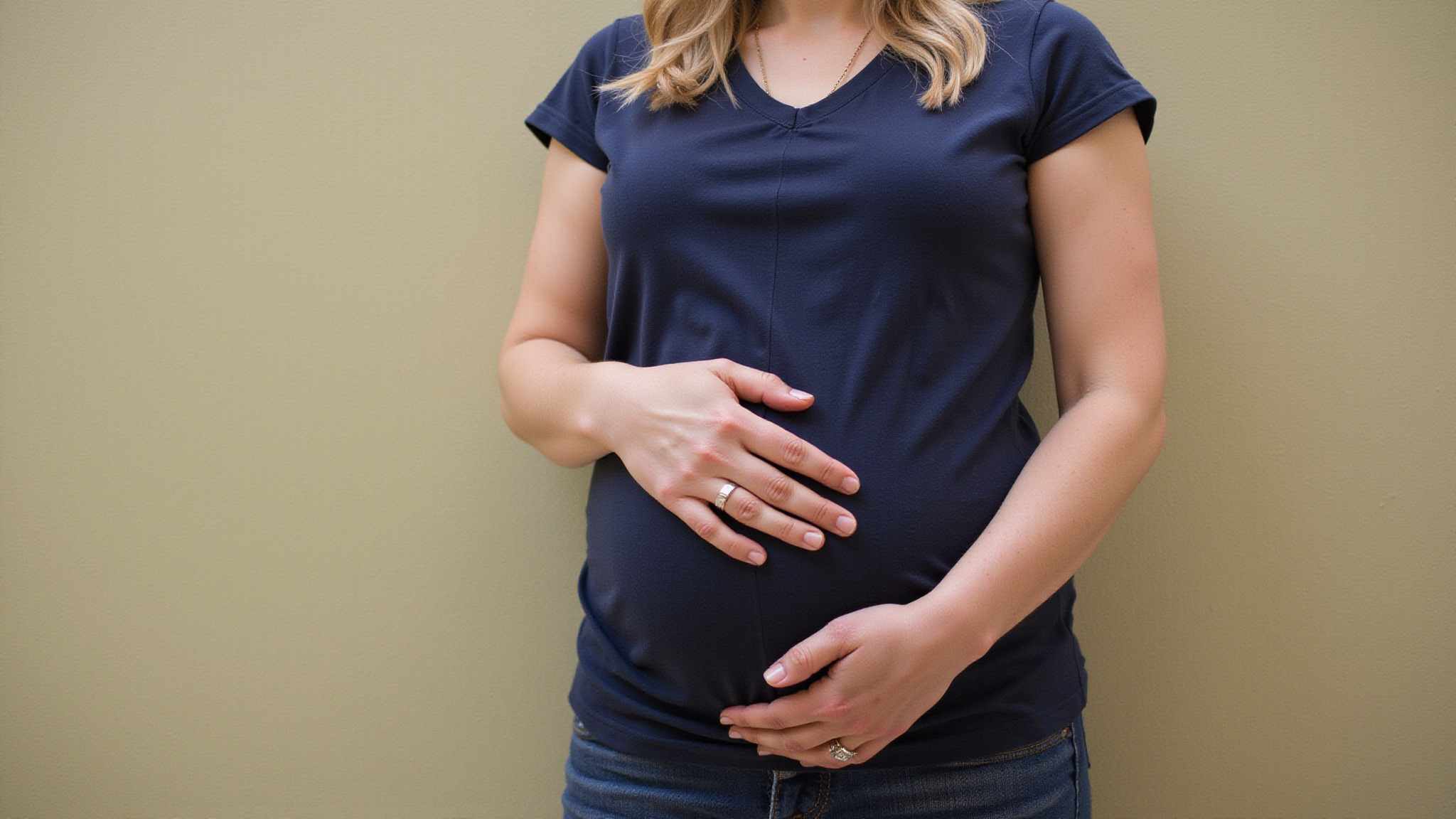
Using cannabis for nausea during pregnancy is discouraged because it isn’t a proven safe nausea treatment and no safe amount has been established, according to NIDA. Many people turn to cannabis to ease morning sickness, but it carries the same risks as other cannabis use during pregnancy.
| Concern | What the evidence shows |
|---|---|
| Fetal exposure | THC crosses to the fetus and may affect development |
| Product form | Edibles, vapes, and drinks still deliver THC |
| CBD | Its safety during pregnancy is unknown |
| Dose and timing | Continued or heavier use may raise risk |
If nausea disrupts your eating, sleep, or daily routine, talk with your prenatal-care professional. They can confidentially review your symptoms and help you find safer, proven management options. If you’re already using cannabis, ACOG recommends stopping during pregnancy and while breastfeeding, and your provider can support you through that process.
What safer alternatives exist for pregnancy symptoms
The safest way to ease nausea, poor sleep, anxiety, or pain during pregnancy without exposing your fetus to THC is to start with your prenatal-care team. NIDA notes cannabis isn’t a proven safe treatment for pregnancy-related nausea, and CDC says CBD’s safety during pregnancy is unknown. Your clinician can help you identify safer symptom-management options matched to your health history.
- Report every symptom. Describe how often nausea, sleep problems, anxiety, or pain occur and how severe they are.
- Disclose cannabis use honestly. You can discuss stopping or reducing use confidentially. ACOG recommends screening before, during, and after pregnancy.
- Ask before trying any product. Don’t swap smoking for edibles, vapes, or topicals. THC exposure remains a concern in every form.
Early help treats your symptoms while protecting your pregnancy.
How Pathways Recovery helps pregnant women who use cannabis
Pathways Recovery helps pregnant women stop or reduce cannabis use as early as possible, because no safe amount or timing of cannabis use during pregnancy has been established. Care starts with a confidential screening that reviews how often you use, which products you use, and whether tobacco, alcohol, or other substances are involved. High functioning addiction double life can conceal substance use and delay treatment. Recognizing hidden behaviors and underlying challenges helps individuals seek appropriate support and develop effective recovery strategies.
From there, you’ll work with clinicians who can coordinate with your prenatal-care provider, so your treatment plan supports your recovery and your pregnancy. If you’ve used cannabis for nausea, anxiety, or sleep, the team can help you explore safer symptom-management options your provider recommends. Telehealth medication services provide convenient access to treatment through remote consultations. They improve communication with healthcare providers and allow timely adjustments to treatment plans.
Support continues after delivery and while breastfeeding, since ACOG recommends cessation during lactation. Early, honest disclosure gives your care team the best chance to lower exposure-related risks.
Get Support to Stop Using Cannabis
If you’re pregnant and finding it difficult to stop using cannabis, you do not have to manage it alone. Pathways Recovery provides marijuana addiction treatment for people who need help breaking patterns of cannabis use and building a plan for recovery.
Call (916) 735-8377 to discuss your options and take the next step toward stopping cannabis use.
Frequently Asked Questions
Is It Safe to Use Cannabis While Breastfeeding After Giving Birth?
Health organizations recommend avoiding cannabis while breastfeeding because THC can pass into breast milk and remain there for an extended period. A safe amount of cannabis exposure for a breastfed infant has not been established. Smoking also creates exposure to smoke and other harmful chemicals. If you use cannabis while breastfeeding, discuss it with your healthcare provider and pediatrician so they can help you understand the potential risks and available support.
Can Secondhand Cannabis Smoke Harm a Pregnant Woman or Her Baby?
Secondhand cannabis smoke contains THC as well as many of the same harmful chemicals found in tobacco smoke. The amount of exposure from being around cannabis smoke can vary, and the risks of secondhand exposure during pregnancy are not as well established as the risks of direct cannabis use. Avoiding smoke exposure is the safest approach. If you are regularly exposed to cannabis smoke, discuss the situation with your prenatal care provider.
Are Edibles or Vapes Safer Than Smoking Weed During Pregnancy?
You should not assume that edibles or vaping cannabis are safe during pregnancy. Both can expose you to THC, which crosses the placenta, and research has not established a safe amount of cannabis use during pregnancy. Vaping can also expose you to other substances, while edibles can contain unpredictable amounts of THC. Avoiding cannabis in all forms is the safest option during pregnancy.
Is CBD Safe to Use During Pregnancy?
The safety of CBD during pregnancy has not been established. CBD products can contain varying amounts of CBD and may also contain THC or other contaminants. The FDA advises against using CBD during pregnancy because of insufficient safety information. If you are considering CBD for nausea, anxiety, pain, or another symptom, discuss safer alternatives with your prenatal care provider.
Should I Tell My Doctor if I Used Cannabis Before Knowing I Was Pregnant?
Yes. Tell your prenatal care provider about cannabis use even if you stopped after discovering the pregnancy. Sharing when you used cannabis, how often, how much, and how you consumed it gives your provider useful information for your prenatal care. Previous cannabis use does not determine your pregnancy outcome, but being open about exposure allows your healthcare team to provide appropriate guidance and support.