

Kratom is a tropical plant from Southeast Asia whose leaves contain alkaloids that bind to your opioid receptors, producing stimulant effects at low doses and sedation at higher doses. People use it for pain relief, energy, and anxiety reduction, but it carries real risks, including dependence, withdrawal, and organ toxicity. Its potency varies widely between products, making safe dosing difficult to predict. Understanding Kratom uses, effects, risks, and addiction Potential is everything you need to make an informed decision, which is covered ahead.
What Is Kratom and Where Does It Come From?

Kratom comes from *Mitragyna speciosa*, an evergreen tropical tree belonging to the Rubiaceae family, the same botanical family as coffee. Native to Southeast Asia, it grows wild across Thailand, Malaysia, and Indonesia, thriving in humid tropical forests with rich, fertile soil. The tree can reach heights of 25 meters and features leaves with distinctly colored veins, red, green, or white, with red being the most common variety.
When you seek kratom drug information, understanding its origins matters. Indigenous populations have consumed kratom since the early 1800s, primarily for energy and pain relief. Dutch botanist Pieter Willem Korthals first documented it for Western audiences in 1831. Kratom later entered the United States through Southeast Asian immigrants during the 1980s and 1990s, gradually gaining broader commercial availability. Across the region, fishermen, farmers, and rubber tappers relied on kratom leaves to enhance physical endurance and maintain productivity during long working hours.
The Active Compounds Behind Kratom’s Effects
When you consume kratom, its effects stem primarily from mitragynine, the most abundant alkaloid, which binds to μ-opioid receptors as a partial agonist and also interacts with adrenergic receptors. A minor constituent, 7-hydroxymitragynine, carries substantially greater receptor binding affinity than mitragynine and forms through metabolic conversion in your body, amplifying kratom’s opioid-like activity beyond what its small concentration might suggest. Understanding how these alkaloids interact, and how your metabolism shapes their relative potency, is essential to recognizing why kratom’s effects can be unpredictable and potentially risky. Mitragynine is primarily metabolized in the liver, producing numerous phase I and phase II metabolites that further complicate predicting how the compound will affect any given individual.
Mitragynine’s Chemical Profile
Its physicochemical properties include moderate lipophilicity (XLogP: 2.68), enabling effective central nervous system penetration. Phase I metabolism involves ester hydrolysis and O-demethylation, producing active metabolites that contribute to its effects and potential risks. Mitragynine exhibits analgesic effects by mediating opioid receptors, including the μ-opioid receptor (MOR), δ-opioid receptor (DOR), and κ-opioid receptor (KOR), with nearly 10-fold selectivity for MOR over DOR and over 1,000-fold selectivity for MOR over KOR.
7-Hydroxymitragynine’s Unique Properties
While mitragynine makes up the bulk of kratom’s alkaloid content, 7-hydroxymitragynine (7-OH) carries a disproportionate share of its opioid activity. Though it constitutes less than 0.05% of dried leaf mass, its receptor binding affinity is considerably stronger, with a Ki of 7.2 nM compared to mitragynine’s 161 nM.
Key pharmacological concerns include:
- Potency: Animal studies show analgesic effects up to 13 times stronger than morphine, amplifying kratom effects beyond what leaf concentration suggests
- Receptor activity: As a partial mu-opioid agonist, hydroxymitragynine targets the same receptors as morphine and fentanyl
- Kratom addiction potential: Unlike mitragynine, it supports self-administration in rats and produces measurable physical dependence and withdrawal
Its formation through hepatic metabolism of mitragynine means your dose and liver function directly influence its impact.
How Alkaloids Interact
Kratom’s effects don’t stem from a single compound but from several alkaloids acting simultaneously across multiple receptor systems. When you consume kratom, mitragynine, 7-hydroxymitragynine, speciogynine, and corynantheidine engage opioid, adrenergic, serotonergic, and dopaminergic pathways concurrently. This multi-receptor activity is central to understanding what is kratom and why its effects shift unpredictably across doses. Total alkaloid concentration in dried leaves ranges from 0.5, 1.5%, varying by plant variety, age, and harvest time, meaning product potency is rarely consistent. Kratom risks intensify because you can’t reliably predict which receptor systems are being activated or to what degree. As kratom use in the United States continues rising, recognizing that its pharmacology involves overlapping, dose-dependent interactions across several biological targets is essential for evaluating its true safety profile.
How Kratom’s Alkaloids Bind to Opioid Receptors
Understanding how kratom affects the body starts with its alkaloids, primarily mitragynine and 7-hydroxymitragynine, and how they bind to opioid receptors in the brain. Both compounds act as partial agonists at mu opioid receptors, the same receptors targeted by prescription painkillers.
Kratom’s effects trace back to two key alkaloids that bind the same brain receptors as prescription painkillers.
Key binding characteristics include:
- Mu receptor affinity: 7-hydroxymitragynine binds most strongly (Ki = 7.16 nM), demonstrating potency approximately 3,467% greater than morphine
- Kappa receptor activity: Both primary alkaloids bind kappa receptors while also acting as competitive antagonists under certain conditions
- Delta receptor interaction: Binding at delta receptors remains comparatively weak, with Ki values exceeding 10 μM
Because these alkaloids activate opioid pathways, even at partial agonist levels, regular use carries measurable risks of dependence and withdrawal.
How Do Effects Change Between Low and High Doses?
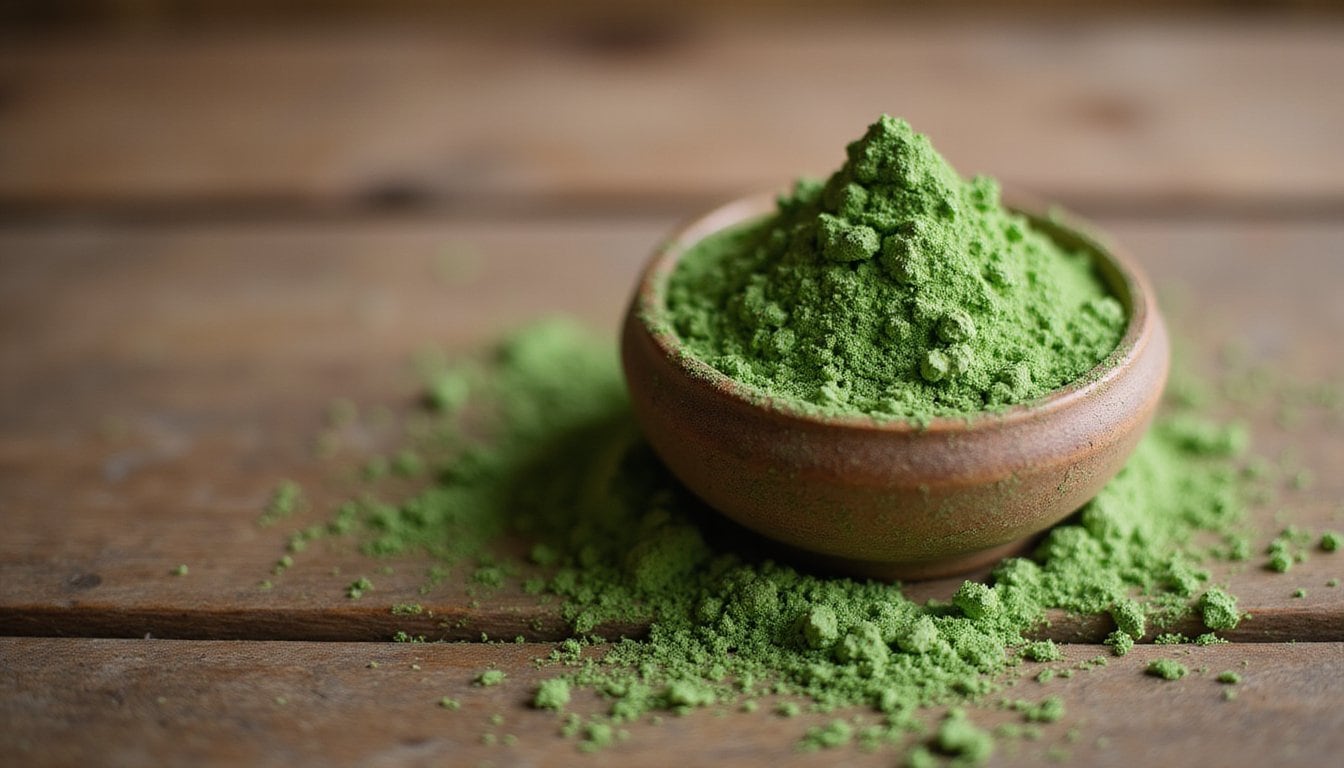
The same opioid receptor binding that defines kratom’s pharmacological profile also explains why its effects shift dramatically depending on how much you take. At low doses, you’ll experience stimulant-like responses; at higher doses, sedation dominates.
| Dose Range | Primary Effects | Duration |
|---|---|---|
| 1, 5 grams | Alertness, sociability, euphoria | 1, 1.5 hours |
| 5, 15 grams | Calmness, pain relief, anxiety reduction | Up to 6 hours |
| 10, 25 grams | Deep sedation, miosis, dysphoria risk | Up to 6 hours |
| 6, 8 grams | Increased adverse effect risk | Variable |
| 15+ grams | Possible opioid toxidrome | Requires medical intervention |
Adverse effects escalate alongside dosage. Initial sweating, nausea, and dizziness at sedating doses are typically overtaken by sedation. You should use a digital scale to measure intake precisely, since individual tolerance varies considerably.
Why Does Kratom Potency Vary So Much Between Products?
Many variables converge to make kratom one of the least predictable substances on the consumer market. Potency differences between products reflect compounding factors across cultivation, harvest, and processing stages.
Three primary sources of variability include:
- Genetics and environment: Larger, mature trees grown in high-light, high-moisture, acidic soils produce substantially more mitragynine than younger plants in suboptimal conditions
- Harvest timing: White vein products use younger leaves with higher mitragynine concentrations; red vein products use mature leaves processed for relaxation-associated alkaloids
- Post-harvest processing: Fermentation duration, drying temperature, and stem inclusion all shift alkaloid profiles extensively
You cannot reliably gauge potency from labeling alone. Geographic origin alone creates dramatic differences, South-Central U.S. kratom contains roughly seven times less mitragynine than Southeast Asian-sourced material.
Traditional Uses of Kratom in Southeast Asia
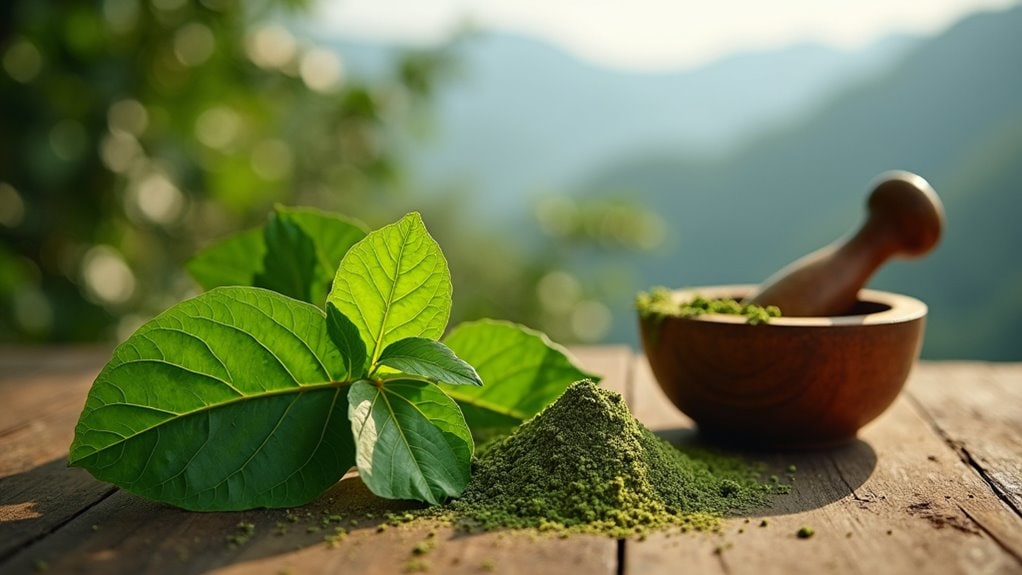
Before kratom became a subject of Western health debates, Southeast Asian communities had integrated it into daily life for centuries as a practical and medicinal resource. Farmers, fishermen, and rubber-tappers in Malaysia and Thailand chewed leaves or brewed bitter tea to sustain energy during physically demanding labor. Landowners even distributed kratom to workers as a productivity incentive.
Therapeutically, traditional users applied it to address musculoskeletal pain, fatigue, fever, digestive issues, and hypertension. During the 19th century, it served as an opium substitute during periods of scarcity and helped manage withdrawal symptoms. Beyond labor and medicine, communities incorporated kratom into social gatherings and ceremonial rituals, offering it to guests and using it in ancestral worship. These historical contexts shaped how modern populations perceive kratom today.
Which Kratom Benefits Have Actually Been Studied?
When considering kratom’s potential benefits, you’ll find that the most studied area involves pain relief, where preclinical research confirms that active compounds like mitragynine bind to mu opioid receptors and attenuate pain in animal models. Researchers have also examined anti-inflammatory properties and antidepressant and antioxidant effects, though human clinical data in these areas remains limited and largely supplemented by self-report surveys. You should weigh these findings cautiously, as the existing evidence base is preliminary and insufficient to support definitive therapeutic claims.
Pain Relief Research
How well does kratom actually hold up under scientific scrutiny for pain relief? The evidence is preliminary but significant. In survey research, 93.2% of users reported pain relief, and 49.1% met criteria for chronic pain. Controlled research adds some weight to these self-reports.
Key findings across study types include:
- A randomized controlled trial showed pain tolerance nearly doubling at one hour post-kratom (11.2 to 24.9 seconds)
- Ecological momentary assessment confirmed pain relief motivated daily use among chronic pain sufferers
- Preclinical studies demonstrated analgesic effects across multiple animal pain models
However, you shouldn’t interpret these findings as clinical endorsement. Studies are small, short-term, and methodologically limited. Causality remains unestablished. If you’re considering kratom for pain, consult a healthcare provider before use.
Anti-Inflammatory Properties Studied
Beyond pain relief, researchers have also studied kratom’s potential anti-inflammatory properties, though again, the evidence comes exclusively from preclinical models. In mouse models of ulcerative colitis, kratom extract suppressed TNF-α and IL-1β expression, modulated immune cell counts, and relaxed colonic smooth muscle through µ-opioid receptor signaling.
| Mechanism | Effect Observed | Model Used |
|---|---|---|
| Cytokine suppression | Reduced TNF-α, IL-1β | Acetic acid-induced UC mice |
| Immune modulation | Lowered granulocytes, monocytes | Mitragynine 10, 20 mg/kg mice |
| Smooth muscle relaxation | Restored colonic motility | Colitis mouse model |
These findings suggest multitarget anti-inflammatory potential, but you shouldn’t interpret preclinical results as confirmed human benefits. No clinical trials currently validate these effects, and anecdotal reports of kratom helping conditions like rheumatoid arthritis or lupus remain scientifically unverified.
Antidepressant And Antioxidant Effects
Kratom’s studied benefits extend past inflammation into neurological territory, where researchers have examined its potential antidepressant and antioxidant effects, though the evidence base carries the same preclinical limitations.
Mitragynine interacts with dopamine, serotonin, and adrenergic receptors, pathways directly relevant to mood regulation. Animal studies using forced swim and tail suspension tests showed reduced immobility, suggesting antidepressant-like activity without locomotor interference.
Key findings from current research include:
- Low-dose kratom extract produced antidepressant-like effects in rats without altering ΔFosB expression, indicating a potentially non-addictive mechanism
- Increased FOS protein in dorsal raphe nuclei points to serotonin pathway involvement
- Survey data shows 58, 67% of users self-report depressive symptom relief
You shouldn’t interpret these findings as clinical validation. Human trials remain absent, making definitive conclusions premature.
Known Side Effects and Health Risks of Kratom
While kratom is often marketed as a natural supplement, its use carries a range of documented side effects that span multiple organ systems. You may experience gastrointestinal issues like nausea, vomiting, constipation, and dry mouth. Chronic high-dose use links to anorexia and weight loss.
Neurologically, you’re at risk for dizziness, tremors, confusion, and in severe cases, hallucinations or seizures, particularly if you have epilepsy. Cardiovascularly, kratom raises your heart rate and blood pressure, with tachycardia odds 8.6 times greater than baseline. In addition to these neurological and cardiovascular effects, individuals should also be aware of the potential for other adverse reactions detailed in research findings available through kratom side effects pubmed. Some users report gastrointestinal issues, including nausea and constipation, which can complicate the overall experience. Furthermore, the long-term implications of kratom use are still being studied, highlighting the importance of consulting medical professionals before use.
Organ toxicity is a serious concern, including liver damage, jaundice, and kidney stress. Contaminated products introduce additional hazards, including heavy metals and Salmonella. High doses can trigger respiratory depression. If you’re pregnant, kratom use risks neonatal abstinence syndrome in your newborn.
Can Kratom Cause Dependence or Addiction?
If you use kratom regularly, you’re exposing yourself to real dependence risks driven by its active compounds binding to opioid receptors in the brain. Daily or high-dose use patterns are strongly associated with tolerance development, withdrawal symptoms, and cravings that can surpass those linked to other substances. Recognizing the early signs of physical dependence, such as using kratom primarily to avoid withdrawal shortly after waking, can help you assess whether your use has shifted from intentional to compulsive.
Opioid Receptor Binding Risks
One of the central concerns surrounding kratom use involves its interaction with opioid receptors in the brain, and that interaction carries real dependence risk.
Mitragynine acts as a partial agonist at the mu opioid receptor, while 7-hydroxymitragynine binds with 22.5 times greater affinity at the same receptor. Multiple alkaloids compound this risk profile:
- Mitragynine and 7-hydroxymitragynine both activate mu opioid receptors, directly linking kratom to opioid-type dependence mechanisms.
- Corynantheidine shows moderate mu receptor affinity alongside alpha-adrenergic activity, creating an atypical but still consequential binding profile.
- Minor alkaloids like corynoxine act as full mu opioid agonists, intensifying overall receptor engagement.
Binding across multiple opioid receptors means your risk isn’t limited to a single pathway, it’s distributed across several dependence-relevant mechanisms simultaneously.
Signs of Physical Dependence
Many people question whether kratom can actually cause dependence, the evidence says it can. If you’re using kratom regularly, your brain adapts to its presence, requiring it to function normally. You may notice you’re needing larger amounts to achieve the same effect, or increasing how often you dose just to avoid discomfort.
Physical withdrawal signals include abdominal cramping, muscle aches, sweating, chills, insomnia, and rapid heart rate. Behaviorally, you might find yourself spending excessive time obtaining or recovering from kratom, failing repeated attempts to quit, or continuing use despite clear negative consequences. Social withdrawal, declining work performance, and financial strain often follow.
These patterns reflect diagnosable substance use disorder criteria, not simply habit. Recognizing these signs early is critical to seeking appropriate support.
Withdrawal and Long-Term Effects
When kratom use stops abruptly, withdrawal symptoms typically emerge within 6, 12 hours of the last dose, beginning with irritability, cravings, and mild flu-like sensations before intensifying into muscle aches, abdominal cramps, chills, and gastrointestinal distress that peak around 24, 72 hours. Most acute symptoms resolve within 7, 10 days, though psychological effects can persist considerably longer.
Long-term risks include:
- Post-acute withdrawal syndrome (PAWS): Anxiety, depression, and fatigue may linger weeks or months after detox, mirroring opioid PAWS patterns.
- Neurological changes: Chronic mitragynine binding alters brain chemistry, prolonging mood dysregulation and cognitive disruption.
- Relapse vulnerability: Extended cravings and emotional instability markedly increase the likelihood of resumed use.
Heavy, frequent use accelerates dependence onset and intensifies withdrawal severity, making professional medical guidance during cessation strongly advisable.
Is Kratom Legal and What Does the FDA Say?
Kratom’s legal status in the United States is fragmented, varying considerably depending on where you live. Federally, kratom isn’t classified as a controlled substance, though the DEA proposed scheduling it in 2016 before withdrawing the recommendation. The FDA hasn’t approved kratom for medical or dietary use and prohibits therapeutic marketing claims.
Several states have enacted full bans, including Alabama, Arkansas, Indiana, Vermont, and Wisconsin. Louisiana’s ban takes effect August 1, 2025. Other states, like Utah, Florida, and Texas, regulate kratom through the Kratom Consumer Protection Act, which requires age verification, labeling, and third-party testing.
Before purchasing or using kratom, you should verify your local laws carefully. State and local restrictions shift frequently, and penalties in some jurisdictions, including significant fines and imprisonment, can be severe.
Recovery From Kratom Addiction Is Closer Than You Think
Kratom addiction can progress faster than most people expect, but lasting recovery is absolutely possible. At Pathways Recovery, we provide trusted Medical Detoxification to help you safely begin your journey toward a healthier, stronger life. Call (916) 735-8377 today and take the first step toward lasting recovery.
Frequently Asked Questions
How Long Does Kratom Stay Detectable in Urine or Blood Tests?
Kratom can stay detectable in your urine for 2, 5 days if you’re an occasional user, and up to two weeks if you use it heavily. In blood, it’s typically detectable within 1, 2 hours after ingestion and clears within 24, 48 hours. Your metabolism, dose, frequency, and liver function all influence these windows. Specialized LC-MS/MS testing detects lower concentrations than standard immunoassays, so standard drug panels often won’t catch it.
Can Kratom Interact Dangerously With Prescription Medications or Alcohol?
Yes, kratom can interact dangerously with prescription medications and alcohol. It inhibits CYP2D6 and CYP3A enzymes, causing drugs like venlafaxine and quetiapine to reach toxic levels in your system. Combining it with opioids, sedatives, or alcohol drastically increases your risk of respiratory depression and death. It also elevates serotonin levels, making combinations with antidepressants potentially life-threatening. You should always consult your prescriber before using kratom alongside any medication.
What Does Kratom Withdrawal Feel Like and How Long Does It Last?
Kratom withdrawal feels like a severe flu combined with emotional distress. You’ll experience muscle aches, sweating, nausea, and insomnia within 6-12 hours of your last dose. Symptoms peak intensely between days 1-4, including cramping, anxiety, depression, and extreme cravings. Physical discomfort typically subsides within 7-10 days, but you may face lingering psychological effects, anxiety, depression, and cravings, for weeks or months afterward, substantially increasing your relapse risk.
Are Certain Populations Like Pregnant Women More Vulnerable to Kratom’s Risks?
Yes, pregnant women face markedly higher risks. If you’re pregnant and using kratom, you’re exposing your fetus through placental transfer, increasing chances of premature delivery, growth restriction, and fetal demise. Your newborn can develop neonatal abstinence syndrome within 6-8 hours of birth, requiring hospital stays averaging 10 days. You’re also risking liver toxicity, severe withdrawal, and psychological dependence. Standard toxicology screens won’t detect kratom, making clinical recognition especially challenging.
How Is Kratom Typically Consumed and What Forms Does It Come In?
You’ll find kratom available in several forms, including powdered leaves, capsules, tablets, brewed teas, and liquid extracts. You can mix the powder into food or drinks, swallow capsules for convenience, or brew dried leaves as tea. Some people chew fresh leaves or use concentrated sublingual extracts for faster absorption. Each method affects onset time differently, tea acts within 10, 20 minutes, while capsules may delay effects by 1, 3 hours, particularly on a full stomach.