
SMART Recovery is a secular peer-support program that helps you address substance use or behavioral concerns. It doesn’t rely on a spiritual framework. Instead, you’ll build skills through its 4-Point Program, which draws on motivational and cognitive behavioral tools. You can pursue abstinence or other change goals. Twelve-step programs like AA guide you through a defined step sequence that may include spiritual concepts. Evidence supports both paths. Ahead, you’ll see how to choose what fits.
Key Takeaways
- SMART Recovery is a secular peer-support program for substance and behavioral addictions, using motivational and cognitive behavioral approaches instead of a spiritual framework.
- Its 4-Point Program builds skills in motivation, coping with urges, managing thoughts and behaviors, and living a balanced life, in no fixed order.
- SMART offers free online and in-person meetings, about 90 minutes long, guided by trained facilitators and focused on practicing tools.
- Unlike 12-step programs, which follow a defined step sequence and may include spiritual concepts, SMART centers on four flexible skill areas.
- Evidence supports multiple recovery paths, and a 2020 Cochrane review found AA/TSF improved continuous abstinence for alcohol use disorder.
What Is SMART Recovery?

SMART Recovery is a secular, peer-support alternative for addiction support that doesn’t rely on a spiritual framework. It addresses both substance use and behavioral concerns, and you can pursue abstinence or other change goals. The program draws on motivational and cognitive behavioral approaches through its 4-Point Program: building motivation, coping with urges, managing thoughts and behavior, and living a balanced life.
You’ll find free meetings online and in person, according to SMART Recovery. Trained facilitators guide each session, which usually lasts about 90 minutes and includes a check-in, tool-focused discussion or practice, mutual support, and a checkout. You work toward your own goals while supporting others. You can also use SMART’s practical handbooks and worksheets alongside meetings or on your own.
How SMART Recovery’s four-point program works
SMART Recovery’s 4-Point Program works by giving you four connected areas to work on rather than a fixed sequence to complete, treating recovery as a set of learnable skills. First, you build and maintain motivation by weighing what your current behavior costs and what change could offer. Second, you learn to cope with urges, recognizing triggers and riding out cravings without acting on them. Third, you manage thoughts, feelings, and behaviors using cognitive behavioral strategies that help you challenge unhelpful beliefs and respond differently. Fourth, you work toward a balanced life, building routines, relationships, and goals that make recovery sustainable. You can move between points as your needs shift, and you can practice them in free meetings or independently with SMART’s handbooks and worksheets.
How it differs from 12-step programs

SMART Recovery and 12-step programs like Alcoholics Anonymous (AA) are built on different frameworks, though both offer free peer support. In SMART, you build skills across four areas: motivation, coping with urges, managing thoughts and behavior, and living a balanced life. In AA, you work through a defined sequence of steps within a fellowship.
SMART describes itself as secular, so you won’t need a spiritual framework. Spiritual concepts may appear in 12-step settings, though how you interpret them is personal.
Meetings differ. A trained facilitator guides SMART discussions and tool practice, while AA meetings typically center on fellowship and step work, with formats varying by group.
If you prefer a tools-focused, secular approach, SMART may fit. If you’d value 12-step fellowship, consider AA.
How their philosophies and meeting formats compare
SMART Recovery and twelve-step programs differ in where they locate the work of change, and their meeting formats reflect that difference. SMART Recovery places that work in four skill areas: building motivation, coping with urges, managing thoughts and behavior, and creating a balanced life. You’ll draw on motivational and cognitive behavioral tools, and the program stays explicitly secular. Twelve-step programs place it in a defined sequence of steps worked within a fellowship, where spiritual concepts may feature, though your interpretation can vary.
In a SMART meeting, a facilitator guides you through check-in, discussion or practice of a recovery tool, mutual support, and checkout, lasting about 90 minutes. AA meetings commonly center on fellowship and 12-step recovery, with formats varying by group. In both settings, you’re working toward your own goals.
How SMART Recovery and AA compare on structure and approach
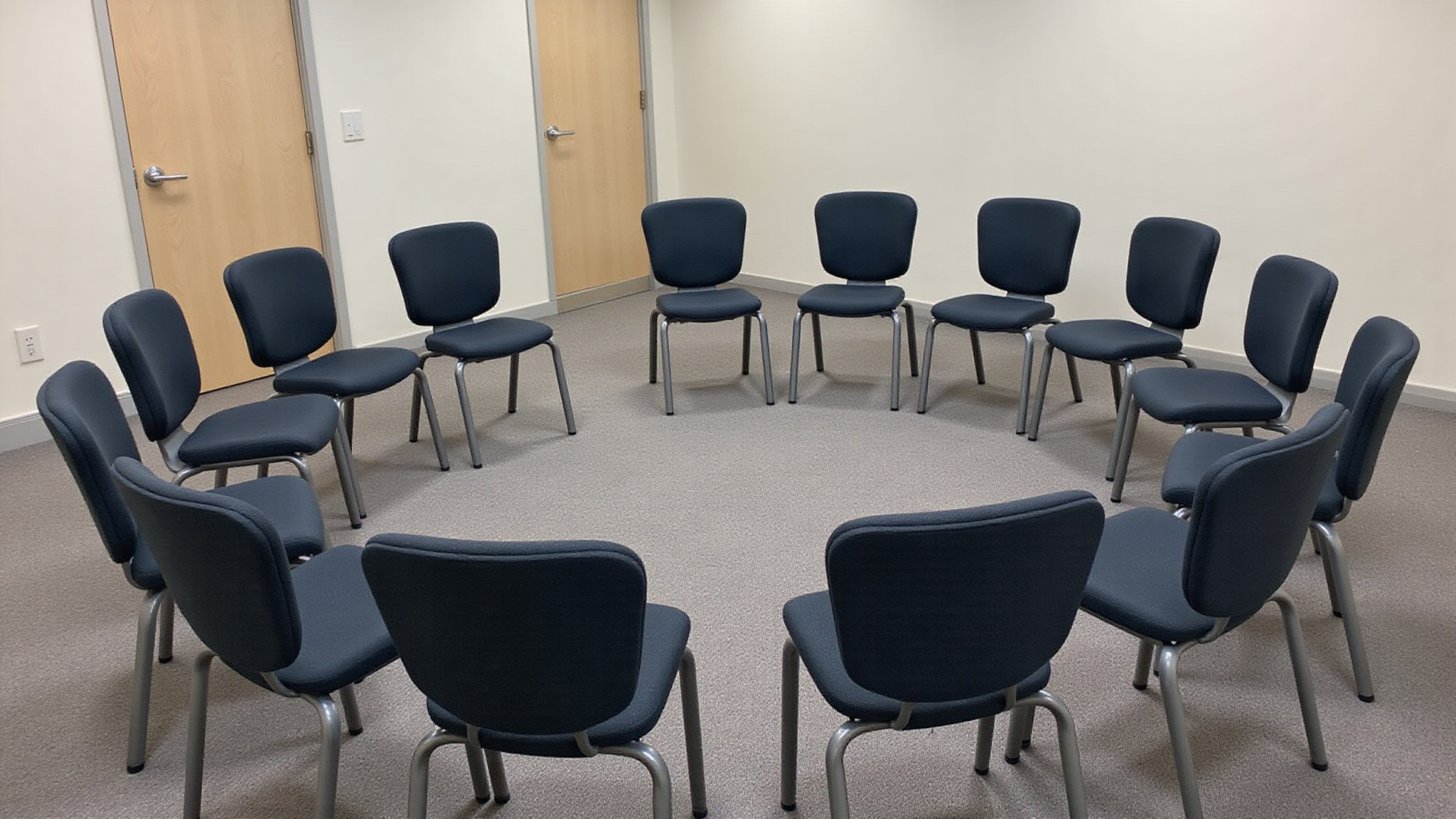
SMART Recovery uses a secular 4-Point Program built on self-management skills, while AA has you work through twelve sequential steps within a supportive peer fellowship.
| Feature | SMART Recovery | AA |
|---|---|---|
| Framework | 4-Point Program | Twelve sequential steps |
| Spirituality | Explicitly secular | Spiritual concepts may feature |
| Core methods | Motivational and cognitive behavioral tools | Fellowship and step work |
SMART meetings are facilitator-guided and typically include check-in, tool practice, mutual support, and checkout. AA formats vary by group but commonly center on shared recovery experience. Neither structure is universally better for everyone. If you prefer practical worksheets and a secular approach, SMART may fit. If a step-based fellowship appeals to you, AA may. You can also try both and notice which sustains you.
Why multiple recovery paths exist and how to choose
Multiple recovery paths exist because people don’t change in the same way. Some of you want a secular, skills-based approach; others find meaning in fellowship and a defined sequence of steps. Evidence supports more than one option. A 2020 Cochrane review found manualized AA/TSF improved continuous abstinence for alcohol use disorder, but it didn’t deliver a definitive verdict between SMART and every 12-step program.
To choose, consider:
- Your view of spirituality: If you’d prefer a secular framework, SMART may fit better.
- How you learn: SMART emphasizes tools and worksheets; 12-step groups center on fellowship and working the steps.
- Your goals: SMART supports abstinence or other change goals.
You can attend both, compare how each meeting feels, and keep what genuinely helps.
How Pathways Recovery supports recovery alongside mutual-help programs
Pathways Recovery provides the clinical assessment and individualized care that mutual-help groups like SMART Recovery and AA aren’t designed to offer, so you can use both together. Peer meetings give you community, accountability, and practical tools, and professional treatment adds the personalized support those meetings don’t provide.
At Pathways Recovery, you can explore how professional treatment and mutual-help participation fit together. Whether you’re drawn to SMART’s secular, skills-based 4-Point Program or a 12-step fellowship, you don’t have to choose one path. Your goals and needs can guide your choices.
Research supports this combined approach. A 2020 Cochrane review found that structured clinical programs designed to encourage AA participation improved continuous abstinence for alcohol use disorder. Professional support can help you connect meeting tools to your daily life. Contact Pathways Recovery to discuss your options.
How Evidence-Based Rehab Supports Every Recovery Path
Different recovery approaches work for different people, and evidence-based clinical care supports whichever path fits you best. Pathways Recovery in Roseville, CA offers Inpatient Treatment that integrates CBT, DBT, EMDR, and dual diagnosis support, serving Folsom and the greater Sacramento area. Verify your insurance or Call +1 (916) 735-8377 today.
Frequently Asked Questions
Does SMART Recovery Require Complete Abstinence, or Can I Set Other Goals?
No, SMART Recovery doesn’t require complete abstinence. You can choose abstinence or set other change goals that fit your situation. The program frames recovery around self-management, so you’ll use its 4-Point tools (building motivation, coping with urges, managing thoughts and behaviors, and creating a balanced life) to work toward whatever goal you’ve set for yourself. In meetings, you’ll apply these tools to your own circumstances while supporting others who are pursuing theirs.
Can SMART Recovery Help With Gambling, Gaming, or Other Behavioral Addictions?
Yes, SMART Recovery can support you with gambling, gaming, or other behavioral concerns, since it addresses addictive behaviors beyond substances. You’ll use the same 4-Point Program: building motivation, coping with urges, managing thoughts and behaviors, and creating a balanced life. You can apply its worksheets and meeting discussions to your specific behavior. Keep in mind that the strongest comparative evidence here focuses on alcohol use disorder, not gambling or gaming.
Can I Use SMART Recovery Tools and Worksheets Without Attending Meetings?
Yes, you can use SMART Recovery’s handbooks and worksheets without attending meetings, and they also work alongside meetings. The tools are organized around the 4-Point Program: building motivation, coping with urges, managing thoughts and behavior, and creating a balanced life. Working through them on your own lets you practice self-management at your pace. Still, free online or in-person meetings can add peer support and facilitator guidance when you’re applying tools to real situations.
What Does Research Say About SMART Recovery’s Effectiveness Compared to AA?
AA currently has stronger research support than SMART Recovery, but no study proves that one works better for every person. A 2020 Cochrane review found high-certainty evidence that manualized AA/TSF improved 12-month continuous abstinence for alcohol use disorder over other established treatments, with benefits lasting to 36 months. One older study favored AA/TSF over SMART on alcohol severity, but that single comparison can’t prove superiority for you. Choose the approach whose philosophy and meetings fit your goals, and you can try both.
Do I Have to Speak or Share During My First SMART Recovery Meeting?
No, you don’t have to speak or share during your first SMART Recovery meeting, since participation is voluntary and passing is generally accepted. A trained facilitator guides a typical meeting, which includes check-in, tool discussion, mutual support, and checkout. Since you’re there to work on your own goals, it’s reasonable to listen first. You can ask the facilitator beforehand whether passing is okay, then participate whenever you’re ready and comfortable. Listening still lets you learn practical SMART tools.