

You turn to kratom because its active alkaloids bind opioid receptors directly, triggering the same pain-blocking and anxiety-dampening pathways your nervous system responds to in prescription analgesics. At low doses, it produces antidepressant-like effects; at higher doses, sedation kicks in alongside analgesia. Clinical trials show pain tolerance can more than double after use. Nearly 70% of kratom users report struggling to access conventional pain treatment, making kratom for pain or anxiety a practical alternative worth understanding more deeply.
How Many Americans Are Actually Using Kratom for Chronic Pain?
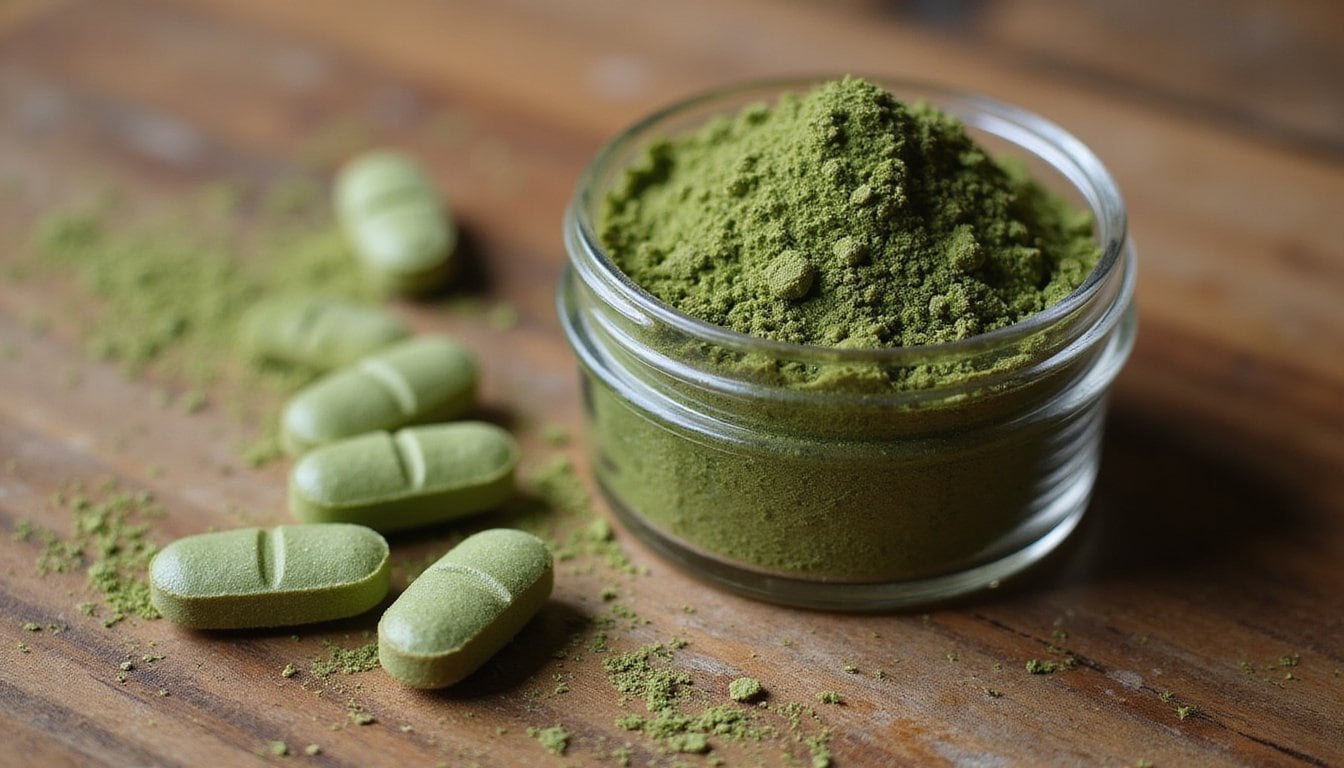
Millions of Americans use kratom regularly, and nearly half of them are dealing with chronic pain. Estimates place regular kratom use between 10 and 16 million U.S. adults, with 1.6 million annual users recorded in 2023. Among surveyed users, 49.1% met clinical criteria for chronic pain lasting at least three months at moderate severity. Pain interference and aching accounted for 85.6% of reported pain types, while nagging and throbbing pain each affected 55.2% of those with chronic pain. Critically, 69.2% reported difficulty obtaining adequate treatment before turning to kratom pain management. These numbers suggest that kratom for pain relief isn’t casual experimentation, it’s a response to unmet medical need. Understanding this pattern is essential for evaluating how chronic pain drives kratom use at a population level. The majority of surveyed users reported uninterrupted kratom use of at least two years, indicating that pain-driven use tends to become long-term rather than temporary.
Does Kratom Work for Pain Relief?
When it comes to whether kratom actually works for pain relief, the evidence points toward real, measurable effects, at least in the short term. In a randomized trial, pain tolerance increased from 11.2 to 24.9 seconds one hour post-consumption, a statistically significant result (p=0.02). Placebo showed no comparable change. Unpleasantness ratings also dropped from 57.8 mm to 52.1 mm after kratom use. When it comes to whether kratom actually works for pain relief, the evidence points toward real, measurable effects, at least in the short term. In a randomized trial, pain tolerance increased from 11.2 to 24.9 seconds one hour after consumption, a statistically significant result (p=0.02), while placebo showed no comparable change. Unpleasantness ratings also dropped from 57.8 mm to 52.1 mm following use. These findings contribute to the broader discussion of what is kratom used for medically, particularly in the context of pain management and symptom relief, though its safety and regulation remain important considerations.
Beyond acute tolerance, 93.2% of regular users reported sustained pain relief over weeks or months. If you’re exploring kratom self-medication, you’ll find that kratom mood effects and kratom for anxiety frequently emerge alongside pain relief as overlapping motivations. Higher doses produce sedative, opioid-like effects, reinforcing daily use patterns. The study recruited participants from Penang, Malaysia, targeting individuals with long history of daily kratom use, averaging 6.1 years of frequent consumption. However, causality remains unestablished, and randomized controlled trials are still needed to validate these mechanisms definitively.
What the Clinical Evidence Says About Kratom and Pain

The clinical picture around kratom and pain draws from three converging evidence streams: survey data, ecological momentary assessment (EMA), and a randomized controlled trial (RCT).
| Evidence Type | Key Metric | Result |
|---|---|---|
| Survey | Chronic pain users reporting relief | 93.2% |
| EMA | Recent kratom use effect | Lower current pain levels |
| RCT | Pain tolerance pre vs. 1hr post | 11.2s → 24.9s (p=0.02) |
Each stream reinforces the others. Survey data shows you’re not alone, 93.2% of chronic pain users reported relief. EMA confirms kratom use correlates with reduced real-time pain. The RCT delivers objective proof: pain tolerance more than doubled post-kratom, while placebo produced no measurable change. Preclinical models further support this, with two kratom compounds outperforming morphine in mouse pain-blocking tests. Each stream reinforces the others. Survey data shows you’re not alone, 93.2% of chronic pain users reported relief, while EMA findings confirm kratom use correlates with reduced real-time pain. The RCT provides objective support, with pain tolerance more than doubling post-kratom while placebo produced no measurable change. Exploring the effects of kratom on brain chemistry helps explain these outcomes, as preclinical models also demonstrate that certain kratom compounds can outperform morphine in mouse pain-blocking tests, indicating potent interactions with neurological pathways involved in pain modulation.
Among those turning to kratom, barriers to treatment appear to be a major driver, 69.2% of kratom consumers reported difficulties obtaining adequate conventional pain care, with most saying those challenges directly influenced their decision to try kratom.
How Kratom’s Calming Effects Complement Pain Relief
Kratom’s dual pharmacological profile explains why users frequently report calming effects alongside pain relief. Mitragynine and 7-hydroxymitragynine bind opioid receptors, producing simultaneous analgesia, sedation, and anxiolysis. At low doses, antidepressant-like properties enhance pain reduction without altering neuroadaptive markers like ΔFosB. Higher doses shift toward sedation, reducing anxiety while maintaining opioid-comparable analgesic effects.
Research confirms this synergy mechanistically. Cold pressor testing shows pain tolerance nearly doubling, from 11.2 to 24.9 seconds, one hour post-ingestion, with unpleasantness ratings concurrently declining. Ecological momentary assessments link recent kratom use to both reduced pain and heightened calming sensations. Among chronic pain users, subjective calming correlates more strongly with pain reduction than in non-pain populations. This pharmacological overlap means you’re experiencing anxiolytic and analgesic effects through shared receptor pathways simultaneously.
Why Chronic Pain Patients Choose Kratom Over Prescriptions
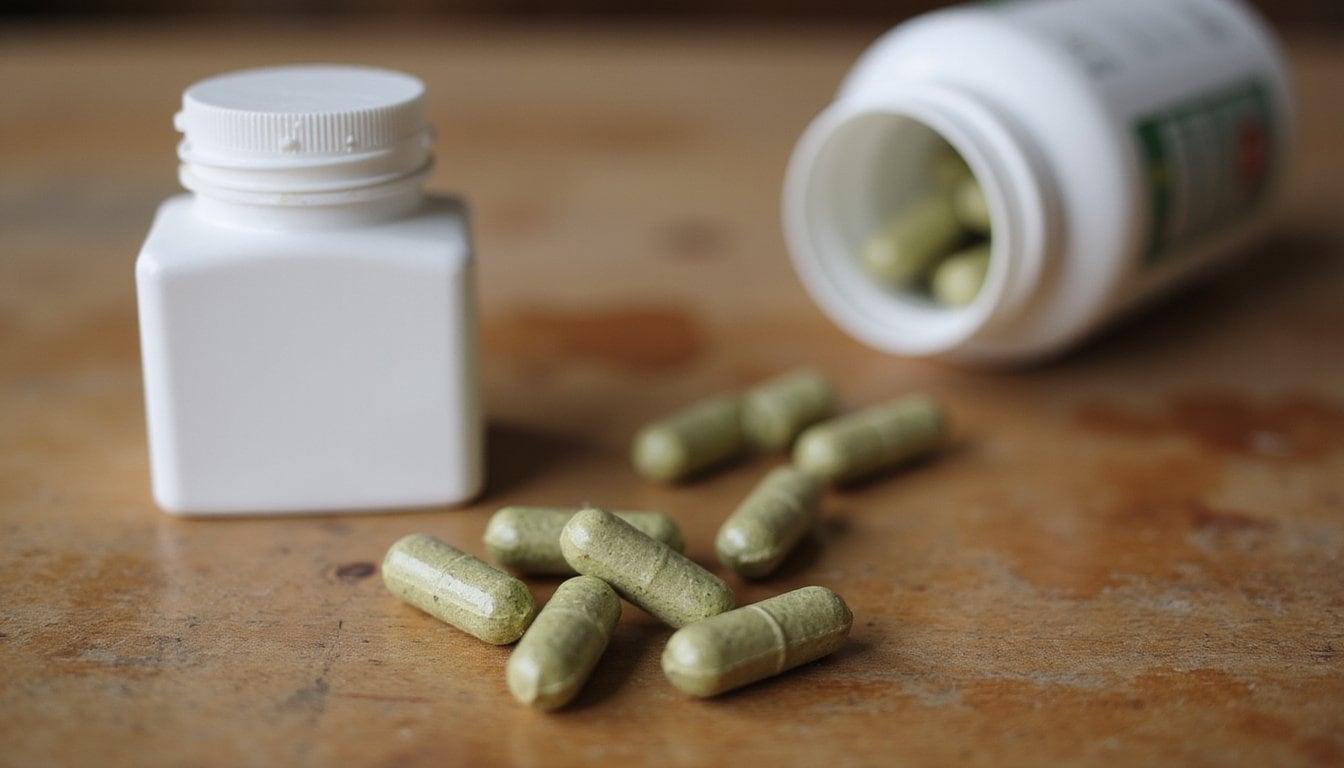
For many chronic pain patients, prescription access barriers drive the shift toward kratom, 69.2% of users reported difficulties obtaining adequate pain treatment through conventional channels. Kratom’s unregulated status allows easier procurement without medical oversight, bypassing supply chain restrictions entirely. For many chronic pain patients, prescription access barriers drive the shift toward kratom, 69.2% of users report difficulty obtaining adequate pain treatment through conventional channels. This often leads to questions like Can you become dependent on kratom, especially given its unregulated status, which allows easier procurement without medical oversight and bypasses traditional supply chain restrictions entirely.
Three mechanistic factors explain the preference:
- Effectiveness: Nearly 49.1% of chronic pain users met clinical criteria and reported substantial relief, with stronger subjective effects correlating directly to greater pain reduction.
- Safety profile: Kratom avoids respiratory suppression pathways, reducing overdose risk compared to prescription opioids.
- Side effect advantages: Analgesic doses minimize constipation and euphoria while preserving stimulant effects you may prefer over heavy opioid sedation.
These combined factors make kratom an appealing self-management option when regulated medications remain inaccessible or produce unacceptable adverse effects.
Which Chronic Pain Patients Are Most Likely to Use Kratom?
Comorbid conditions further shape usage profiles. If you have a concurrent substance use disorder, you’re less likely to use kratom as you age, and married or partnered status reduces use within that group. Uninsured or Medicaid-covered individuals with both chronic pain and SUD show increased kratom use. These patterns suggest that limited healthcare access and socioeconomic disadvantage drive many toward kratom as a pain management alternative.
What Does the Research on Kratom Still Get Wrong?
Despite growing interest in kratom research, significant methodological gaps undermine what the literature actually tells you. Most studies rely on case reports and surveys rather than controlled trials, limiting what you can conclude about safety or efficacy.
Three core problems distort the evidence:
- Diagnostic inconsistency, Only one of 55 published kratom use disorder cases applied formal DSM-5 criteria, making prevalence estimates unreliable.
- Polypharmacy confounds, 91% of fatal cases involved multiple substances, yet adverse outcomes get attributed solely to kratom.
- Poor data reporting, High non-reporting of product type, dosage, and duration blocks meaningful statistical analysis.
You’re also dealing with regulatory gaps that introduce alkaloid variability and contamination, further compromising any attempt to draw consistent, reproducible conclusions from existing data.
Recovery From Kratom Addiction Is Closer Than You Think
Kratom addiction can progress faster than most people expect, but lasting recovery is absolutely possible. At Pathways Recovery, we provide trusted Medical Detoxification to help you safely begin your journey toward a healthier, stronger life. Call (916) 735-8377 today and take the first step toward lasting recovery.
Frequently Asked Questions
What Forms or Products Is Kratom Commonly Available in Today?
You’ll find kratom available in several distinct formats today. Powders come in strains like Red Bali, Borneo Blend, and Trainwreck across weights from 50g to 1000g. Capsules, currently the most popular delivery mechanism, include jumbo, Element, and MIT Therapy varieties in counts ranging from 20ct to 1000ct. You can also access shots, tinctures, liquid extracts, mints, and beverages, each delivering varying mitragynine concentrations for dose-controlled administration.
Can Kratom Interact Negatively With Prescription Medications or Supplements?
Yes, kratom can interact negatively with your prescription medications. Its active compound, mitragynine, inhibits CYP2D6 and CYP3A enzymes, elevating drug levels dangerously. If you’re taking venlafaxine, it can trigger serotonin syndrome. Quetiapine combined with kratom has caused fatal toxicity. Combining it with opioids or sedatives risks respiratory depression. If you’re on naltrexone, kratom can precipitate withdrawal. You should always disclose kratom use to your healthcare provider immediately.
How Long Does a Typical Kratom Effect Last After Use?
After taking kratom, you’ll typically feel effects within 10, 30 minutes, with peak intensity hitting around 1, 2 hours post-ingestion. Your total experience generally lasts 2, 6 hours, though higher doses can extend this to 7 hours. Strain type profoundly influences duration, red vein strains last roughly 6 hours, white vein around 5 hours, and green vein approximately 4 hours. Your metabolism, tolerance level, and whether you’ve eaten beforehand also directly affect how long effects persist.
Is Kratom Legal to Purchase and Use Across All US States?
No, kratom isn’t legal across all U.S. states. Six states, Alabama, Arkansas, Indiana, Vermont, Wisconsin, and Louisiana, have enacted full bans, classifying it as a Schedule I substance. Washington, D.C. also prohibits it. You’ll find regulated access in over a dozen states requiring age verification, labeling, and purity standards. Federally, kratom remains unscheduled, so you’re subject to your specific state’s laws before purchasing or using it.
What Withdrawal Symptoms Occur When Someone Stops Using Kratom Regularly?
When you stop using kratom regularly, your body moves through distinct withdrawal phases. Within 6, 12 hours, you’ll experience runny nose, sweating, muscle aches, and restlessness. Between 24, 72 hours, symptoms peak, producing severe cramping, vomiting, intense anxiety, insomnia, and overwhelming cravings. By days 3, 7, physical symptoms decline, but psychological symptoms like irritability and depression persist. Beyond week two, you may experience post-acute withdrawal syndrome, with mood disturbances lasting several weeks.