

Kratom isn’t safe, even at low doses. It activates your mu opioid receptors, raising your risk of sinus tachycardia over eight times compared to non-users. As you increase your dose, you’ll face escalating dangers, liver injury, kidney damage, seizures, and respiratory depression. Mixing kratom with opioids, alcohol, or MAOIs dramatically amplifies overdose risk, and 87% of kratom-linked deaths involve polysubstance use. Below, you’ll find exactly how these risks affect each organ system.
Kratom Side Effects You Can Get at Any Dose

Beyond your gut, kratom drives cardiovascular changes. You’re roughly 8.6 times more likely to develop sinus tachycardia compared to non-users. Dizziness, tremors, and confusion also emerge across dose ranges, compounding kratom health concerns for anyone with pre-existing conditions. Aggression, irritability, and anxiety represent additional behavioral effects you can’t predict or control. Large doses have also been documented to cause trouble breathing and hallucinations, further broadening the spectrum of unpredictable reactions. These overlapping risks collectively elevate your kratom overdose risk, particularly when combined with other substances. The danger is amplified by the fact that kratom’s unregulated nature means product potency can vary dramatically, making it nearly impossible for users to gauge a safe dosage.
How Kratom Affects Your Brain and Body
- Cognitive impairment, including difficulty focusing, memory problems, and mental exhaustion with long-term use
- Emotional instability marked by anxiety, depression, and mood swings, raising significant kratom mental health concerns
- Neurological symptoms such as tremors, seizures, hallucinations, and reversible ischemic brain changes in chronic users
- Cardiovascular and gastrointestinal disruption, including heightened heart rate, blood pressure spikes, constipation, and nausea
These effects intensify as the dosage increases.
Is Kratom Addictive?
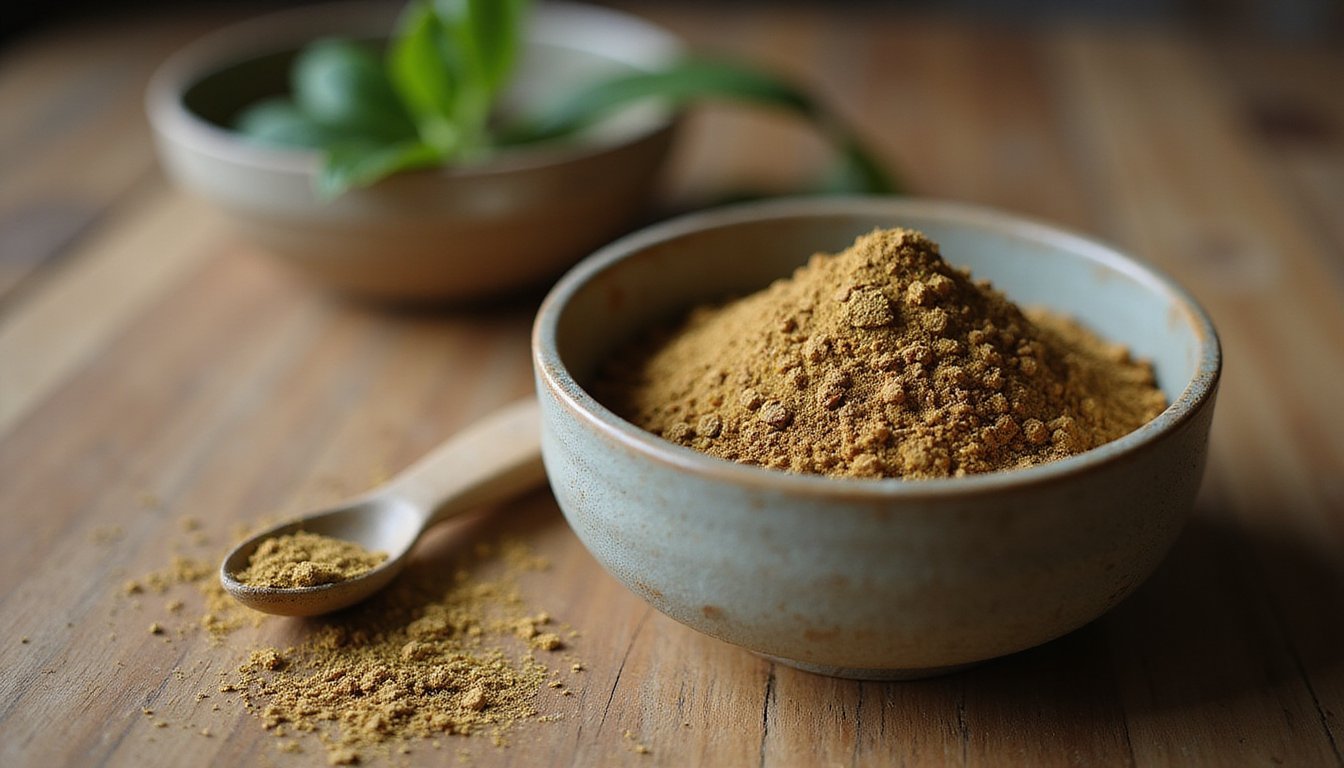
How exactly does kratom shift from a seemingly harmless herbal supplement to a substance your body depends on? Kratom’s alkaloids, mitragynine and 7-hydroxymitragynine, act as partial mu opioid agonists. At low doses, you’ll experience stimulant effects. At high doses, these compounds bind opioid receptors, producing sedation and pain relief that mimic traditional opioids.
This dose-dependent mechanism drives tolerance, cravings, and physical dependence. Your body adapts, demanding higher amounts to achieve the same effects. When questioning if kratom is safe, consider the kratom substance use risk: continued use despite negative consequences, impaired decision-making, and withdrawal symptoms mirroring opioid cessation, agitation, depressed mood, panic, and cognitive disruption. While kratom toxicity and dependence potential remain lower than full opioid agonists, the addictive trajectory is clinically significant and shouldn’t be dismissed.
Kratom Side Effects on Your Liver, Heart, and Kidneys
Kratom’s active alkaloids, particularly mitragynine, are metabolized through your liver, and chronic use can elevate liver enzymes within weeks, progressing to acute liver injury, jaundice, or even liver failure. At higher doses, kratom also poses cardiovascular risks, including tachycardia, high blood pressure, and in severe toxicity cases, cardiac arrest. Your kidneys aren’t spared either, animal studies show renal toxicity within 28 days, and human case reports link kratom use to kidney injury as part of broader multi-organ dysfunction.
Kratom-Induced Liver Damage
Because your liver processes every substance you consume, it bears the direct burden of metabolizing kratom’s active alkaloids, mitragynine and 7-hydroxymitragynine, each time you use the product. Liver injury typically develops within 1 to 8 weeks of regular use, and kratom drug interactions with other hepatically metabolized substances compound this risk.
Documented cases consistently show:
- Jaundice in all symptomatic patients, with peak bilirubin levels reaching 11.7 mg/dL
- Pruritus affects the majority of cases alongside abdominal pain
- Mixed-pattern liver injury as the predominant classification, with ALT levels reaching 362 U/L
- Full reversibility once you discontinue kratom, though continued use risks permanent damage
Even small amounts can trigger hepatotoxicity in susceptible individuals, and no corticosteroid treatment shortens recovery.
Heart Toxicity Risks
While your liver metabolizes kratom’s alkaloids, your heart simultaneously absorbs their impact, mitragynine directly blocks hERG potassium channels and alters cardiac ion flow, creating dose-dependent risks that escalate with each use.
| Cardiovascular Event | Reported Prevalence |
|---|---|
| Tachycardia | 21.4, 30.4% of cases |
| Hypertension | 10.1, 12.4% of cases |
| Cardiac arrest | 0.4% of adverse events |
ECG studies reveal sinus tachycardia in 8% of regular users, with 8.61 times the odds versus controls, alongside first-degree atrioventricular block (4%), left axis deviation (7%), and prolonged QTc intervals. At higher doses, mitragynine’s QTc prolongation raises your risk of torsades de pointes, a potentially fatal ventricular arrhythmia. Autopsy data confirm structural damage: coronary atherosclerosis, left ventricular hypertrophy, and cardiomyopathy appear across both kratom-alone and polysubstance fatalities.
Kidney Injury Concerns
Beyond the cardiovascular system, kratom’s alkaloids and their metabolites place a direct burden on your kidneys, the organs responsible for filtering and excreting these compounds. At high or frequent doses, metabolite accumulation overwhelms renal filtration, triggering nephrotoxicity and oxidative tissue damage.
Kratom’s diuretic properties compound the problem through several dose-dependent mechanisms:
- Excessive fluid loss depletes your body’s hydration, reducing the kidneys’ capacity to filter waste efficiently.
- Electrolyte imbalances from chronic dehydration impair renal function and destabilize cellular processes.
- Toxin buildup accelerates as your liver struggles to process kratom’s by-products, shifting the burden to already-strained kidneys.
- Rhabdomyolysis from high doses releases muscle proteins into your bloodstream, clogging kidney tubules and risking acute failure.
Preexisting conditions like diabetes or hypertension considerably amplify these risks.
Dangerous Side Effects From Mixing Kratom With Drugs
Kratom’s risks escalate sharply when it’s combined with other psychoactive substances, and most kratom-associated deaths involve exactly this kind of polysubstance use. Between 2016 and 2017, polysubstance involvement accounted for 87% of 152 kratom-linked deaths. When you mix kratom with opioids, alcohol, or Z-drugs, you’re compounding sedation and respiratory depression in a dose-dependent manner that can turn fatal.
MAOIs create a particularly dangerous interaction, potentially triggering severe hypertension, stroke, or fatal respiratory failure. Z-drugs mask kratom’s low-dose stimulant effects, which may push you toward higher, more dangerous doses. Adding alcohol or benzodiazepines further suppresses your central nervous system. The FDA has noted that kratom-related deaths typically involve co-consumption with other drugs, making polysubstance use the single greatest risk multiplier.
How Much Kratom Can Cause an Overdose?
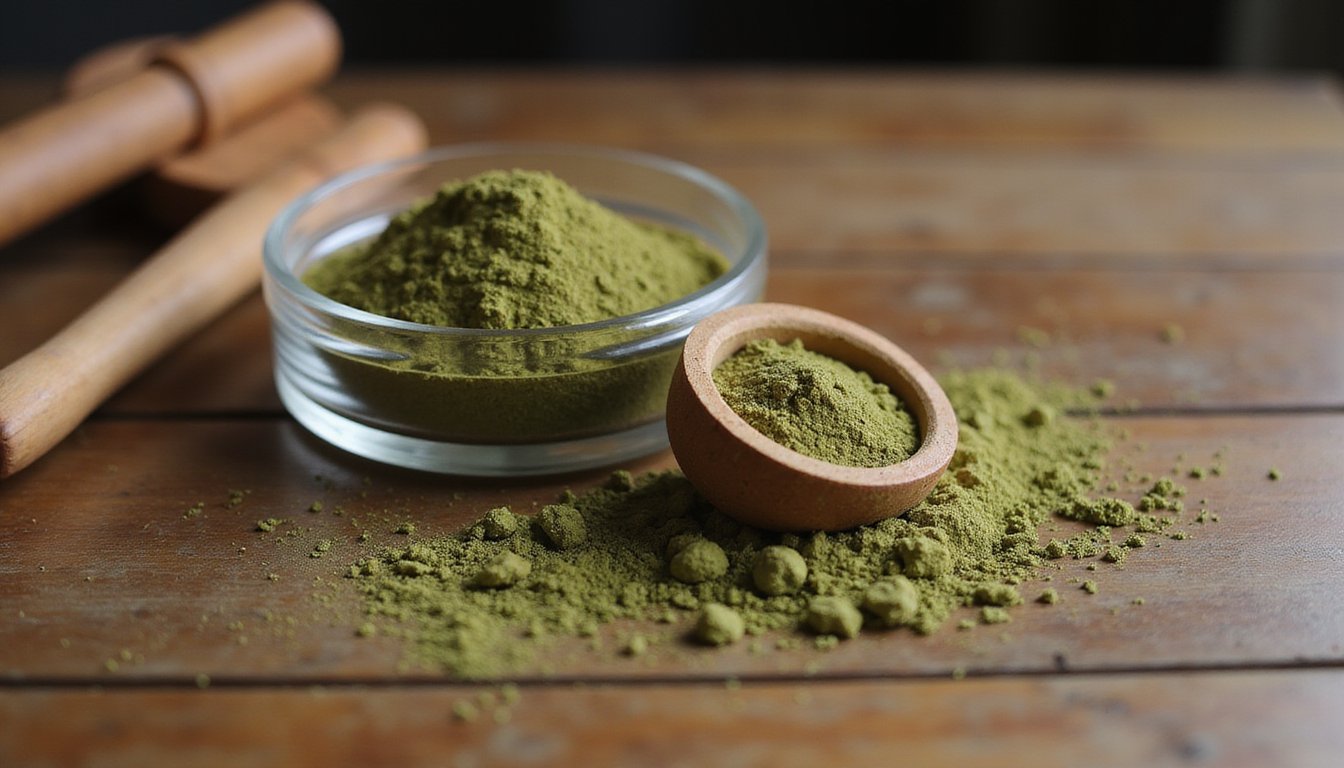
Because kratom products vary widely in alkaloid concentration and no scientifically established lethal dose exists, you can’t rely on a specific gram amount to gauge your overdose risk. Common overdose symptoms include severe sedation, respiratory depression, seizures, and loss of consciousness, effects that intensify as your dose climbs beyond the 5, 15 gram range or when you combine kratom with opioids, benzodiazepines, or alcohol. In fact, the majority of kratom-associated fatalities involve polysubstance use, which compounds toxicity across multiple organ systems and makes fatal outcomes far more likely than kratom alone.
Dose Threshold for Overdose
Although kratom doesn’t have an established lethal dose, the risk of overdose increases markedly as doses climb above the standard range of 3, 9 grams per use. Your individual threshold depends on several compounding variables:
- Body weight and metabolism, these determine how quickly you process mitragynine and its active metabolites.
- Tolerance level, chronic heavy use alters receptor sensitivity, pushing you toward increasingly dangerous doses.
- Kratom strain and potency, alkaloid concentrations vary greatly between products, making consistent dosing unreliable.
- Co-ingested substances, 65% of fatal kratom overdoses involved fentanyl, and combining kratom with alcohol or sedatives dramatically increases respiratory depression risk.
In kratom-only fatalities, blood mitragynine levels frequently exceeded 1,000 ng/mL, with one case reaching 2,500 ng/mL.
Common Overdose Symptoms
When kratom doses push beyond the typical 3, 9 gram range, the body’s response shifts from manageable side effects to multi-system distress that can escalate quickly. You may experience seizures, agitation, psychosis, or confusion as neurological function destabilizes. Cardiovascular symptoms like tachycardia and hypertension often emerge simultaneously, while nausea and vomiting signal gastrointestinal overload.
At higher doses, drowsiness can deepen toward coma, and rebound hypoxia may develop 12, 24 hours after ingestion, meaning you’re not safe just because initial symptoms fade. Liver toxicity, tremors, and hypotension add further complications. Unlike classic opioid overdoses, kratom’s respiratory effects stem more from agitation-related disruption than direct depression, making the clinical picture unpredictable. Each additional gram increases multi-organ strain, compressing the margin between discomfort and crisis.
Polysubstance Overdose Deaths
Most kratom-related deaths don’t involve kratom alone, they involve kratom stacked on top of other substances that already suppress breathing, destabilize heart rhythm, or impair consciousness. In reviewed fatality data, approximately 90% of kratom-positive decedents had multiple substances in their system.
The most common co-occurring substances in kratom-involved deaths include:
- Fentanyl and fentanyl analogs, present in up to 65% of kratom-positive fatalities, compounding respiratory depression risk
- Heroin, detected in roughly 33% of cases, amplifying opioid receptor saturation
- Benzodiazepines, found in 20, 22% of deaths, adding central nervous system sedation
- Cocaine and stimulants, present in 18, 20% of cases, creating unpredictable cardiovascular strain
Co-using opioids with kratom markedly increases your odds of fatal drug intoxication.
How Many People Have Died From Kratom?
Exactly how many deaths kratom has caused remains difficult to pin down, but the available data paints an increasingly serious picture. Since 2021, over 2,000 fatal kratom-related overdoses have been recorded across 40 states and D.C. Florida alone has documented more than 580 kratom-related deaths over the past decade, with 46 involving no other substances. At least 20% of those kratom-only deaths involved concentrated products, suggesting dose potency plays a direct role in fatal outcomes.
A PubMed analysis of 551 confirmed mitragynine exposures found 484 deaths from drug intoxication, though only 36 involved kratom alone. Ohio’s kratom-involved overdose deaths surged 180% between 2019 and 2024. If you’re using kratom, you should understand that fatal outcomes aren’t limited to polysubstance scenarios.
What’s Actually in Your Kratom Product?
When you purchase kratom, you’re consuming a product that lacks standardized quality control, which means you can’t verify what’s actually in it. Testing of commercial kratom products has revealed contamination with heavy metals like lead and nickel, as well as microbial pathogens including *Salmonella*, all of which introduce health risks entirely separate from kratom’s own pharmacological effects. Beyond contamination, unregulated products may contain undisclosed ingredients, including synthetic 7-hydroxymitragynine at concentrations far exceeding natural levels, turning what you believe is a plant-based product into something with considerably higher potency and overdose potential.
Contamination and Heavy Metals
A bag of kratom powder may list only one ingredient, but FDA laboratory testing tells a different story. When the FDA analyzed 30 kratom products, nearly all contained lead and nickel far exceeding safe daily exposure limits. If you’re consuming over 50 grams daily, your lead intake alone could reach 300 µg, well past established thresholds.
Your contamination risk scales with dose and product type:
- Non-extract powders, capsules, and tablets carry the highest metal loads because whole plant material absorbs soil and water contaminants directly.
- Lead and nickel appear in the vast majority of tested products.
- Arsenic exceeds permissible limits in up to 9.4% of products at higher doses.
- Processing equipment, grinders, drying racks, storage bins, introduces additional metals post-harvest.
Unregulated Product Ingredients
Because kratom products aren’t regulated like pharmaceuticals, what’s listed on the label rarely matches what’s inside the package. Dried leaf products contain over 40 alkaloids, with mitragynine comprising up to 66% of total alkaloid content and 7-hydroxymitragynine reaching 2%. However, profiling of 53 commercial products reveals distinct chemotypes with highly variable alkaloid abundance, meaning two products from the same species can produce very different effects.
The greater concern is the addition of synthetic 7-hydroxymitragynine. This compound is 5, 50 times more potent than mitragynine, and manufacturers semi-synthetically derive and add it to boost product strength. You won’t reliably know the concentration you’re consuming. Products range from crushed leaves to concentrated tinctures and resin extracts, each delivering unpredictable alkaloid doses that shift your risk for overdose-like reactions considerably.
Why the FDA and DEA Warn About Kratom Side Effects
Although kratom is widely sold as a natural supplement, the FDA and DEA have issued repeated warnings about its side effects because the substance carries documented risks across multiple organ systems. These agencies cite escalating adverse event data that directly challenge kratom’s perceived safety profile.
Key concerns driving federal warnings include:
- Hepatotoxicity: Liver injury cases show increased enzymes and acute damage requiring medical intervention, with unpredictable individual susceptibility.
- Respiratory depression: Kratom’s opioid receptor activity suppresses breathing, especially when you combine it with other CNS depressants.
- Seizure risk: Poison control centers received over 3,400 kratom-related seizure reports between 2014 and 2019.
- Cardiovascular effects: Tachycardia and high blood pressure create compounded danger if you have pre-existing heart conditions.
Where Kratom Is Illegal in the U.S
Federal warnings about kratom’s health risks carry different weight depending on where you live, because state and local governments have responded to those same safety concerns with varying levels of legal restriction.
Alabama, Arkansas, Indiana, Rhode Island, and Vermont have enacted full bans, you can’t buy, possess, or sell kratom in these states. Wisconsin maintains a similar ban, though reversal discussions are underway. At the local level, San Diego, Sarasota County, and Denver have imposed their own restrictions even where state law permits kratom.
Several states take a regulatory approach instead. Arizona, Georgia, Nevada, and Utah have passed the Kratom Consumer Protection Act, requiring product testing and labeling standards. Oregon and South Dakota restrict sales to adults 21 and older, while Illinois and New Hampshire set the minimum at 18.
Make the Call That Saves Your Future
Kratom addiction can progress faster than most people expect, but lasting recovery is absolutely possible. At Pathways Recovery, we provide trusted Addiction Treatment Programs to help you safely begin your journey toward a healthier, stronger life. Call (916) 735-8377 today and take the first step toward lasting recovery.
Frequently Asked Questions
Can Kratom Use During Pregnancy Harm the Baby?
Yes, kratom can harm your baby. Its alkaloids cross the placenta and expose your developing baby to opioid-like compounds. This exposure can trigger neonatal abstinence syndrome (NAS), causing jitteriness, high-pitched crying, feeding difficulties, and tremors, sometimes requiring IV morphine treatment. You’re also risking premature delivery, low birth weight, and intrauterine growth restriction. Higher doses and longer use increase these dangers. Standard drug screens won’t detect kratom, making diagnosis harder for your medical team.
Is Kratom Safe to Use While Breastfeeding?
No, kratom isn’t safe to use while breastfeeding. Its active compounds, mitragynine and 7-hydroxymitragynine, are expected to pass into your breastmilk based on their pharmacology. Your baby can develop withdrawal symptoms like spasms, crying, vomiting, and difficulty eating. Higher or more frequent doses increase this risk. Since kratom products are unregulated, you’re also exposing your infant to potential contaminants. You should inform your provider and work toward weaning off kratom.
How Long Does Kratom Stay in Your System?
Kratom’s main alkaloid, mitragynine, has an oral half-life of about 6.6 hours, but its terminal half-life stretches to roughly 24 hours. You’ll feel peak effects within 2, 4 hours, though higher doses prolong sedative effects up to 6 hours. Urine tests can detect kratom for up to 7 days, or two weeks if you’re a chronic user. Blood detection lasts 7, 9 days, and your dose, metabolism, and liver function all influence how quickly you’ll clear it.
Will Kratom Show up on a Standard Drug Test?
Kratom won’t show up on standard 5-panel, 10-panel, or 12-panel drug tests because these screens don’t target mitragynine or 7-hydroxymitragynine. However, you shouldn’t assume you’re in the clear. Specialized tests using LC-MS/MS can detect kratom alkaloids at cutoffs as low as 5 ng/mL. There’s also a real risk that adulterated kratom products contaminated with opioids could trigger a false positive, creating unexpected consequences.
Can You Safely Use Kratom During Addiction Recovery?
Using kratom during addiction recovery carries significant risks you shouldn’t overlook. It activates mu-opioid receptors, which can trigger new dependence even through partial agonism. Higher doses increase sedation, withdrawal severity, and relapse potential. You’ll also face unregulated product quality, possible contamination, and dangerous interactions with other medications. While some users report reduced opioid cravings, there’s no clinical trial evidence supporting kratom’s safety or efficacy. Medical supervision remains your safest path.