

When you mix kratom and alcohol, you’re combining mu-opioid receptor activation with GABAergic depression, a dual mechanism that amplifies CNS suppression far beyond either substance alone. This masks overconsumption warning signs and drives ICU admission rates to 28.3%, compared to 8.6% for kratom alone. Alcohol appeared in 19 of 152 kratom-related overdose deaths tracked between 2016, 2017. Understanding exactly how these interactions escalate, from respiratory depression to liver damage, can help you recognize the dangers before they become fatal.
What Happens When Kratom and Alcohol Mix
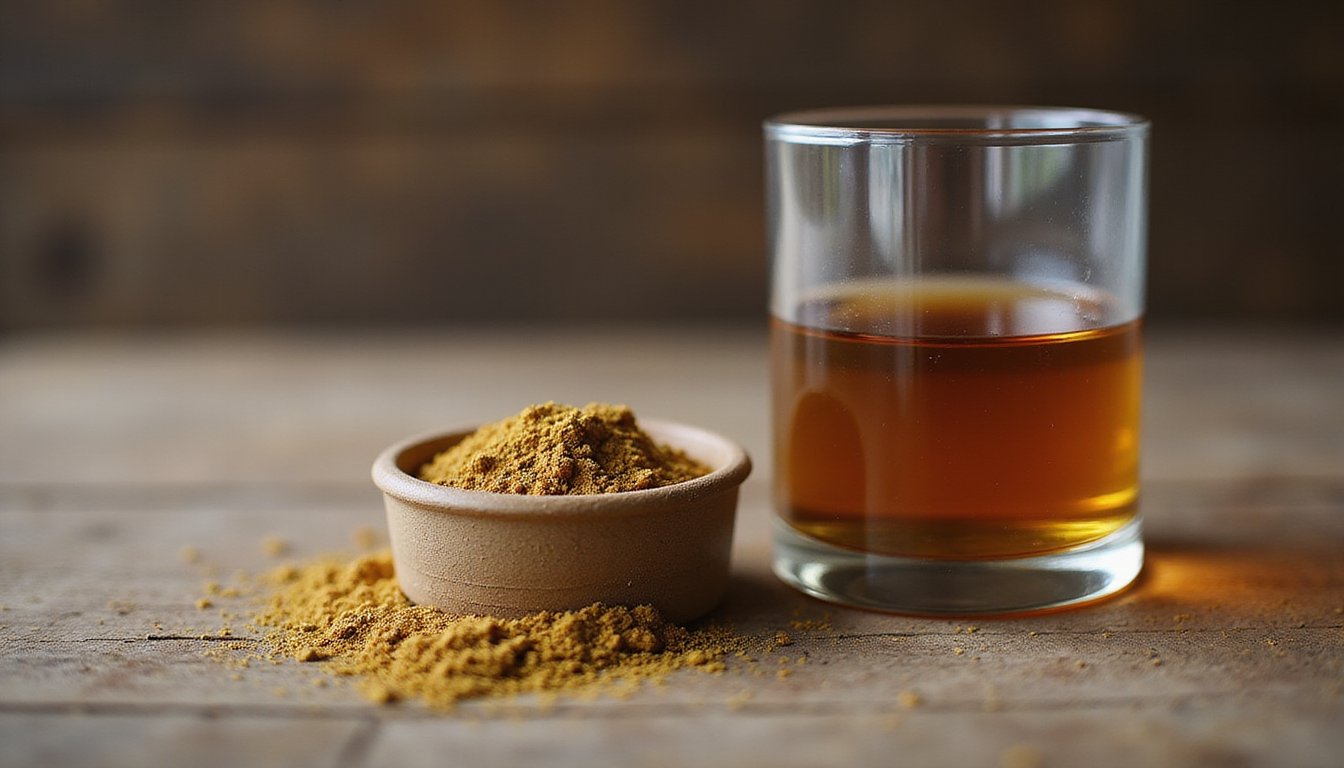
Mixing kratom and alcohol sends contradictory signals to your body. Kratom’s stimulant properties clash with alcohol’s depressant effects, potentially masking warning signs of overconsumption. Both substances are hepatically metabolized, placing significant strain on your liver simultaneously. The resulting alcohol and kratom risks include excessive sedation, irregular heart rate, respiratory depression, and impaired coordination. You’re fundamentally forcing competing pharmacological mechanisms that can escalate into dangerous physiological responses. Notably, most overdose deaths involving kratom have also included other substances such as alcohol, underscoring the severity of this combination. The combination also amplifies side effects like nausea and anxiety, making an already risky situation significantly more unpredictable and harmful. Because alcohol affects GABA receptors while kratom interacts with opioid receptors, their simultaneous use can produce synergistic sedative effects that are difficult to anticipate or control.
Why This Combination Is So Dangerous
When you combine kratom and alcohol, both substances act on your central nervous system simultaneously, amplifying sedation, respiratory depression, and impaired motor function beyond what either produces alone. Because kratom’s alkaloids interact with opioid and adrenergic receptors in ways that remain poorly characterized, adding alcohol introduces unpredictable pharmacological effects that your body can’t reliably compensate for. This unpredictability sharply heightens your overdose risk, most kratom-related fatalities involve co-ingested substances like alcohol, making polydrug use the primary driver of fatal outcomes.
Amplified CNS Depression
Both alcohol and high-dose kratom depress the central nervous system through distinct but converging mechanisms, alcohol enhances inhibitory GABA signaling while kratom’s alkaloids, mitragynine and 7-hydroxymitragynine, activate mu-opioid receptors. When you combine kratom and alcohol, these pathways don’t just add up, they amplify each other supra-additively within the first one to six hours post-intake.
This synergistic effect intensifies the kratom sedation risk far beyond what either substance produces alone. You’ll experience compounded drowsiness, suppressed breathing, and impaired motor function simultaneously. The kratom alcohol side effects include slurred speech, loss of coordination, and dangerously shallow respiration. Because mitragynine’s prolonged half-life sustains residual depression, even staggered dosing reintroduces CNS suppression on top of alcohol’s existing inhibitory effects.
Unpredictable Pharmacological Effects
| Factor | Mechanism | Risk Outcome |
|---|---|---|
| Dose-dependent duality | Stimulant-to-sedative shift | Unpredictable physiological response |
| Receptor overlap | Shared mu-opioid activation | Supra-additive sedation |
| Prolonged elimination | Mitragynine’s multi-day half-life | Delayed, compounding interactions |
Kratom with alcohol exemplifies high-risk kratom polysubstance use because you can’t reliably predict combined outcomes, even between consecutive doses.
Heightened Overdose Risk
Because both kratom and alcohol depress central nervous system function, combining them doesn’t just add risk, it multiplies it. Between July 2016 and December 2017, 152 Americans died in kratom-involved overdoses, with polydrug use present in most cases. The CDC identified alcohol in 19 of those fatalities.
When you mix kratom and drinking, you compound respiratory depression, creating conditions for dangerously slow breathing, respiratory arrest, and death. High-dose kratom already suppresses respiration; alcohol accelerates that suppression toward fatal thresholds.
Beyond respiratory failure, this combination triggers cardiac arrest, kidney failure, rhabdomyolysis, and seizures. Overdose signs include severe drowsiness, confusion, hallucinations, and loss of consciousness. If you observe these symptoms in yourself or someone else, call 911 immediately.
Short-Term Side Effects of Kratom and Alcohol
When kratom and alcohol enter the body simultaneously, their overlapping effects on the central nervous system can produce a range of acute side effects that escalate in severity depending on dosage, timing, and individual tolerance. You may experience nausea, vomiting, dizziness, and impaired coordination as CNS depression intensifies. Drowsiness can escalate to extreme sedation, increasing your fall and accident risk.
Cardiovascular effects include rapid heart rate, heightened blood pressure, and irregular rhythms driven by conflicting stimulant-depressant actions on your system. Cognitive disruptions, confusion, hallucinations, anxiety, and disorientation, compound impaired judgment, raising the likelihood of dangerous decision-making. Each side effect doesn’t occur in isolation; they interact synergistically, meaning combined severity often exceeds what you’d experience from either substance alone.
Kratom and Alcohol Respiratory Depression Risk

When you combine kratom and alcohol, both substances depress your central nervous system through complementary mechanisms, kratom’s alkaloids activate opioid receptors while alcohol suppresses brainstem respiratory centers, creating a synergistic effect that can slow your breathing to dangerous levels. This compounded respiratory depression reduces oxygen delivery to essential organs, and at higher doses, it can progress from shallow breathing to full respiratory arrest, a pattern reflected in FDA-reported kratom-associated fatalities involving co-used sedatives. Poison center data show that co-use increases ICU admission likelihood, underscoring that the margin of safety kratom may carry alone effectively disappears when you add alcohol to the equation.
Breathing Suppression Dangers
Both kratom and alcohol depress the central nervous system, and their combined use creates additive or supra-additive suppression of breathing and heart rate. Kratom’s alkaloids mitragynine and 7-hydroxymitragynine bind to mu-opioid receptors, producing dose-dependent sedation that intensifies when you add alcohol’s depressant effects. This pharmacologic overlap strains your respiratory system within one to six hours of co-ingestion.
The clinical data underscore the danger. Poison center records show co-exposures drive ICU admission rates to 28.3%, compared to 8.6% for kratom alone. You face slow, shallow breathing that can progress to respiratory arrest. Case reports link this combination to pulmonary edema and respiratory distress. Alcohol also increases aspiration risk by compounding kratom-induced nausea, reported in nearly 15% of cases. The impact of kratom on mental health is an area of increasing concern among researchers. Emerging studies suggest a potential link between kratom use and anxiety or mood disorders.
Life-Threatening Oxygen Deprivation
Although kratom’s alkaloids exhibit biased agonism at mu-opioid receptors, producing lower intrinsic respiratory depression than classical opioids like morphine, this protective margin collapses once you add alcohol’s direct CNS depressant load. Together, these substances synergistically suppress your brainstem’s respiratory drive, reducing both rate and depth of breathing within hours of co-ingestion.
As your respiratory rate drops, mitochondrial oxygen delivery becomes compromised, triggering cellular hypoxia and potential organ damage. Sedation simultaneously impairs your airway reflexes, elevating aspiration risk, stomach contents can enter your lungs and cause acute respiratory failure. Poison center data quantify this danger: kratom exposures involving co-ingestants like alcohol result in ICU admissions at 28.3 percent versus 8.6 percent for kratom alone, confirming that co-use materially escalates life-threatening respiratory outcomes.
How Overdose Risk Multiplies With Both Substances
Because kratom at high doses mimics opioid depressant properties, combining it with alcohol creates a compounding sedative effect on the central nervous system that dramatically increases the likelihood of a life-threatening overdose. The benefits of kratom versus opioids are often discussed, especially in the context of pain management.
Mixing kratom with alcohol compounds their sedative effects, dramatically raising the risk of a dangerous overdose.
Between July 2016 and December 2017, 152 kratom-related overdose deaths occurred in the U.S., with most involving polydrug use. Nineteen of those deaths specifically involved alcohol alongside kratom. Kratom’s effects on health risks are a growing concern for both users and health professionals. Research continues to assess its potential dangers, especially when mixed with other substances.
Three key mechanisms drive this multiplied risk:
- Dual respiratory depression: Both substances independently slow breathing; together, they can trigger respiratory arrest.
- Impaired dosing judgment: Alcohol reduces your ability to gauge kratom intake, leading to reckless escalation.
- Cardiac destabilization: The combination can cause irregular heart rate, dangerously heightened blood pressure, and cardiac arrest.
These unpredictable interactions make any combined dose potentially fatal.
Kratom and Alcohol Liver Damage Over Time

Beyond the acute overdose threat, kratom and alcohol inflict cumulative damage on your liver, the organ responsible for metabolizing both substances. Kratom alkaloids, mitragynine and 7-hydroxymitragynine, burden the same hepatic pathways that process alcohol. When you combine them, you’re forcing your liver to detoxify multiple toxic compounds simultaneously, accelerating cellular stress.
Symptoms of kratom-related liver toxicity typically surface within one to eight weeks of regular use. You may notice jaundice, dark urine, persistent nausea, abdominal pain, or unexplained fatigue. Lab work often reveals increased liver enzymes and bilirubin levels exceeding 20 mg/dL, indicating cholestatic or mixed injury patterns.
The critical factor: liver damage from kratom generally reverses once you stop. Continued use alongside alcohol risks permanent hepatic injury requiring immediate medical intervention.
Long-Term Risks of Mixing Kratom and Alcohol
When kratom and alcohol use extends from weeks into months or years, the damage shifts from reversible acute episodes to entrenched, multi-system deterioration. You’re compounding cardiovascular strain, chronic hypertension, irregular heart rate, and heightened stroke risk, with progressive central nervous system damage, including seizures, memory loss, and tremors.
Prolonged co-use drives three critical escalation pathways:
- Dependence acceleration: Tolerance builds rapidly, pushing you toward higher doses and increasing polysubstance addiction complexity.
- Neuropsychiatric decline: Anxiety, depression, hallucinations, and cognitive impairment worsen progressively, compounding social isolation.
- Organ-level damage: Gastrointestinal deterioration, chronic dehydration, respiratory depression, and cardiac arrest risk accumulate with each exposure cycle.
You’re also facing anorexia-driven weight loss, persistent insomnia, and treatment-resistant mood disorders that complicate any future recovery effort.
How To Respond to a Kratom and Alcohol Emergency
The long-term damage from combining kratom and alcohol creates a body already operating at diminished capacity, meaning any acute crisis on top of that baseline carries amplified lethality. You should recognize key overdose markers: respiratory rate below 10 breaths per minute, seizures, loss of consciousness, or chest pain. Polydrug exposures involving kratom and alcohol result in 28.3% ICU admission rates.
Call 911 immediately upon detecting these signs. Position the person upright to reduce aspiration risk during vomiting. Don’t leave them unattended, a sober companion should monitor breathing and document symptoms for responders. If they’re conscious, provide water to counteract dual-substance dehydration.
Make the Call That Saves Your Future
Combining kratom with other substances can create dangerous health complications, but lasting recovery is always within reach. At Pathways Recovery, we offer trusted Addiction Treatment Programs designed to help you safely overcome polysubstance use and build a healthier, stronger life ahead. Call (916) 735-8377 today and take the first step toward lasting recovery.
Frequently Asked Questions
Can Kratom Be Used Safely to Help Reduce Alcohol Cravings or Withdrawal?
Some preliminary evidence suggests kratom’s delta-opioid receptor antagonism may reduce your alcohol cravings, but you shouldn’t consider this a safe or proven approach. Current data relies on small surveys and animal models, no controlled clinical trials support kratom for alcohol withdrawal. You’re also risking dependence on kratom itself, and combining both substances increases your overdose and sedation risk. You’ll want to pursue evidence-based treatments under medical supervision instead.
How Long Should You Wait Between Taking Kratom and Drinking Alcohol?
You should wait at least 24 hours after taking kratom before drinking alcohol. Mitragynine’s elimination half-life means meaningful levels still circulate even after effects fade. Kratom alkaloids peak within 1, 2 hours, and overlapping sedation during the first six hours poses the highest overdose risk. Since residual metabolites persist beyond noticeable effects, maximizing time separation reduces receptor overlap at mu-opioid sites. Ideally, you shouldn’t combine them on the same day.
Does the Strain or Dose of Kratom Change the Risk With Alcohol?
Yes, both strain and dose greatly change your risk profile. At low doses, kratom’s stimulant properties counteract alcohol’s depressant effects, prompting you to consume more of both. At high doses, kratom’s opioid-like depressant qualities compound alcohol’s CNS depression, increasing your risk of respiratory arrest and organ damage. Sedative strains amplify respiratory suppression, while stimulant strains can trigger irregular heart rate and confusion when you’re drinking.
Is Kratom Regulated or Tested for Contaminants Like Heavy Metals and Salmonella?
Kratom isn’t federally regulated for contaminant testing, but several states have stepped in. North Carolina’s HB 468 mandates ISO/IEC 17025-accredited lab testing for heavy metals (lead <1.0 ppm, arsenic <1.5 ppm) and pathogens like salmonella and E. coli. The American Kratom Association’s GMP program requires independent audits. You should verify your vendor provides third-party lab results, since the FDA has documented heavy metal and pathogen contamination across multiple products from 2018, 2024.
What Treatment Options Exist for Someone Addicted to Both Kratom and Alcohol?
You’d typically start with medical detoxification, where clinicians monitor overlapping withdrawal symptoms, since combined kratom-alcohol withdrawal intensifies risks like seizures and severe mood instability. Medication-assisted treatment using buprenorphine-naloxone or clonidine helps manage opioid-like symptoms, while behavioral therapies like CBT target the layered substance-use patterns driving relapse. Inpatient rehabilitation provides 24/7 supervision, reducing relapse probability compared to home detox. No FDA-approved kratom-specific medications exist yet, making integrated, evidence-based protocols essential.