

Kratom disrupts your brain’s opioid, serotonin, and norepinephrine systems, and chronic use depletes natural neurotransmitter production. You’ll face dose-dependent risks ranging from anxiety and cognitive deficits to hallucinations, paranoid delusions, and treatment-resistant psychosis. Research shows kratom users have markedly higher odds of suicidal ideation, plans, and attempts, especially males and Black individuals. Withdrawal intensifies these risks with severe depressive episodes peaking within 12, 48 hours. Understanding who’s most vulnerable and what safer alternatives exist can change your approach entirely.
How Kratom Affects Your Brain Chemistry

Simultaneously, kratom modulates serotonin and norepinephrine activity, creating a hybrid pharmacology that shifts from stimulant to sedative depending on dosage. Chronic exposure depletes your brain’s natural neurotransmitter production, destabilizing baseline neurochemical function. This dysregulation directly elevates kratom anxiety risk and contributes to documented kratom psychiatric effects, including emotional instability, depressive episodes, and in severe cases, psychotic symptoms. Over time, this neurochemical disruption may also impair cognitive function, compromising memory, focus, and decision-making capacity. Because kratom lacks FDA approval, there are no established safety guidelines to help users gauge appropriate dosages or anticipate these neurochemical consequences. Understanding these mechanisms clarifies why kratom’s impact on mental health extends far beyond temporary mood alteration.
Kratom’s Immediate Effects on Your Mind
When you use kratom, you may experience dizziness and drowsiness that impair your coordination and cognitive processing, particularly at higher doses where sedation overrides stimulant effects. In more severe acute reactions, you can develop hallucinations, perceiving sounds, sights, or sensations that aren’t real, alongside delusional thinking that distorts your interpretation of reality. These neuropsychiatric symptoms indicate significant central nervous system disruption and warrant immediate clinical evaluation. Because kratom attaches to specific brain receptors similar to those targeted by pain medications, its potential to alter mental function and lead to dependence should not be underestimated.
Dizziness and Drowsiness Onset
Although kratom’s mental health effects often develop gradually with repeated use, its immediate impact on cognitive and neurological function can begin within minutes of ingestion. Dizziness and drowsiness typically manifest within one hour, representing key kratom psychological effects that signal central nervous system disruption.
Three critical onset patterns you should recognize:
- Low-dose stimulation, jitteriness and tachycardia precede sedation, masking early kratom mental health concerns.
- High-dose sedation, drowsiness intensifies rapidly, accompanied by confusion, tremors, and respiratory depression.
- “Wobbles” phenomenon, jittery dizziness occurs immediately when you exceed intended doses, indicating acute neurological impairment.
Non-standardized products and polysubstance use accelerate these effects unpredictably. Nausea, sweating, and agitation frequently co-occur, compounding kratom emotional instability during the acute phase and complicating clinical assessment.
Hallucinations and Delusions
Beyond dizziness and drowsiness, kratom’s acute neuropsychiatric effects can escalate to hallucinations and delusions, symptoms that represent a more severe disruption of perception and thought processing. You may experience auditory and visual hallucinations within days of ingestion, driven by overstimulation of dopamine and serotonin pathways. High-dose consumption greatly elevates this risk, particularly when combined with other substances.
The connection between kratom and mental health deterioration extends to paranoid delusions emerging even without prior psychiatric history. Kratom self-medication for emotional distress can trigger novel delusional thinking resistant to antipsychotic intervention. If you have pre-existing conditions like schizoaffective or bipolar disorder, your kratom depression risk compounds considerably, as these vulnerabilities amplify psychiatric decompensation. Psychotic reactions have precipitated self-harm behaviors, confirming kratom’s capacity for severe neuropsychiatric harm.
Why Kratom Makes Anxiety and Depression Worse

When you stop using kratom after regular consumption, withdrawal triggers intense anxiety, restlessness, and depressive episodes as your brain struggles to regulate mood without the substance. Your continued dependence on kratom for emotional management compounds existing mood disorders by disrupting natural serotonin and dopamine function, creating a cycle where you need increasing doses to achieve diminishing relief. Over time, these neurochemical disruptions produce lasting cognitive and emotional decline, including emotional blunting, irritability, and persistent mood instability that extends well beyond active use.
Withdrawal Fuels Emotional Distress
Because kratom alters the brain’s opioid and serotonin pathways during active use, withdrawal triggers a pronounced rebound effect that amplifies anxiety, depression, and emotional dysregulation beyond baseline levels. Within 12, 48 hours of cessation, you’ll likely experience peak psychological distress characterized by:
- Severe anxiety and hypervigilance, ranging from persistent restlessness to acute panic episodes during the 1, 3 day acute phase.
- Depressive episodes with hopelessness, profound sadness, motivational collapse, and mood instability that may require clinical intervention.
- Irritability and cognitive impairment, heightened agitation, mental fog, and impaired decision-making that compromise daily functioning.
These withdrawal-driven symptoms are particularly destabilizing when kratom and co-occurring disorders intersect, as compounded emotional volatility increases relapse vulnerability and complicates diagnostic assessment.
Dependence Worsens Mood Disorders
Although kratom may initially mask symptoms of anxiety or depression, chronic use actively destabilizes the neurochemical systems responsible for mood regulation, turning a perceived remedy into a driver of psychiatric decline.
When you use kratom long-term, mitragynine and 7-hydroxymitragynine disrupt dopamine and serotonin pathways, producing emotional flatness, rebound anxiety, and deepening depressive symptoms. You’ll develop tolerance, requiring escalating doses that compound neurochemical imbalance. Clinical evidence confirms this trajectory: a 47-year-old male’s one-year kratom use resulted in worsening anxiety, depression, and withdrawal-driven emotional distress, symptoms that resolved only after buprenorphine-naloxone intervention.
If you’re self-medicating a pre-existing mood disorder, kratom accelerates instability rather than providing sustained relief. Your brain’s dependency on exogenous mood regulation erodes baseline emotional functioning, intensifying the very conditions you’re attempting to manage.
Long-Term Cognitive Mental Decline
Beyond mood destabilization, chronic high-dose kratom use produces measurable cognitive deficits, specifically in visual episodic memory and new learning, that directly undermine your capacity to manage anxiety and depression.
Research using the Cambridge Neuropsychological Test Automated Battery demonstrates that consuming more than three glasses of kratom tea daily (mitragynine doses of 72.5, 74.9 mg) impairs Paired Associates Learning performance. These deficits selectively target your ability to encode and recall visual information paired with new stimuli.
Three clinically significant consequences emerge:
- Impaired new learning prevents you from acquiring adaptive coping strategies during therapy.
- Visual memory deficits disrupt daily functioning, amplifying depressive withdrawal.
- Chronic insomnia compounds mood dysregulation, creating a self-reinforcing cycle.
Notably, low-dose users show no measurable differences from controls, confirming dose-dependent cognitive vulnerability.
Kratom Dependence and How It Rewires Your Thinking
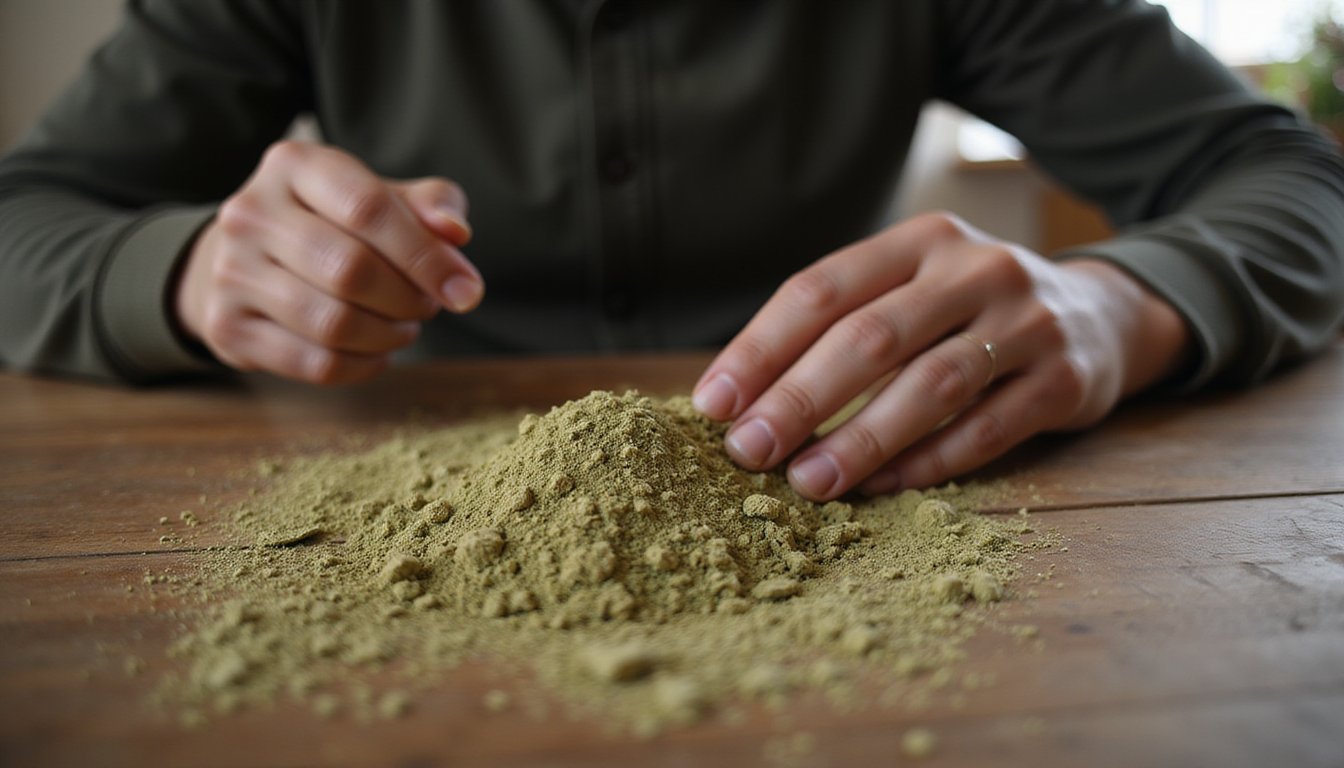
When kratom’s active alkaloids, mitragynine and 7-hydroxymitragynine, bind to mu-opioid receptors in the brain, they trigger dopamine release that produces euphoria and pain relief through a mechanism that closely mirrors prescription opioids. Your brain compensates by downregulating natural opioid receptor sensitivity and reducing endogenous dopamine production, establishing physiological dependence.
| Neurological Domain | Mechanism of Disruption | Clinical Presentation |
|---|---|---|
| Cognition | Hippocampal synaptic plasticity disruption | Impaired memory, poor focus, reduced problem-solving |
| Mood Regulation | Dopamine-serotonin imbalance | Irritability, emotional flatness, depression |
| Executive Function | Prefrontal cortex alterations | Compromised impulse control, impaired judgment |
Chronic exposure fundamentally alters your neurotransmitter balance. Neuroimaging confirms persistent prefrontal cortex changes that diminish decision-making capacity. You’ll require professional intervention to restore baseline neurochemical functioning.
What Kratom Withdrawal Does to Your Emotions
Because kratom’s alkaloids suppress your brain’s natural opioid and dopamine signaling, withdrawal triggers an acute emotional rebound that disrupts nearly every aspect of psychological functioning. Within 24 to 72 hours after your final dose, you’ll likely experience peak-intensity symptoms across three primary domains:
Kratom withdrawal hijacks your emotional baseline, triggering peak psychological distress within 24 to 72 hours of cessation.
- Anxiety and panic responses, hypervigilance, overwhelming worry, and restlessness ranging from mild unease to severe panic attacks
- Depressive episodes, persistent sadness, hopelessness, and motivational deficits that intensify if you relied on kratom for emotional regulation
- Irritability and emotional volatility, heightened frustration sensitivity, sudden mood oscillations, and agitation that amplifies stress perception
Cognitive impairment compounds these disturbances. You’ll encounter mental fog, poor concentration, and decision-making deficits alongside persistent cravings that challenge sustained abstinence.
Long-Term Kratom Mental Health Damage
When you use kratom chronically, you’re exposing your brain to sustained neurochemical disruption that can produce lasting cognitive deficits, including confusion, altered mental status, and focal neurologic impairments documented in long-term daily users. Persistent psychosis represents one of the most severe outcomes, as case evidence shows heavy kratom use triggering novel paranoid delusions in patients with psychiatric histories, delusions that resisted resolution even after seven weeks of antipsychotic treatment. These findings indicate that prolonged kratom exposure can cause mental health damage that outlasts the period of active use and complicates clinical recovery.
Chronic Cognitive Impairment
Although kratom doesn’t appear to cause broad cognitive decline across all domains, research indicates that long-term, high-dose use selectively impairs specific cognitive functions, particularly visual episodic memory and new learning. Studies using the Cambridge Neuropsychological Test Automated Battery found that users consuming more than three glasses daily showed deficits on the Paired Associates Learning task, while low-intake users performed comparably to controls.
Key cognitive risk factors include:
- Dose-dependent impairment: Mitragynine doses of 72.5, 74.9 mg correlate with measurable learning deficits.
- Adolescent vulnerability: Early exposure disrupts reference memory and alters brain metabolite pathways involving tryptophan and arachidonic acid.
- Compounding effects: Chronic insomnia, tolerance development, and withdrawal-related irritability further degrade cognitive performance.
You should recognize these signs early, as adolescent exposure particularly increases lifelong deficit risk.
Persistent Psychosis Development
While most kratom-related psychiatric effects resolve after cessation, a subset of cases demonstrates persistent psychosis that resists standard treatment, raising serious concerns about long-term neuropsychiatric damage. Case reports document paranoid delusions emerging after escalated kratom use, persisting despite seven weeks of antipsychotic therapy. In one case, a patient with schizoaffective disorder developed novel paranoid ideation absent across seven prior hospitalizations, directly correlating with increased kratom intake.
You should recognize that kratom’s overstimulation of dopamine and serotonin pathways can trigger psychomotor agitation, hallucinations, and treatment-resistant delusions. Polydrug use, medication nonadherence, and pre-existing psychiatric conditions compound your risk considerably. Documented outcomes include self-harm behaviors during psychotic episodes and discharge to intensive residential care, underscoring kratom’s capacity to produce lasting neuropsychiatric destabilization requiring prolonged clinical intervention.
The Link Between Kratom and Psychosis
Because kratom interacts with multiple neurotransmitter systems, its potential to trigger psychotic symptoms, particularly in psychiatrically vulnerable individuals, deserves careful clinical attention. A systematic review identified 11 documented cases of kratom-associated psychotic or manic symptom worsening, with Malaysian studies reporting psychotic symptoms in 4% of regular users.
Kratom’s interaction with multiple neurotransmitter systems poses real psychotic risks for psychiatrically vulnerable individuals.
Key risk factors you should recognize include:
- Preexisting psychiatric diagnoses, schizophrenia, schizoaffective disorder, and bipolar disorder notably elevate your vulnerability to kratom-induced psychotic decompensation.
- Dopamine D2 receptor binding, kratom’s affinity for these receptors can undermine antipsychotic medication efficacy and exacerbate symptoms.
- Dose escalation patterns, case reports consistently link symptom onset to increased kratom dosage rather than medication changes.
Extended kratom-induced insomnia may further precipitate hallucinations and confusion, compounding psychiatric instability.
Kratom and Suicidal Thoughts: What Research Shows
Given that kratom interacts with opioid receptors and influences mood-regulating neurotransmitter systems, its association with suicidal thoughts and behaviors (STBs) represents a critical clinical concern. Analysis of 2021 NSDUH data (n=47,291) reveals that kratom users demonstrate markedly higher odds of past-year suicidal ideation (OR: 2.14), plans (OR: 1.95), and attempts (OR: 2.50) compared to non-users.
These risks aren’t uniform across demographics. Male users show nearly three times higher odds of suicidal thoughts (OR: 2.74), while Black users exhibit the most pronounced association (OR: 11.00). Case evidence further illustrates this pattern, escalating kratom use has coincided with severe depressive episodes and suicide attempts, even in individuals with previously controlled mood disorders. You should recognize these warning signs early.
Who Faces the Highest Kratom Mental Health Risks?
Certain populations face disproportionately heightened psychiatric risks from kratom use, particularly when preexisting vulnerabilities intersect with the substance’s neurochemical effects. Research identifies these high-risk groups:
- Individuals with preexisting psychotic disorders, A patient with schizoaffective disorder developed novel paranoid delusions after escalating kratom intake, despite seven prior hospitalizations showing no such symptoms.
- Chronic high-dose users, Long-term heavy consumption precedes psychiatric decompensation, with withdrawal producing hallucinations, delusions, and anhedonia.
- Polysubstance users, Concurrent use of kratom with opioids or cannabis compounds psychiatric complications, including fatal overdoses and intensified psychotic features.
Additionally, 4% of regular kratom users in Malaysia reported psychotic symptoms. If you fall within these categories, you should seek professional evaluation before kratom exposure worsens your clinical trajectory.
Safer Alternatives to Kratom for Pain and Mood
Understanding which populations face the greatest psychiatric risks from kratom naturally raises the next question: what evidence-based alternatives can address pain and mood without compounding mental health vulnerabilities?
For mood stabilization, you’ll find ashwagandha regulates cortisol effectively, while rhodiola rosea enhances stress resilience and reduces fatigue. Kava kava delivers anxiolytic effects comparable to red vein kratom without opioid-receptor activity.
For pain management, CBD reduces inflammation through endocannabinoid pathways, and duloxetine offers dual efficacy for pain and depression within two to four weeks. Gabapentin and pregabalin treat neuropathic pain with established safety profiles supported by systematic reviews.
For energy without psychiatric destabilization, matcha provides sustained focus alongside L-theanine’s calming properties. You should consult your clinician before substituting any compound, particularly if you’re managing co-occurring mental health conditions.
Make the Call That Saves Your Future
Kratom addiction can progress faster than most people expect, but lasting recovery is absolutely possible. At Pathways Recovery, we provide trusted Addiction Treatment Programs to help you safely begin your journey toward a healthier, stronger life. Call (916) 735-8377 today and take the first step toward lasting recovery.
Frequently Asked Questions
Can Kratom Interact With Prescribed Psychiatric Medications Like Antidepressants or Antipsychotics?
Yes, kratom can interact dangerously with your psychiatric medications. If you’re taking SSRIs, SNRIs, or other antidepressants, kratom increases your risk of serotonin syndrome, a potentially life-threatening condition causing confusion, rapid heart rate, and muscle rigidity. Kratom also inhibits CYP3A4 and CYP2D6 enzymes, raising blood levels of medications like fluoxetine, amitriptyline, quetiapine, and alprazolam. Combined with benzodiazepines, it can cause severe respiratory depression. You shouldn’t combine kratom with prescribed psychotropics without medical supervision.
Is Kratom Use Detectable on Standard Mental Health Screening Drug Tests?
Standard mental health screening drug tests won’t detect kratom. These panels typically screen for opiates, amphetamines, benzodiazepines, and other common substances, but they don’t include mitragynine or 7-hydroxymitragynine. You’d need a specialized kratom assay using liquid chromatography, tandem mass spectrometry (LC-MS/MS) for confirmed detection. Treatment facilities can order these tests specifically when kratom use might complicate your psychiatric medication management, withdrawal care, or overall mental health treatment plan.
How Does Kratom Affect Mental Health Differently Than Traditional Opioids?
Kratom affects your mental health through a dual-action mechanism, stimulating at low doses and sedating at higher ones, unlike traditional opioids, which primarily depress your central nervous system. You may experience anxiety relief and improved focus initially, but prolonged use can trigger hallucinations, delusions, and pronounced agitation. During withdrawal, you’ll likely face stimulant-like symptoms such as panic and heightened anxiety that aren’t typical of traditional opioid withdrawal patterns.
Can Occasional Kratom Use Still Cause Lasting Mental Health Problems?
While thorough research on lasting cognitive impairment from occasional use remains limited, you shouldn’t assume it’s risk-free. Case reports document acute psychiatric symptoms, including hallucinations, delusions, and confusion, even without chronic use patterns. If you’ve got a preexisting psychiatric condition, you’re particularly vulnerable to symptom worsening, including novel paranoid delusions not previously in your history. You can’t reliably predict your individual response, making professional evaluation essential before any use.
Should Therapists Be Informed About a Patient’s Kratom Use During Treatment?
Yes, you should always inform your therapist about kratom use. Disclosure allows your clinician to accurately assess how kratom may affect your mood, anxiety levels, and treatment response. Since 65, 67% of users take kratom for depression or anxiety, undisclosed use can mask symptoms, complicate medication management, and undermine therapeutic progress. Your therapist can then integrate evidence-based approaches like cognitive-behavioral therapy and coordinate thorough care for any co-occurring substance use concerns.