

Yes, whippets are extremely dangerous. When you inhale nitrous oxide, you’re displacing oxygen from your lungs and bloodstream, which can trigger sudden cardiac arrest, seizures, or death within minutes. Long-term use inactivates vitamin B12, causing permanent nerve damage that leads to numbness, balance problems, and coordination difficulties. While whippets create psychological dependence rather than physical addiction, the intense dopamine release drives compulsive use patterns. Understanding the full scope of these risks can help protect your health.
What Are Whippets and Why Do People Use Them?
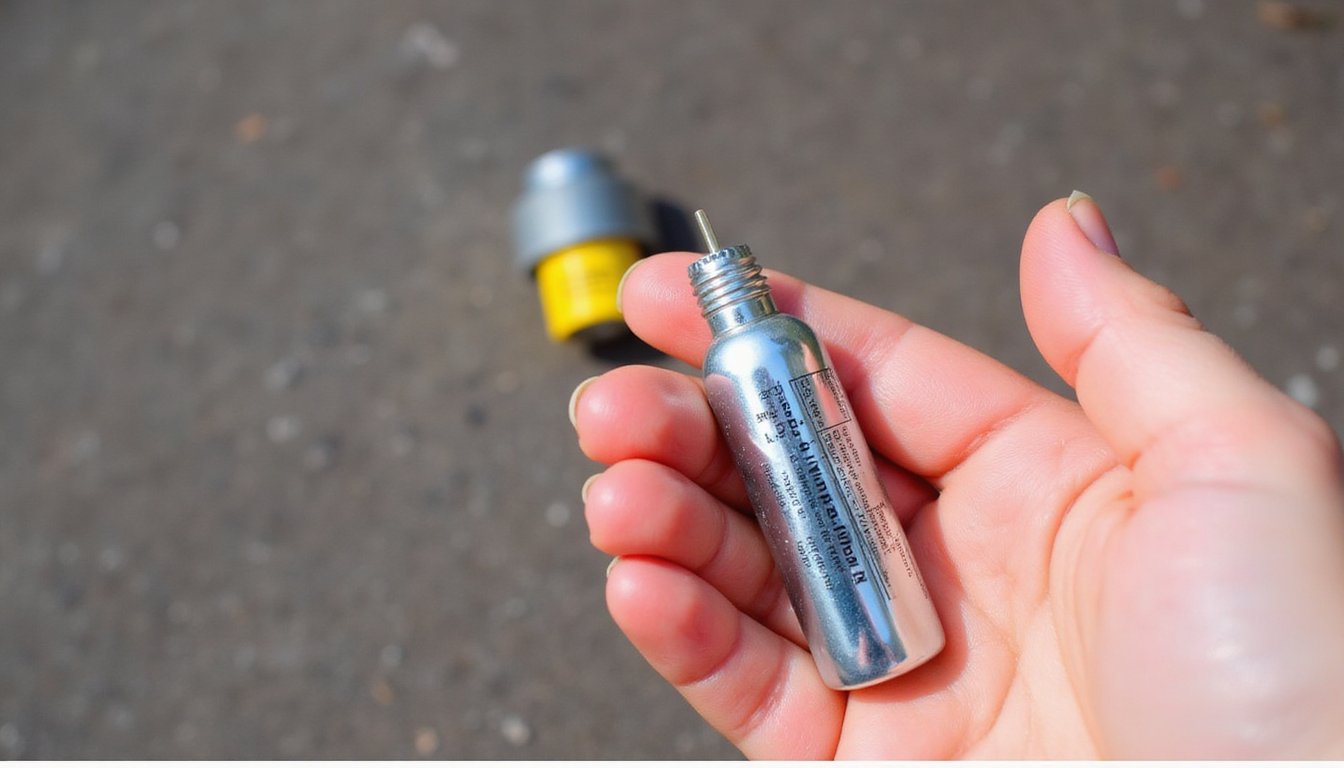
When you hear the term “whippets” in a recreational context, it’s referring to nitrous oxide (N₂O), a colorless, odorless gas contained in small metal canisters designed for whipped cream dispensers. You might also encounter street names like laughing gas, chargers, or bulbs. how whippets affect the body can vary significantly among individuals. Some users report feelings of euphoria and relaxation, while others may experience dizziness or a rapid heart rate. It’s crucial to be aware of the potential risks involved, including hypoxia and nerve damage with frequent use.
People misuse whippets because they produce a rapid euphoric high, feelings of detachment, and pain reduction. The gas triggers dopamine release, creating pleasurable sensations that last only seconds to minutes. This short duration often leads to repeated use, increasing nitrous oxide addiction risk. Users typically inhale the gas by transferring it into a balloon or using a bag or mask to breathe in the fumes from the canister.
Understanding whippet drugs dangers starts with recognizing why they’re accessible, they’re legal for food and medical purposes, inexpensive, and easily obtained. However, this availability masks serious whippets side effects that develop with misuse.
Immediate Effects of Whippets on Your Brain and Body
When you inhale nitrous oxide, it rapidly displaces oxygen in your lungs and bloodstream, causing your brain to experience immediate oxygen deprivation that triggers dizziness, confusion, and lightheadedness within seconds. The euphoric “high” you feel results from this hypoxia combined with the drug’s effects on your nervous system, but it typically lasts only 30 to 60 seconds. This brief duration often leads users to repeat inhalations in quick succession, drastically increasing the risk of dangerous oxygen depletion, loss of consciousness, and impaired motor coordination. Users may also experience hallucinations and distorted perception of time and space as short-term effects of the drug.
Rapid Oxygen Deprivation
Inhaling nitrous oxide from whippets creates an immediate threat to your brain and body through rapid oxygen deprivation. When you inhale pure nitrous oxide, it displaces breathable oxygen in your lungs and bloodstream, triggering hypoxia within seconds. Your brain cells require constant oxygen to function, and even brief deprivation can cause confusion, dizziness, and loss of consciousness.
The consequences of oxygen deprivation escalate quickly. You may experience seizures, slurred speech, or blurred vision as your nervous system struggles without adequate oxygen supply. Repeated or prolonged inhalation during a single session substantially increases your risk of brain damage, as neurons begin dying within minutes of sustained hypoxia. The short-lived high typically fades within seconds to minutes, which often leads to compulsive repeated use during a single session as users chase the euphoric effect. In severe cases, this oxygen displacement leads to cardiac arrest, coma, or sudden death, particularly when using whippets in enclosed spaces or with plastic bags.
Short-Lived Euphoria Risks
Although the euphoric rush from whippets feels intensely pleasurable, it’s dangerously fleeting, lasting only seconds to minutes before fading completely. This brief duration drives compulsive re-dosing behavior, raising the question: is nitrous oxide addictive? The rapid, repeatable nature of the high can foster psychological dependence.
Are whippets bad for you? Consider how repeated use depletes essential nutrients, leading to vitamin B12 deficiency nitrous oxide users commonly experience. Detecting nitrous oxide inhalation signs can also be a crucial component in understanding the long-term effects of whippet use. As individuals become reliant on these substances, they may exhibit behavioral changes that further indicate the depth of their dependence.
| Risk Factor | Immediate Effect | Long-Term Consequence |
|---|---|---|
| Dopamine surge | Intense euphoria | Dependence development |
| Oxygen displacement | Dizziness, confusion | Neurological damage |
| B12 depletion | Tingling sensations | Nerve damage |
| Dissociation | Reality distortion | Impaired judgment |
| Re-dosing urge | Compulsive use | Addiction patterns |
You’re chasing a high that vanishes almost instantly while accumulating serious health consequences.
How Whippets Cause Permanent Nerve Damage

When you inhale nitrous oxide repeatedly, it inactivates vitamin B12 by oxidizing its cobalt ion, which disrupts your body’s ability to synthesize myelin and maintain healthy nerve cells. This B12 depletion directly damages your spinal cord’s dorsal columns, causing subacute combined degeneration that impairs your proprioception, balance, and coordination. The resulting peripheral neuropathy produces persistent numbness, tingling, and muscle weakness in your extremities, damage that becomes irreversible if you don’t stop using and receive B12 treatment promptly.
Vitamin B12 Depletion Effects
Because nitrous oxide directly attacks vitamin B12 at the molecular level, even occasional whippet use can trigger a cascade of neurological damage. The gas oxidizes the cobalt ion in B12, permanently inactivating this essential coenzyme. Without functional B12, your body can’t convert homocysteine to methionine, disrupting nerve cell maintenance and myelination.
You’ll notice tingling in your hands and feet first. As depletion progresses, numbness spreads through your extremities, coordination deteriorates, and weakness develops. Brain cells suffer too, you may experience difficulty concentrating, memory problems, and impaired decision-making.
While many ask “are whippets legal,” the neurological consequences don’t discriminate based on legality. MRI scans reveal characteristic damage patterns, and blood tests confirm depleted B12 levels. Early treatment with intramuscular B12 injections can reverse some effects, though fingertip numbness often persists permanently.
Spinal Cord Damage Risk
The spinal cord faces devastating consequences from chronic whippet abuse, with damage patterns that neurologists increasingly recognize in young patients. When you inhale nitrous oxide repeatedly, it inactivates vitamin B12 by oxidizing its cobalt center, blocking essential methylation processes that maintain your nerve sheaths.
This triggers subacute combined degeneration, primarily affecting your dorsal columns. You’ll experience:
- Progressive numbness in your hands and feet
- Balance problems and gait instability
- Coordination difficulties that worsen over time
- Sensorimotor peripheral neuropathy alongside spinal cord damage
Clinical evidence shows alarming outcomes. A 22-year-old’s daily abuse caused cervical myelopathy, while thoracic lesions appeared in someone using 80-100 canisters daily. An Irish hospital recorded 14 teen cases between 2021-2024, all retained permanent neurological damage despite B12 supplementation and rehabilitation.
Irreversible Peripheral Neuropathy
Permanent nerve damage from whippet abuse develops through a cascade of biochemical failures that standard blood tests often miss entirely. Nitrous oxide inactivates vitamin B12 by disrupting methionine synthase, creating a functional deficiency even when your plasma B12 levels appear normal. This leads to demyelination of nerve fibers in both your central and peripheral nervous systems.
| Diagnostic Marker | Finding | Clinical Significance |
|---|---|---|
| Methylmalonic acid | Elevated | Confirms B12 dysfunction |
| Homocysteine | Elevated | Indicates metabolic disruption |
| MRI imaging | T2 hyperintensities | Shows spinal cord damage |
You’ll experience tingling, numbness, and motor weakness that can progress to spastic paraparesis. Early B12 supplementation is critical, delays often result in irreversible damage. Many patients retain persistent symptoms despite aggressive treatment.
Why Whippets Can Kill You in Minutes

Within minutes of inhaling nitrous oxide, you can experience life-threatening oxygen deprivation that leads to unconsciousness, seizures, or death. When you inhale pure nitrous oxide, it displaces oxygen in your lungs and brain, causing rapid arterial desaturation without warning symptoms.
Inhaling pure nitrous oxide can cause life-threatening oxygen deprivation within minutes, leading to unconsciousness, seizures, or death without warning.
The most dangerous acute risks include:
- Sudden sniffing death syndrome, cardiac arrest or respiratory collapse can occur even on first use
- Severe hypoxia, 100% nitrous oxide concentration prevents oxygen intake, causing confusion within seconds
- Cardiac arrhythmias, high doses trigger irregular heartbeats or myocardial infarction
- Frostbite injuries, gas expelled from pressurized canisters reaches extremely low temperatures, burning your mouth and airways
Combining whippets with alcohol or opioids drastically increases your sudden death risk. These fatalities happen quickly, often before you can seek help.
Whippets and Mental Health: Anxiety, Depression, and Paranoia
Because nitrous oxide disrupts neurotransmitter function and depletes vitamin B12, regular whippet abuse dramatically increases your risk of developing anxiety, depression, and paranoia. The brief euphoria you experience creates emotional crashes that destabilize your mood over time. When you repeatedly chase that short-lived high, you’re setting yourself up for chronic psychological distress.
B12 deficiency from sustained use doesn’t just cause nerve damage, it triggers psychiatric symptoms including delusions, hallucinations, and persistent paranoia. If you’re an adolescent, your developing brain is particularly vulnerable. Frequent exposure can impair cognitive function and create lasting imbalances in mood-regulating neurotransmitters.
You may notice confusion and disorientation during use, but the long-term consequences are far more serious: clinical depression, anxiety disorders, and reality distortion that persist well beyond your last hit.
Are Whippets Addictive?
Although research on whippet addiction remains limited compared to substances like opioids, the behavioral patterns associated with nitrous oxide misuse show clear addictive characteristics.
You may experience psychological dependence rather than physical addiction. The instant euphoria from nitrous oxide triggers dopamine release, reinforcing your desire to repeat the experience. Users frequently report strong urges to continue despite attempts to quit.
Key signs of developing dependence include:
- Tolerance buildup, You need more gas over time to achieve the same high
- Persistent cravings, Urges intensify after stopping use
- Irritability and anxiety, Withdrawal symptoms emerge upon cessation
- Escalating use patterns, Short-lived effects drive frequent dosing
The brief duration of whippet highs can lead you toward seeking longer-lasting substances, creating gateway potential for heavier drug use. the duration of whippet effects explained can shed light on why users might gravitate towards more potent options. Understanding these temporary highs is crucial in addressing patterns of addictive behavior. Education on the risks associated with these substances is essential to prevent escalation.
Who’s Most at Risk for Whippet Abuse?
Several distinct groups face elevated risks for whippet abuse, with adolescents showing the highest vulnerability. Data reveals 2.7% of teens aged 12-17 used inhalants in the past year, compared to just 0.4% of adults. Eighth graders demonstrate the highest rates at 3.6%.
| Risk Factor | Key Finding | Clinical Significance |
|---|---|---|
| Age | 8th graders: 3.6% use rate | Early intervention critical |
| Gender | Females: 3.2% vs males: 2.3% | Targeted prevention needed |
| Mental Health | 91% higher risk with psychiatric disorders | Dual diagnosis approach required |
| Socioeconomic | Higher rates in low-income areas | Accessibility drives use |
| Young Adults | 27.8% of UK 18-25 year-olds tried whippets | Peak experimentation period |
You’re at increased risk if you’re experiencing mental health challenges, unemployment, or social deprivation.
Warning Signs Someone Is Using Whippets
Recognizing whippet abuse early can prevent serious neurological damage and other health complications. You should watch for physical symptoms like dizziness, slurred speech, and numbness in the extremities, signs that indicate oxygen deprivation and potential nerve damage.
Behavioral and environmental indicators often reveal misuse before physical symptoms become severe:
- Empty whipped cream canisters or cracker devices hidden in personal spaces
- Secretive behavior combined with neglecting work or school responsibilities
- Unexplained financial difficulties or frequent purchases of whipped cream products
- Withdrawal from friends and activities they previously enjoyed
You may also notice psychological changes including anxiety, cognitive fog, and intense mood swings. If you observe bluish lips, severe confusion, or loss of consciousness, seek emergency medical attention immediately, these symptoms signal dangerous oxygen deprivation requiring urgent intervention.
How to Help Someone Abusing Whippets
Stepping in early when you suspect someone is abusing whippets can prevent irreversible neurological damage and break the cycle of dependence before it deepens. Education about genuine health risks, including B12 depletion and nerve damage, can motivate someone toward cessation.
Professional treatment offers the most effective path forward. For severe cases, inpatient rehabilitation provides structured medical oversight, while outpatient programs offer flexibility for mild to moderate dependence. Evidence-based approaches like Cognitive Behavioral Therapy help identify triggers and reshape behavioral patterns.
You should also consider holistic support systems. Groups like SMART Recovery provide peer accountability, while dual diagnosis treatment addresses underlying mental health conditions. Nutrition counseling and mindfulness practices rebuild overall wellness. SAMHSA’s National Helpline offers 24/7 confidential referrals to connect you with appropriate resources and treatment facilities.
Get the Help You Need Before It’s Too Late
Whippet addiction can take hold quietly, but getting help doesn’t have to be complicated. At Pathways Recovery, we understand that every person’s journey looks different, which is why our compassionate team creates personalized treatment programs built around your story, your needs, and your goals. You deserve more than a momentary escape; you deserve a life you’re proud of. Call (916) 915-0992 today and take the first step toward lasting recovery.
Frequently Asked Questions
Is Nitrous Oxide Legal to Buy and Possess in My State?
You can legally buy and possess nitrous oxide federally if you’re using it for legitimate purposes like food preparation. However, 12 states criminalize personal possession for recreational use, and 45 states restrict recreational inhalation. California specifically prohibits possession with intent to inhale for intoxication. Since laws vary drastically by jurisdiction, you’ll need to check your specific state’s regulations, as penalties range from misdemeanors to substantial fines depending on your location.
Can You Overdose on Whippets From a Single Use?
Yes, you can overdose on whippets from a single use. When you inhale 100% nitrous oxide, it displaces oxygen in your lungs, creating immediate overdose risk regardless of tolerance. You may experience sudden loss of consciousness, seizures, bluish lips, or difficulty breathing. These symptoms indicate severe oxygen deprivation requiring emergency intervention. If you notice these signs, call 911 immediately, brain damage or death can occur within minutes without medical treatment.
How Long Does Nitrous Oxide Stay Detectable in Your System?
Nitrous oxide clears your system rapidly due to its short half-life of 5-10 minutes. You’ll typically test negative on blood tests within 3 hours and urine tests within 24-48 hours. However, with frequent recreational use, traces may remain detectable up to 3 days. Standard drug panels don’t screen for nitrous oxide, specialized testing is required. Your individual metabolism, hydration levels, and the amount you’ve inhaled all influence detection windows.
Do Whippets Show up on Standard Drug Tests?
No, whippets don’t show up on standard drug tests. Routine urine, blood, and hair panels used for employment or legal screenings don’t screen for nitrous oxide. The gas’s extremely short half-life, just five minutes in blood, means your body eliminates it too quickly for conventional detection. However, specialized tests can identify use, and your healthcare provider may notice indirect markers like B12 deficiency or elevated methylmalonic acid levels with chronic use.
Can Nerve Damage From Whippets Be Reversed With B12 Supplements?
Yes, you can often reverse nerve damage from whippets with B12 supplements, but early intervention is critical. When you stop using nitrous oxide and begin B12 therapy promptly, your body can repair demyelinated nerves and restore function. However, if you’ve used heavily or delayed treatment, you may experience permanent sensory or motor deficits. Your doctor will likely recommend ongoing B12 supplementation and neurology follow-up to monitor your recovery progress.