

The FDA warns that kratom poses serious health risks, including liver toxicity, seizures, and substance use disorder, and hasn’t approved any kratom products for medical use. Since 2012, the agency’s seized millions of dollars’ worth of kratom imports and issued warning letters to companies making illegal health claims. You should disclose any kratom use to your healthcare provider and request liver function testing if you’re a regular consumer. Below, you’ll find the full scope of the FDA’s enforcement actions and what they mean for you.
Why the FDA Says Kratom Isn’t Safe

The FDA has taken a firm stance against kratom because the evidence points to real, documented harm. You should know that no FDA-approved prescription or over-the-counter drugs contain kratom, and its alkaloids, mitragynine and 7-hydroxymitragynine, remain unapproved for any medical use. The effects of kratom with alcohol can exacerbate the risks associated with both substances. Mixing these two can lead to increased sedation and impairment, making activities like driving extremely dangerous.
Each fda kratom warning highlights specific risks you can’t ignore: liver toxicity, seizures, respiratory depression, and substance use disorder. Kratom has been implicated in over 2,000 overdoses between 2020 and 2022, with nearly half involving kratom as the sole detected compound. Contamination with Salmonella and heavy metals adds further risk. A multi-state Salmonella outbreak linked to kratom powder resulted in 199 infections across 41 states, underscoring the severity of contamination issues with these products. The FDA has also documented neonatal abstinence syndrome from prenatal exposure. Without adequate safety data, you’re facing unpredictable outcomes every time you use these products. An estimated 1.7 million Americans aged 12 and older used kratom in 2021, illustrating how widespread exposure to these unregulated products has become. Approximately 15 million U.S. adults have reported using kratom products overall, further demonstrating the scale of public health concern driving the FDA’s regulatory actions.
Kratom Side Effects: From Liver Damage to Seizures
Because kratom lacks FDA approval and standardized dosing, its side effects range from uncomfortable to life-threatening. Every kratom health warning from federal agencies reinforces that you’re assuming significant risk with each dose, particularly with concentrated products like 7-hydroxymitragynine extracts. Kratom health concerns and risks have raised alarms among health professionals who warn about potential addiction and withdrawal symptoms.
Documented side effects include:
- Liver damage, Kratom use can elevate liver enzymes and cause acute hepatotoxicity requiring medical intervention.
- Seizures, FDA adverse event reports rank convulsions among the top six reported outcomes, with toxicity cases confirming neurological risk.
- Dependence and withdrawal, Chronic use can produce substance use disorder, with withdrawal symptoms including anxiety, restless leg syndrome, and digestive distress.
- Cardiovascular and respiratory depression, You may experience tachycardia, hypertension, and dangerously slowed breathing, especially when combining kratom with CNS depressants.
How the FDA Has Cracked Down on Kratom
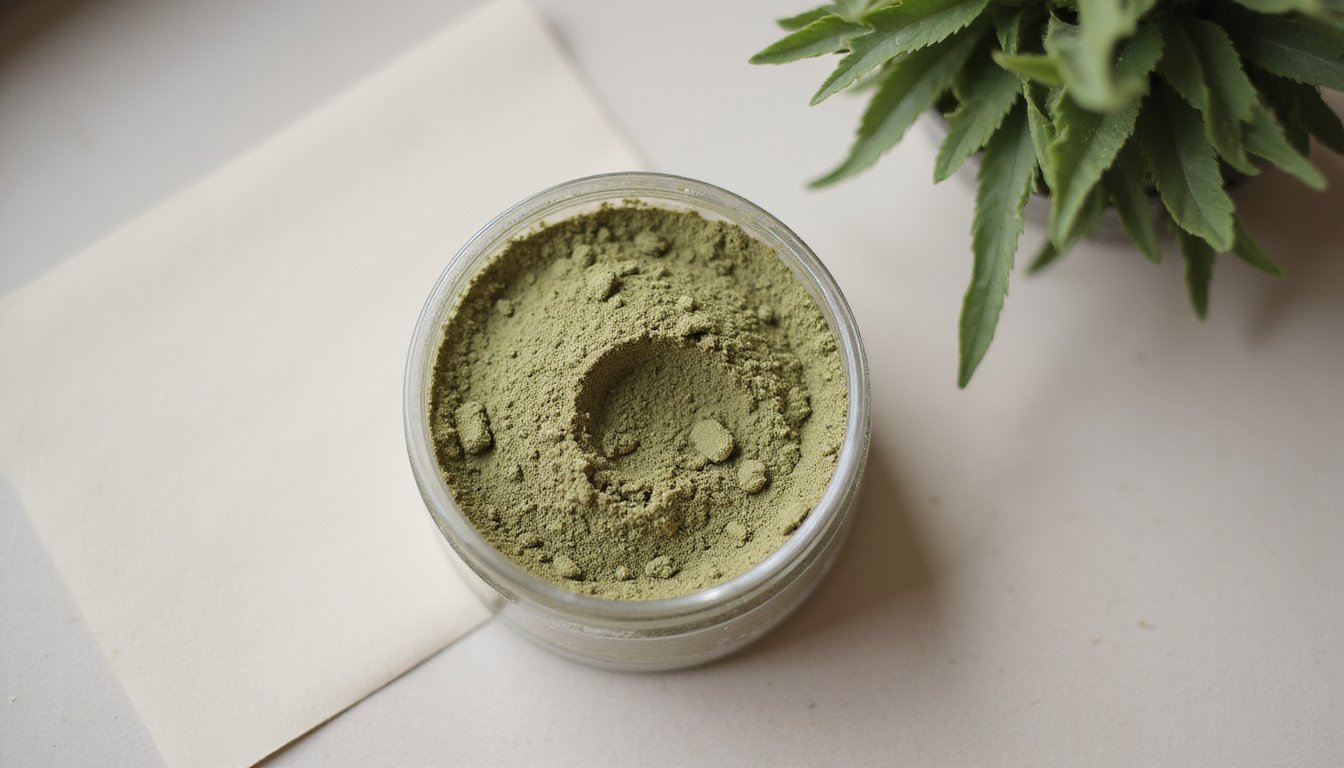
The FDA hasn’t just issued warnings about kratom, it’s taken concrete enforcement action to restrict its availability. You should know that these measures include halting imports and seizing contaminated or adulterated products, sending warning letters to companies making illegal health claims, and recommending that the DEA schedule 7-hydroxymitragynine (7-OH) as a controlled substance. Each of these actions reflects the agency’s determination that kratom products, as currently marketed, don’t meet federal safety or approval standards.
Import Halts And Seizures
Starting in 2012, the FDA issued its first import alert classifying kratom as an unapproved drug subject to Detention Without Physical Examination (DWPE), a designation that allows U.S. customs officials to automatically detain kratom shipments without inspection. These FDA warnings about kratom have escalated through specific enforcement actions:
- 2014: Import alerts expanded to target kratom-containing dietary supplements and bulk ingredients amid rising consumption.
- 2016: A reissued “red list” alert responded to Salmonella contamination, prompting product recalls.
- 2021: The FDA seized 37 tons of kratom worth $1.3 million from Atofil LLC in Florida across multiple brands.
- 2021: An additional $3 million in kratom products and bulk herb was seized in Oklahoma.
These actions reflect the FDA’s ongoing procedural authority to intercept unapproved, adulterated, or misbranded kratom products.
Warning Letters Issued
Beyond seizing shipments at the border, the FDA has also used warning letters as a direct enforcement tool against companies selling kratom and kratom-derived products. In 2025, the agency issued seven warning letters targeting companies marketing 7-hydroxymitragynine products as gummies, shots, and drink mixes. These products were classified as unapproved new drugs and adulterated foods under federal law.
Earlier actions addressed kratom distributors making unsupported claims about safety and effectiveness. The FDA and FTC also issued a joint kratom regulatory warning to Klarity Kratom for illegal marketing practices. Each letter carries enforcement consequences, including potential product seizure, injunctions, and criminal prosecution. If you’re evaluating kratom products, you should understand that these letters signal documented violations, not mere suggestions, and reflect the FDA’s ongoing commitment to consumer protection.
7-OH Scheduling Recommendation
Because concentrated 7-hydroxymitragynine (7-OH) products have surged in availability, sold as gummies, shots, candies, and drink mixes, the FDA issued a formal recommendation on July 29, 2025, to schedule 7-OH under the Controlled Substances Act.
This kratom safety warning targets synthetic, high-dose 7-OH specifically, not natural kratom leaf. Here’s what you should know about the recommendation:
- 7-OH binds to opioid receptors and is more potent than morphine as an opioid agonist.
- No FDA-approved 7-OH drugs exist, making its presence in supplements and foods unlawful.
- The DEA now reviews the recommendation and holds final scheduling authority, requiring a public comment period before finalization.
- Potential Schedule I placement would ban concentrated 7-OH products nationwide based on high abuse risk and no accepted medical use.
What Makes 7-Hydroxymitragynine More Dangerous?

Although kratom itself carries documented risks, the alkaloid 7-hydroxymitragynine (7-OH) presents a substantially greater threat due to its potency at mu-opioid receptors, the same receptors targeted by morphine and heroin.
| Factor | Kratom (Mitragynine) | 7-Hydroxymitragynine |
|---|---|---|
| Receptor Binding | Moderate mu-opioid activity | 13x stronger than morphine |
| Analgesic Potency | Mild to moderate | 10, 20x stronger than morphine |
| Dependence Risk | Gradual onset | Rapid tolerance and physical dependence |
You should know that 7-OH forms through liver metabolism of mitragynine, meaning you’re exposed even when consuming standard kratom. Enhanced products concentrate 7-OH far beyond natural levels. Every kratom contamination warning the FDA has issued reinforces that unregulated products carry unpredictable 7-OH concentrations, accelerating dependence and increasing overdose risk without your awareness.
FDA’s 2025 Push to Schedule 7-OH
On July 29, 2025, the FDA recommended that the DEA classify concentrated and synthetic 7-hydroxymitragynine (7-OH) products as Schedule I substances under the Controlled Substances Act, based on a thorough analysis of the compound’s abuse potential and opioid receptor activity. You should understand that this recommendation specifically targets manufactured 7-OH products, tablets, gummies, drink mixes, and shots, rather than natural kratom leaf, which remains federally unregulated. If the DEA moves forward with rulemaking, production, distribution, and possession of these concentrated 7-OH products would become subject to federal criminal penalties.
Schedule I Recommendation Details
The FDA announced on July 29, 2025, that it’s recommending Schedule I classification for 7-hydroxymitragynine (7-OH) under the Controlled Substances Act, a move that would effectively ban the substance’s use in the United States. This recommendation reflects growing kratom public health concerns tied to concentrated 7-OH products.
The Schedule I designation is based on these key determinations:
- High abuse potential: 7-OH binds to opioid receptors with potency exceeding morphine, driving significant misuse risk.
- No accepted medical use: No FDA-approved medications contain 7-OH as an active ingredient.
- Lack of safety data: No accepted safety profile exists for 7-OH use under medical supervision.
- Distinction from natural kratom: The recommendation specifically targets concentrated, often synthetically derived 7-OH, not whole kratom leaf products.
Targeting Concentrated 7-OH Products
Beyond the scheduling recommendation itself, the FDA has backed its position with a series of concrete enforcement actions aimed squarely at concentrated 7-OH products flooding the consumer market. In July 2025, the agency issued seven warning letters to companies selling concentrated 7-OH formulations, following a June 2025 letter to Hydroxie, LLC tied to reported adverse events.
The FDA has also coordinated with the Department of Justice to seize 7-OH opioid products from distribution channels. These actions target companies making kratom unapproved claims, marketing 7-OH for pain relief, anxiety, or energy without evidence. You should understand that enforcement focuses specifically on products containing synthetically derived or enhanced 7-OH concentrations, not natural kratom leaf. The agency warns that these concentrated formulations carry risks including respiratory depression, seizures, and fatal overdose.
What This Means for Kratom Users
Because the FDA hasn’t approved any kratom product for medical use, anyone currently consuming kratom operates in a regulatory gray area with real health consequences. Every kratom FDA advisory reinforces that these products lack verified safety data, standardized dosing, or quality controls. Kratom’s impact on mental health has become a topic of increasing concern among users and health professionals alike.
Every kratom FDA advisory confirms the same reality: no approved use, no verified safety data, no standardized dosing.
You should take these concrete steps to protect your health:
- Stop using kratom for any medical condition and consult a licensed healthcare provider for evidence-based treatment alternatives.
- Request liver function testing if you’ve consumed kratom regularly, given documented hepatotoxicity risks.
- Disclose all kratom use to your treatment team, especially if you’re in recovery or taking other medications.
- Monitor FDA enforcement updates closely, as regulatory actions, including the recommended Schedule I classification of concentrated 7-OH, will directly affect product availability and legal status.
Make the Call That Saves Your Future
Kratom addiction can progress faster than most people expect, but lasting recovery is absolutely possible. At Pathways Recovery, we provide trusted Addiction Treatment Programs to help you safely begin your journey toward a healthier, stronger life. Call (916) 735-8377 today and take the first step toward lasting recovery.
Frequently Asked Questions
Can a Doctor Legally Prescribe Kratom for Pain Management in the United States?
No, your doctor can’t legally prescribe kratom for pain management in the United States. No FDA-approved prescription or over-the-counter drug products containing kratom or its alkaloids currently exist. Without an approved new drug application, physicians have no legal basis to prescribe it. The DEA has determined kratom lacks accepted medical use and safety under medical supervision. If you’re seeking pain management options, you should discuss FDA-approved treatments with your healthcare provider.
Is Kratom Legal to Buy in Every State Right Now?
No, you can’t buy kratom legally in every state. Alabama, Arkansas, Indiana, Vermont, and Wisconsin currently ban it as a controlled substance. Even in states where it’s legal, you may face local restrictions, for example, Sarasota County in Florida and Denver, Colorado, prohibit it locally. You should check both your state and local laws before purchasing, as regulations vary greatly and continue to change.
Will Kratom Show up on a Standard Workplace Drug Test?
No, kratom won’t show up on a standard workplace drug test. Standard 5-, 10-, and 12-panel tests screen for substances like marijuana, cocaine, amphetamines, opiates, and benzodiazepines, they don’t include kratom alkaloids. Federal guidelines from SAMHSA and DOT don’t list kratom biomarkers. However, you should know that specialized tests targeting mitragynine do exist. Military, probation, and addiction treatment programs sometimes order these separately. You can confirm your panel’s scope through your testing coordinator.
Are There Any Fda-Approved Alternatives to Kratom for Opioid Withdrawal?
Yes, several FDA-approved medications can help you manage opioid withdrawal. Buprenorphine-naloxone has the most documented use for kratom-related withdrawal, while buprenorphine alone and methadone are also approved options. Your provider may add clonidine as adjunctive therapy for specific symptoms. You should know that kratom withdrawal can last up to three months, so you’ll benefit from working with a clinician who can tailor dosing and monitor your progress throughout treatment.
How Should Someone Safely Stop Using Kratom if Already Dependent?
You should taper your dose gradually, reducing by 10, 25% every few days over several weeks to minimize withdrawal symptoms. Don’t stop abruptly, as this can intensify discomfort. If you’re using high doses or have used kratom for an extended period, seek medical supervision, a healthcare provider can create a personalized tapering plan and monitor for complications. Combining behavioral therapy, lifestyle changes, and support networks strengthens your recovery outcomes.