

Taking ibuprofen for a hangover is generally safe if you time it correctly. You should wait at least 4-6 hours after your last drink, or 24 hours if you’ve been drinking heavily, to let alcohol fully metabolize. Taking it too soon triples your risk of gastrointestinal bleeding and stresses your liver and kidneys. Always take ibuprofen with food to protect your stomach lining. Understanding how these substances interact helps you make safer choices. Taking ibuprofen for a hangover is generally safe if you time it correctly. You should wait at least 4, 6 hours after your last drink, or up to 24 hours if you’ve been drinking heavily, to let alcohol fully metabolize, which defines a responsible advil alcohol wait time for most people. Taking it too soon can triple your risk of gastrointestinal bleeding and place additional stress on your liver and kidneys. Always take ibuprofen with food to help protect your stomach lining. Understanding how these substances interact helps you make safer, more informed choices.
Is It Safe to Take Ibuprofen for a Hangover?
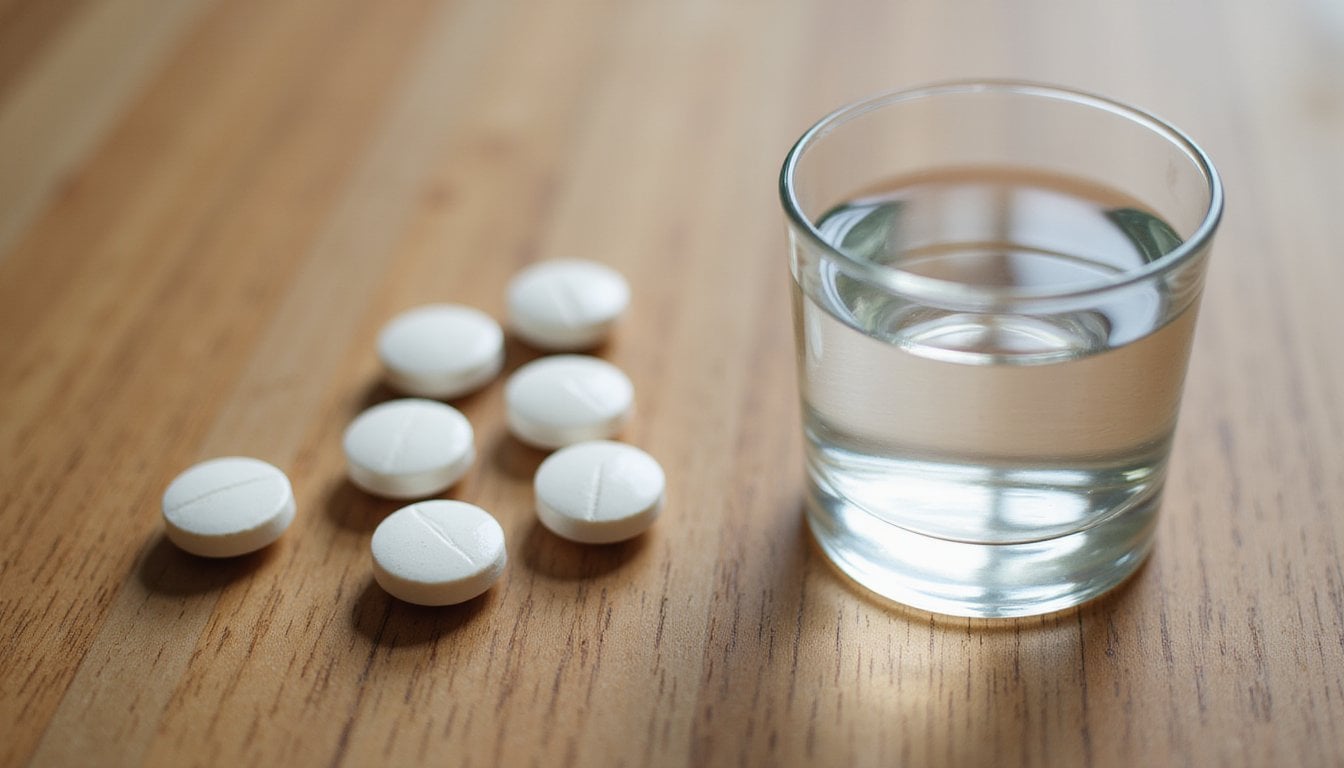
When you’re battling a hangover, ibuprofen can be a safe and effective option, but timing matters. Taking ibuprofen after drinking is generally safe once alcohol has fully metabolized from your system. NSAIDs like ibuprofen work well for hangover-related headaches and muscle aches by reducing inflammation. Since alcohol can remain in your body for up to 24 hours, waiting a full day after drinking before taking ibuprofen is the safest approach.
However, combining ibuprofen with lingering alcohol effects increases risks to your liver, kidneys, and stomach. Recent research indicates that NSAIDs plus alcohol heighten hepatotoxicity. If you’re a regular or heavy drinker, these side effects become more pronounced. Additionally, ibuprofen can increase stomach acid release, which adds to the irritation your stomach is already experiencing from alcohol.
Ibuprofen is typically preferred over acetaminophen for hangovers due to its lower liver damage risk. You should avoid it entirely if you have pre-existing liver, kidney, gastrointestinal, or heart conditions. Always consult your healthcare provider if you have hypertension, ulcers, or stroke history. If regular hangovers are affecting your quality of life, personal relationships, or work performance, talk to a healthcare professional about treatment options.
How Long to Wait After Drinking to Take Ibuprofen
How long should you wait after drinking alcohol before taking ibuprofen? Most clinical guidelines recommend waiting 4-6 hours after your last drink before taking ibuprofen after drinking alcohol. However, if you consumed heavily, extend this window to 24 hours. Some alcohol recovery centers recommend waiting 10 hours between drinking and taking ibuprofen, or even an entire day. Keep in mind that alcohol can stay in your body for up to 24 hours, even though many believe it clears within one to three hours.
Several factors influence safe timing. Alcohol dehydration intensifies ibuprofen’s effects on your stomach lining and kidneys. Your body size, liver function, and overall health also determine clearance rates.
Your body size, liver function, and hydration levels all play critical roles in determining safe timing between alcohol and ibuprofen.
For moderate drinkers (1-2 drinks), a 4-6 hour wait typically suffices. Heavy intake requires longer intervals because your liver needs additional time to process both substances. If you have preexisting kidney or gastrointestinal conditions, wait at least 6-8 hours minimum.
Don’t take ibuprofen while still intoxicated. Wait until you’re completely sober to minimize bleeding and organ stress risks. Advil ibuprofen and alcohol can lead to increased stomach irritation, which may result in unwanted discomfort. It’s essential to consider the timing of medications and beverages, as combining them can exacerbate health issues. Always consult with a healthcare professional if you’re uncertain about safe practices regarding pain relief and alcohol consumption.
The Right Ibuprofen Dose for Hangover Headaches

Because hangover headaches typically fall into the mild-to-moderate pain category, standard ibuprofen dosing protocols apply effectively. You can take 400-800 mg per dose, with 400 mg doses repeated every 4-6 hours and 800 mg doses spaced every 6 hours. Don’t exceed 1,200-2,400 mg daily, depending on your formulation.
If you’re wondering whether is ibuprofen good for hangover relief, research confirms NSAIDs demonstrate strong efficacy for headache symptoms. Taking Advil after drinking requires one precaution: always consume it with food or milk to protect your stomach lining. For optimal safety, wait until alcohol has fully metabolized from your system before taking ibuprofen, which may take up to 24 hours after your last drink.
Can I take ibuprofen for a hangover safely? Yes, when you follow proper dosing intervals and pair it with hydration. However, ibuprofen won’t address nausea, fatigue, or brain fog. Ibuprofen works by blocking COX-1 and COX-2 enzymes that produce prostaglandins responsible for inflammation and pain. If you experience recurrent hangover headaches, you should consult a healthcare provider to evaluate for underlying primary headache disorders or alcohol use disorder.
What Mixing Ibuprofen and Alcohol Does to Your Body
Combining ibuprofen with alcohol creates five distinct pathways of harm in your body. First, both substances irritate your stomach lining simultaneously, alcohol stimulates acid production while ibuprofen strips protective mucus, doubling digestive tract damage. the combination of ibuprofen alcohol interaction can also escalate the risk of liver damage, as both substances are metabolized by the liver. Moreover, using them together can potentially lead to increased drowsiness and impaired coordination, putting you at risk during activities such as driving. It’s critical to be aware of these interactions to protect your overall health.
Mixing ibuprofen and alcohol launches a two-front assault on your stomach, one strips protection while the other ramps up acid.
Second, your gastrointestinal bleeding risk triples with high-dose ibuprofen use, and alcohol amplifies this danger further. Watch for tar-like stools or blood in vomit. The risk of stomach ulcer bleeding increases the longer ibuprofen is taken.
Third, combined central nervous system depression causes drowsiness, slowed reactions, and impaired coordination beyond either substance alone. This impairment raises the risk of accidents, making driving or operating machinery particularly dangerous. These effects can include lethargy, disorientation, and poor coordination that compound each other.
Fourth, both compounds damage kidney filtration independently, and concurrent use markedly accelerates deterioration toward chronic kidney disease.
Fifth, synergistic hepatotoxicity occurs, your liver sustains damage exceeding the sum of individual effects through oxidative stress mechanisms. This toxicity manifests at lower concentrations than you’d expect from either substance separately.
Stomach, Liver, and Kidney Risks to Know About

When you take ibuprofen during a hangover, you’re introducing a stomach irritant to an already compromised gastrointestinal system, alcohol increases acid production while ibuprofen reduces protective mucus, creating conditions that can lead to ulcers and bleeding. Your liver faces compounded stress as well, since research demonstrates that NSAIDs combined with alcohol produce synergistic hepatotoxicity, meaning the damage exceeds what either substance causes alone. This occurs because oxidative stress from increased reactive oxygen species generation during alcohol metabolism is amplified when ibuprofen is also present. Your kidneys also bear additional burden, as both alcohol and ibuprofen force these organs to work harder, increasing your risk of acute injury and long-term chronic kidney disease. Older adults face higher risks from this combination due to their naturally declining kidney and liver function.
Gastrointestinal Irritation Risks
The stomach lining faces significant stress when you take ibuprofen during a hangover. Alcohol increases stomach acid production while ibuprofen blocks prostaglandins that protect your mucosal lining. This dual mechanism creates heightened vulnerability to gastric damage, even with moderate alcohol consumption the night before.
Clinical evidence shows this combination elevates your risk for:
- Gastric ulcer formation from compounded irritation
- Gastrointestinal bleeding, particularly with high doses
- Peptic ulcer development in the digestive tract
- Worsened symptoms if you have pre-existing GI conditions
Warning signs include severe abdominal pain, blood in vomit or stool, and brown granular vomit. Alcohol remains detectable for 24 hours, meaning your stomach stays vulnerable during hangover recovery. If you must use ibuprofen, take it with food to reduce irritation. Older adults face an especially elevated risk of internal bleeding when combining these substances due to increased acid production in the digestive tract.
Liver and Kidney Stress
Your liver and kidneys bear a significant metabolic burden after a night of drinking, and introducing ibuprofen compounds this strain. Both substances require hepatic processing, forcing your liver to multitask and increasing oxidative stress. The CYP2E1 enzyme metabolizes alcohol and ibuprofen simultaneously, generating reactive oxygen species that damage hepatocytes. This synergistic hepatotoxicity disrupts mitochondrial function and elevates liver enzymes. Alcohol already affects liver function, and adding ibuprofen slows detoxification and increases inflammation risk throughout the body.
Your kidneys face equal risk. Ibuprofen reduces renal blood flow by limiting prostaglandin production, while alcohol-induced dehydration intensifies this effect. Together, they impair your kidneys’ ability to filter toxins and regulate fluid balance. This combination can trigger acute kidney injury, particularly if you have pre-existing renal issues. The dual assault on these organs makes ibuprofen a problematic choice during hangover recovery. To minimize these risks, you should wait at least ten hours after taking ibuprofen before consuming alcohol, or a full twenty-four hours after drinking before taking ibuprofen.
Why Ibuprofen Won’t Fix Your Nausea or Fatigue
While ibuprofen effectively targets headaches and muscle aches through its anti-inflammatory action, it won’t address your hangover-related fatigue or nausea. Studies confirm NSAIDs provide no relief for these symptoms because fatigue stems from dehydration and disrupted sleep, while nausea results from gastrointestinal irritation that NSAIDs can actually worsen. You’ll need rest, hydration, and electrolyte replacement, not pain relievers, to tackle these specific hangover effects.
NSAIDs Target Pain Only
Ibuprofen zeros in on one hangover symptom, pain, while leaving nausea and fatigue untouched. It works by inhibiting COX enzymes, blocking prostaglandin synthesis that sensitizes pain receptors. This mechanism effectively reduces headaches and muscle aches but doesn’t address other hangover complaints.
Your nausea and fatigue stem from different pathways ibuprofen can’t reach:
- Nausea involves serotonin and dopamine pathways in the chemoreceptor trigger zone
- Fatigue results from dehydration and disrupted sleep cycles
- Gastric irritation triggers vomiting through gut mechanisms, not prostaglandins
- COX inhibition may worsen nausea by damaging stomach lining
You’ll find ibuprofen delivers targeted pain relief, but it won’t restore your energy or settle your stomach. For extensive hangover recovery, you’ll need additional interventions addressing hydration and rest.
Fatigue Needs Rest Instead
Fatigue ranks among the most persistent hangover symptoms, and it operates through mechanisms entirely outside ibuprofen’s therapeutic reach. While NSAIDs effectively target inflammatory pain pathways, they demonstrate no clinical efficacy against exhaustion. Your fatigue stems from alcohol-induced dehydration and sleep disruption, conditions requiring physiological restoration, not pharmacological intervention.
| Symptom | Ibuprofen Effective? | Better Intervention |
|---|---|---|
| Headache | Yes | Medication + hydration |
| Fatigue | No | Rest and sleep |
| Energy depletion | No | Electrolyte replacement |
You’ll address fatigue more effectively through extended rest and rehydration with electrolyte-containing beverages. Sleep allows your body’s natural recovery mechanisms to restore depleted neurotransmitters and metabolic function. An extensive approach combining adequate rest, hydration, and nutritional intake outperforms medication-first strategies for fatigue management.
Nausea Requires Different Remedies
Reaching for ibuprofen when nausea strikes during a hangover can actually backfire on your recovery efforts. NSAIDs target pain and inflammation pathways, not the mechanisms causing your nausea. Studies confirm ibuprofen won’t alleviate this symptom. Worse, it increases stomach acid release, further irritating your already alcohol-damaged stomach lining.
Consider these evidence-based alternatives instead:
- Bismuth subsalicylate (Pepto-Bismol) directly treats upset stomach and nausea
- Antacids like Pepcid or Alka-Seltzer neutralize excess stomach acid
- Hydration with water or electrolyte drinks addresses dehydration-induced nausea
- Light, nutrient-rich foods support stomach recovery without added irritation
Your stomach lining needs protection, not additional chemical stress. Taking ibuprofen for nausea delivers no therapeutic benefit while amplifying gastrointestinal discomfort. Reserve NSAIDs strictly for headache or muscle pain relief.
Better Hangover Pain Relief Without Ibuprofen
Several effective alternatives exist for managing hangover symptoms without exposing your irritated stomach lining to additional NSAID-related risks.
Hydration forms your primary intervention. Sports drinks restore electrolytes and glucose, while broth-based soups like chicken or miso provide fluids alongside protein and essential minerals. Ginger tea addresses both rehydration and nausea simultaneously.
Research supports specific supplements for symptom reduction. Korean pear juice decreases hangover severity by 16-21% and lowers blood alcohol levels. N-acetylcysteine boosts glutathione production, reducing oxidative damage. Panax ginseng demonstrates efficacy in relieving symptoms while lowering blood alcohol concentrations.
Dietary choices matter greatly. Lean poultry supplies zinc and niacin, nutrients linked to less severe hangovers. Salmon’s omega-3 fatty acids combat alcohol-induced inflammation. These approaches target hangover pathophysiology directly without compounding gastrointestinal stress from NSAIDs.
A Hangover Pill Could Be Hurting You More Than You Know
Reaching for ibuprofen after a night of heavy drinking feels like a quick fix, but the hidden damage it causes to your body is a heartbreaking sign that alcohol has taken a grip on your life. When drugs or alcohol quietly destroy the health and happiness you deserve, it takes courage to ask for help, but Best Rehab Center in Sacramento is here to support you with compassionate care, life changing recovery programs, and dedicated addiction treatment built for both men and women. Our intensive outpatient program sacramento provides structured and personalized support with flexible evening intensive outpatient program designed to fit around your daily routine. Call us today at (916) 545-8495 and take the first step toward a healthier and alcohol free life.
Frequently Asked Questions
Can I Take Ibuprofen Before Drinking to Prevent a Hangover?
You shouldn’t take ibuprofen before drinking to prevent a hangover. It won’t work because the medication’s effects wear off within 4-6 hours, long before next-day symptoms appear. Additionally, you’re increasing your risk of stomach irritation, liver stress, and kidney problems since ibuprofen and alcohol both strain these organs. There’s no clinical evidence supporting prophylactic NSAID use for hangovers. Instead, you’ll get better results from staying hydrated and eating before drinking.
Is Ibuprofen Safer Than Aspirin for Hangover Relief?
Yes, ibuprofen is generally safer than aspirin for hangover relief. While both NSAIDs can irritate your stomach, aspirin poses a higher bleeding risk and more aggressively blocks the prostaglandins protecting your stomach lining. You’ll find ibuprofen gentler on your digestive system, though it still carries gastrointestinal side effects like nausea and bloating. Both effectively reduce headache and muscle aches, but ibuprofen’s lower bleeding risk makes it the preferable choice post-drinking.
Will Ibuprofen Help With Hangover Anxiety or Brain Fog?
Ibuprofen won’t directly treat hangover anxiety or brain fog, but it can help indirectly. By relieving headaches, muscle aches, and inflammation, you’ll reduce physical discomfort that often worsens anxious feelings and impairs focus. When pain subsides, mental clarity typically improves. However, you shouldn’t rely on ibuprofen alone, combine it with hydration and rest for better cognitive recovery. It targets symptoms contributing to brain fog rather than addressing the neurological effects of alcohol directly.
Can I Take Ibuprofen if I’m Still Slightly Drunk?
You shouldn’t take ibuprofen while you’re still slightly drunk. Even small amounts of alcohol present in your system worsen gastrointestinal irritation and increase your bleeding risk. The combination amplifies stomach acid production and damages protective tissue. You’ll also experience heightened impairment, including coordination loss and drowsiness. Wait until the alcohol has fully cleared your system before taking any NSAID. Consider acetaminophen cautiously as an alternative, or simply hydrate until you’ve sobered up.
Does Coffee Interfere With Ibuprofen When Treating a Hangover?
Coffee doesn’t directly interfere with ibuprofen’s absorption or efficacy. However, both substances stimulate stomach acid production, which can compound gastric irritation, especially when your stomach’s already vulnerable from alcohol. Caffeine may actually enhance pain relief for headaches, but it won’t help nausea. If you’re combining them, take ibuprofen with food to buffer your stomach. You’ll get better results by prioritizing hydration alongside any medication.