

Ibuprofen and alcohol interaction isn’t safe for most people. The combination substantially increases your risk of gastrointestinal bleeding, stomach ulcers, and kidney dysfunction. Both substances strain your liver through overlapping metabolic pathways, generating harmful oxidative stress. Even moderate drinking while taking therapeutic doses can cause damage you won’t immediately notice. Older adults and those with existing kidney or liver conditions face the highest risks. Understanding the specific mechanisms behind these interactions will help you make informed decisions.
Is It Safe to Take Ibuprofen After Drinking?
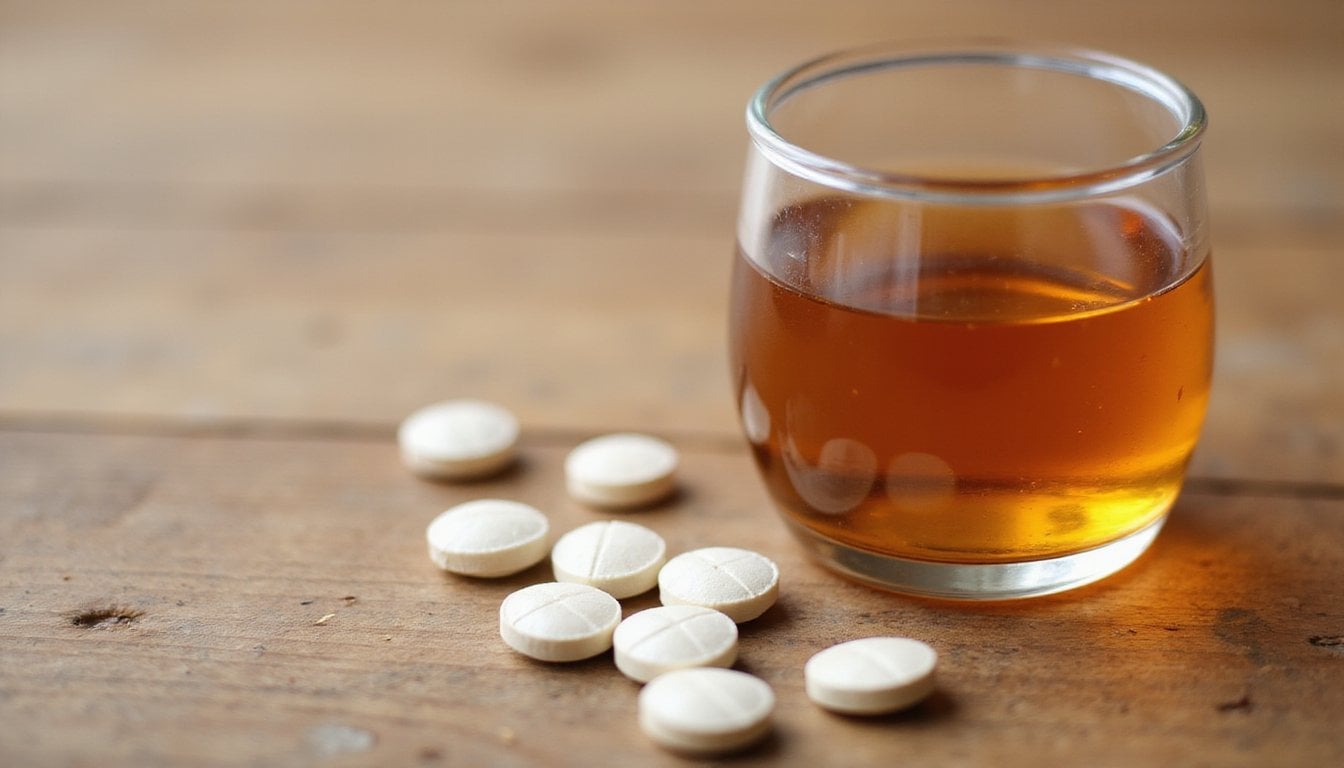
When you’re dealing with pain after having a few drinks, reaching for ibuprofen might seem like a quick fix, but the safety of this decision depends entirely on how much you’ve consumed. Mixing ibuprofen and alcohol in moderate amounts poses low risk for most healthy individuals. According to the NHS, drinking small quantities of alcohol while taking ibuprofen is usually safe. However, heavy drinking considerably increases your chances of gastrointestinal bleeding, stomach ulcers, and gastritis.
The combination also strains kidney function and can elevate blood pressure, raising your risk of heart attack and stroke. Liver damage becomes a concern with prolonged use alongside alcohol. Older adults face higher risks due to declining kidney and liver function, making this combination particularly dangerous for this population. You should wait at least 24 hours after heavy drinking before taking ibuprofen. Avoid taking ibuprofen to ease a hangover, as alcohol may still be in your system. If you experience black stools, vomiting blood, or severe abdominal pain, seek emergency care immediately.
How Ibuprofen and Alcohol Damage Your Stomach
Your stomach lining takes a double hit from ibuprofen and alcohol, with each substance breaking down protective barriers through distinct mechanisms. Ibuprofen inhibits prostaglandins, enzymes essential for maintaining your stomach’s protective coating. Alcohol acts as a gastric irritant, directly attacking this barrier while increasing stomach acid production.
This combination amplifies stomach irritation far beyond what either substance causes alone. Regular ibuprofen users face three to five times higher risk of ulcers and gastrointestinal bleeding. When you add alcohol, these risks multiply enormously. Gastrointestinal bleeding is among the rare but serious side effects that can become life-threatening. Research shows that oxidative stress from combining these substances damages liver cells through increased reactive oxygen species generation, compounding the overall harm to your body. Even therapeutic doses of ibuprofen can induce organ injury when combined with alcohol consumption.
Warning signs of damage include severe abdominal cramping, vomiting blood, shortness of breath, and feeling faint. Internal stomach bleeding can develop from sores in your intestinal tract lining, potentially becoming life-threatening without prompt medical attention.
Why Your Kidneys Take a Double Hit
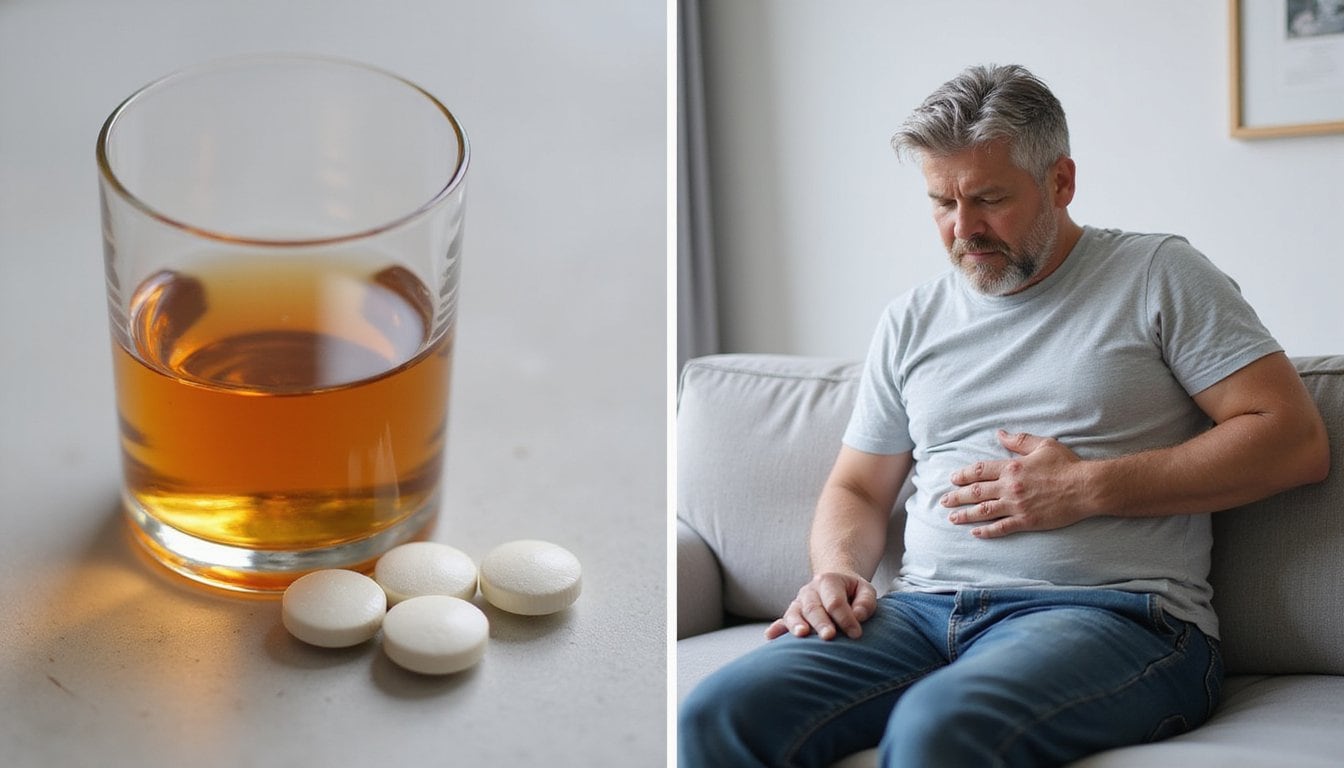
The damage doesn’t stop at your stomach, ibuprofen and alcohol also target your kidneys through separate but equally harmful pathways. Ibuprofen, like other nonsteroidal anti-inflammatory drugs, blocks the COX pathway, constricting blood vessels and reducing renal perfusion. Alcohol dehydrates your body, further compromising kidney function. This ibuprofen alcohol interaction creates a synergistic effect that dramatically lowers your glomerular filtration rate. side effects of drinking alcohol while taking ibuprofen can also manifest as increased stomach irritation, potentially leading to ulcers or gastrointestinal bleeding. Additionally, the combination may elevate the risk of liver complications, especially in individuals with pre-existing conditions. It’s crucial to be mindful of these dangers and consult a healthcare professional before mixing these substances.
You’re particularly vulnerable if you have chronic kidney disease or engage in chronic alcohol use. Even therapeutic ibuprofen doses can trigger acute kidney injury when combined with alcohol-induced dehydration. Kidney distress symptoms include swelling, urination changes, and fatigue. Research shows that proper hydration prior to and during physical activity can help minimize NSAID-related renal risks.
If you take diuretics or have heart failure, your risk multiplies. Consult your healthcare provider before combining these substances to prevent kidney disease progression.
The Liver Toxicity Risk You Might Not Expect
While you might not immediately think of your liver when reaching for ibuprofen after a few drinks, emerging research reveals these substances create synergistic hepatotoxicity that damages liver cells more severely than either compound alone. Laboratory studies using human hepatoma cells demonstrate that ibuprofen potentiates ethanol’s liver-damaging effects through oxidative stress mechanisms, including increased reactive oxygen species production that overwhelms your body’s natural antioxidant defenses. This persistent oxidative stress can also contribute to the development of liver fibrosis over time. Although only 22 cases of ibuprofen-induced liver injury have been formally reported, recent evidence suggests this combination’s hepatotoxic potential may be more common than previously recognized. Warning signs of liver damage from ibuprofen include jaundice, upper right abdominal pain, fatigue, itching, and nausea.
Synergistic Hepatotoxicity Explained
Because most people associate liver damage with acetaminophen rather than ibuprofen, the hepatotoxic potential of combining ibuprofen with alcohol often goes overlooked. Research using 3D HepG2 cultures demonstrates that these substances produce synergistic hepatotoxicity at concentrations you’d encounter during typical use.
When you consume both alcohol and ibuprofen, your liver’s CYP2E1 enzyme metabolizes both substances simultaneously. This process generates toxic metabolites and triggers significant oxidative stress. Studies show increased cytotoxicity and liver toxicity when cells face extended exposure to this combination.
The resulting mitochondrial damage disrupts cellular energy production, accelerating hepatocyte death. Chronic alcoholics face heightened vulnerability because their amplified CYP2E1 levels amplify these harmful effects. If you drink regularly, you should exercise particular caution with ibuprofen and consult your healthcare provider about safer alternatives.
Oxidative Stress Mechanisms
Understanding how CYP2E1 metabolism creates toxic byproducts reveals only part of the liver damage picture, oxidative stress mechanisms drive much of the actual cellular destruction.
When you combine ibuprofen and alcohol, your body generates reactive oxygen species faster than your antioxidant system can neutralize them. These free radicals attack hepatocyte membranes and trigger mitochondrial dysfunction, compromising your liver cells’ energy production and survival.
Tissue culture studies demonstrate that combined exposure produces exponentially higher oxidative damage than either substance alone. Your liver’s protective mechanisms become overwhelmed, leading to progressive cellular damage and inflammation. Research shows this combination significantly decreases cell viability of hepatocytes compared to exposure from either substance independently. Studies confirm that ibuprofen and ethanol have a synergistic effect in potentiating oxidative stress and liver injury.
This oxidative burden doesn’t simply resolve, it accumulates. Repeated exposure depletes your mitochondrial antioxidant reserves, creating conditions favorable for chronic liver disease development. Sustained oxidative stress can activate hepatic stellate cells, initiating the fibrotic process that leads to permanent liver scarring. The synergistic effect means even moderate consumption patterns can initiate lasting hepatic injury.
How Ibuprofen and Alcohol Slow Your Reflexes

The combination of ibuprofen and alcohol creates a dual assault on your central nervous system that markedly impairs your reflexes and reaction times. Both substances function as depressants, suppressing neural activity and amplifying drowsiness beyond what either causes independently. This synergistic effect dramatically decreases your alertness and compromises coordination.
When you mix these substances, your brain’s ability to process stimuli slows greatly. You’ll experience impaired decision-making and delayed reflexes that create dangerous situations during everyday activities. Driving and operating machinery become particularly hazardous, as split-second responses become impossible. Using ibuprofen and alcohol together raises the risk of falling asleep while engaged in activities that require focus. The combination also increases dizziness and poor coordination, further compounding the danger during any task requiring physical precision.
You should avoid driving entirely after combining alcohol with ibuprofen. The enhanced sedation and disorientation increase your accident risk tremendously, threatening both your safety and others around you.
Why Alcohol Makes Your Ibuprofen Less Effective
When you take ibuprofen with alcohol, your body’s ability to absorb the medication drops markedly, research shows peak blood concentrations fall from 17.9 μg/ml with water to approximately 13 μg/ml with alcoholic beverages. This reduced absorption means you’re not getting the full pain-relieving effect you need, while the risks of gastrointestinal bleeding and kidney stress remain unchanged or even increase. The combination creates a scenario where you’re experiencing more potential harm with less therapeutic benefit, making it essential to understand how alcohol interferes with your medication’s effectiveness. Fermented alcoholic beverages like beer and rice wine have high osmotic pressure that inhibits ibuprofen absorption in the gastrointestinal tract more significantly than ethanol alone. Since ibuprofen works by blocking prostaglandin production, combining it with alcohol, a digestive irritant that increases stomach acid, leaves your gastrointestinal tract even more vulnerable to damage.
Slowed Drug Metabolism Effects
Alcohol fundamentally disrupts how your liver processes ibuprofen, creating a metabolic bottleneck that leaves both substances circulating in your system longer than intended. Your liver prioritizes alcohol detoxification, forcing ibuprofen to wait while enzymes filter toxins from your blood. This delay increases drug concentration levels and heightens toxicity risks.
When both substances compete for metabolism, CYP2E1 enzymes generate excessive reactive oxygen species, compounding liver strain. Those with pre-existing liver conditions or substance use disorder face amplified dangers from this interaction.
- Extended exposure: Ibuprofen remains active up to 10 hours; alcohol delays clearance further
- Oxidative damage: Combined processing produces harmful free radicals attacking liver cells
- Cumulative strain: Overconsumption accelerates liver issues through repeated metabolic overload
Compromised liver function demands immediate medical consultation.
Reduced Pain Relief Action
Beyond slowing metabolism, alcohol actively undermines ibuprofen’s ability to relieve your pain through multiple competing mechanisms.
When you combine alcohol with NSAIDs like ibuprofen, pharmacological effect alteration occurs at the cellular level. Alcohol generates oxidative stress that depletes your body’s antioxidant defenses, disrupting ibuprofen’s anti-inflammatory action. Your cardiovascular system experiences compounded strain, particularly dangerous if you have heart failure or declining kidney function.
Alcohol’s temporary analgesic properties, reducing pain ratings by 25% at 0.08% BAC, compete directly with ibuprofen’s targeted pain management. This creates cognitive difficulties in evaluating actual relief. Unlike acetaminophen, which works differently, ibuprofen’s prostaglandin-blocking mechanism becomes compromised under alcohol’s influence.
These adverse drug interactions mean you’re getting diminished therapeutic benefit while absorbing full toxicity risks, an unfavorable trade-off requiring careful consideration.
Increased Side Effect Intensity
How exactly does alcohol transform ibuprofen’s manageable side effects into serious health threats? When you combine these substances, alcohol acts as a depressant while simultaneously attacking your stomach’s protective lining. This dual assault constricts blood vessels, reduces kidney efficiency, and can lead to severe blood loss from gastrointestinal bleeding.
You’re particularly vulnerable if you have hypertension, heart disease, or pre-existing kidney issues. Older adults face compounded risks due to naturally declining organ function.
Key adverse reactions to monitor:
- Persistent fatigue, drowsiness, and impaired coordination from amplified CNS depression
- Swelling in extremities signaling kidney distress
- Black or tarry stools indicating internal bleeding
These intensified effects aren’t merely uncomfortable, they’re potentially life-threatening and require immediate medical attention.
How Long to Wait Between Ibuprofen and Alcohol
Understanding the safe timing between ibuprofen and alcohol requires knowing how long each substance stays active in your body. Ibuprofen’s effects last 4-6 hours, but the drug remains in your system for up to 10 hours. After taking ibuprofen, you should wait at least 6-10 hours before consuming alcohol to minimize interaction risks.
If you’ve been drinking, wait 10-24 hours before taking ibuprofen, depending on your alcohol consumption. Heavy drinking requires a full 24-hour wait time to reduce gastrointestinal bleeding risk.
Several factors affect safe timing. Lower dosage and limited alcohol allow shorter intervals, while health conditions, dehydration, and digestive sensitivity demand longer waits. Your individual circumstances matter, those with kidney issues or stomach problems should extend these intervals and consult their healthcare provider.
Who Should Avoid Mixing Ibuprofen and Alcohol
While timing matters for minimizing risks, certain groups shouldn’t mix ibuprofen and alcohol at all, regardless of the interval between them.
Some people should never combine ibuprofen and alcohol, no matter how much time passes between doses.
If you have a history of stomach ulcers or gastrointestinal bleeding, combining these substances considerably amplifies your bleeding risk. Those with kidney disease face compounded damage, as heavy drinking alone doubles chronic kidney disease risk according to the National Kidney Foundation.
You should completely avoid this combination if you:
- Have pre-existing liver problems, since synergistic hepatotoxicity from ibuprofen and ethanol strains this organ further
- Experience heart problems, particularly if you’re an older adult with age-related cardiovascular vulnerabilities
- Take long-term ibuprofen or high-dose ibuprofen regularly, which already elevates ulcer and bleeding risks
Chronic alcohol drinkers and elderly individuals should discuss their unique risks with their healthcare team before using ibuprofen.
Ibuprofen and Alcohol Together Are Putting Your Body in Serious Danger
Every time ibuprofen and alcohol mix inside your body, the damage being done to your liver, stomach, and kidneys is a heartbreaking reminder that alcohol has become something far more serious than a casual habit. When alcohol has quietly dismantled your health, your relationships, and the beautiful future you once imagined for yourself, please know that healing is truly possible and you deserve every chance to get there, and Pathways Rehab in Sacramento is here to receive you with outstanding rehabilitation, life changing treatment programs, and compassionate addiction care crafted for both men and women. Our outpatient rehab sacramento california program delivers structured and personalized support, including specialized best alcohol rehab in Sacramento services and flexible daytime intensive outpatient program that fits seamlessly around your daily life. Call us today at (916) 545-8495 and take the first step toward protecting your body and building a healthier alcohol free future.
Frequently Asked Questions
Can I Take Ibuprofen for a Hangover Headache the Morning After Drinking?
You can take ibuprofen for a hangover headache, but you should wait until alcohol has fully metabolized, typically 1-2 hours per standard drink. Take 400mg with food and 16oz of water to minimize stomach irritation. Ibuprofen is actually safer than acetaminophen or aspirin in this situation, as it carries lower liver toxicity and bleeding risks. However, prioritize hydration and electrolytes first, and don’t exceed 1200mg in 24 hours.
Is Acetaminophen a Safer Alternative Than Ibuprofen After Drinking Alcohol?
Acetaminophen isn’t necessarily safer than ibuprofen after drinking, it presents different risks. While ibuprofen stresses your kidneys and GI tract, acetaminophen competes with alcohol for liver processing, potentially creating toxic byproducts. Even three drinks combined with acetaminophen can cause severe liver injury. If you’ve consumed moderate alcohol, wait until you’re fully sober before taking either medication. Consult your healthcare provider for personalized guidance based on your drinking patterns and health history.
Does Food Reduce the Risks of Combining Ibuprofen and Alcohol Together?
Yes, eating food when taking ibuprofen with moderate alcohol can reduce your risk of stomach irritation. Food buffers stomach acid and minimizes direct contact between ibuprofen and your gastric lining. However, this protection has limits, it won’t eliminate risks if you’re drinking heavily, using ibuprofen long-term, or have existing GI conditions. You should still limit alcohol to 1-2 drinks and consult your healthcare provider about personalized risks.
What Symptoms Indicate I Need Emergency Care After Mixing Ibuprofen and Alcohol?
Seek emergency care immediately if you experience black or tarry stools, vomit blood or material resembling coffee grounds, or have severe abdominal pain, these signal gastrointestinal bleeding. You’ll also need urgent help for chest pain, sudden numbness or slurred speech, extreme drowsiness, confusion, or unconsciousness. Watch for reduced urination, significant swelling, or shortness of breath indicating kidney distress. Don’t delay, these symptoms can become life-threatening quickly.
Can One Beer With a Single Ibuprofen Dose Cause Serious Health Problems?
One beer with a single ibuprofen dose won’t likely cause serious health problems if you’re otherwise healthy. Medical guidelines confirm that small alcohol amounts with occasional pain reliever use fall within acceptable safety parameters. You’ll minimize risk by taking ibuprofen with food and staying hydrated. However, if you have kidney disease, liver conditions, or GI issues, consult your healthcare provider first. Future avoidance of this combination remains the safest approach.