

Kratom addiction and dependency show up through cravings, mood swings, and trouble focusing without it. You may notice tolerance building, meaning you need more to feel the same effects. Physical signs include tremors, nausea, sweating, and pinpoint pupils. Behaviorally, you might neglect responsibilities, withdraw from relationships, and fail repeated attempts to quit. These patterns reflect measurable neurobiological dependence, not just habit. Everything covered ahead gives you a clearer clinical picture of what’s actually happening.
What Does Kratom Addiction Actually Look Like?
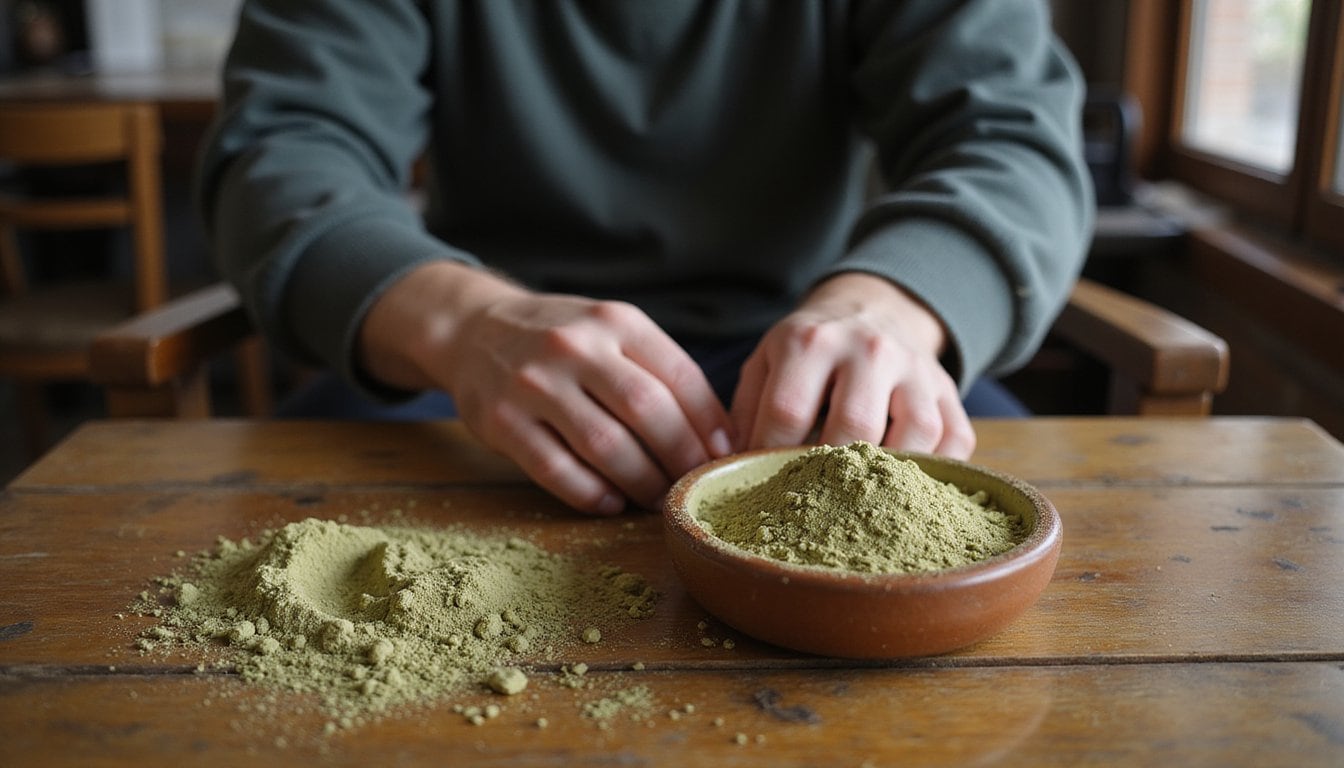
Kratom addiction doesn’t always look dramatic, it often develops quietly through patterns that become harder to ignore over time. You might notice you’re using more than intended, struggling to cut back despite repeated attempts, or planning your day around dosing schedules. These are recognized signs of kratom addiction that signal a shift from use to dependency.
Kratom dependency symptoms span behavioral, psychological, and cognitive domains. Persistent cravings, mood swings, irritability, and difficulty concentrating without kratom indicate psychological reliance. Behaviorally, you may neglect responsibilities or withdraw from relationships to prioritize use. is kratom addictive at low doses remains a debated topic among researchers and users alike. While some argue that low doses may not lead to significant dependency, others suggest that even minimal use can trigger cravings and a desire to increase dosage over time.
Kratom abuse signs often include tolerance escalation, needing increasingly larger amounts to achieve the same effect, and continued use despite clear negative consequences. Recognizing these patterns early supports more effective intervention before dependency intensifies. In some severe cases, long-term use has been linked to kratom-induced psychosis, with symptoms such as hallucinations, delusions, and paranoia emerging as the addiction progresses.
Physical Signs Your Body Is Dependent on Kratom
When your body becomes dependent on kratom, it begins producing recognizable physical signals that distinguish habitual use from dependency. You may notice withdrawal-related symptoms like trembling, sweating, muscle aches, nausea, or a runny nose when doses are missed or reduced. Your body may also exhibit ongoing reactions tied to regular use, including constipation, rapid heartbeat, dry mouth, or pin-point pupils.
Visible Physical Dependency Indicators
Physical dependency on kratom often makes itself known through the body before it registers consciously. Recognizing these kratom addiction indicators early allows for timely clinical intervention. Physical dependency on kratom often makes itself known through the body before it registers consciously. Understanding what is kratom and what does it do helps put these early warning signs into context, as recognizing kratom addiction indicators promptly allows for timely and more effective clinical intervention.
| System Affected | Observable Sign | Dependency Signal |
|---|---|---|
| Neurological | Tremors, jerky limb movements | Withdrawal-onset instability |
| Autonomic | Sweating, tachycardia | Physiological dysregulation |
| Gastrointestinal | Nausea, constipation | Chronic digestive disruption |
Your body communicates dependency through measurable, visible changes across multiple systems. You may notice pinpoint pupils, skin color shifts, or unpredictable itching during regular use. During periods without kratom, autonomic dysfunction intensifies, sweating, elevated heart rate, and hot flashes emerge rapidly. These aren’t isolated symptoms; they’re coordinated physiological responses indicating your system has restructured around the substance’s presence. Reported kratom withdrawal symptoms also include abdominal pain and anxiety, further reflecting how deeply the body adapts to sustained use.
Bodily Reactions to Kratom
How your body responds to kratom dependency follows a recognizable pattern across multiple physiological systems. When you stop using kratom, gastrointestinal symptoms emerge quickly, abdominal cramping, nausea, vomiting, and diarrhea signal opioid-like withdrawal activity in your gut.
Your musculoskeletal system responds simultaneously. Muscle aches, joint pain, and persistent body aches disrupt daily function, while tremors may affect your extremities during acute withdrawal phases.
Autonomic dysregulation also becomes apparent. You’ll experience alternating sweats and chills, elevated heart rate, rising blood pressure, and a runny nose that mimics cold symptoms.
Sleep disturbances compound these effects, insomnia, frequent awakenings, and vivid nightmares prevent recovery rest, deepening fatigue. Together, these symptoms across multiple body systems confirm physical dependence rather than isolated discomfort, warranting clinical evaluation.
Behavioral Red Flags That Signal a Kratom Problem

When kratom dependency takes hold, your behavior often shifts in ways that are measurable and diagnostically significant. You may find yourself compulsively seeking kratom, reorganizing your schedule, finances, and priorities around obtaining and using it, even when doing so creates clear negative consequences. Alongside this compulsive pattern, you’re likely to withdraw from social relationships and neglect responsibilities, as the substance increasingly displaces activities and obligations that once held value in your life.
Compulsive Kratom-Seeking Behavior
You may notice failed attempts to cut back or quit entirely. Despite recognizing that kratom is causing harm, you’re unable to stop. Each attempt to reduce use triggers withdrawal symptoms, increasing the likelihood of relapse. Additionally, you may spend significant time obtaining, using, or recovering from kratom, with daily routines increasingly revolving around it. This escalating time investment, combined with compulsive urges, strongly indicates dependency requiring professional intervention. Recognizing kratom addiction signs can be challenging, especially when the substance becomes a central part of daily life. You might also experience strong cravings that make it difficult to focus on other responsibilities or interests, further highlighting the impact of your dependence. If these patterns persist, it’s essential to seek support to break free from the cycle of addiction.
Social Withdrawal and Neglect
Beyond compulsive use patterns, kratom dependency often reshapes how you engage with the people and obligations around you. Social withdrawal frequently emerges as time increasingly shifts toward obtaining, using, or recovering from kratom. You may find yourself pulling away from friends, family, and previously enjoyed activities without fully recognizing the gradual erosion occurring in those relationships.
Irritability accompanying withdrawal periods can accelerate this isolation, triggering conflicts and further distancing you from your support network. Emotionally, you may become unavailable to partners or family members, as kratom-focused preoccupation dominates your attention. Research indicates approximately 9.3% of dependent users report measurable decreases in social, occupational, or recreational functioning. Continued use despite clear relational harm is a clinically significant indicator that dependency has moved beyond recreational patterns into problematic territory.
How Kratom Tolerance Escalates Into Dependence
Tolerance to kratom doesn’t develop all at once, it progresses through distinct stages that can quietly shift into physical and psychological dependence. Initially, low doses produce noticeable effects. Over time, your body adapts, requiring higher servings to achieve the same results.
As tolerance advances, you may notice restlessness, irritability, and sleep disruption when reducing use. Intense cravings, sweating, and nausea can emerge alongside constant dose escalation. At the severe stage, even substantially larger servings yield minimal effects, and neurobiological changes begin reinforcing dependence.
Several factors accelerate this progression, frequent use, consistent dosing, individual metabolism, and repeated use of the same strain. Recognizing where you fall within this spectrum is clinically consequential, as earlier stages present the most effective window for intervention.
Kratom Withdrawal Symptoms and How Long They Last

Once tolerance has progressed to dependence, stopping or considerably reducing kratom use triggers a recognizable withdrawal syndrome. Within 6, 12 hours, you’ll experience irritability, anxiety, muscle aches, sweating, and restlessness. Symptoms peak during days 1, 3, presenting with nausea, vomiting, severe muscle aches, abdominal cramps, diarrhea, insomnia, and intense cravings, closely resembling opioid withdrawal. By days 4, 7, physical symptoms diminish, though fatigue, lingering muscle discomfort, mood swings, and anxiety persist. During weeks 1, 2, most physical symptoms resolve, but psychological effects, irritability, concentration difficulties, and disrupted sleep, continue challenging recovery. For some individuals, post-acute withdrawal syndrome extends weeks to months, characterized by periodic cravings, mood instability, and anxiety. Recognizing this timeline helps you anticipate what’s ahead and underscores why professional support substantially improves withdrawal outcomes.
Why 80% of Kratom Users Can’t Quit Without Professional Help
Quitting kratom independently carries a strikingly low success rate, with relapse risk reaching 78, 89% within three months of cessation attempts. Withdrawal intensity scales directly with your daily consumption amount, and persistent cravings remain the primary driver of return to use. Without medical supervision, you’re traversing these challenges without clinical support that demonstrably reduces relapse probability.
Professional treatment addresses the underlying factors sustaining dependency. If you’ve been self-treating chronic pain, anxiety, or depression, patterns reported by 65, 68% of users, kratom use likely masks co-occurring conditions requiring direct clinical intervention. Medication-assisted treatment using buprenorphine/naloxone, combined with behavioral therapy and structured aftercare, targets both physical dependence and psychological drivers. Only 41% of users disclose kratom use to providers, which delays intervention and worsens long-term outcomes.
Recovery From Kratom Addiction Is Closer Than You Think
Kratom addiction can progress faster than most people expect, but lasting recovery is absolutely possible. At Pathways Recovery, we provide trusted Medical Detoxification to help you safely begin your journey toward a healthier, stronger life. Call (916) 735-8377 today and take the first step toward lasting recovery.
Frequently Asked Questions
Can Kratom Addiction Affect Relationships and Professional Performance Long-Term?
Yes, kratom addiction can substantially impact your relationships and professional performance long-term. You’ll likely experience social withdrawal, secretive behavior, and emotional unavailability that strain personal connections. At work or school, you’ll face concentration difficulties, increased absenteeism, and cognitive impairment affecting decision-making. Financially, you’re at risk of spending $75 or more weekly on kratom, creating debt. Early intervention helps prevent these compounding consequences from becoming irreversible.
Are Certain Individuals More Genetically Predisposed to Developing Kratom Dependency?
Yes, you can be more genetically predisposed to kratom dependency. Variants in your OPRM1 gene affect how your mu opioid receptors respond to mitragynine, kratom’s active compound. If you carry lower D2 receptor expression influenced by epigenetic markers, you’re at heightened risk. Chromosomal linkages on chromosomes 2, 14, and 17 further influence opioid dependence vulnerability. Your genetic background doesn’t guarantee addiction, but it greatly/substantially/markedly/considerably shapes your susceptibility.
Is Kratom Addiction Recognized as a Formal Diagnosis by Medical Professionals?
While the FDA hasn’t formally approved a kratom-specific diagnosis, medical professionals can apply DSM-5 substance use disorder criteria using a “kratom” specifier to identify Kratom Use Disorder (KUD). Research shows that nearly 30% of regular users meet current KUD diagnostic thresholds. You’ll find clinicians are increasingly screening for opioid-like withdrawal symptoms and tolerance patterns, though official clinical guidance remains limited due to insufficient standardized research data supporting formal diagnostic protocols.
Can Kratom Interact Dangerously With Prescription Medications or Other Substances?
Yes, kratom can interact dangerously with many prescription medications. If you’re taking antidepressants, kratom’s inhibition of CYP2D6 and CYP3A enzymes can elevate drug levels, triggering serotonin syndrome or cardiac complications. You’re at heightened risk if you combine it with CNS depressants, as respiratory depression and fatal overdose become significant concerns. ACE inhibitors, benzodiazepines, and antipsychotics like quetiapine also carry serious interaction risks, including supratherapeutic drug concentrations and death.
Are There Any Evidence-Based Medications Specifically Approved for Treating Kratom Addiction?
No medications are specifically FDA-approved for kratom addiction, but you can access effective treatment through medications approved for opioid use disorder. Since kratom interacts with opioid receptors, buprenorphine, methadone, and naltrexone work through similar mechanisms. A 2018 Journal of Addiction Medicine study confirmed buprenorphine’s effectiveness for kratom withdrawal. You’d typically begin with medically supervised detox, then move to medication-assisted treatment combined with counseling and behavioral therapies for all-encompassing recovery support.