

Kratom addiction can develop when you use the plant-based substance regularly, causing your brain to adapt and depend on it to function normally. You may notice warning signs like increased tolerance, failed responsibilities, intense cravings, and mood instability. Withdrawal symptoms range from muscle aches and sweating to anxiety and depression, peaking within days two through four. Treatment options include medications like buprenorphine and behavioral therapies like CBT. Keep exploring to understand every stage of kratom addiction signs, withdrawal symptoms, and treatment to your path forward.
What Is Kratom and Why Do People Get Addicted
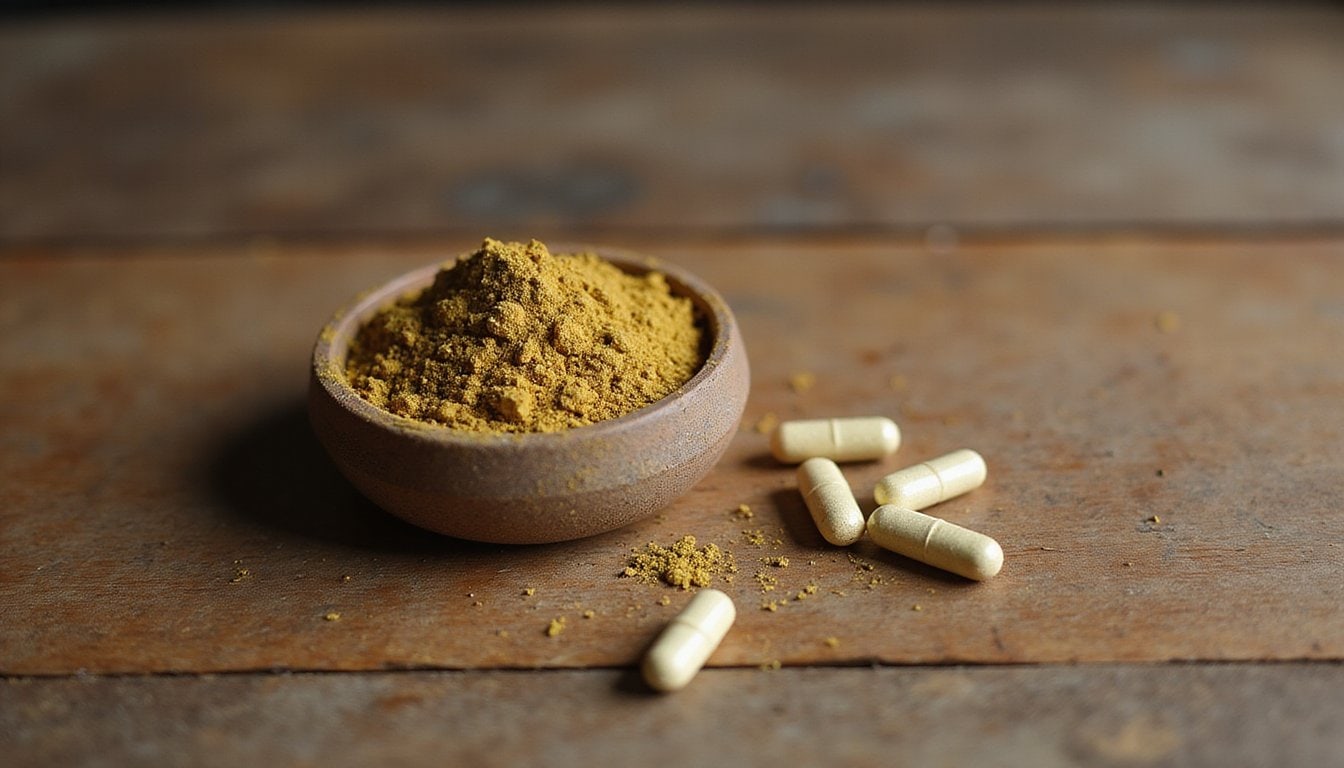
Kratom is a plant-derived substance sourced from the leaves of Mitragyna speciosa, a tree native to Southeast Asia. It contains psychoactive alkaloids, mitragynine and 7-hydroxymitragynine, that produce stimulant effects at low doses and opioid-like effects at high doses by binding to mu opioid receptors.
People use kratom for energy, mood enhancement, pain relief, and self-medicating opioid withdrawal. Its legal status and plant origin create a false perception of safety. However, regular use disrupts brain chemistry, triggering tolerance, cravings, and physical dependence, the core mechanisms behind kratom addiction.
Nearly 80% of people with kratom dependence can’t quit without professional help. Genetic vulnerabilities, personal substance use history, and mental illness further increase risk. Early intervention through kratom detox treatment substantially improves long-term recovery outcomes. Kratom can be consumed in several ways, including chewing leaves, brewing it as tea, or taking it in capsules.
How Kratom Addiction Develops Over Time
When you first use kratom regularly, your brain’s opioid receptors adapt to its presence, reducing sensitivity and requiring higher doses to achieve the same effects. Within weeks of daily use, you may find yourself escalating from just a few grams to 10 grams or more per dose to replicate initial results. This tolerance cycle drives compulsive redosing patterns, and once physical dependence takes hold, typically after one to three months of consistent heavy use, stopping becomes difficult as withdrawal symptoms emerge within 6 to 12 hours of your last dose. These symptoms often include irritability, muscle aches, insomnia, sweating, and nausea, which can make quitting without professional support particularly challenging.
Tolerance Building Over Time
As kratom use continues, tolerance develops through a predictable pattern driven by frequency, dosage, and duration of exposure. Daily use accelerates this process markedly faster than spacing doses three to four times weekly. When you repeatedly take the same dose, your body builds resistance, prompting you to increase amounts to achieve prior effects. Using the same strain consecutively compounds this problem through chemical stagnation, whereas rotating at least three strains slows tolerance buildup. Individual factors like metabolism and prior opioid use also influence how quickly tolerance forms. Recognizing these patterns matters because tolerance escalation often precedes kratom withdrawal symptoms, signaling developing dependency. Early identification gives you the best opportunity to pursue kratom addiction treatment before physical reliance becomes deeply entrenched and harder to address clinically. Kratom tolerance can develop within a few days to a few weeks of frequent consumption, underscoring how rapidly the body adapts to regular alkaloid exposure.
Dependence and Compulsive Use
Tolerance doesn’t develop in isolation, it sets the stage for a deeper biological and behavioral shift known as dependence. As your brain adapts to kratom’s alkaloids, mitragynine and 7-hydroxymitragynine bind to opioid receptors, reshaping how dopamine and serotonin regulate mood and function. Over time, your brain stops producing these chemicals independently, requiring kratom just to feel normal.
Psychological dependence follows closely. You may notice intensifying cravings, persistent depression, or anxiety when you skip a dose. Research indicates that 66.7% of users with over one year of use meet substance use disorder criteria. Behavioral changes compound this, prioritizing kratom over relationships, responsibilities, and daily obligations becomes routine. Secrecy, social withdrawal, and preventive dosing to avoid withdrawal rather than achieve effects are hallmarks of compulsive use at this stage.
Who Is Most at Risk for Kratom Addiction?

While kratom addiction can affect anyone, certain demographic, psychological, and behavioral factors greatly elevate a person’s risk. Males account for 61.2% of lifetime kratom users, and 55.2% fall between ages 18 and 34. White individuals represent 81.9% of lifetime users.
Mental health conditions significantly increase vulnerability. If you have depression, anxiety, PTSD, or bipolar disorder, you’re at heightened risk. Males with ADHD and sexual minority individuals also show elevated use rates.
Prior substance use history is particularly consequential. Kratom users face an 18-fold increase in opioid use disorder prevalence, and 31% have at least one co-occurring substance use disorder. Environmental factors, including easy product access, peer substance use, limited social support, and inadequate stress-coping strategies, further compound your risk, especially alongside a personal or family history of mental illness.
Physical and Behavioral Warning Signs of Kratom Addiction
Recognizing the warning signs of kratom addiction early can be the difference between intervention and prolonged dependency. Behaviorally, you might notice failing to uphold personal responsibilities, withdrawing from once-enjoyable activities, or spending excessive time obtaining and using kratom. Repeated failed attempts to cut back are also significant red flags.
Physically, low doses often produce increased energy, heightened sociability, decreased appetite, and improved focus. At higher doses, expect sedation, constipation, nausea, tremors, skin darkening, and excessive sweating.
Cognitively, you may experience intense cravings, poor decision-making, difficulty concentrating, or even hallucinations. Psychosocially, mood swings, irritability, anxiousness, emotional detachment, and depressive episodes are common indicators. Identifying these warning signs across multiple domains helps clarify whether kratom use has crossed into problematic dependency. Understanding the potential risks associated with kratom and addiction is crucial for anyone considering its use. Many users may not recognize how quickly tolerance can develop, leading to increased consumption and a heightened risk of dependency. It’s important to approach kratom with caution and to seek support if you find yourself struggling with its negative impacts.
Why Kratom Users Are More Likely to Develop Other Addictions

Kratom use doesn’t exist in isolation, research consistently links it to markedly elevated rates of co-occurring substance use disorders (SUDs). Lifetime kratom users show a 31% prevalence of at least one SUD, with opioid use disorder appearing 18 times more frequently than in non-users. Prescription stimulant, cocaine, methamphetamine, and sedative disorders are each elevated 12- to 17-fold.
If you’re using kratom alongside other substances, your risk compounds considerably. The past-year prevalence of three or more co-occurring SUDs is 20 times higher among kratom users. Having an existing SUD increases your odds of developing kratom use disorder by nearly three times. Researchers also link kratom use to high rates of depression, suggesting many users self-medicate underlying psychiatric conditions, a pattern that amplifies broader addiction vulnerability.
Kratom Withdrawal Symptoms to Expect
If you’re dependent on kratom and you stop using it, you’ll likely experience a range of physical and psychological withdrawal symptoms that follow a predictable progression. Physical symptoms typically emerge within 6, 12 hours of your last dose and may include muscle aches, nausea, sweating, chills, and gastrointestinal distress. Psychological effects, including anxiety, irritability, intense cravings, and depression, tend to peak around days 2, 4 and can persist well beyond the acute withdrawal phase.
Physical Withdrawal Symptoms
When kratom dependence develops, discontinuing use can trigger a distinct cluster of physical withdrawal symptoms that affect multiple body systems simultaneously. You’ll likely experience flu-like discomfort, particularly targeting your legs and back, alongside significant autonomic disruption.
Common physical symptoms include:
- Musculoskeletal pain: Body aches, muscle spasms, joint pain, and limb twitching
- Gastrointestinal distress: Nausea, vomiting, diarrhea, and abdominal cramping
- Temperature dysregulation: Alternating sweating, hot flashes, chills, and feverish sensations
- Autonomic symptoms: Elevated heart rate, insomnia, restless legs, and appetite loss
You may also notice cold-like symptoms, including a runny nose, watery eyes, and excessive yawning, patterns closely resembling opioid withdrawal. These symptoms typically reflect your body’s physiological readjustment following prolonged kratom receptor activity.
Psychological Withdrawal Effects
Beyond the physical discomfort, kratom withdrawal produces a distinct set of psychological effects that can be equally, if not more, disruptive to your daily functioning. These symptoms emerge within hours and can persist for weeks. Understanding the full scope of kratom withdrawal symptoms list is crucial for anyone attempting to taper off this substance. This comprehensive overview can help individuals anticipate their challenges and seek appropriate support.
| Symptom | When It Peaks | Duration |
|---|---|---|
| Anxiety & Panic | 24, 72 hours | Up to 2 weeks |
| Depression & Anhedonia | 4, 7 days | Weeks to months |
| Irritability & Agitation | 6, 12 hours | Acute to subacute phase |
| Cravings | 1, 3 days | Recurs in PAWS |
Cognitive difficulties, including poor concentration, impaired memory, and compromised decision-making, compound these emotional challenges. In severe cases, you may experience delusions or hallucinations. Without professional support, these psychological symptoms considerably hinder your ability to maintain recovery.
How Long Does Kratom Withdrawal Last?
How long kratom withdrawal lasts depends on several factors, including how much you’ve been using, how frequently, and your overall health. Most acute symptoms resolve within 4, 7 days, though individual experiences vary.
- 6, 12 hours: Early symptoms begin, including muscle aches, sweating, and restlessness
- Days 2, 4: Symptoms peak with severe discomfort, insomnia, and intense cravings
- Days 5, 7: Physical symptoms gradually reduce, though fatigue and GI upset may linger
- Weeks 2+: Most physical symptoms fade, but anxiety, depression, and cravings can persist longer
Psychological effects often outlast physical ones. Factors like dosage history, frequency of use, and individual health profoundly influence how long your withdrawal experience lasts.
Medications and Therapies Used to Treat Kratom Addiction
Several treatment options exist for kratom addiction, ranging from medication-assisted approaches to structured behavioral therapies. Buprenorphine and buprenorphine-naloxone (Suboxone) are used off-label to reduce cravings and stabilize opioid receptors. Comfort medications help manage specific withdrawal symptoms during detox. Kratom has been prominent in discussions about pain management and anxiety relief. Many users inquire what is kratom used for, as it is also marketed for enhancing mood and energy levels. However, the safety and efficacy of kratom for these purposes remain controversial among healthcare professionals.
| Category | Examples | Primary Purpose |
|---|---|---|
| MAT Medications | Buprenorphine, Suboxone | Reduce cravings, stabilize receptors |
| Comfort Medications | Clonidine, Trazodone, Librium | Manage insomnia, mood swings, discomfort |
| Behavioral Therapies | CBT, DBT, Motivational Interviewing | Address triggers, build coping skills |
Medical teams adjust medication doses based on your symptoms and overall health. Behavioral therapies like CBT teach you to identify triggers and develop relapse prevention strategies, while motivational interviewing strengthens your commitment to recovery.
Recovery From Kratom Addiction Is Closer Than You Think
Kratom addiction can progress faster than most people expect, but lasting recovery is absolutely possible. At Pathways Recovery, we provide trusted Medical Detoxification to help you safely begin your journey toward a healthier, stronger life. Call (916) 735-8377 today and take the first step toward lasting recovery.
Frequently Asked Questions
Is Kratom Legal to Use in the United States?
Kratom’s legal status in the U.S. depends on where you live. At the federal level, it’s currently legal, as the DEA hasn’t classified it as a controlled substance. However, six states, Alabama, Arkansas, Indiana, Rhode Island, Vermont, and Wisconsin, have completely banned it. If you’re in a regulated state, you may face age restrictions and product quality requirements. Always verify your specific state and local laws before purchasing or using kratom.
Can Kratom Use Cause Long-Term Brain or Organ Damage?
Yes, kratom can cause long-term brain and organ damage. Chronic use alters your dopamine and serotonin systems, potentially causing cognitive impairments, memory deficits, and emotional flatness. You may also experience neurological complications, including seizures, encephalopathy, and stroke-like presentations. High doses can damage your liver and kidneys, evidenced by elevated creatinine and urea levels. Lung abnormalities have also been reported. These risks increase drastically with prolonged, heavy use.
Does Kratom Show up on Standard Workplace Drug Tests?
Kratom typically won’t show up on standard workplace drug tests. Most employers use 5, 10, or 12-panel urine screens, which don’t include kratom alkaloids like mitragynine. However, if you’re in a safety-sensitive industry, undergoing probation monitoring, or if your employer specifically requests kratom screening, specialized tests using LC-MS/MS technology can detect it. Detection windows in urine range from 1, 9 days depending on your usage frequency and dosage.
Can Someone Overdose Fatally From Kratom Use Alone?
Fatal overdose from kratom alone is extremely rare but documented. You’ll find that most kratom-related deaths involve other substances, particularly opioids or fentanyl. However, Florida data identified 46 kratom-only overdose cases, with some showing elevated mitragynine levels exceeding 1,000 ng/mL. Contributing factors like heart disease or prior seizures appeared in many cases. While kratom-only fatalities represent a small fraction of overdose deaths, you shouldn’t consider it completely without lethal risk.
Is Kratom Addiction Covered Under Most Health Insurance Plans?
Coverage for kratom addiction varies by plan, but most major insurance providers do cover substance use disorder treatment that includes kratom dependence. You’ll find that outpatient programs, medical detox, and behavioral therapy are frequently reimbursed under major plans. Since kratom lacks FDA approval, your specific coverage depends on your policy’s substance use disorder benefits. You should verify your benefits before your first appointment, as no referral is typically required.