

If you’re worried about a Perc 10 overdose, watch for these critical warning signs: extremely slow or stopped breathing, pinpoint pupils, bluish skin, and unresponsiveness. Earlier symptoms include confusion, slurred speech, and shallow breathing. The risk increases vastly when oxycodone is combined with fentanyl, benzodiazepines, or alcohol. Call 911 immediately and administer naloxone if available. Understanding who’s most at risk and how to respond can help save a life.
Perc 10 Overdose Symptoms That Require Immediate Action

When someone takes too much Perc 10, their body can quickly become overwhelmed, and recognizing the warning signs could save a life. The most dangerous symptom you’ll observe is respiratory depression, breathing that’s slow, shallow, or completely stopped. You may hear choking or gurgling sounds as the person struggles to get air. When someone takes too much Perc 10, their body can quickly become overwhelmed, and recognizing early warning signs can save a life. One of the most dangerous pink perc 10 effects is respiratory depression, where breathing becomes slow, shallow, or may stop altogether. In some cases, you might notice choking or gurgling sounds as the person struggles to get enough air, signaling an urgent medical emergency that requires immediate attention.
Watch for extreme drowsiness that progresses to unresponsiveness. If you can’t wake them despite loud sounds or physical stimulation, they’re in serious danger. Their skin may turn cold and clammy, with bluish discoloration appearing on lips, fingernails, or face.
Other critical signs include pinpoint pupils, weak pulse, and limp muscles. The risk of fatal overdose increases significantly if the Perc 10 has been contaminated with fentanyl without the person’s knowledge. Don’t wait for multiple symptoms, if you notice respiratory depression or unconsciousness, seek emergency help immediately. If emergency services are temporarily unavailable, try again later while continuing to monitor the person and administer naloxone if available. The danger is even greater when Perc 10 is combined with benzodiazepines or alcohol, which dramatically increases the risk of death.
Early Warning Signs Before a Full Overdose
Before a full overdose develops, your body often sends warning signals that shouldn’t be ignored. Recognizing these early indicators can help you identify a potential perc overdose before it becomes life-threatening. One common form of prescription pain relief that patients may misuse is pink perc 10 k 56, which can lead to dangerous consequences. It is crucial to monitor dosage and seek help if you notice unusual side effects. Early intervention can make a significant difference in recovery and safety. Before a full overdose develops, your body often sends warning signals that shouldn’t be ignored. Recognizing these early indicators can help you identify a potential Perc overdose before it becomes life-threatening. One commonly misused form of prescription pain relief is pink Perc 10 (K 56), and problems often arise when pink perc 10 dosage guidelines are not followed carefully. Monitoring for unusual side effects, such as extreme drowsiness, confusion, or slowed breathing, and seeking medical help early can make a significant difference in safety and recovery.
| Physical Signs | Cognitive Signs |
|---|---|
| Slowed heart rate | Extreme drowsiness |
| Cold, clammy skin | Confusion or dizziness |
| Very small pupils | Difficulty concentrating |
| Shallow breathing | Impaired judgment |
You may notice coordination problems, slurred speech, or unusual fatigue developing gradually. These symptoms indicate that opioids are affecting your central nervous system. If you’re experiencing rapid breathing alongside high blood pressure, your body may be responding to distress. The most critical danger occurs when opioids slow or stop breathing, preventing oxygen from reaching the brain. Don’t wait for symptoms to worsen, early recognition of a perc overdose gives you critical time to seek help. Delayed response to these warning signs disrupts user experience of recovery and can result in serious, potentially fatal consequences. Your risk of overdose increases significantly if you combine opioids with benzodiazepines, alcohol, muscle relaxants, or sleep aids.
What to Do If Someone Is Overdosing on Percocet?
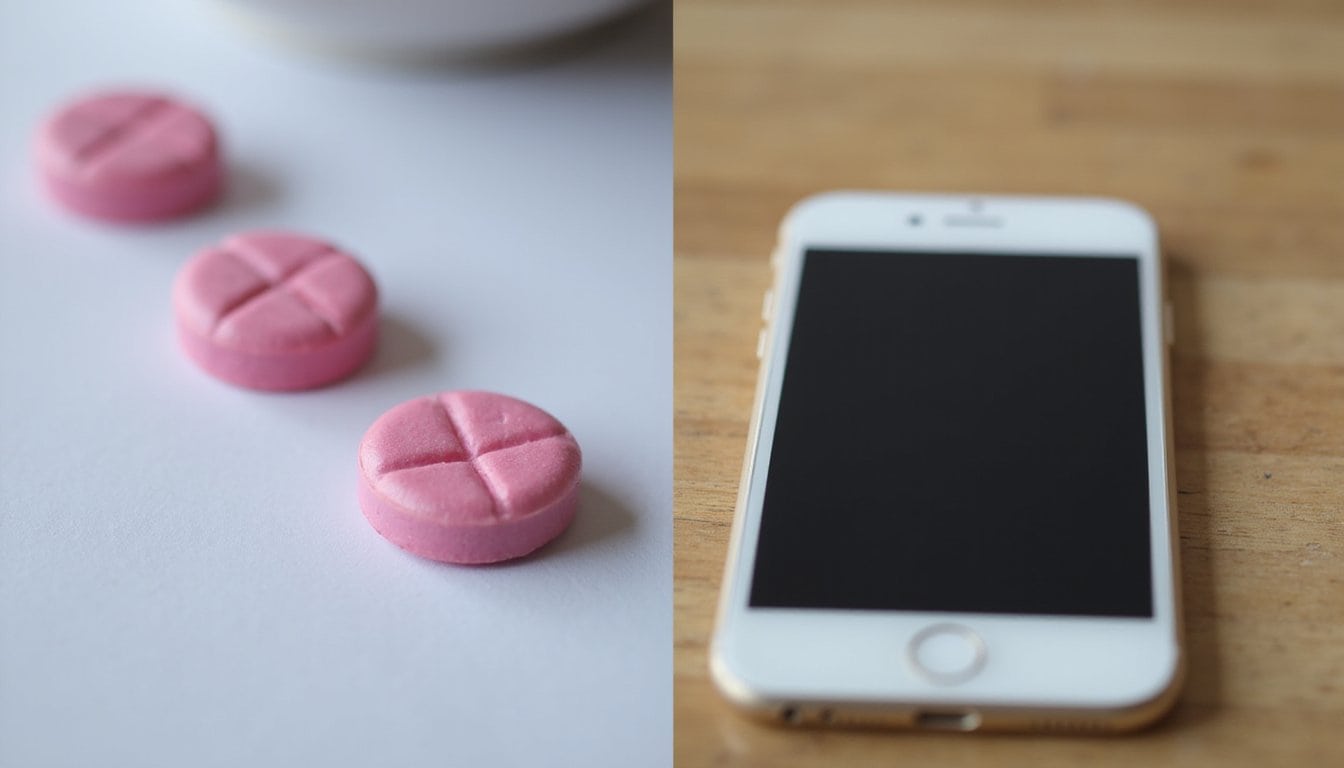
Recognizing a Percocet overdose means you must act fast, every second counts. Call 911 immediately when you notice signs of opioid overdose. Check responsiveness by shaking the person and shouting their name. If they’re unresponsive, position them on their side to prevent choking.
Administer naloxone if available, it reverses opioid effects by blocking brain receptors. Use nasal spray or injection, repeating every 2-3 minutes if needed. Naloxone is available without a prescription at most pharmacies across the country. If the person isn’t breathing, perform CPR until help arrives.
Don’t induce vomiting or give food or liquids. Keep them warm and monitor critical signs continuously. Even after naloxone works, emergency medical care remains essential because Percocet contains acetaminophen, which can cause liver damage requiring treatment with N-acetylcysteine. Stay with the person until paramedics arrive.
Who’s Most at Risk for Oxycodone Overdose?
Why do some people face greater danger from oxycodone than others? Several factors determine your vulnerability to overdose.
Age-related risks place adults 75 and older at highest danger, while those 18-24 also face heightened risk. Gender and demographics matter too, males and individuals with low socioeconomic status show increased vulnerability.
Comorbid mental health and substance use dramatically raise your risk. If you have a history of opioid dependence or depression, you’re considerably more susceptible. Over 5 million Americans reported a prescription opioid use disorder in the past year, highlighting how widespread this vulnerability has become.
Medical conditions and organ impairment compound danger. Lung disease, kidney or liver failure, and sleep apnea all increase overdose likelihood.
Prescription and behavioral factors include prior overdoses, concurrent benzodiazepine use, and higher opioid dosages. Returning to use after tolerance loss proves particularly dangerous.
How Narcan Reverses Perc 10 Overdose
Understanding your overdose risk factors matters, but knowing how to respond when an overdose occurs can save lives.
Narcan (naloxone) works as an opioid antagonist that rapidly attaches to opioid receptors in your brain, displacing oxycodone and reversing its effects. During a perc 10 overdose, the medication restores your drive to breathe by counteracting the central nervous system depression that’s slowing respiration.
Naloxone rapidly reverses opioid overdose by displacing oxycodone from brain receptors and restoring your ability to breathe.
Naloxone can restore normal breathing within 2 to 3 minutes, but it only remains effective for 30 to 90 minutes. Because oxycodone continues circulating in your system, you’ll still need emergency medical care immediately after receiving Narcan. While naloxone is a lifesaving medicine, it does not treat the underlying substance use disorder that may have led to the overdose.
If symptoms return, a phenomenon called renarcotization, additional doses may be necessary. Always call 911 during a perc 10 overdose, even after administering naloxone successfully. Signs that indicate you should use Narcan include a limp body, pale or clammy face, blue fingernails or lips, vomiting, inability to speak or awaken, and slow breathing or heartbeat.
A Perc 10 Overdose Can Happen Faster Than Anyone Ever Expects
Recognizing the warning signs of a pink Percocet or oxycodone overdose in time can mean the difference between life and death, and no one who loves someone struggling with opioid use should ever have to face that moment unprepared. When opioids have tightened their grip so deeply on your life or the life of someone you love that every day carries the silent fear of what could go wrong, that fear is telling you something urgent and important that deserves to be heard, and Rehab Sacramento is here to help you act on it with world class care, transformative recovery programs, and deeply personalized addiction treatment designed for both men and women. Our outpatient rehab california program delivers compassionate and structured support with flexible individual therapy for addiction treatment built perfectly around your daily routine. Call us today at (916) 545-8495 and take the first step toward safety, healing, and a life where overdose is never a fear you have to carry again.
Frequently Asked Questions
Can You Overdose on Perc 10 the First Time You Take It?
Yes, you can overdose on Perc 10 the first time you take it. If you’ve never used opioids, your body lacks tolerance, making even standard doses potentially dangerous. Your risk increases if you’re sick, tired, haven’t eaten, or have underlying health conditions like kidney dysfunction. Watch for slowed breathing, extreme drowsiness, pinpoint pupils, or unresponsiveness, these require immediate medical attention. Always take prescription opioids exactly as directed.
How Long After Taking Percocet Can an Overdose Occur?
You can experience overdose symptoms within 15-30 minutes of taking immediate-release Percocet, with effects typically peaking between 1-2 hours. If you’ve taken extended-release forms, symptoms may not appear for 4-6 hours due to slower absorption. Your individual tolerance, the dose amount, and whether you’ve combined it with alcohol or other sedatives all influence how quickly dangerous symptoms develop. Seeking immediate help is essential if you notice warning signs.
What Is the Lethal Dose of Oxycodone for Most Adults?
There’s no single lethal dose of oxycodone that applies to everyone. Your individual tolerance, body weight, metabolism, and whether you’ve used opioids before all profoundly affect this threshold. What’s therapeutic for one person can be fatal for another, particularly if you’re opioid-naive or combine oxycodone with alcohol or benzodiazepines. This variability is why taking more than prescribed or using someone else’s medication carries serious, potentially life-threatening risks.
Can Mixing Percocet With Alcohol Cause an Overdose Faster?
Yes, mixing Percocet with alcohol can cause an overdose much faster. When you combine these substances, they create a synergistic effect that intensifies respiratory depression beyond what either causes alone. Alcohol enhances oxycodone’s sedative properties, rapidly slowing your breathing to dangerous levels. Research shows alcohol contributes to over 22% of prescription opioid overdose deaths. Even small amounts of alcohol greatly increase your risk, making this combination particularly dangerous.
How Long Do Perc 10 Overdose Symptoms Typically Last Without Treatment?
Without treatment, Perc 10 overdose symptoms can persist and worsen over several hours. You’ll typically see respiratory depression peak within the first 1-2 hours, with symptoms intensifying over 2-6 hours. The critical window where fatality risk is highest occurs within 1-4 hours due to respiratory failure. If you suspect an overdose, don’t wait to see if symptoms improve, call 911 immediately, as prompt intervention dramatically improves survival outcomes.