

Pink Perc 10 pills are commonly misused by taking higher doses than prescribed, crushing or injecting tablets, mixing with alcohol, or continuing use beyond medical necessity. Each method dramatically increases your overdose risk, crushing destroys controlled-release mechanisms, alcohol amplifies respiratory depression, and extended use builds dangerous tolerance. You’re particularly vulnerable if you’ve developed physical dependence, as withdrawal symptoms often drive continued misuse. Understanding these specific risks can help you recognize warning signs before addiction takes hold. Pink Perc 10 pills are commonly misused by taking higher doses than prescribed, crushing or injecting tablets, mixing them with alcohol, or continuing use beyond medical necessity. Each of these behaviors dramatically increases overdose risk, tampering with tablets defeats built-in safety controls, alcohol intensifies respiratory depression, and prolonged use accelerates tolerance and dependence. These dangers apply even at pink perc 10 mg strength when the medication is not used exactly as directed. Individuals with developing physical dependence are especially vulnerable, as withdrawal symptoms can drive continued misuse. Understanding these risks helps you recognize warning signs early, before misuse escalates into addiction.
What Is Pink Perc 10 and What Makes It Addictive?
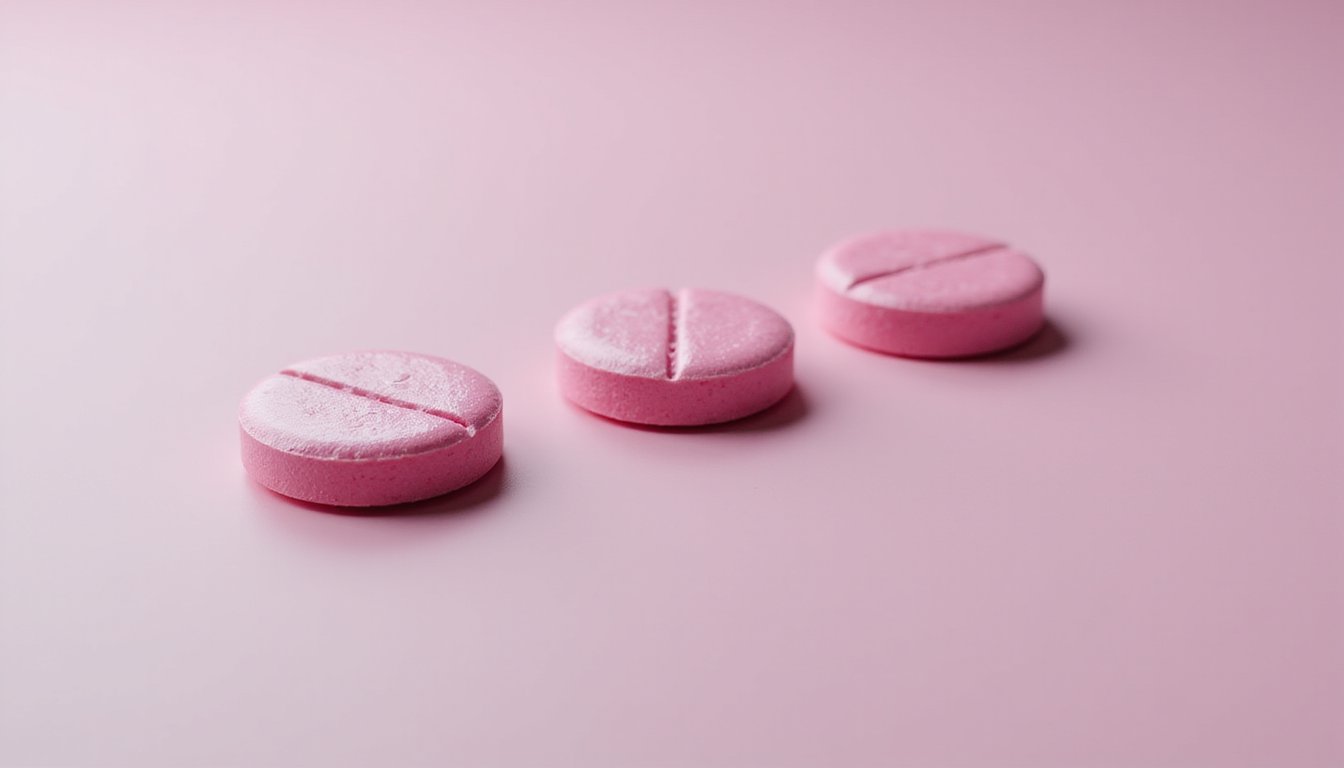
Pink Perc 10, a prescription opioid containing 10 mg of oxycodone hydrochloride and 325 mg of acetaminophen, carries marked addiction potential that’s earned it Schedule II controlled substance classification. When you take this immediate-release formulation, it reaches peak potency within 30-60 minutes, binding to mu-opioid receptors in your brain and spinal cord.
The drug’s addictive nature stems from how oxycodone triggers dopamine release, activating your brain’s reward system and producing euphoria. This mechanism makes oxycodone misuse particularly dangerous. Pink perc abuse develops when tolerance builds, often leading to increased doses or altered consumption methods. The acetaminophen component enhances oxycodone’s effectiveness, allowing for pain relief at lower opioid doses in legitimate medical settings.
Perc misuse differs substantially from supervised medical use. Physical dependence can develop rapidly, causing withdrawal symptoms that reinforce continued use and escalate addiction risk. Addiction can develop in just a few weeks of regular use, even when patients initially follow their prescribed dosing instructions. Research shows that oxycodone-based medications are more addictive than hydrocodone, methadone, and buprenorphine, which partially explains why Pink Perc 10 poses such significant risks.
Higher Doses Than Prescribed Spike Overdose Risk
When tolerance develops from extended Percocet use, your body requires higher doses to achieve the same pain relief, a dangerous cycle that considerably increases overdose risk.
Tolerance creates a dangerous cycle, your body demands more Percocet for the same relief, significantly raising your overdose risk.
Prescription opioid abuse often begins when you take more than prescribed to enhance effects. This behavior substantially elevates addiction risk and triggers uncontrolled drug cravings. Opioid misuse patterns like dose escalation place enormous strain on your body’s systems.
High-dose oxycodone consumption causes respiratory depression, breathing becomes dangerously slow and shallow. In severe cases, breathing stops entirely. This risk peaks during dosage increases or when you’ve developed tolerance requiring larger amounts. Combining oxycodone with alcohol or certain allergy medicines creates heightened dangerous effects that further compound respiratory risks.
The statistics are stark: oxycodone overdose deaths surged from 3,442 in 1999 to 17,029 in 2017. Taking higher-than-prescribed doses doesn’t just risk addiction, it can prove fatal with a single excessive dose. Warning signs of overdose include loss of consciousness, shallow breathing, and pale blue or cold skin. The acetaminophen component in Percocet adds another danger, as excessive doses can cause severe liver damage that compounds the overall health risks.
Mixing Pink Perc 10 With Alcohol Can Turn Fatal
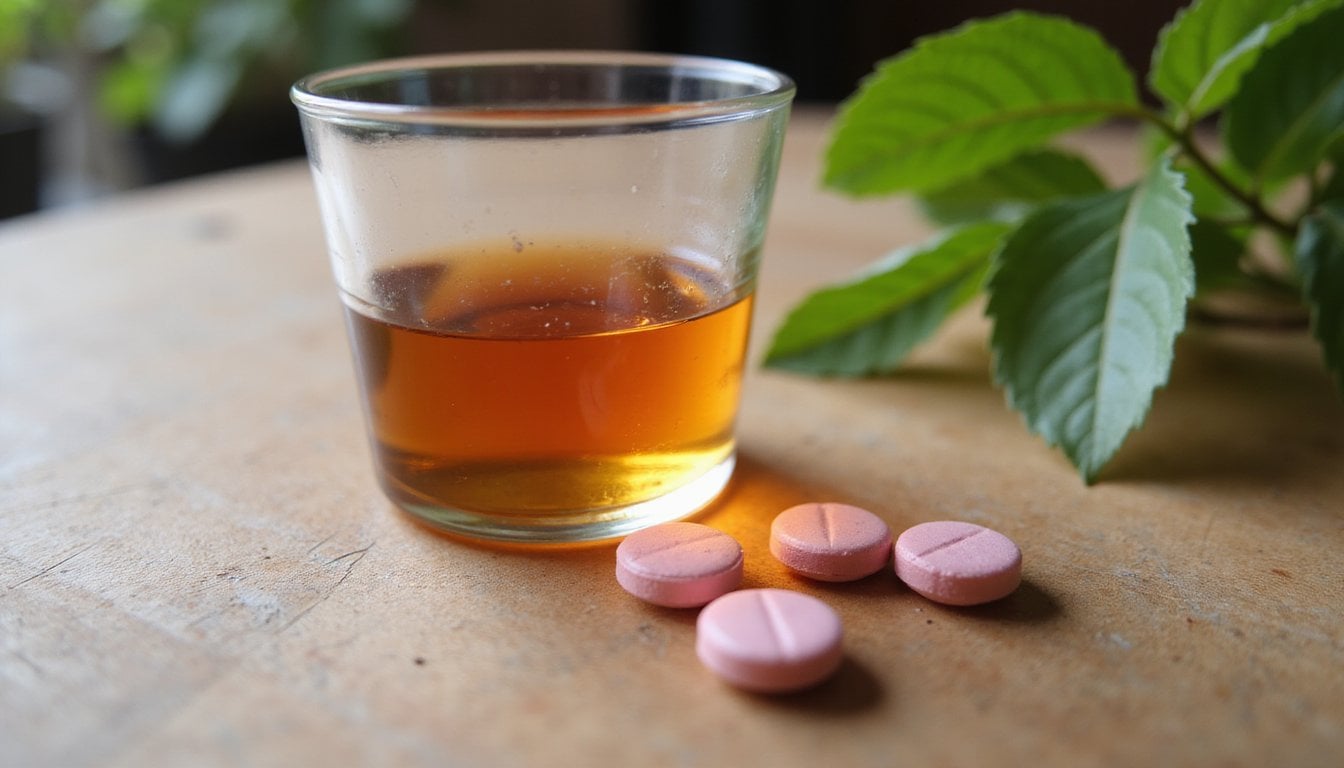
Combining oxycodone with alcohol creates a potentially lethal interaction that affects multiple organ systems simultaneously. When you engage in percs drug use while drinking, both substances suppress your central nervous system, greatly increasing respiratory depression risk. Your brain’s breathing center can shut down, leading to coma or death.
The misuse of percocet alongside alcohol also strains your liver tremendously. Percocet contains acetaminophen, and alcohol accelerates the production of toxic byproducts during metabolism. Notably, acetaminophen overdose is the most common cause of acute liver failure in the United States.
Critical risks you face when mixing these substances:
- Profound sedation causing you to forget doses, resulting in accidental overdose
- Respiratory failure so severe you can’t call for help
- Liver damage that compounds with each exposure, potentially causing organ failure
Tolerance development drives increasingly dangerous consumption patterns, escalating lethality with each use. Research shows that alcohol plays a significant role in 15-20% of all opioid-related deaths, underscoring just how deadly this combination can be.
Crushing or Injecting Pink Perc 10 Eliminates Safety Margins
Altering a pink perc 10’s physical form, whether through crushing, chewing, or dissolving for injection, destroys the controlled-release mechanisms that prevent dangerous blood concentration spikes. You bypass the gradual absorption designed to maintain safe plasma levels, instead flooding opioid receptors simultaneously. Altering a pink Perc 10’s physical form, whether by crushing, chewing, or dissolving, eliminates the safeguards built into the medication to control how quickly the drug enters your bloodstream. This bypasses gradual absorption meant to keep plasma levels stable and instead delivers a rapid surge that overwhelms opioid receptors at once, sharply increasing overdose risk. This is why pink perc 10 pill identification details matter: recognizing legitimate formulations, and understanding that any tampering defeats their safety design, can help you avoid dangerous blood concentration spikes and unintended harm. Altering a pink Perc 10’s physical form, whether through crushing, chewing, or dissolving, destroys the safeguards built into the medication to control how quickly the drug enters your bloodstream. This bypasses the gradual absorption designed to maintain stable plasma levels and instead delivers a rapid surge that floods opioid receptors simultaneously, sharply increasing overdose risk. This risk applies even to a real pink perc 10, because any form of tampering defeats the medication’s safety design. That’s why pill identification details matter: recognizing legitimate formulations, and understanding that altering them negates their protective mechanisms, can help you avoid dangerous blood concentration spikes and unintended harm.
| Route | Primary Risk |
|---|---|
| Crushing/Snorting | Immediate bloodstream delivery, respiratory depression |
| Chewing | Accelerated release, unpredictable absorption |
| Injection | Pulmonary granulomas, vein damage, infections |
| Breaking ER formulations | Full dose dumping, overdose |
When you inject crushed tablets, filler excipients like talc lodge in pulmonary arterioles, triggering granulomas and progressive lung fibrosis. Studies show 50% mortality from respiratory failure within 10 years among chronic injectors. You also eliminate acetaminophen dosing limits in Percocet formulations, risking acute liver toxicity with each misuse episode. The overdose risk becomes particularly dangerous for individuals with little or no tolerance to opioids, as their bodies cannot handle the rapid influx of the full drug dose.
Extended Use Builds Dangerous Physical Dependence
Beyond the immediate dangers of altered administration routes, prolonged pink perc 10 use creates a separate but equally serious threat: physical dependence. When you take oxycodone repeatedly, your brain adapts to the drug’s presence. Opioid receptors become less responsive, forcing you to consume higher doses to achieve the same pain relief or euphoria.
Prolonged oxycodone use rewires your brain, building tolerance that demands higher doses and dramatically increases overdose risk.
This tolerance-dependence cycle accelerates overdose risk dramatically. Over 3.3 million Americans develop opioid dependence annually, with extended use being a primary driver. Gradual dose reduction may help prevent worsening of the condition and withdrawal symptoms when discontinuing use.
Physical dependence manifests through measurable changes:
- Your central nervous system becomes reliant on the drug for normal functioning
- Dopamine pathways rewire, creating compulsive use patterns despite negative consequences
- Withdrawal symptoms, including muscle pain, insomnia, and cardiovascular changes, emerge when you reduce or stop use
These adaptations distinguish dependence from supervised medical treatment.
Pink Perc 10 Withdrawal Fuels Drug-Seeking Behavior
When you stop taking Pink Perc 10 after extended use, withdrawal symptoms like intense cravings, nausea, and muscle aches can emerge within hours, driving powerful urges to obtain more of the drug. Physical dependence escalates misuse patterns as you seek relief from flu-like symptoms, insomnia, and psychological distress that peak during the first week. This cycle often pushes individuals toward illegal activities to secure a supply, as the body’s demand for opioids overrides rational decision-making.
Withdrawal Symptoms Drive Cravings
Withdrawal from pink perc 10 pills triggers a predictable cascade of physical and psychological symptoms that drive compulsive drug-seeking behavior. Within hours of your last dose, flu-like symptoms emerge, sweating, chills, and muscle aches intensify through days two and three. As physical discomfort peaks, your brain’s reward pathways demand relief.
- Physical symptoms include nausea, vomiting, diarrhea, tremors, and rapid heartbeat during the acute phase
- Psychological effects persist longer, with anxiety, depression, and intense cravings extending weeks beyond physical recovery
- Peak relapse risk occurs after week one when physical symptoms fade but psychological dependence strengthens
You’ll experience cravings that override rational decision-making. Tolerance development means you’ll seek higher doses, perpetuating the cycle. Without medical intervention, the overwhelming need to eliminate withdrawal discomfort fuels continued misuse.
Illegal Activities for Supply
How far will addiction drive someone to secure their next dose? When withdrawal symptoms intensify, you may find yourself engaging in behaviors you’d never previously considered. Drug-seeking escalates through predictable patterns: obtaining prescriptions from multiple doctors, misrepresenting pain severity, or exploiting gaps in prescription monitoring systems. Doctor shopping to obtain prescriptions from multiple providers is illegal and can result in prosecution.
When legitimate channels close, theft becomes a viable option for many. You might steal from pharmacies, healthcare facilities, or family members’ medicine cabinets. Criminal activity accelerates as addiction overrides risk assessment. Withdrawal symptoms such as anxiety, chills, nausea, and restlessness can become so overwhelming that they override normal judgment and push individuals toward increasingly desperate measures.
Street purchases introduce the most dangerous variable. Counterfeit pills frequently contain fentanyl, a 2022 DEA analysis revealed six in ten counterfeit prescription pills contained potentially lethal doses. You can’t visually distinguish legitimate pharmaceuticals from counterfeits. Warning signs of fake pills include rough edges, bubbled coating, or incorrect imprint codes that differ from genuine medications. Each illegal purchase represents unknown dosing and contaminant exposure, dramatically elevating overdose risk beyond already-dangerous misuse patterns.
Physical Dependence Escalates Misuse
Physical dependence transforms occasional misuse into compulsive drug-seeking once your body adapts to oxycodone’s presence. Your brain’s reward system changes, requiring the drug to function normally. When you stop taking Pink Perc 10, withdrawal symptoms emerge within 6-24 hours, including anxiety, muscle aches, and sweating. Increased tearing and runny nose also commonly appear during this early stage.
These symptoms peak around 72 hours with intense physical and emotional distress:
- Gastrointestinal symptoms like cramping, diarrhea, and vomiting dominate the withdrawal experience
- Autonomic hyperactivity produces tachycardia, hypertension, and hyperthermia
- Emotional disturbances including depression and irritability fuel relapse risk
Cravings persist for years post-withdrawal in former users. The discomfort isn’t life-threatening but powerfully motivates resumed use. Higher doses and longer misuse periods intensify withdrawal severity, creating a cycle where you’re seeking drugs primarily to avoid feeling sick rather than achieving euphoria.
Counterfeit Pink Perc 10 Pills Often Contain Lethal Fentanyl
Because counterfeit pills often appear identical to legitimate medications, distinguishing a real pink oxycodone pill from a fake one containing fentanyl isn’t possible through visual inspection alone. Criminal networks mass-produce these counterfeits, often stamped with the K56 imprint, and market them as Percocet 10 Pink. DEA lab testing reveals two out of every five fentanyl-laced fake pills contain a potentially lethal dose.
The danger compounds when you consider fentanyl’s potency, up to 100 times stronger than morphine. Even tiny variations in dosage can prove fatal. In 2023, approximately 115 million counterfeit pills were seized across U.S. drug trafficking areas, yet countless others reach users.
Testing strips offer limited protection; they can’t detect carfentanil or xylazine. Your only reliable safeguard involves obtaining prescriptions exclusively from verified, reputable pharmacies.
7 Warning Signs Pink Perc 10 Use Has Become Addiction
When you notice yourself taking larger doses than prescribed or running out of medication early, these patterns signal your use has shifted from therapeutic to problematic. You may find yourself engaging in drug-seeking behaviors you can’t control, such as visiting multiple doctors, fabricating symptoms, or obtaining pills through illicit channels. Physical withdrawal symptoms, including insomnia, excessive sweating, and diarrhea, confirm your body has developed physiological dependence on oxycodone.
Escalating Dosage Beyond Prescriptions
Escalating dosage beyond what your doctor prescribed represents one of the clearest warning signs that Pink Perc 10 use has crossed into addiction territory. When tolerance develops, you’ll notice pain relief duration shortens, prompting more frequent dosing. Your intake shifts from as-needed to around-the-clock scheduling.
Key indicators of dangerous escalation include:
- Exceeding 6 tablets daily, surpassing the 4-gram acetaminophen safety threshold
- Total daily oxycodone intake climbing beyond 60 mg
- Failed attempts to return to lower doses, indicating physical dependence
This pattern substantially increases your risk of severe liver damage and respiratory depression. If you’ve been using Pink Perc 10 for weeks and can’t reduce your dose without withdrawal symptoms, you’ve likely developed physical dependence requiring medical intervention and gradual tapering.
Uncontrollable Drug-Seeking Behavior
The shift from misuse to addiction often reveals itself through compulsive drug-seeking behavior that overrides rational decision-making.
You may find yourself attempting to obtain fraudulent prescriptions or acquiring pink perc 10 pills through illicit channels. Borrowing or stealing money specifically to purchase the drug indicates escalating dependency. When you’re seeking opioids from unregulated sources rather than legitimate medical providers, you’ve crossed a critical threshold.
These behaviors signal loss of control. You continue using despite repeated failed attempts to stop or reduce intake. You lie to healthcare providers about consumption patterns and maintain secrecy about drug-related activities. Financial instability emerges as you prioritize purchases over basic needs.
Recognizing these patterns early allows intervention before consequences compound. Addiction treatment becomes increasingly necessary when drug-seeking dominates your decision-making processes.
Withdrawal Symptoms Emerge
Physical dependence on pink perc 10 pills typically announces itself through a predictable cluster of withdrawal symptoms that emerge within 8 to 24 hours after your last dose. Your body signals distress through anxiety, restlessness, muscle aches, and flu-like responses including sweating and runny nose.
As withdrawal progresses, you’ll experience intensifying symptoms:
- Gastrointestinal distress: Nausea, vomiting, diarrhea, and stomach cramps create significant physical discomfort
- Neurological disruption: Insomnia, vivid nightmares, and dilated pupils indicate autonomic system dysregulation
- Cardiovascular strain: Heightened blood pressure, rapid heartbeat, and tremors reflect your body’s stress response
Psychological cravings peak within 72 hours, accompanied by severe dysphoria and depression. These powerful drug-seeking urges create substantial relapse risk. Recognizing these withdrawal patterns confirms physical dependence has developed, requiring professional medical intervention.
Treatment Options for Pink Perc 10 Addiction
When addiction to pink Perc 10 pills takes hold, professional treatment offers the most effective path to recovery. Medical detox provides the critical first step, eliminating the drug from your system under 24/7 supervision while medications manage withdrawal symptoms in a controlled environment.
Medication-assisted treatment combines FDA-approved drugs like buprenorphine or naltrexone with counseling to stabilize brain chemistry and reduce cravings. Evidence-based therapies, including cognitive behavioral therapy and trauma-informed care, address the psychological factors driving your misuse.
For severe addiction, inpatient programs lasting 30-90 days provide structured, round-the-clock support away from triggers. If you’ve completed higher levels of care or have less severe dependence, outpatient programs offer flexibility while maintaining therapeutic structure. Aftercare through 12-Step programs and sober living supports long-term sobriety.
Misusing Pink Perc 10 Pills Is More Dangerous Than Most People Realize
Every way that a pink perc 10 pill is misused carries a risk that can escalate into overdose, dependency, or irreversible harm faster than anyone ever anticipates. When opioids have taken such a powerful hold on your life that the line between use and misuse has completely disappeared, that is a moment that deserves urgent and compassionate attention, and Addiction Treatment Center Sacramento is here to help you find your way back with world class care, life changing recovery programs, and deeply personalized addiction treatment designed for both men and women. Our intensive outpatient program delivers structured support with dedicated individual therapy in addiction treatment built perfectly around your daily routine. Call us today at (916) 545-8495 and take the first step toward breaking free from opioid misuse and reclaiming a life of safety and lasting health.
Frequently Asked Questions
How Long Does Pink Perc 10 Stay Detectable in Urine Drug Tests?
You can expect pink Percocet 10 to stay detectable in your urine for 1, 4 days after your last dose. If you’re an occasional user, you’ll likely test positive for 1, 3 days. However, several factors affect your detection window: your metabolism rate, liver function, dosage amount, and how frequently you’ve used. The oxycodone metabolites, particularly noroxycodone, extend detection beyond the drug’s 3.2-hour half-life.
Can Naloxone Reverse an Overdose From Counterfeit Fentanyl-Laced Pink Perc 10 Pills?
Yes, naloxone can reverse an overdose from counterfeit fentanyl-laced pink Perc 10 pills. It binds to opioid receptors, blocking fentanyl’s effects and restoring breathing within 1-3 minutes. However, you may need multiple doses since fentanyl’s effects can outlast naloxone’s 30-90 minute duration. It won’t counteract non-opioid adulterants like xylazine. You should call 911 immediately and monitor continuously, as the person can relapse into overdose.
Are There Safer Alternatives to Pink Perc 10 for Chronic Pain Management?
Yes, you have several safer alternatives for chronic pain management. You can try OTC options like acetaminophen or NSAIDs for mild-to-moderate pain. Non-drug therapies, including physical therapy, acupuncture, and TENS units, offer effective relief without addiction risk. Cognitive behavioral therapy helps you manage pain responses, while yoga and stretching reduce discomfort. For severe cases, interventional treatments like nerve blocks or spinal cord stimulation provide targeted relief. Consult your healthcare provider to develop a personalized plan.
What Should Family Members Do if They Find Hidden Pink Perc 10 Pills?
If you find hidden pink perc 10 pills, secure them immediately to prevent further access. Check for overdose signs, pinpoint pupils, slow breathing, or confusion, and call 911 if present. Don’t confront the person, as this may cause them to hide substances elsewhere. Test pills for fentanyl, since 2 in 5 counterfeits contain lethal doses. Contact a healthcare provider or addiction specialist to discuss intervention and treatment options.
Does Insurance Typically Cover Medication-Assisted Treatment for Oxycodone Addiction?
Yes, insurance typically covers medication-assisted treatment (MAT) for opioid use disorder. If you have Medicaid, you’ll find coverage for buprenorphine, naltrexone, and often methadone. Medicare Part B now covers OTP services, while Part D includes buprenorphine. Private insurance must cover substance use disorder services, though you may face prior authorization requirements or cost-sharing. Despite 84% coverage rates, barriers like out-of-pocket costs can still impede your access to timely treatment.