

Weed sweats during cannabis withdrawal occur because regular cannabis use alters the body’s temperature regulation systems. Chronic THC exposure downregulates CB1 receptors in the hypothalamus, the brain’s primary temperature control center, and disrupts endocannabinoid signaling in the skin. When cannabis use stops, these systems temporarily overcorrect in the absence of THC, leading to excessive sweating as the body recalibrates. Symptoms typically begin within 24, 48 hours and often peak between days 3 and 7. Understanding the underlying mechanisms and symptom timeline can help individuals better manage this uncomfortable withdrawal effect.
Night sweats after quitting weed usually mean day 2 to day 7 of THC withdrawal.
Symptoms typically ease after week two, but heavier users often need clinical support to get there. Cannabis treatment available in Roseville, CA.
Understanding the Science Behind Cannabis Withdrawal Sweats

Cannabis withdrawal syndrome affects nearly half of all regular or dependent users, and sweating ranks among its most common somatic symptoms. When you stop using cannabis, your body’s endocannabinoid system experiences significant disruption, triggering physical reactions including increased perspiration.
The primary mechanism involves downregulation of cannabinoid receptor type 1 (CB1) in your brain. Through regular use, these receptors adapt to THC’s presence. Upon cessation, your nervous system struggles to recalibrate, producing withdrawal symptoms the DSM-5 now formally recognizes.
Your withdrawal frequency directly correlates with sweating intensity. Heavy, dependent users typically experience more severe episodes, often accompanied by chills and tremors. Symptoms generally begin within 24-48 hours of stopping marijuana use and reach their peak by day three. CB1 receptor changes reverse more rapidly in cortical regions during abstinence, explaining why symptoms eventually subside as your body detoxifies and restores normal function. These physical symptoms typically subside after a month or two as the body completes its adjustment period.
How THC Affects Your Body’s Temperature Regulation
Beyond the endocannabinoid system‘s role in withdrawal symptoms, THC directly influences how your body regulates temperature through complex physiological mechanisms.
THC induced thermogenesis varies by dose. Low doses can actually increase your body temperature, while high doses trigger hypothermia by decreasing oxygen consumption and heat production. At 8 mg/kg, THC strongly lowers temperatures and reduces metabolic activity in brain regions like the nucleus accumbens.
CB1 receptor influences extend throughout your hypothalamus, which functions as your body’s thermostat. When THC activates these receptors, it modulates neurotransmitters including dopamine, GABA, and opioid peptides that regulate temperature homeostasis. The hypothalamus receives input from temperature receptors throughout the body to monitor and adjust your internal temperature accordingly.
THC also causes peripheral vasodilation, widening blood vessels and increasing skin blood flow. This explains the warmth sensation you might experience, as your body dissipates heat more readily through dilated vessels. Research shows that skin temperature acutely decreases following THC administration and often fails to return to baseline levels.
The Role of the Endocannabinoid System in Sweating
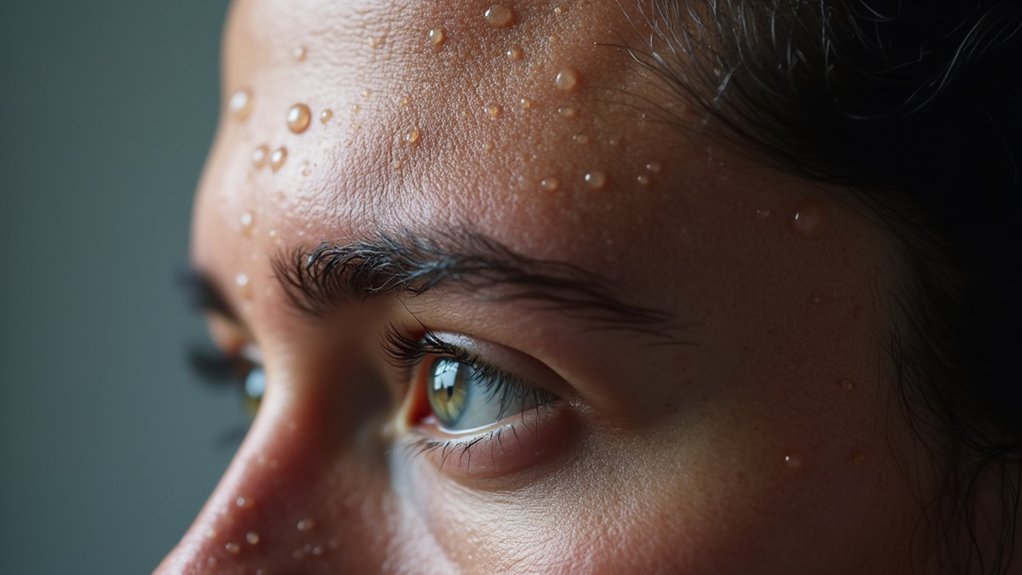
Your body’s endocannabinoid system (ECS) plays a central role in regulating sweat production through a network of receptors, signaling molecules, and enzymes that maintain thermal homeostasis.
CB1 receptors in your hypothalamus modulate thermoregulation by interacting with dopamine, GABA, and opioid peptides. Meanwhile, your skin contains its own cutaneous ECS that controls sweat gland activation through skin thermoregulation mechanisms. This system triggers evaporative cooling when your hypothalamus signals the need for heat dissipation. Sensory receptors on your skin continuously collect data on external temperature and relay this information to the hypothalamus, which then directs corrective actions like sweating to maintain your core temperature. The main physiological function of this cutaneous ECS is to constitutively control proper and well-balanced proliferation, differentiation, and survival of skin cells, including those in sweat glands.
Endocannabinoid enzyme modulation determines how long AEA and 2-AG remain active. FAAH breaks down anandamide while MAGL degrades 2-AG, ensuring precise signaling duration. During withdrawal, this balance falters. Chronic cannabis use downregulates CB1 receptors, and cessation reduces endocannabinoid tone. Your hypothalamus loses its regulatory precision, leading to dysregulated sweat responses as your body struggles to restore equilibrium.
Timeline of Weed Sweats During the Withdrawal Process
Understanding when withdrawal sweats begin, reach their peak, and finally resolve helps you anticipate what’s ahead and prepare accordingly. You’ll typically notice sweating emerge around day three, intensify between days 7-10, and gradually subside over the following weeks. Research shows that symptoms generally last 2-3 weeks before dissipating, which aligns with the typical sweating timeline many people experience. This predictable pattern allows you to work with your healthcare provider to develop targeted strategies for each phase of your withdrawal journey.
When Sweats Begin
When you stop using cannabis after heavy, regular use, withdrawal sweats typically begin within 24 hours of your last dose. Physical symptoms like perspiration and chills often emerge during this initial window, though you may experience day to day variability in their intensity.
Your withdrawal timeline depends on several factors:
- Frequency and duration of your cannabis use, heavier, longer consumption accelerates symptom onset
- Amount of THC consumed regularly, higher doses correlate with earlier withdrawal responses
- Your individual physiology, tolerance levels and metabolism affect timing
You should expect inconsistent symptoms during the first 48 hours. While sweating commonly appears within the first day, symptom severity fluctuates based on your unique usage patterns and biological factors. Over half of regular cannabis users report early-onset withdrawal symptoms. During this critical phase, sweating and other physical symptoms may be mistaken for other ailments, adding to the confusion you might experience.
Peak and Resolution
By days 7-10, you’ll notice significant improvement as your endocannabinoid system rebalances. THC potency and consumption frequency directly influence how quickly your body eliminates stored cannabinoids and restores normal thermoregulation. Heavy users may experience a longer resolution period, with the typical withdrawal timeline spanning 3-4 weeks before sweating episodes fully subside.
Risk Factors That Increase Withdrawal Sweat Severity

Several factors can intensify the severity of sweating you experience during cannabis withdrawal. Heavy, prolonged cannabis use drastically increases your risk, as daily consumption leads to greater CB1 receptor downregulation and more pronounced withdrawal symptoms, including profuse sweating. Co-occurring mental health issues and concurrent use of tobacco, alcohol, or other substances further amplify withdrawal severity, making your sweating episodes more frequent and intense. A thorough initial medical assessment helps identify these underlying health problems or polysubstance use patterns that could lead to more complicated withdrawal experiences.
Heavy, Prolonged Cannabis Use
Heavy, prolonged cannabis use stands as the most significant risk factor for developing severe withdrawal sweats. When you’ve consumed potent cannabis regularly for extended periods, your body undergoes tolerance development that fundamentally alters your endocannabinoid system. Research shows that smoking approximately 2 grams daily leads to severe withdrawal onset within 72 hours.
Consider these critical patterns linked to withdrawal sweat severity:
- Daily consumption of multiple joints correlates directly with autonomic hyperactivity, including excessive perspiration
- Heavy use exceeding 1.5 years precedes withdrawal symptoms lasting 2-3 weeks
- Regular users consuming 3+ times weekly experience peak sweating between days 3-7
Your sweat severity depends on cumulative exposure. The longer and more intensely you’ve used cannabis, the more pronounced your body’s thermoregulatory response becomes during cessation. Withdrawal intensity also varies based on gender, genetic, and environmental factors that influence how your body processes and eliminates cannabinoids. Notably, research indicates that family history of depression is significantly associated with cannabis withdrawal syndrome, which may influence the severity of physical symptoms like sweating.
Co-occurring Mental Health Issues
Co-occurring mental health conditions substantially amplify the severity of cannabis withdrawal sweats and other physical symptoms. If you’re experiencing depression or anxiety alongside cannabis dependence, research shows you’ll likely face more intense withdrawal manifestations. Depressive symptoms alone explain a substantial portion of variance in withdrawal outcomes, while anxiety typically emerges within 24 to 72 hours after cessation.
| Mental Health Factor | Impact on Withdrawal | Duration |
|---|---|---|
| Depression | 34.8% variance in severity | Weeks to months |
| Anxiety | Increases relapse risk | Up to 5 weeks |
| Baseline Craving | Predicts withdrawal intensity | Variable |
You may also experience cognitive impairment and anhedonia during this period. These psychological symptoms create a cycle where discomfort drives relapse, temporarily relieving symptoms but perpetuating dependence.
The Connection Between High-Potency Cannabis and Intense Sweating
When you use high-potency cannabis strains regularly, your endocannabinoid system adapts to elevated THC levels, which creates more pronounced disruption during withdrawal. Cannabis potency interactions directly influence how severely your body responds when you stop using, with withdrawal duration impacts extending from days to several weeks.
Heavy, chronic users of potent strains experience these key differences:
- Night sweats persist longer, often two to three weeks compared to days for lighter users
- Flu-like sweating intensifies within 24-72 hours of cessation
- Profuse perspiration peaks around day three alongside chills and fever
Your metabolism and overall health determine how quickly symptoms subside. While most people improve by week two, prolonged high-potency use correlates with extended recovery timelines.
Cannabis Withdrawal With Clinical Monitoring in Sacramento
Pathways Recovery provides medical detox followed by residential cannabis treatment in a private, small-house setting. Gender-specific programs. 24-hour clinical staff.
Kaiser • Aetna • Cigna • Anthem • BCBS accepted
Cannabinoid Hyperemesis Syndrome and Excessive Sweating
Cannabinoid Hyperemesis Syndrome (CHS) represents a distinct condition that shares sweating symptoms with standard cannabis withdrawal but requires different clinical consideration. CHS primarily affects long-term, frequent users and involves cyclic vomiting, nausea, and abdominal pain alongside excessive perspiration. While standard withdrawal causes thermoregulation disruptions that resolve within two weeks, CHS symptoms only subside with complete cannabis cessation.
You’ll notice CHS-related sweating accompanies flu-like symptoms including fever and chills. These endocannabinoid disruptions create dehydration risks that worsen thirst and dry mouth. Unlike gradual reduction approaches, total abstinence resolves CHS sweating faster.
Managing your symptoms requires consistent hydration, frequent showers, and limiting caffeine intake. If you’re experiencing severe sweating with tremors, medically supervised detox helps monitor complications and prevents dehydration-related seizures. Support from treatment centers proves beneficial for intense cases.
How Mental Health Conditions Amplify Physical Withdrawal Symptoms
Beyond the physical manifestations of CHS, underlying mental health conditions markedly intensify cannabis withdrawal symptoms. When you’re managing pre-existing anxiety or depression, your body’s hormone regulation becomes disrupted during withdrawal, amplifying sweating and heart palpitations. Research shows 72% of CWS cases involve psychiatric comorbidities like PTSD or personality disorders.
Your physiological adaptations to THC cessation interact with mental health vulnerabilities through these mechanisms:
- Anxiety disorders trigger heightened nervous system responses, causing excessive sweating that peaks between days 7-10
- Depression disrupts your body’s stress hormone balance, prolonging physical symptoms for weeks
- Sleep disturbances in 68% of cases create a cycle where insomnia worsens sweating and agitation
Family history of mood disorders correlates with more severe withdrawal presentations, requiring integrated treatment approaches.
Practical Strategies for Managing Weed Sweats at Home
You can effectively manage weed sweats at home by implementing three key strategies. First, maintain consistent hydration by drinking plenty of water and clear fluids to replace what you’re losing through excessive sweating. Simultaneously, optimize your environment by keeping your living space cool, and incorporate relaxation techniques like deep breathing or meditation to help regulate your body’s stress response.
Stay Hydrated Throughout
Adequate fluid intake plays a critical role in managing cannabis withdrawal sweats and preventing the cascade of symptoms that dehydration triggers. Structured rehydration regimens help flush toxins while supporting your body’s readjustment during endocannabinoid system disruption. Electrolyte replacement becomes essential when sweating depletes crucial minerals.
To maintain ideal hydration:
- Drink water consistently throughout the day, don’t wait until you’re thirsty, as dark urine and dizziness signal you’re already dehydrated.
- Enhance plain water with lemon, herbal teas, or electrolyte mixes to maintain interest during low-appetite phases.
- Avoid caffeine and alcohol, which worsen dehydration and intensify anxiety symptoms.
Monitor yourself for severe dehydration signs requiring medical intervention. Pair your hydration efforts with small, balanced meals to stabilize mood and reduce irritability throughout recovery.
Cool Your Environment
When excessive sweating disrupts your sleep and daily comfort during cannabis withdrawal, controlling your immediate environment becomes a practical first-line intervention. Lower your room temperature to 60-68°F using air conditioning or fans, and install a dehumidifier to maintain humidity below 50%. Position your bed away from heat sources and use breathable cotton bedding with lightweight sheets.
You’ll want to adjust sleep schedule routines by taking lukewarm showers before bed to reduce core body temperature. Wear loose-fitting, moisture-wicking fabrics and keep chilled compresses accessible for pulse points. Monitor fluid intake throughout the day to replace what you’re losing through perspiration.
Use cooling gel mattress toppers and avoid hot foods before bed. Track room temperature hourly to maintain the ideal 65°F range for symptom management.
Practice Relaxation Techniques
Beyond environmental adjustments, relaxation techniques offer a direct method to address the autonomic nervous system dysregulation that triggers withdrawal sweats. Mindful breathing exercises reduce panic symptoms by activating your parasympathetic response. When you practice slow inhalation and exhalation during heightened anxiety, you directly counter the physical discomfort causing sweats.
Evidence supports these three approaches for managing withdrawal sweats:
- Deep breathing, Target anxiety-induced sweating through deliberate breath control
- Progressive muscle relaxation, Tense and release muscle groups before bed to combat night sweats
- Calming imagery, Follow 10-15 minute guided visualizations to relax your nervous system
Meditation and gentle yoga further stabilize mood and improve sleep quality. Consistent daily practice helps regulate endocannabinoid system imbalances, reducing both daytime and nocturnal sweating episodes.
When to Seek Professional Help for Cannabis Withdrawal Symptoms
Most cannabis users who quit experience mild to moderate withdrawal symptoms that resolve within two to three weeks, but certain warning signs indicate you need professional medical support.
Seek immediate care if you experience severe symptoms including hallucinations, intense fever, uncontrollable vomiting, or panic attacks. Pre-existing mental health conditions dramatically increase your risk for complicated withdrawal, requiring supervised treatment.
Contact a healthcare provider when aggression, persistent anxiety, or sleep disturbances impair your daily functioning. These symptoms may indicate cannabis use disorder, which affects approximately 47% of regular users.
Professional substance abuse treatment options include cognitive behavioral therapy, medical detox programs, and 12 step support programs like Marijuana Anonymous. SAMHSA’s National Helpline provides free, confidential 24/7 referrals to connect you with appropriate care for your specific needs.
Weed Sweats Are a Sign Your Body Needs Help
Weed sweats and cannabis withdrawal symptoms are your body telling you it is time to seek real support. When drugs or alcohol take over your life, it feels scary, but Pathways Recovery Center in Sacramento can help with luxury drug rehab and alcohol rehab, plus addiction treatment designed for both men and women. Our intensive outpatient substance abuse treatment program gives you the structured care you need, including specialized marijuana addiction treatment and flexible evening IOP programs that fit your schedule. Call us today at (916) 545-8495 and let Pathways Recovery guide you toward lasting healing.
Ready When You Are
White-knuckling the sweats is one option. Clinical support is another.
Insurance verification in about 15 minutes. Confidential and free. Admissions available 24/7.
Frequently Asked Questions
Can Weed Sweats Occur During Sleep or Only When Awake?
You can experience weed sweats both during sleep and while awake. Nighttime perspiration is particularly common during cannabis withdrawal, as your body’s temperature regulation becomes disrupted while you’re sleeping. This sleep disruption often combines with vivid dreams and insomnia, intensifying discomfort. During waking hours, you’ll also notice excessive sweating as part of flu-like withdrawal symptoms. Both states are well-documented, with symptoms typically peaking 2-3 days after your last use.
Do Edibles Cause Different Withdrawal Sweats Than Smoking Cannabis?
No, edibles don’t cause fundamentally different withdrawal sweats than smoking. Your body develops THC dependence regardless of consumption method, producing similar symptoms including sweating. However, edibles potency variations and delayed onset often lead to higher THC intake, potentially intensifying your overall withdrawal experience. Edibles metabolic differences mean THC converts to a stronger compound in your liver, but research hasn’t established this creates distinct sweating patterns during withdrawal specifically.
Will Exercise Make Withdrawal Sweats Better or Worse?
Exercise typically makes withdrawal sweats better, not worse. When you engage in moderate aerobic activity, you activate your endocannabinoid system, which helps regulate sweating and other withdrawal symptoms. Studies show increased exercise duration, around 30 minutes daily, boosts dopamine and elevates plasma AEA levels two- to threefold. A balanced exercise routine combining aerobic activity with strength training restores eCB function, reduces cravings, and attenuates the psychophysical symptoms you’re experiencing during cannabis withdrawal.
How Do Weed Sweats Differ From Regular Anxiety-Related Sweating?
Your weed sweats stem from endocannabinoid system disruption, causing altered body temperature primarily at night during detoxification. They’ll peak within one to two weeks and may persist for months. Anxiety sweats, however, trigger increased heart rate and perspiration episodically through adrenaline surges, resolving once the stressor passes. You’ll notice withdrawal sweats cluster with chills, insomnia, and vivid dreams, while anxiety-related sweating occurs independently without this symptom pattern or fixed timeline.
Can Certain Foods or Supplements Help Reduce Cannabis Withdrawal Sweats?
You can support your body through cannabis withdrawal sweats with strategic dietary changes and herbal supplements. Following a healthy, well-balanced diet helps ease side effects, while staying hydrated with plenty of non-alcoholic fluids reduces sweating intensity. You’ll want to avoid caffeine, as it worsens night sweats and other symptoms. Before trying any herbal supplements, consult your physician to verify they’re safe alongside your detoxification process.