

Several drug categories can trigger nosebleeds through different mechanisms. Blood thinners like warfarin and antiplatelet medications such as aspirin impair your body’s clotting ability. NSAIDs including ibuprofen and naproxen also affect platelet function. Nasal sprays, both steroid and decongestant varieties, can damage your delicate nasal mucosa with prolonged use. Cocaine causes severe vasoconstriction leading to septal perforation. Understanding how specific medications interact with your nasal tissue helps you recognize warning signs and prevention strategies.
Why Certain Drugs Cause Nosebleeds

When you use certain medications or substances, you may notice unexpected nosebleeds, and understanding why helps you take appropriate precautions. Drugs trigger epistaxis through two primary mechanisms: direct mucosal injury or systemic effects on blood clotting.
Intranasal agents like oxymetazoline and intranasal corticosteroids dry and thin your nasal lining, weakening fragile capillaries. Cocaine causes intense vasoconstriction followed by rebound damage, often leading to septal perforation with repeated use.
Systemically, anticoagulant medications and antiplatelet drugs impair your blood’s clotting ability, making even minor nasal trauma bleed longer. Selective serotonin reuptake inhibitors affect platelet function indirectly through serotonin modulation, increasing your epistaxis risk.
Recognizing which substances you’re using, and their specific mechanisms, enables you to monitor symptoms and consult your healthcare provider when needed.
Blood Thinners That Trigger Nosebleeds
Blood thinners rank among the most common medications linked to recurrent or prolonged nosebleeds, and recognizing which ones you’re taking helps you anticipate this risk. Warfarin, prescribed for stroke prevention, impairs clotting and extends bleeding duration. Aspirin and clopidogrel inhibit platelet function, worsening epistaxis severity rather than initiating it. Dabigatran, a newer direct oral anticoagulant, can cause profuse, difficult-to-control nosebleeds requiring emergency intervention. It’s important to understand that anticoagulant medicines prolong bleeding but do not directly cause nosebleeds to occur.
Injectable anticoagulants also pose significant risks. Studies show subcutaneous heparin was used in 41% of COVID-19-related epistaxis cases, while enoxaparin appeared in 20%. Intravenous heparin on continuous infusion accounted for approximately 17% of bleeds. Overall, 90% of studied patients experiencing nosebleeds were taking some anticoagulant form. Research during the COVID-19 pandemic revealed that approximately one-third of epistaxis cases at a Brazilian tertiary hospital involved patients who tested positive for the virus. If you’re prescribed these medications, monitor for frequent or prolonged bleeding and consult your provider promptly.
Pain Relievers That Cause Nosebleeds

Pain relievers you likely have in your medicine cabinet can occasionally trigger nosebleeds through their effects on platelet function. Nonsteroidal anti-inflammatory drugs like ibuprofen, aspirin, and naproxen inhibit clotting mechanisms, increasing epistaxis risk even without direct nasal trauma. Prescription options like celecoxib carry similar bleeding potential despite COX-2 selectivity. Indomethacin and diclofenac are additional NSAIDs that can contribute to nosebleed risk through the same platelet-inhibiting mechanisms.
Common pain relievers linked to nosebleeds:
- Aspirin, thins blood through antiplatelet activity, often prescribed for cardiovascular prevention
- Ibuprofen and naproxen, impair platelet aggregation while reducing inflammation
- Celecoxib, poses bleeding risk despite selective mechanism
If you experience frequent nosebleeds, consider acetaminophen as an alternative. It doesn’t inhibit platelets and remains effective for pain relief. However, you should limit intake to 2g daily and consult your healthcare provider about appropriate management strategies. Advancing age and the use of multiple medications simultaneously are additional predictors that can increase your overall bleeding risk when taking these pain relievers.
Nasal Sprays That Lead to Nosebleeds Over Time
If you use nasal sprays regularly, you should understand how they can contribute to nosebleeds over time. Steroid sprays like fluticasone thin the delicate tissue lining your nasal passages, while decongestant sprays damage blood vessels through repeated cycles of constriction and rebound swelling. Decongestant sprays containing oxymetazoline as the active ingredient should be used no more than twice a day for three days to prevent tissue damage. Prolonged use of either type increases your risk of epistaxis, making it essential to follow recommended usage limits and monitor for early warning signs. Nasal steroid sprays like Flonase can dry out the nose, which damages the tissue and makes bleeding more likely. If nosebleeds occur, stop using the spray for a few days before restarting, and speak to your doctor or pharmacist if the problem persists.
Steroid Sprays Thin Tissue
Although intranasal corticosteroids like fluticasone (Flonase) and mometasone (Nasonex) effectively reduce nasal inflammation, prolonged use can gradually thin the nasal mucosa and weaken blood vessel walls in the septal region. This mucosal atrophy increases vascular fragility nose tissue experiences, making vessels prone to rupture with minimal trauma.
Meta-analyses confirm heightened epistaxis risk compared to placebo across multiple formulations. Nasal mucosa irritation and mucosal dryness compound these effects, while severe cases may progress toward tissue necrosis. These sprays work by reducing swelling and mucus production, but this mechanism contributes to the increased bleeding risk over time. However, it’s worth noting that nasal steroid sprays rarely cause nosebleeds according to clinical evidence and have an excellent safety profile overall. As usual first-line therapy for allergies, these medications remain widely recommended despite the potential for mucosal thinning with extended use.
To minimize nasal dryness bleeding, follow these guidelines:
- Direct spray away from the septum, aiming toward the outer nasal wall
- Maintain upright head positioning with gentle inhalation during administration
- Discontinue use if bleeding occurs and consult your provider before resuming after one month
Decongestants Damage Blood Vessels
When you reach for over-the-counter decongestant sprays like oxymetazoline (Afrin) or xylometazoline, you’re activating adrenergic receptors that rapidly constrict nasal blood vessels and reduce mucosal swelling. This vasoconstriction provides immediate relief from nasal mucosal edema, but continued use beyond three consecutive days sensitizes blood vessels and disrupts normal vascular regulation.
Prolonged use triggers rebound congestion, where vessels enlarge beyond their original size once the medication wears off. This cycle leads to rhinitis medicamentosa, chronic inflammation requiring increasingly frequent applications. Your nasal lining becomes irritated, damaged, and prone to bleeding. The resulting swollen tissues and mucus buildup can also block normal sinus drainage, increasing your risk of developing sinus infections.
Beyond local effects, these medications carry systemic risks. Case reports link chronic decongestant use to cerebral artery vasospasm and hypertensive crisis, with studies documenting stroke cases associated with nasal decongestant use. These sprays also stimulate the release of norepinephrine, a potent vasoconstrictor that further intensifies blood vessel narrowing throughout the body. Limit application strictly to recommended durations. If you’ve been using decongestant sprays for an extended period, stopping abruptly can cause severe congestion and headaches, so you may need a gradual tapering regimen under medical supervision.
Prolonged Use Increases Risk
Nasal decongestant sprays provide rapid relief, yet using them beyond three consecutive days markedly raises your risk of developing rhinitis medicamentosa, a condition where rebound congestion exceeds the original swelling. This cycle drives increased usage, worsening nasal mucosal damage and triggering persistent nosebleeds. Patients who continue decongestant use for more than a week significantly increase their risk of developing this problematic rebound effect.
Key risks from prolonged nasal spray use include:
- Chronic dryness and irritation that impairs your nasal lining’s protective functions
- Heightened susceptibility to infections due to compromised mucosal integrity
- Increased epistaxis risk when combining decongestant sprays with chronic sinusitis
Intranasal corticosteroid risks also warrant attention. Meta-analyses demonstrate a relative epistaxis risk of 1.48 compared to placebo, particularly with fluticasone and mometasone formulations. You can minimize bleeding by angling the spray tip away from your septum and consulting your provider if frequent nosebleeds occur. For patients unable to discontinue decongestant sprays through medical management alone, studies show that 86% successfully stopped using nasal sprays after undergoing safe outpatient surgery. If you experience recurrent or persistent nosebleeds from nasal spray use, you should seek evaluation by an ENT specialist to determine if further treatment is needed. Intranasal corticosteroid risks also warrant attention. Meta-analyses demonstrate a relative epistaxis risk of 1.48 compared to placebo, particularly with fluticasone and mometasone formulations. In discussions about nose drugs name, both prescription nasal sprays and recreational intranasal substances can contribute to nasal irritation when used improperly or excessively. You can minimize bleeding by angling the spray tip away from your septum and consulting your provider if frequent nosebleeds occur. For patients unable to discontinue decongestant sprays through medical management alone, studies show that 86% successfully stopped using nasal sprays after undergoing safe outpatient surgery. If you experience recurrent or persistent nosebleeds from nasal spray use, you should seek evaluation by an ENT specialist to determine if further treatment is needed.
Cocaine and Snorted Drugs That Cause Severe Nosebleeds
When you snort cocaine, the drug’s intense vasoconstrictive properties cut off blood supply to your nasal tissues, causing progressive damage that ranges from mucosal irritation to septal perforation and structural collapse. Studies show that 30-47% of frequent users experience nasal symptoms including recurrent nosebleeds, crusting, and diminished smell, complications that worsen with daily use. Intranasal heroin poses similar risks and has been documented to cause recurrent massive epistaxis that can become life-threatening without medical intervention.
Cocaine’s Nasal Tissue Damage
Cocaine’s direct contact with nasal tissue causes significant damage through multiple mechanisms that make severe nosebleeds nearly inevitable with repeated use.
When you snort cocaine, vasoconstriction immediately reduces blood flow to delicate nasal tissues. This oxygen deprivation causes cell death and makes blood vessels fragile and prone to rupture.
Key damage progression:
- Short-term nasal damage includes bleeding, chronic congestion, ulcerations, and inflammation beginning with initial use
- Cumulative tissue erosion weakens turbinates and exposes underlying vessels to repeated trauma
- Long-term complications involve septal perforation, chronic infections, nasal collapse, and permanent structural deformities
Contaminants like levamisole worsen vasoconstriction effects. Once nosebleeds become frequent, you’ve likely sustained substantial mucosal injury. Damaged tissues cannot self-repair, making early cessation critical to preventing irreversible structural damage.
Intranasal Heroin Bleeding Risks
How severe can nosebleeds become from snorting heroin? Clinical evidence documents life-threatening epistaxis requiring blood transfusions and surgical intervention. Intranasal drug use with heroin causes progressive nasal tissue damage through direct mucosal erosion and inflammation. How severe can nosebleeds become from snorting heroin? Clinical evidence documents life-threatening epistaxis requiring blood transfusions and surgical intervention. When reviewing the timeline of nasal damage from snorting cocaine, clinicians observe a similar pattern of progressive injury driven by direct mucosal erosion and chronic inflammation. Intranasal drug use with heroin likewise causes worsening nasal tissue damage through repeated chemical irritation and impaired blood flow.
When you snort heroin, drug particles irritate and inflame your nasal membranes, leading to chronic nasal inflammation and recurrent bleeding risks. Damaged blood vessels become increasingly vulnerable with each use. Research shows that continued intranasal heroin use after initial bleeding episodes triggers repeated hemorrhages.
The bleeding risks extend beyond minor nosebleeds. You may develop septal perforation, permanent scarring, and heightened overdose vulnerability as compromised tissue allows faster drug absorption. Documented cases demonstrate that cessation stops bleeding episodes, while continued use perpetuates severe complications.
SSRIs and Surprising Drugs That Cause Nosebleeds
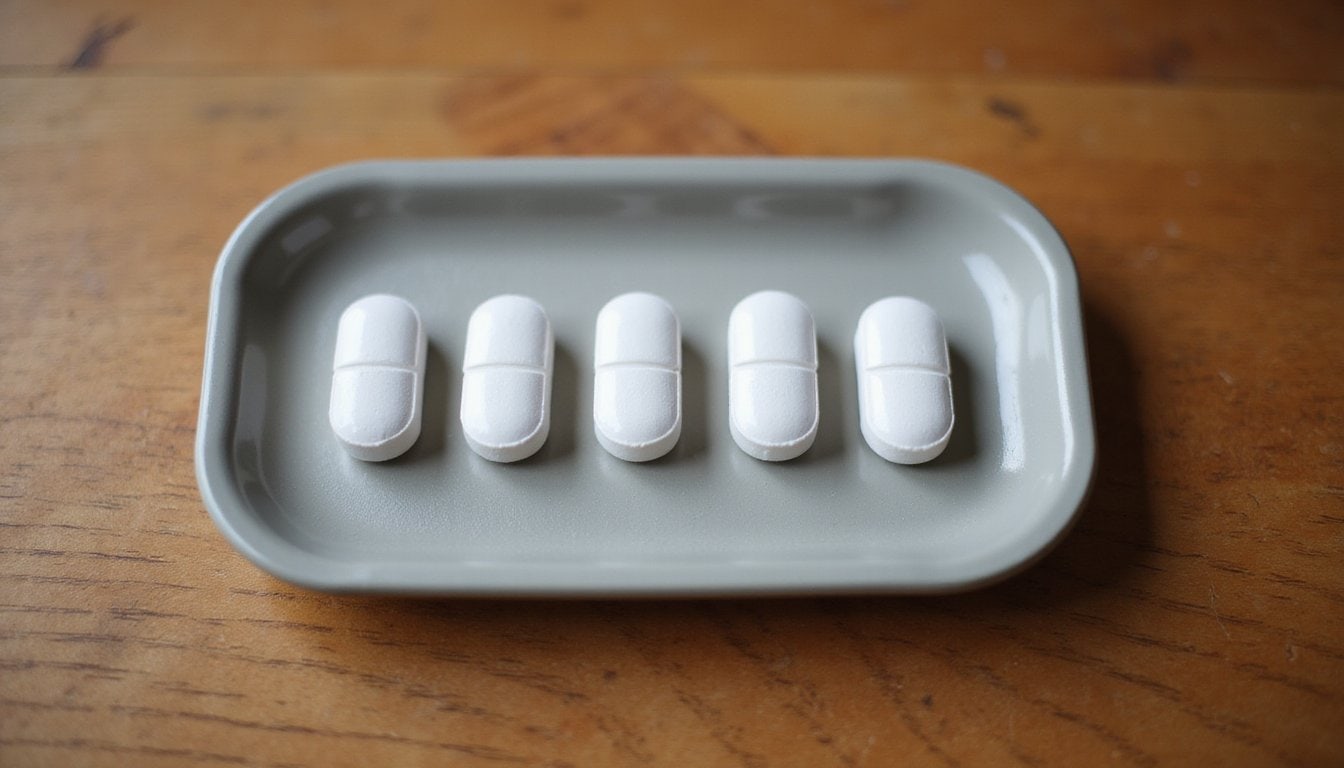
Selective serotonin reuptake inhibitors (SSRIs), medications you might take for depression or anxiety, can cause nosebleeds through a mechanism that surprises many patients. SSRIs like fluoxetine, sertraline, and paroxetine deplete serotonin in platelet dense granules, impairing your blood’s ability to clot effectively. This creates a mild antiplatelet effect that increases epistaxis risk, particularly after several weeks of treatment.
SSRIs deplete serotonin in platelets, impairing clotting and increasing your risk of nosebleeds after several weeks of treatment.
Your bleeding risk escalates considerably when combining SSRIs with:
- NSAIDs, which compound antiplatelet effects
- Warfarin or other oral anticoagulants, raising bleeding risk by 30-70%
- Pre-existing conditions like seasonal allergies that irritate nasal mucosa
Case reports document epistaxis in patients taking escitalopram, especially those with underlying nasal inflammation. If you experience recurrent nosebleeds while on SSRIs, discuss alternative medications or protective strategies with your prescriber.
Alcohol and Nosebleeds: What the Evidence Shows
While prescription medications like SSRIs affect clotting through specific pharmacological pathways, alcohol, consumed by over 85% of American adults at some point, impacts nosebleed risk through multiple overlapping mechanisms.
When you drink, alcohol triggers vasodilation, relaxing and widening nasal blood vessels, which increases their fragility. Simultaneously, alcohol causes platelet dysfunction, impairing your blood’s clotting ability similar to aspirin’s effects. The diuretic properties also dehydrate nasal tissues, promoting nasal irritation and sensitivity.
Research reveals heightened liver enzymes and macrocytosis markers in epistaxis patients, suggesting chronic alcohol abuse contributes extensively. Heavy drinking patterns raise blood pressure, further weakening vessel walls.
If you experience frequent nosebleeds after drinking, this may signal problematic consumption. You should maintain hydration, use saline sprays, and consult your healthcare provider about underlying risks.
Drug Combinations That Make Nosebleeds Worse
Five major drug combinations remarkably amplify your nosebleed risk beyond what any single medication causes alone.
When you combine anticoagulants like warfarin with antiplatelets such as aspirin, you’re simultaneously disrupting clotting factors and platelet function. SSRIs paired with NSAIDs create multiplicative bleeding risk, studies show this combination notably elevates upper gastrointestinal and nasal hemorrhage potential.
Three high-risk combinations requiring monitoring:
- SSRI plus NSAID or anticoagulant therapy, consider paracetamol alternatives
- Anticoagulant-antiplatelet dual therapy, dosage adjustments may be necessary
- Cocaine with methamphetamine, causes severe vasoconstriction, vessel fragility, and chronic nasal inflammation
The cocaine-methamphetamine combination proves particularly damaging, drying and irritating nasal passages while making blood vessels increasingly fragile. If you’re using multiple medications affecting bleeding, consult your prescriber about potential interactions and monitoring requirements.
When to See a Doctor for Drug-Related Nosebleeds
Recognizing when a drug-related nosebleed requires medical attention can prevent serious complications. You should seek immediate care if bleeding persists beyond 20 minutes despite firm pressure, especially when using anticoagulants or antiplatelet drugs. Lightheadedness, difficulty breathing, or blood flowing into your throat signals significant blood loss requiring emergency evaluation.
If you’re taking prescription opioids, chemotherapy agents, or using ketamine, monitor for recurrent episodes occurring more than twice weekly. These patterns warrant specialist consultation, particularly if you have underlying clotting disorders.
Contact your doctor promptly when nosebleeds follow facial trauma, occur alongside easy bruising, or appear with blood in urine or stool. Patients on blood thinners may need INR assessment and potential dose adjustment. Frequent bleeds interfering with daily activities justify otolaryngologist referral for thorough evaluation.
Nosebleeds From Drug Use Are a Sign Your Body Is Screaming for Help
A nosebleed caused by drug use is not just a physical symptom, it is your body desperately begging you to stop and seek the care it so deeply needs. When drugs or alcohol have quietly dismantled your health, your relationships, and every dream you once held close, the pain of it all can feel completely overwhelming, but Best Rehab Center in Sacramento is here to help you rebuild with outstanding rehabilitation, transformative recovery solutions, and deeply personalized addiction care designed for both men and women. Our intensive outpatient program sacramento provides compassionate and structured support with flexible evening iop that works perfectly around your daily life. Call us today at (916) 545-8495 and take the first step toward healing your body and reclaiming the future you deserve.
Frequently Asked Questions
How Long After Stopping a Medication Will Drug-Related Nosebleeds Go Away?
Your nosebleeds won’t stop immediately after discontinuing medication. If you’re taking aspirin or clopidogrel, you’ll need 9-10 days for platelet function to normalize. Warfarin’s effects depend on your INR levels. For intranasal substances, mucosal healing may take weeks to months. You shouldn’t stop prescribed anticoagulants without consulting your healthcare provider, as abrupt discontinuation carries significant risks. Allow up to two weeks for complete nasal tissue recovery.
Can Children Experience Medication-Induced Nosebleeds More Easily Than Adults?
Yes, children can experience medication-induced nosebleeds more easily than adults. Their nasal blood vessels are more delicate and break more readily, amplifying the effects of drugs like nasal steroids, decongestants, and anticoagulants. You’ll also find that children’s frequent nose-picking habits and environmental dryness compound medication-related irritation. While most pediatric cases remain mild and self-resolving, you should consult a healthcare provider if your child experiences frequent or prolonged episodes.
Do Nosebleeds From Drugs Increase Risk of Developing Chronic Sinus Problems?
Yes, drug-induced nosebleeds can increase your risk of chronic sinus problems. When you repeatedly damage your nasal mucosa through substance use, you’re compromising the protective barrier that prevents bacterial and fungal colonization. Cocaine’s vasoconstrictive effects are particularly harmful, they cause tissue ischemia, mucosal atrophy, and impaired healing. Over time, you may develop chronic rhinitis, recurrent sinus infections, or necrotizing sinusitis. Stopping use is essential to halt progression and allow tissue recovery.
Will Switching to a Different Brand of the Same Medication Reduce Nosebleeds?
Switching brands of the same medication won’t likely reduce your nosebleeds. Generic and brand-name versions contain identical active ingredients with equivalent therapeutic effects and side effect profiles. FDA bioequivalence standards guarantee comparable absorption rates, meaning bleeding risks remain consistent across formulations. Clinical evidence shows no significant difference in epistaxis incidence between brand and generic anticoagulants, nasal steroids, or other medications. You should consult your physician about alternative drug classes or protective strategies instead.
Can Dietary Changes Help Reduce Nosebleeds While Taking Blood-Thinning Medications?
Yes, dietary changes can help reduce nosebleeds while you’re taking blood thinners. If you’re on warfarin, maintain consistent vitamin K intake from leafy greens rather than avoiding them entirely, sudden changes disrupt medication balance. You should limit fish oil supplements, high-dose vitamin E, and herbs like ginkgo biloba or garlic, which increase bleeding risk. Stay well-hydrated and consult your doctor before making significant dietary adjustments.