

Nitrous oxide won’t show up on standard 5-panel or 10-panel drug tests. Your body eliminates approximately 99% of the gas through your lungs within minutes, leaving no detectable metabolites in urine or hair samples. Standard screenings target substances that undergo hepatic metabolism, not inhaled gases that bypass these pathways entirely. Only specialized blood tests using gas chromatography can detect nitrous oxide, but the detection window closes within 60, 132 minutes after exposure, making routine identification nearly impossible.
Does Nitrous Oxide Show Up on Standard Drug Tests?
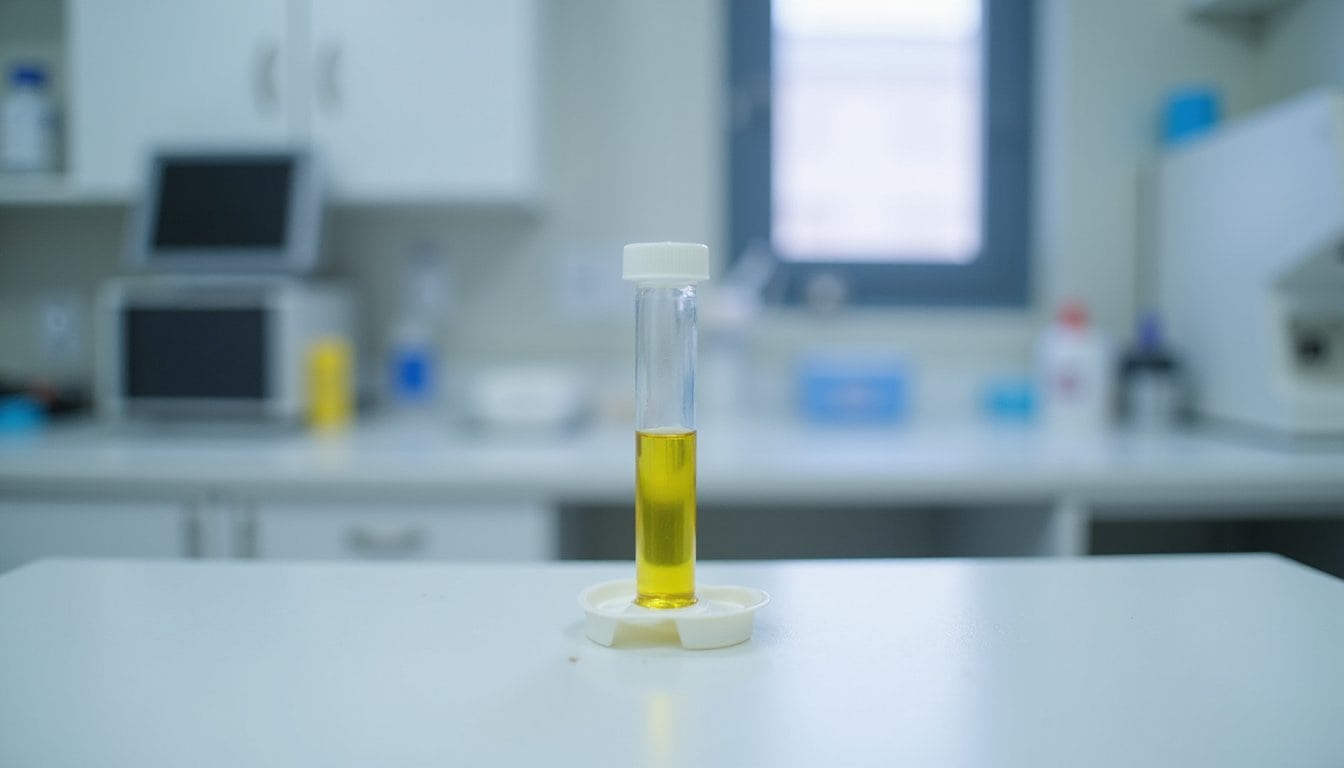
When you’re facing a drug screening, understanding what substances actually appear on standard panels matters. Standard 5-panel and 10-panel tests screen for marijuana, cocaine, opiates, amphetamines, and PCP, nitrous oxide isn’t among them.
So, does nitrous oxide show up on a drug test? The answer is no for routine screenings. Standard protocols exclude inhalants like nitrous oxide because the gas metabolizes rapidly and doesn’t produce lasting metabolites that typical tests detect. Research indicates that only 10% of physicians were aware that nitrous oxide remains undetectable on standard urine screenings.
A nitrous oxide urine test isn’t part of standard workplace or probation screenings. Similarly, a nitrous oxide blood test requires specialized laboratory equipment and court orders. These tests cost approximately $556 compared to $38 for routine urine analysis, making them impractical for standard screening purposes.
Why Urine and Hair Tests Miss Nitrous Oxide
Your body eliminates nitrous oxide within hours, leaving no detectable metabolites for standard urine or hair panels to identify. These tests target substances you ingest orally or inject, compounds that produce stable metabolites persisting in biological samples, not inhaled gases that bypass typical metabolic pathways. Because drug panels aren’t calibrated to detect short-lived gaseous compounds, nitrous oxide passes through your system unnoticed by conventional screening methods. This poses significant challenges for law enforcement attempting to establish impairment, since the effects on driving ability can persist for at least 45 minutes after inhalation even when the gas is no longer present in the body.
Rapid Body Elimination
Nearly all nitrous oxide, approximately 99%, exits your body through the lungs without undergoing significant metabolic breakdown. This explains why whippets drug test results typically come back negative. The gas’s low blood-gas partition coefficient of 0.47 drives rapid diffusion across alveolar membranes, completing elimination within minutes.
Because laboratory detection is difficult, parents and caregivers often focus on behavioral signs when detecting whippet use in teens, such as sudden dizziness, confusion, frequent possession of small gas canisters, or unexplained mood changes shortly after use.
| Property | Value | Detection Impact |
|---|---|---|
| Lung elimination | 99% | No urinary metabolites |
| Half-life (initial) | 2.4 minutes | Rapid clearance |
| Half-life (terminal) | 31 minutes | Brief detection window |
| Blood solubility | Very low | Fast tissue washout |
| Metabolic breakdown | Trace amounts | No measurable byproducts |
When asking “do whippets show up on drug test” panels, the answer is no, does nitrous show on drug tests remains negative because standard screenings can’t capture substances eliminated this rapidly. This rapid elimination also explains why nitrous oxide quickens emergence from anesthesia when used in surgical settings, as patients recover faster compared to other anesthetic agents.
Tests Target Ingested Substances
Standard drug panels screen for substances that leave detectable metabolites in urine or incorporate into hair follicles, criteria that nitrous oxide simply doesn’t meet. When you’re wondering does laughing gas show up on drug test results, understand that these screenings prioritize cannabis, opioids, and amphetamines, compounds your body processes differently than inhaled gases.
Why standard panels miss nitrous oxide:
- Urine tests detect metabolized substances, but nitrous oxide exits unchanged through exhalation
- Hair analysis requires drug incorporation into the follicle shaft, gases don’t bind this way
- No established protocols exist for nitrous oxide in routine screening panels
Can you drug test for whippets using conventional methods? The evidence shows you can’t. Standard employment and medical screenings exclude inhalants entirely, focusing exclusively on ingested controlled substances. Additionally, the mechanism of action for whippets involves the rapid absorption of nitrous oxide into the bloodstream, leading to effects similar to those of alcohol intoxication. However, the short duration of the high often results in repeated use within a single session, raising concerns about health risks.
Gas Versus Drug Panels
Because nitrous oxide behaves fundamentally differently from ingested drugs, routine screening panels simply aren’t equipped to detect it. Standard urine, blood, and hair tests target cannabis, opioids, amphetamines, and other controlled substances that produce lasting metabolites. Nitrous oxide, classified as an inhaled gas, falls entirely outside these parameters.
Your body processes nitrous oxide with remarkable speed, its half-life sits at approximately five minutes in blood. You expel it primarily through your lungs, leaving minimal traceable compounds. Urine concentrations plummet from 120 µg/L to just 1.5-4.9 µg/L within 18 hours.
Hair tests prove equally ineffective. They’re designed to capture long-term metabolite accumulation from ingested substances. The volatile nature of nitrous oxide prevents incorporation into your hair shaft, and no current protocols exist for detecting it through follicle analysis.
Which Blood Tests Can Detect Nitrous Oxide?
If you’re wondering whether blood testing can detect nitrous oxide, you’ll need specialized laboratory analysis using gas chromatography/mass spectrometry (GC/MS), standard blood panels don’t include this volatile gas. Labs like NMS Labs and Quest Diagnostics offer dedicated nitrous oxide blood tests, but the detection window is extremely narrow, typically lasting only 60 to 132 minutes after exposure depending on the quantification threshold used. Your blood sample must be collected in a properly sealed EDTA tube and transported refrigerated to prevent volatile loss, and arterial versus venous sampling may affect results given nitrous oxide’s rapid two-compartment elimination with half-lives of approximately 2.4 and 31 minutes.
Specialized GC/MS Testing Required
When standard drug panels fail to identify nitrous oxide exposure, specialized laboratory testing using gas chromatography-mass spectrometry (GC/MS) becomes necessary. NMS Labs offers test 3214B, which quantifies nitrous oxide in blood using GC/MS methodology. Quest Diagnostics also employs this NMS Labs-developed technique for accurate detection.
You should understand these key testing parameters:
- Specimen requirement: 3 mL whole blood collected in EDTA lavender-top tube
- Reporting cutoff: 1.8 mcg/mL concentration threshold
- Turnaround time: 7 days for results
This testing isn’t FDA-cleared but represents validated laboratory-developed methodology. Forensic applications include confirming intoxication in drivers and investigating mortality cases. Headspace-gas chromatography-mass spectrometry (HS-GC-MS) provides quantitative reference values with a linear range of 0.02, 0.5 mL/mL and detection limits reaching 0.005 mL/mL.
Arterial Versus Venous Blood
Understanding the distinction between arterial and venous blood sampling proves critical for accurate nitrous oxide detection and interpretation of results. Arterial plasma contains considerably higher nitric oxide metabolite concentrations, 45.1 ± 17.7 μmol/L compared to venous levels of 22.5 ± 8.5 μmol/L in healthy subjects. This arterial-venous gradient reflects the body’s systemic nitrite consumption throughout circulation.
You’ll find that arterial samples provide more reliable baseline detection due to predominant endothelial nitric oxide release from arterial vessels. During inhalation studies, arterial nitrite levels increase by 11%, with iron-containing nitrosyl hemoglobin concentrations rising tenfold to micromolar ranges in arterial blood.
S-nitrosohemoglobin demonstrates a reverse pattern, with venous concentrations measuring 126 nM versus arterial concentrations of 42 nM. This differential accumulation pattern indicates active production within systemic circulation and influences testing methodology selection.
Rapid Detection Window Limits
Blood tests for nitrous oxide face significant constraints due to the gas’s rapid elimination from your system. With an initial half-life of just 2.4 minutes and a secondary half-life of 31 minutes, your body clears the substance before most testing scenarios become practical.
Despite this short detection window, the impact of nitrous oxide on health remains an important consideration, as repeated exposure can still affect neurological function and vitamin B12 metabolism even when laboratory confirmation is difficult.
Key Detection Window Limitations:
- Standard detection reaches approximately 62 minutes at the 0.2 mL/L cutoff threshold
- Enhanced sensitivity testing extends detection to 132 minutes using a 0.05 mL/L cutoff
- Specialized gas chromatography techniques can identify exposure up to 60 minutes post-use
These narrow windows mean you’d need testing almost immediately after exposure for reliable results. The rapid metabolism fundamentally limits forensic and clinical utility, making blood-based detection impractical outside controlled research settings or immediate post-incident scenarios.
Can Your Employer or a Court Test for Nitrous Oxide?
Although nitrous oxide remains legal for various commercial purposes, employers and courts face significant practical barriers when attempting to detect its use. Standard workplace drug panels exclude nitrous oxide entirely, focusing instead on controlled substances like opioids and cannabinoids.
| Testing Context | Nitrous Oxide Included? | Detection Method Required |
|---|---|---|
| Employer Screening | No | Specialized blood/urine GC-MS |
| Probation Panels | No | Court-ordered blood analysis |
| Court-Mandated | Yes (select jurisdictions) | Head-space gas chromatography |
You’ll find that courts in certain jurisdictions, including Los Angeles County DCFS, can mandate specialized blood testing through specific referral processes. These tests utilize head-space gas chromatography-mass spectrometry for accurate quantification. However, the 5-15 minute half-life creates narrow detection windows, making practical enforcement challenging even with court authorization.
How Long Does Nitrous Oxide Stay in Your System?
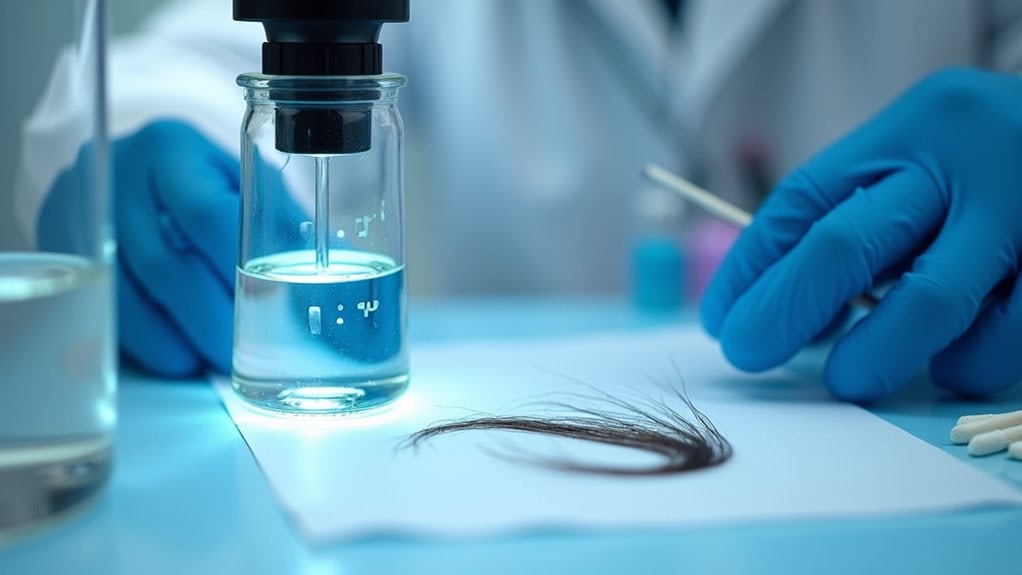
The detection window for nitrous oxide in your system depends heavily on which biological sample is tested and the sensitivity of laboratory equipment used. Blood samples reveal a two-compartment elimination pattern with half-lives of 2.4 and 31 minutes, yielding average detectability of 62 minutes at standard cutoffs.
Your urine presents a slightly longer detection window:
- Single exposure: Detectable for approximately 24 hours under specialized testing conditions
- Repeated recreational use: May extend detectability up to three days due to accumulation effects
- Standard screening: Typically undetectable within a few hours post-use
Factors including your metabolism, hydration status, and frequency of use substantially influence elimination rates. Hospital worker studies documented concentrations declining from 120 µg/L to 1.5-4.9 µg/L within 18 hours.
What Makes Nitrous Oxide So Hard to Detect?
Several unique properties make nitrous oxide exceptionally difficult to detect compared to other recreational substances. Its volatile gaseous state means your body expels it rapidly through exhalation, with a half-life of approximately five minutes in your bloodstream. Unlike drugs that produce detectable metabolites, nitrous oxide doesn’t break down into traceable compounds that standard panels target.
Standard urine, blood, and hair tests aren’t designed to identify inhaled gases. You won’t find nitrous oxide on routine screens for cannabis, opioids, or amphetamines because laboratories lack reliable screening protocols for it. Detection requires specialized headspace-gas chromatography and immediate sample collection within 90 minutes of exposure. Even then, samples lose concentration rapidly upon retesting, and plastic containers fail to preserve the volatile compound effectively compared to glass.
Nitrous Oxide and Drug Tests Reveal More Than You Expect
Wondering whether nitrous oxide shows up on a drug test is often the first sign that its use has grown into something much harder to control than you ever intended. When substances have quietly crept into your life and begun stealing your health, your clarity, and the precious moments you can never get back, the pain of that realization can feel completely overwhelming, but Pathways Rehab in Sacramento is here to stand with you through world class healing, transformative recovery programs, and deeply personalized addiction care designed for both men and women. Our outpatient rehab sacramento california program provides compassionate and structured support with flexible daytime intensive outpatient program built perfectly around your daily routine. Call us today at (916) 545-8495 and take the first step toward a clearer mind and a truly substance free life.
Frequently Asked Questions
Can a Breathalyzer Detect Nitrous Oxide After Recreational Use?
Yes, specialized breathalyzers can detect nitrous oxide after recreational use. Standard alcohol breathalyzers won’t identify it, but infrared spectroscopy devices can measure concentrations as low as 10-20 ppm in your breath. You’ll remain detectable for up to 5 hours post-inhalation, with peak concentrations exceeding 1,000 ppm during the first 20 minutes. Law enforcement increasingly uses portable analyzers specifically designed to identify nitrous oxide exposure in drivers.
Will Nitrous Oxide Affect My Probation Drug Test Results?
Nitrous oxide won’t appear on your standard probation drug test. These panels screen for substances like cannabis, opioids, and amphetamines, not inhaled gases. Your body eliminates nitrous oxide within minutes, and it doesn’t produce detectable metabolites in routine urine, blood, or hair testing. Specialized detection exists but costs $556 per test and isn’t available through typical probation monitoring programs. Standard screening protocols simply don’t include this substance.
Does Prior Nitrous Oxide Use Make Future Detection More Likely?
Yes, prior nitrous oxide use can increase your likelihood of future detection. Studies show that previous exposure elevates your baseline blood and urine concentrations, meaning subsequent use produces higher peak levels. If you’ve used repeatedly, you may retain detectable traces for up to three days compared to 24 hours for first-time users. However, tolerance development can accelerate your metabolism, potentially counteracting this accumulation effect and reducing detection windows.
Are There At-Home Drug Tests That Can Detect Nitrous Oxide?
No, you won’t find at-home drug tests that can detect nitrous oxide. Commercial home testing kits screen for common substances like marijuana, cocaine, opiates, and amphetamines, but they don’t include nitrous oxide in their panels. Detecting this substance requires specialized laboratory techniques such as gas chromatography and mass spectrometry, which aren’t replicable in consumer testing formats. No manufacturers currently produce at-home tests specifically targeting nitrous oxide detection.
Can Dentists Tell if You’ve Recently Used Nitrous Oxide Recreationally?
Dentists generally can’t detect your prior recreational nitrous oxide use through standard clinical methods. They don’t employ routine screening tests for this purpose, and the gas’s short half-life, clearing your system within roughly 60 minutes, makes detection impractical. While advanced laboratory techniques like headspace-gas chromatography, mass spectrometry exist, dental practices don’t deploy them. Your dentist might observe behavioral cues like disorientation, but these aren’t specific enough to confirm recreational use definitively.