

When you take ibuprofen and drink alcohol, you’re creating a dual assault on your body’s protective systems. The combination strips away your stomach’s protective prostaglandins while increasing acid production, raising your risk of gastrointestinal bleeding. Your liver prioritizes processing alcohol, which delays ibuprofen clearance and increases toxicity. Occasional moderate use isn’t typically dangerous, but understanding how these substances interact helps you recognize warning signs and protect yourself from serious complications.
Is It Safe to Take Ibuprofen and Drink Alcohol?
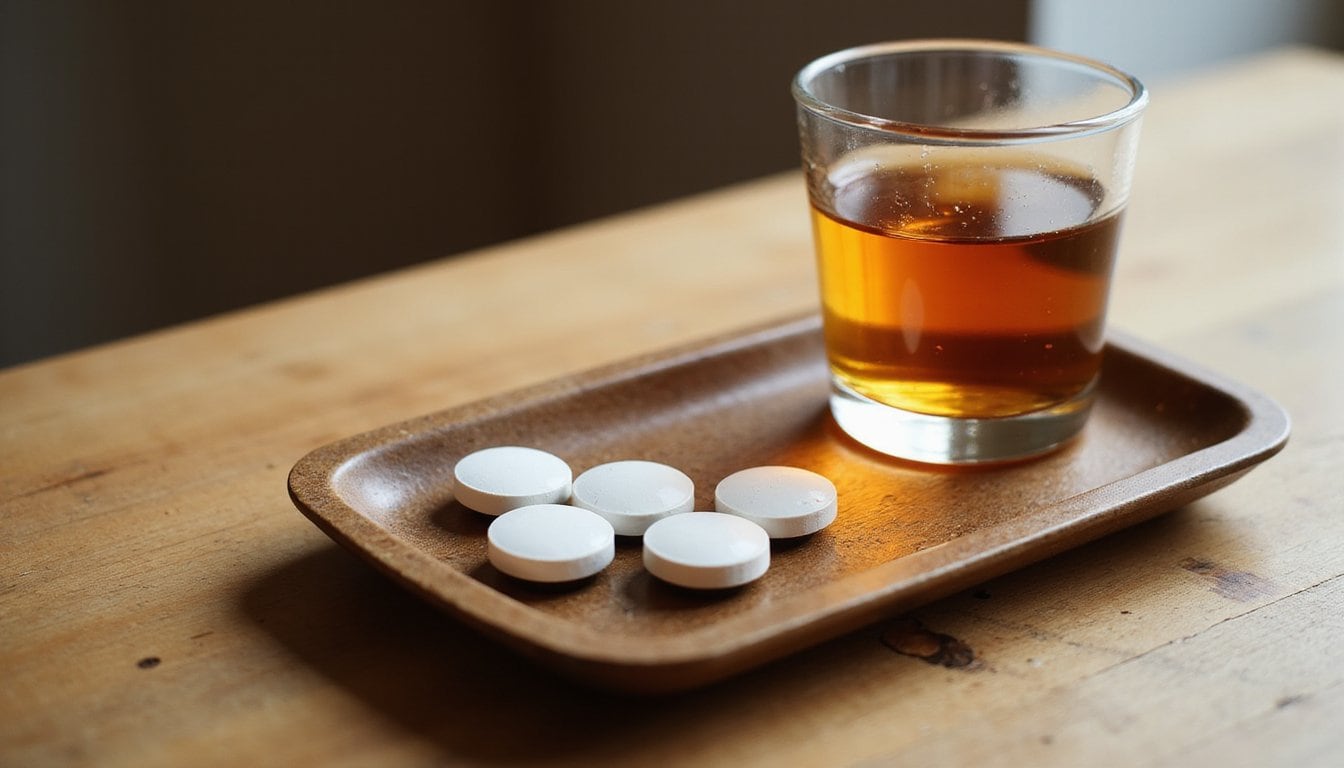
When considering whether to combine ibuprofen with alcohol, the answer depends largely on dosage and frequency of use. Taking an occasional dose of ibuprofen with moderate alcohol consumption, one to two drinks, is generally considered safe by health authorities, including the National Health Service. You’re unlikely to experience serious harm from this combination in small amounts.
However, you should still exercise caution. Both substances independently cause stomach irritation, and combining them amplifies this effect. The safest approach is avoiding the combination entirely when possible. If you’ve taken ibuprofen, waiting at least 10 hours before drinking helps minimize potential issues. Using ibuprofen occasionally for a hangover after light drinking typically won’t cause problems, but making this a regular habit increases your risk profile considerably. The risk of stomach ulcer bleeding increases the longer you continue taking ibuprofen, making prolonged use particularly concerning when alcohol is involved. Additionally, combining these substances can significantly increase the risk of kidney damage, especially with long-term use. The combination can also cause decreased alertness and coordination, including drowsiness, slowed reaction times, and confusion that may increase your risk of accidents.
How Ibuprofen and Alcohol Interact in Your Body
Understanding safety guidelines helps you make informed choices, but knowing exactly how these substances interact at a physiological level reveals why those precautions matter.
When you consume both substances, your liver metabolism prioritizes alcohol processing, delaying ibuprofen clearance. Normal clearance takes approximately 10 hours, but competition for hepatic pathways can extend this considerably, increasing toxicity risk.
Both substances thin your blood independently. Combined, they create additive clotting impairment that elevates gastrointestinal bleeding risk greatly.
Gastrointestinal irritation intensifies when alcohol triggers increased stomach acid while ibuprofen depletes protective mucosal layers. High-dose ibuprofen users already experience three times higher digestive bleeding rates, alcohol compounds this damage. This occurs because ibuprofen blocks the enzyme that creates prostaglandins, which normally protect your stomach’s mucous lining.
Your kidney function faces additional strain since NSAIDs impair renal performance, and alcohol consumption during use may accelerate kidney disease development. If you’re concerned about how these substances affect your body, understanding how long alcohol stays in one’s system can help you time medication use more safely.
How Ibuprofen and Alcohol Damage Your Stomach

Both ibuprofen and alcohol independently damage your stomach’s protective barriers, but their combined effect creates a markedly more hostile environment for your digestive tract. When you take ibuprofen, both substances reduce the prostaglandins that shield your stomach lining. Alcohol simultaneously increases stomach acid production, intensifying the damage.
This combination considerably elevates your risk of stomach damage, gastrointestinal bleeding, and peptic ulcers. Regular ibuprofen use alone raises GI bleeding risk threefold to fivefold, adding alcohol substantially amplifies this danger. Research shows that oxidative stress from reactive oxygen species generation during alcohol metabolism plays a key role in this increased liver and tissue damage. Long-term abuse of both substances can also result in impaired kidney function.
Watch for warning signs: severe abdominal cramping, nausea, vomiting blood, dizziness, or shortness of breath. These symptoms indicate potential internal bleeding requiring immediate attention.
Your kidneys also face increased strain processing both substances simultaneously. To minimize harm, take ibuprofen with food and avoid alcohol during treatment. You should wait at least ten hours after taking ibuprofen before consuming any alcohol to reduce the risk of these complications.
The Strain Ibuprofen and Alcohol Put on Your Kidneys and Liver
When you combine ibuprofen and alcohol, your kidneys and liver bear the brunt of processing both substances simultaneously. Alcohol causes dehydration that reduces kidney function, while ibuprofen restricts blood flow to these organs, together, they markedly impair your kidneys’ filtration rate. Your liver faces similar strain as it prioritizes alcohol metabolism, delaying ibuprofen clearance and increasing your risk of toxic buildup and oxidative damage. Even therapeutic levels of ibuprofen can induce liver and kidney injury when combined with alcohol consumption. Over time, excessive consumption of both substances can lead to serious conditions including toxic hepatitis and fatty liver disease.
Kidney Function Under Stress
Your kidneys filter approximately 200 quarts of blood daily, removing toxins and waste products, including alcohol, from your system. When you drink, alcohol strain increases your kidneys’ workload considerably as they process this toxin for excretion.
The ibuprofen mechanism compounds this stress. NSAIDs inhibit COX enzymes, which temporarily impairs kidney filtration efficiency. Your kidneys must now work harder while operating at reduced capacity, a problematic combination.
This dual burden creates measurable risk. The National Kidney Foundation reports that regular heavy drinking doubles chronic kidney disease risk. Adding ibuprofen amplifies potential damage, particularly if you have pre-existing renal issues. Older adults face higher risks because kidney and liver function naturally decline with age.
Watch for warning signs: swelling in your hands, ankles, or feet; decreased urination; unusual fatigue; or shortness of breath. These symptoms indicate your kidneys are struggling under combined exposure.
Liver Toxicity Risks
While your kidneys bear substantial processing burden from this combination, your liver faces equally serious toxicity risks. When you’re wondering “can you drink while taking ibuprofen,” understand that both substances compete for the same CYP2E1 enzyme pathway. This competition generates excessive reactive oxygen species, creating oxidative stress that damages liver cells.
Is drinking on ibuprofen bad for your liver? The evidence shows mitochondrial vulnerability increases considerably under combined exposure. Your liver’s natural antioxidant defenses become depleted, allowing cellular damage to accumulate. At ibuprofen doses of 2,400 mg daily or higher, heightened liver enzymes signal metabolic distress.
Toxic hepatitis can develop either rapidly or over months of concurrent use. While symptoms may resolve after stopping exposure, structural liver damage can persist permanently, particularly in individuals with pre-existing hepatic conditions.
Why Ibuprofen and Alcohol Slow Your Reflexes

The combination of ibuprofen and alcohol creates a dual depressant effect that directly impairs your reflexes and reaction times. When you’re drinking on ibuprofen, alcohol’s depressant properties cause sluggishness and decreased alertness, while ibuprofen promotes body relaxation that can lead to drowsiness.
Can you drink alcohol while taking ibuprofen safely if you need to drive? The CDC states it’s never safe to operate vehicles after mixing these substances. The combined effects produce disorientation, poor coordination, and delayed reaction times that compromise your motor skills and balance. Older adults are particularly vulnerable to these effects due to age-related changes in how their bodies metabolize alcohol.
You’ll likely experience impaired judgment, confusion, and excessive sleepiness that affects your ability to function normally. This heightened sedation increases accident risk and makes any activity requiring alertness potentially hazardous to yourself and others. Alcohol works by slowing down the chemicals and pathways that send messages to brain cells, which compounds the sedative effects when combined with ibuprofen.
How to Take Ibuprofen Safely When You Drink
If you’re going to drink while taking ibuprofen, you’ll need to follow specific precautions to minimize your risk of gastrointestinal and renal complications. Always take ibuprofen with food to protect your stomach lining, keep alcohol consumption within moderate limits, no more than one drink for women or two for men, and never exceed the recommended ibuprofen dosage on the packaging. These three practices work together to reduce the combined strain both substances place on your body.
Take Ibuprofen With Food
Why does food matter when you’re combining ibuprofen with alcohol? Both substances irritate your stomach lining independently, and together they amplify mucosal damage. Food creates a protective barrier that buffers stomach acid, acid that alcohol actively increases even from a single drink.
When you take ibuprofen with a meal or snack, you minimize your risk of gastric ulcers and bleeding. Research shows high-dose ibuprofen users are three times more likely to experience GI bleeding without food protection.
Follow your packaging instructions carefully. If you’ve had alcohol, eat a small meal before taking ibuprofen. Switch to water afterward and avoid additional drinks. For chronic use or high doses, never skip the food buffer.
Watch for warning signs like tar-like stools or blood in vomit, these require immediate medical attention regardless of food intake.
Limit Alcohol Intake
According to NHS guidelines, consuming small quantities of alcohol while taking ibuprofen is generally considered safe, but you’ll need to stay within moderate limits to minimize stomach irritation and more serious complications. Heavy drinking drastically raises your risk of gastric ulcers, digestive tract bleeding, and kidney damage. The National Kidney Foundation reports that heavy alcohol intake doubles chronic kidney disease risk, a concern that compounds when you’re also taking ibuprofen.
Beer, wine, and liquor carry equal risks when combined with this medication. If you’ve already consumed a small-to-moderate amount of alcohol, avoid drinking more while ibuprofen remains active in your system. Switch to water and eat a light snack to reduce stomach upset. Don’t drive, as the combination heightens impairment and accident risk.
Follow Dosage Instructions
Beyond moderating your alcohol intake, following precise dosage guidelines becomes your next line of defense against harmful interactions. Over-the-counter ibuprofen carries a maximum daily limit of 1200mg, with single doses ranging from 200-400mg. Exceeding these thresholds greatly amplifies your risk of gastrointestinal bleeding when alcohol enters the equation.
Key dosage protocols to follow:
- Never exceed the recommended amount printed on packaging, higher doses heighten stomach irritation from alcohol
- Take ibuprofen with food or milk to buffer digestive tract irritation
- Wait at least 10 hours after your last ibuprofen dose before consuming alcohol
- Allow 4-6 hours after drinking before taking ibuprofen; extend to 24 hours following heavy intake
These timing strategies prevent both substances from straining your stomach lining and kidneys simultaneously. Since both ibuprofen and alcohol are metabolized in the liver, combining them can stress this vital organ and contribute to long-term damage.
Warning Signs That Need Immediate Medical Attention
Certain symptoms signal a medical emergency when you’ve combined alcohol with ibuprofen and require immediate attention. Watch for signs of gastrointestinal bleeding: vomiting blood or material resembling coffee grounds, black or tarry stools, and severe abdominal pain. Feeling faint or dizzy alongside these symptoms indicates potentially dangerous blood loss.
Kidney damage presents as decreased urine output, swelling in your legs or ankles, and unexplained fatigue. If you experience shortness of breath with fluid retention, seek care immediately.
Central nervous system effects include excessive drowsiness and impaired coordination from combined depressant actions. Don’t ignore persistent nausea or cramping that continues after you’ve stopped taking both substances.
Chronic heavy drinkers face heightened risks. If you notice any of these warning signs, contact emergency services without delay.
Frequently Asked Questions
How Long Should I Wait After Taking Ibuprofen Before Drinking Alcohol?
You should wait at least 10 hours after taking ibuprofen before drinking alcohol. This allows the medication to clear your system, as ibuprofen’s half-life ranges from 2-4 hours, meaning it takes approximately 10 hours for complete elimination. If you’re taking higher doses or extended-release formulations, you’ll need to wait longer. Don’t rush this timeline, combining these substances strains your stomach, kidneys, and liver, potentially causing serious complications.
Can I Take Ibuprofen the Morning After a Night of Drinking?
You can generally take ibuprofen the morning after drinking once alcohol has cleared your system, typically 12-24 hours after your last drink, depending on consumption. However, if you’re experiencing hangover-related stomach irritation, ibuprofen may worsen gastric discomfort since both substances irritate the stomach lining. Consider waiting until you’ve eaten and hydrated adequately. If you drink heavily or frequently, consult your doctor before taking ibuprofen due to increased gastrointestinal and liver risks.
Does Ibuprofen Help Cure a Hangover or Make It Worse?
Ibuprofen doesn’t cure a hangover, it only masks headache pain temporarily. It can actually make things worse by further irritating your already alcohol-inflamed stomach lining, increasing your risk of nausea, cramping, and gastrointestinal bleeding. Your kidneys are also working overtime to process last night’s alcohol, and adding ibuprofen strains them further. You’re better off hydrating, eating bland foods, and resting while your body naturally recovers.
Are Other Pain Relievers Safer Than Ibuprofen When Drinking Alcohol?
No pain reliever is truly safe to combine with alcohol. Acetaminophen poses serious liver toxicity risks when mixed with drinking, while aspirin shares ibuprofen’s gastrointestinal bleeding concerns. If you must take something, acetaminophen at doses under 3,000mg daily carries slightly lower GI risk than NSAIDs, but you shouldn’t exceed two drinks. Your safest approach is separating alcohol consumption from any pain medication by several hours.
How Much Alcohol Is Considered Too Much When Taking Ibuprofen?
You shouldn’t exceed moderate drinking, typically one drink daily for women and two for men, while taking ibuprofen. Heavy drinking drastically increases your risk of gastrointestinal bleeding, ulcers, and kidney damage. Even small amounts can irritate your stomach lining, but exceeding moderate thresholds triggers more severe side effects. If you’re taking ibuprofen regularly, you’ll want to minimize alcohol intake entirely, as prolonged combined use amplifies organ toxicity risks tremendouslyibuprofen and alcohol independently damage your stomach’s protective barriers, but their combined effect creates a markedly more hostile environment for your digestive tract. When you take ibuprofen, both substances reduce the prostaglandins that shield your stomach lining. Alcohol simultaneously increases stomach acid production, intensifying the damage.
This combination considerably elevates your risk of stomach damage, gastrointestinal bleeding, and peptic ulcers. Regular ibuprofen use alone raises GI bleeding risk threefold to fivefold, adding alcohol substantially amplifies this danger. Research shows that oxidative stress from reactive oxygen species generation during alcohol metabolism plays a key role in this increased liver and tissue damage. Long-term abuse of both substances can also result in impaired kidney function.
Watch for warning signs: severe abdominal cramping, nausea, vomiting blood, dizziness, or shortness of breath. These symptoms indicate potential internal bleeding requiring immediate attention.
Your kidneys also face increased strain processing both substances simultaneously. To minimize harm, take ibuprofen with food and avoid alcohol during treatment. You should wait at least ten hours after taking ibuprofen before consuming any alcohol to reduce the risk of these complications.
The Strain Ibuprofen and Alcohol Put on Your Kidneys and Liver
When you combine ibuprofen and alcohol, your kidneys and liver bear the brunt of processing both substances simultaneously. Alcohol causes dehydration that reduces kidney function, while ibuprofen restricts blood flow to these organs, together, they markedly impair your kidneys’ filtration rate. Your liver faces similar strain as it prioritizes alcohol metabolism, delaying ibuprofen clearance and increasing your risk of toxic buildup and oxidative damage. Even therapeutic levels of ibuprofen can induce liver and kidney injury when combined with alcohol consumption. Over time, excessive consumption of both substances can lead to serious conditions including toxic hepatitis and fatty liver disease.
Kidney Function Under Stress
Your kidneys filter approximately 200 quarts of blood daily, removing toxins and waste products, including alcohol, from your system. When you drink, alcohol strain increases your kidneys’ workload considerably as they process this toxin for excretion.
The ibuprofen mechanism compounds this stress. NSAIDs inhibit COX enzymes, which temporarily impairs kidney filtration efficiency. Your kidneys must now work harder while operating at reduced capacity, a problematic combination.
This dual burden creates measurable risk. The National Kidney Foundation reports that regular heavy drinking doubles chronic kidney disease risk. Adding ibuprofen amplifies potential damage, particularly if you have pre-existing renal issues. Older adults face higher risks because kidney and liver function naturally decline with age.
Watch for warning signs: swelling in your hands, ankles, or feet; decreased urination; unusual fatigue; or shortness of breath. These symptoms indicate your kidneys are struggling under combined exposure.
Liver Toxicity Risks
While your kidneys bear substantial processing burden from this combination, your liver faces equally serious toxicity risks. When you’re wondering “can you drink while taking ibuprofen,” understand that both substances compete for the same CYP2E1 enzyme pathway. This competition generates excessive reactive oxygen species, creating oxidative stress that damages liver cells.
Is drinking on ibuprofen bad for your liver? The evidence shows mitochondrial vulnerability increases considerably under combined exposure. Your liver’s natural antioxidant defenses become depleted, allowing cellular damage to accumulate. At ibuprofen doses of 2,400 mg daily or higher, heightened liver enzymes signal metabolic distress.
Toxic hepatitis can develop either rapidly or over months of concurrent use. While symptoms may resolve after stopping exposure, structural liver damage can persist permanently, particularly in individuals with pre-existing hepatic conditions.
Why Ibuprofen and Alcohol Slow Your Reflexes
The combination of ibuprofen and alcohol creates a dual depressant effect that directly impairs your reflexes and reaction times. When you’re drinking on ibuprofen, alcohol’s depressant properties cause sluggishness and decreased alertness, while ibuprofen promotes body relaxation that can lead to drowsiness.
Can you drink alcohol while taking ibuprofen safely if you need to drive? The CDC states it’s never safe to operate vehicles after mixing these substances. The combined effects produce disorientation, poor coordination, and delayed reaction times that compromise your motor skills and balance. Older adults are particularly vulnerable to these effects due to age-related changes in how their bodies metabolize alcohol.
You’ll likely experience impaired judgment, confusion, and excessive sleepiness that affects your ability to function normally. This heightened sedation increases accident risk and makes any activity requiring alertness potentially hazardous to yourself and others. Alcohol works by slowing down the chemicals and pathways that send messages to brain cells, which compounds the sedative effects when combined with ibuprofen.
How to Take Ibuprofen Safely When You Drink
If you’re going to drink while taking ibuprofen, you’ll need to follow specific precautions to minimize your risk of gastrointestinal and renal complications. Always take ibuprofen with food to protect your stomach lining, keep alcohol consumption within moderate limits, no more than one drink for women or two for men, and never exceed the recommended ibuprofen dosage on the packaging. These three practices work together to reduce the combined strain both substances place on your body.
Take Ibuprofen With Food
Why does food matter when you’re combining ibuprofen with alcohol? Both substances irritate your stomach lining independently, and together they amplify mucosal damage. Food creates a protective barrier that buffers stomach acid, acid that alcohol actively increases even from a single drink.
When you take ibuprofen with a meal or snack, you minimize your risk of gastric ulcers and bleeding. Research shows high-dose ibuprofen users are three times more likely to experience GI bleeding without food protection.
Follow your packaging instructions carefully. If you’ve had alcohol, eat a small meal before taking ibuprofen. Switch to water afterward and avoid additional drinks. For chronic use or high doses, never skip the food buffer.
Watch for warning signs like tar-like stools or blood in vomit, these require immediate medical attention regardless of food intake.
Limit Alcohol Intake
According to NHS guidelines, consuming small quantities of alcohol while taking ibuprofen is generally considered safe, but you’ll need to stay within moderate limits to minimize stomach irritation and more serious complications. Heavy drinking drastically raises your risk of gastric ulcers, digestive tract bleeding, and kidney damage. The National Kidney Foundation reports that heavy alcohol intake doubles chronic kidney disease risk, a concern that compounds when you’re also taking ibuprofen.
Beer, wine, and liquor carry equal risks when combined with this medication. If you’ve already consumed a small-to-moderate amount of alcohol, avoid drinking more while ibuprofen remains active in your system. Switch to water and eat a light snack to reduce stomach upset. Don’t drive, as the combination heightens impairment and accident risk.
Follow Dosage Instructions
Beyond moderating your alcohol intake, following precise dosage guidelines becomes your next line of defense against harmful interactions. Over-the-counter ibuprofen carries a maximum daily limit of 1200mg, with single doses ranging from 200-400mg. Exceeding these thresholds greatly amplifies your risk of gastrointestinal bleeding when alcohol enters the equation. Beer, wine, and liquor carry equal risks when combined with this medication. If you’ve already consumed a small-to-moderate amount of alcohol, avoid drinking more while ibuprofen remains active in your system. Switch to water and eat a light snack to reduce stomach upset, and don’t drive, as the combination heightens impairment and accident risk.Beyond moderating your alcohol intake, following precise dosage guidelines becomes your next line of defense against harmful interactions. Over-the-counter ibuprofen carries a maximum daily limit of 1200 mg, with single doses typically ranging from 200, 400 mg. Understanding ibuprofen dosage and alcohol is critical, because exceeding these thresholds greatly amplifies your risk of gastrointestinal bleeding once alcohol enters the equation.
Key dosage protocols to follow:
Never exceed the recommended amount printed on packaging, higher doses heighten stomach irritation from alcohol
Take ibuprofen with food or milk to buffer digestive tract irritation
Wait at least 10 hours after your last ibuprofen dose before consuming alcohol
Allow 4-6 hours after drinking before taking ibuprofen; extend to 24 hours following heavy intake Never exceed the recommended amount printed on the packaging, as higher doses can significantly increase stomach irritation when alcohol is involved. Always take ibuprofen with food or milk to help buffer digestive tract irritation and reduce gastrointestinal risk. You should also wait at least 10 hours after your last ibuprofen dose before consuming alcohol. After drinking, allow 4, 6 hours before taking ibuprofen, and extend this to up to 24 hours following heavy alcohol intake. Following these precautions, and understanding ibuprofen alcohol how long to wait, helps protect your stomach, liver, and kidneys.
These timing strategies prevent both substances from straining your stomach lining and kidneys simultaneously. Since both ibuprofen and alcohol are metabolized in the liver, combining them can stress this vital organ and contribute to long-term damage.
Warning Signs That Need Immediate Medical Attention
Certain symptoms signal a medical emergency when you’ve combined alcohol with ibuprofen and require immediate attention. Watch for signs of gastrointestinal bleeding: vomiting blood or material resembling coffee grounds, black or tarry stools, and severe abdominal pain. Feeling faint or dizzy alongside these symptoms indicates potentially dangerous blood loss.
Kidney damage presents as decreased urine output, swelling in your legs or ankles, and unexplained fatigue. If you experience shortness of breath with fluid retention, seek care immediately.
Central nervous system effects include excessive drowsiness and impaired coordination from combined depressant actions. Don’t ignore persistent nausea or cramping that continues after you’ve stopped taking both substances.
Chronic heavy drinkers face heightened risks. If you notice any of these warning signs, contact emergency services without delay.
Frequently Asked Questions
How Long Should I Wait After Taking Ibuprofen Before Drinking Alcohol?
You should wait at least 10 hours after taking ibuprofen before drinking alcohol. This allows the medication to clear your system, as ibuprofen’s half-life ranges from 2-4 hours, meaning it takes approximately 10 hours for complete elimination. If you’re taking higher doses or extended-release formulations, you’ll need to wait longer. Don’t rush this timeline, combining these substances strains your stomach, kidneys, and liver, potentially causing serious complications.
Can I Take Ibuprofen the Morning After a Night of Drinking?
You can generally take ibuprofen the morning after drinking once alcohol has cleared your system, typically 12-24 hours after your last drink, depending on consumption. However, if you’re experiencing hangover-related stomach irritation, ibuprofen may worsen gastric discomfort since both substances irritate the stomach lining. Consider waiting until you’ve eaten and hydrated adequately. If you drink heavily or frequently, consult your doctor before taking ibuprofen due to increased gastrointestinal and liver risks.
Does Ibuprofen Help Cure a Hangover or Make It Worse?
Ibuprofen doesn’t cure a hangover, it only masks headache pain temporarily. It can actually make things worse by further irritating your already alcohol-inflamed stomach lining, increasing your risk of nausea, cramping, and gastrointestinal bleeding. Your kidneys are also working overtime to process last night’s alcohol, and adding ibuprofen strains them further. You’re better off hydrating, eating bland foods, and resting while your body naturally recovers.
Are Other Pain Relievers Safer Than Ibuprofen When Drinking Alcohol?
No pain reliever is truly safe to combine with alcohol. Acetaminophen poses serious liver toxicity risks when mixed with drinking, while aspirin shares ibuprofen’s gastrointestinal bleeding concerns. If you must take something, acetaminophen at doses under 3,000mg daily carries slightly lower GI risk than NSAIDs, but you shouldn’t exceed two drinks. Your safest approach is separating alcohol consumption from any pain medication by several hours.
How Much Alcohol Is Considered Too Much When Taking Ibuprofen?
You shouldn’t exceed moderate drinking, typically one drink daily for women and two for men, while taking ibuprofen. Heavy drinking drastically increases your risk of gastrointestinal bleeding, ulcers, and kidney damage. Even small amounts can irritate your stomach lining, but exceeding moderate thresholds triggers more severe side effects. If you’re taking ibuprofen regularly, you’ll want to minimize alcohol intake entirely, as prolonged combined use amplifies organ toxicity risks tremendously.aking ibuprofen; extend to 24 hours following heavy intake
These timing strategies prevent both substances from straining your stomach lining and kidneys simultaneously. Since both ibuprofen and alcohol are metabolized in the liver, combining them can stress this vital organ and contribute to long-term damage.
Warning Signs That Need Immediate Medical Attention
Certain symptoms signal a medical emergency when you’ve combined alcohol with ibuprofen and require immediate attention. Watch for signs of gastrointestinal bleeding: vomiting blood or material resembling coffee grounds, black or tarry stools, and severe abdominal pain. Feeling faint or dizzy alongside these symptoms indicates potentially dangerous blood loss.
Kidney damage presents as decreased urine output, swelling in your legs or ankles, and unexplained fatigue. If you experience shortness of breath with fluid retention, seek care immediately.
Central nervous system effects include excessive drowsiness and impaired coordination from combined depressant actions. Don’t ignore persistent nausea or cramping that continues after you’ve stopped taking both substances.
Chronic heavy drinkers face heightened risks. If you notice any of these warning signs, contact emergency services without delay.
Drinking While Taking Ibuprofen Is a Risk Your Body Cannot Afford
Drinking alcohol while taking ibuprofen puts your stomach, liver, and kidneys under a level of stress that can lead to serious and irreversible damage over time. When alcohol has quietly tightened its grip on your life and every day feels like a battle you are fighting completely alone, please know that hope and healing are closer than you think, and best outpatient rehab services in Sacramento is here to embrace you with exceptional care, proven recovery programs, and deeply personalized addiction treatment designed for both men and women. Our outpatient rehab sacramento california program offers compassionate and structured support, including specialized alcohol addiction treatment Sacramento services and flexible day iop program that fits perfectly around your daily routine. Call us today at (916) 545-8495 and take the first step toward healing your body and reclaiming the life you truly deserve.
Frequently Asked Questions
How Long Should I Wait After Taking Ibuprofen Before Drinking Alcohol?
You should wait at least 10 hours after taking ibuprofen before drinking alcohol. This allows the medication to clear your system, as ibuprofen’s half-life ranges from 2-4 hours, meaning it takes approximately 10 hours for complete elimination. If you’re taking higher doses or extended-release formulations, you’ll need to wait longer. Don’t rush this timeline, combining these substances strains your stomach, kidneys, and liver, potentially causing serious complications.
Can I Take Ibuprofen the Morning After a Night of Drinking?
You can generally take ibuprofen the morning after drinking once alcohol has cleared your system, typically 12-24 hours after your last drink, depending on consumption. However, if you’re experiencing hangover-related stomach irritation, ibuprofen may worsen gastric discomfort since both substances irritate the stomach lining. Consider waiting until you’ve eaten and hydrated adequately. If you drink heavily or frequently, consult your doctor before taking ibuprofen due to increased gastrointestinal and liver risks.
Does Ibuprofen Help Cure a Hangover or Make It Worse?
Ibuprofen doesn’t cure a hangover, it only masks headache pain temporarily. It can actually make things worse by further irritating your already alcohol-inflamed stomach lining, increasing your risk of nausea, cramping, and gastrointestinal bleeding. Your kidneys are also working overtime to process last night’s alcohol, and adding ibuprofen strains them further. You’re better off hydrating, eating bland foods, and resting while your body naturally recovers.
Are Other Pain Relievers Safer Than Ibuprofen When Drinking Alcohol?
No pain reliever is truly safe to combine with alcohol. Acetaminophen poses serious liver toxicity risks when mixed with drinking, while aspirin shares ibuprofen’s gastrointestinal bleeding concerns. If you must take something, acetaminophen at doses under 3,000mg daily carries slightly lower GI risk than NSAIDs, but you shouldn’t exceed two drinks. Your safest approach is separating alcohol consumption from any pain medication by several hours.
How Much Alcohol Is Considered Too Much When Taking Ibuprofen?
You shouldn’t exceed moderate drinking, typically one drink daily for women and two for men, while taking ibuprofen. Heavy drinking drastically increases your risk of gastrointestinal bleeding, ulcers, and kidney damage. Even small amounts can irritate your stomach lining, but exceeding moderate thresholds triggers more severe side effects. If you’re taking ibuprofen regularly, you’ll want to minimize alcohol intake entirely, as prolonged combined use amplifies organ toxicity risks tremendously.