
Kratom Addiction
How Kratom Works in the Brain?
At low doses kratom stimulates, but at higher doses it hijacks opioid receptors, and what happens next to your brain is surprising.

At low doses kratom stimulates, but at higher doses it hijacks opioid receptors, and what happens next to your brain is surprising.

Alarming short-term highs and devastating long-term consequences make kratom’s full impact on your brain and body far more complex than you think.

One surprising reason people turn to kratom for pain and anxiety reveals a deeper truth about our broken healthcare system that you need to know.
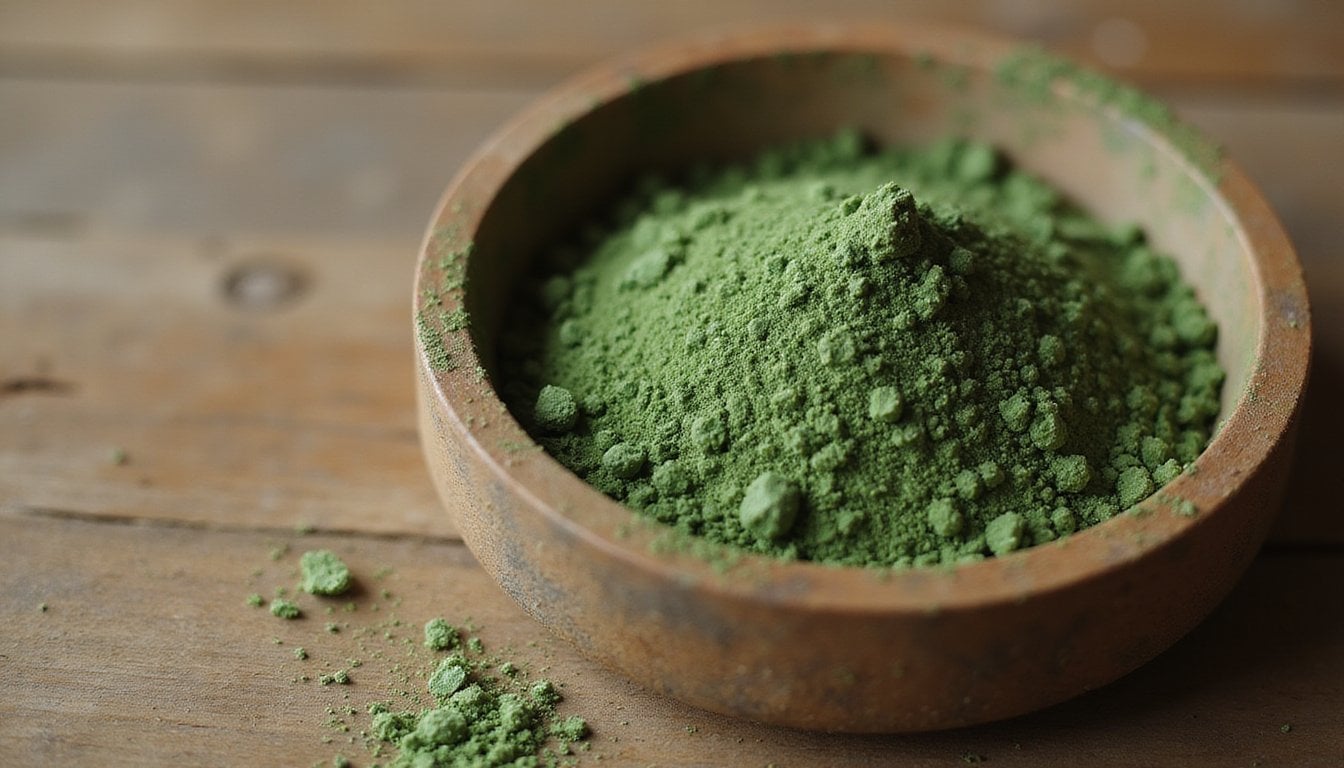
Mitragynine and 7-hydroxymitragynine bind opioid receptors, triggering dependency cycles that could already be affecting you in ways you haven’t yet realized.

Ingesting kratom may seem harmless at first, but the full spectrum of side effects, from organ damage to cardiac arrest, tells a far darker story.
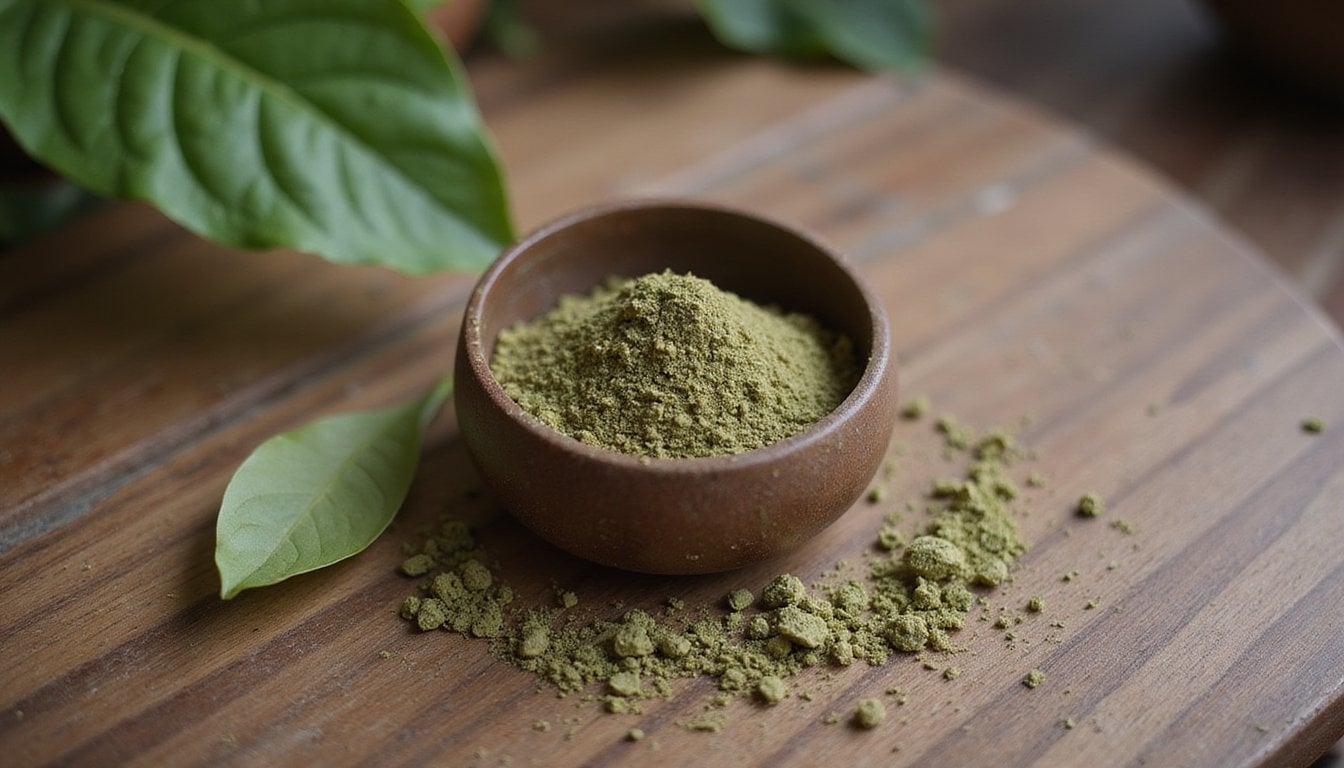
While kratom remains federally legal, your state’s laws could make possession a serious crime, find out where you stand.

Kratom addiction sneaks up on users through subtle signs and painful withdrawal, discover what to watch for and how recovery is possible.
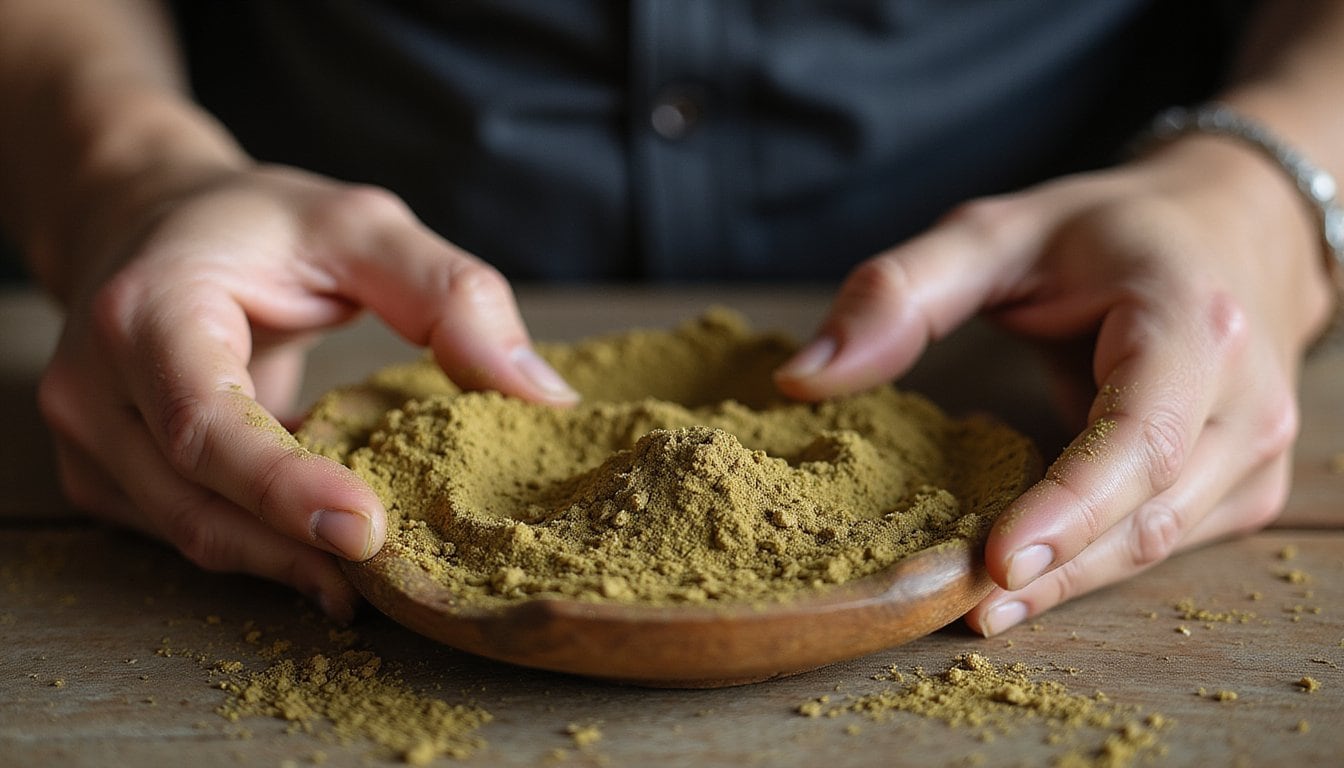
Notice the warning signs of kratom addiction, from cravings to physical symptoms, and discover what’s really happening in your brain.

Learn what happens to your body during kratom withdrawal and why the hardest days may surprise you.
Chronic kratom use can rewire your brain just like opioids, discover what’s really happening inside your body and what you can do about it.